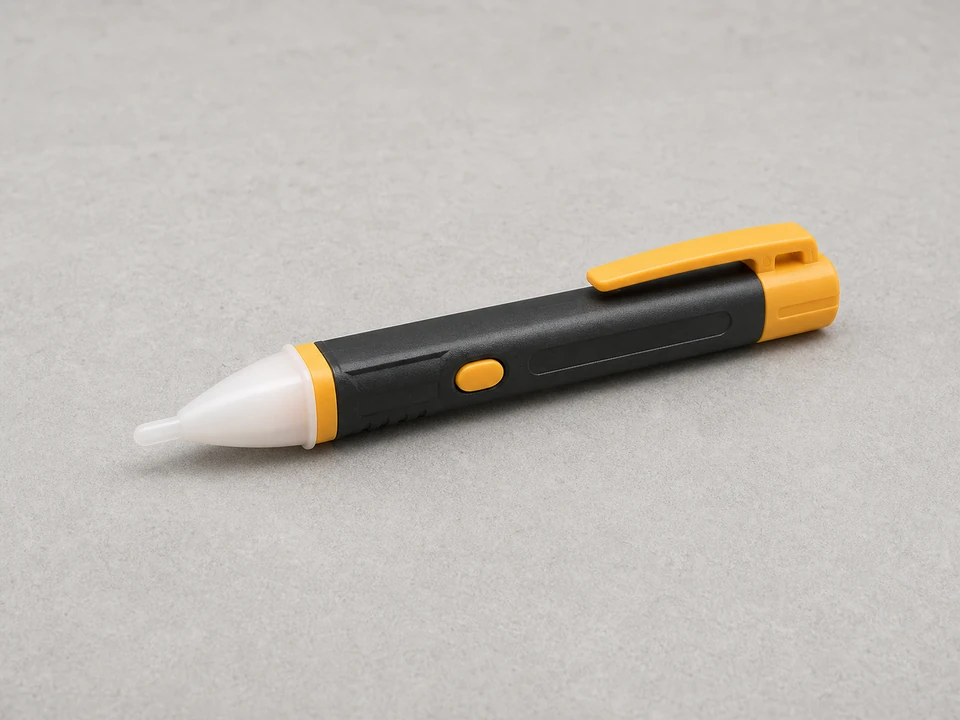
Non contact voltage tester
Use it for: To check that the outlet and box are de-energized before you touch wires.
Shop non-contact voltage testersTo replace an outlet receptacle, first confirm the outlet itself is worn out or failed, turn off the correct breaker, verify the power is off, move the wires to a matching new receptacle, then reinstall and test it with a real plug-in load.
This repair makes sense when an outlet is loose, cracked, scorched, not holding plugs well, or dead even though the circuit has power and the problem is not a tripped GFCI, breaker, or upstream wiring issue. Work carefully and stop if anything looks burned beyond the device itself.
Before you start: Match the device style, amperage, GFCI or AFCI type, and wiring compatibility before ordering.
Use it for: To check that the outlet and box are de-energized before you touch wires.
Shop non-contact voltage testers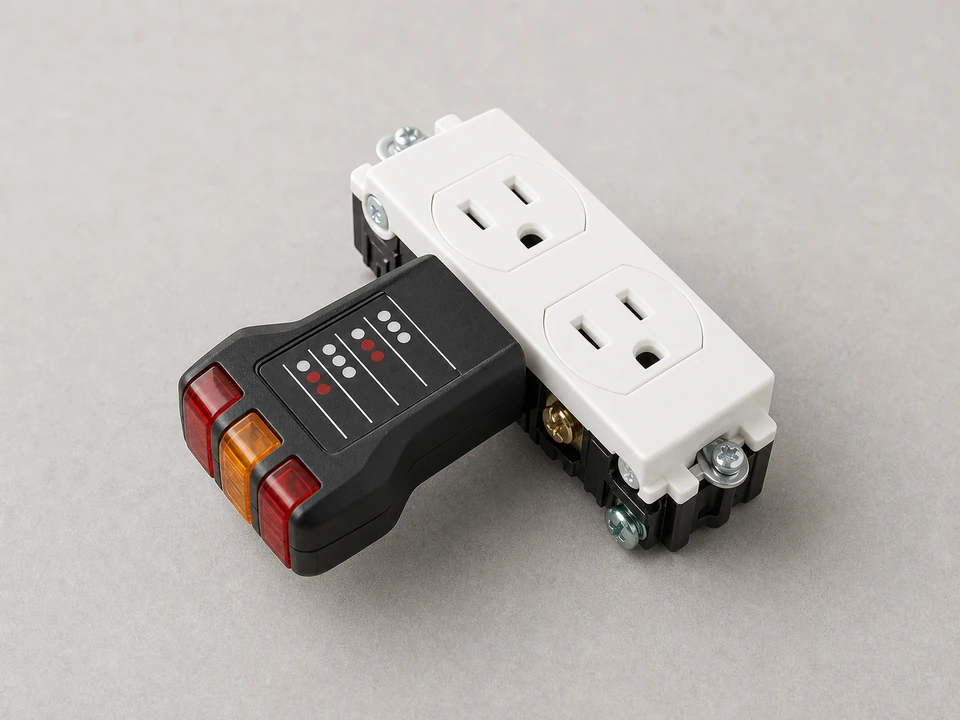
Use it for: To confirm the new receptacle is wired correctly after installation.
Shop plug-in outlet testers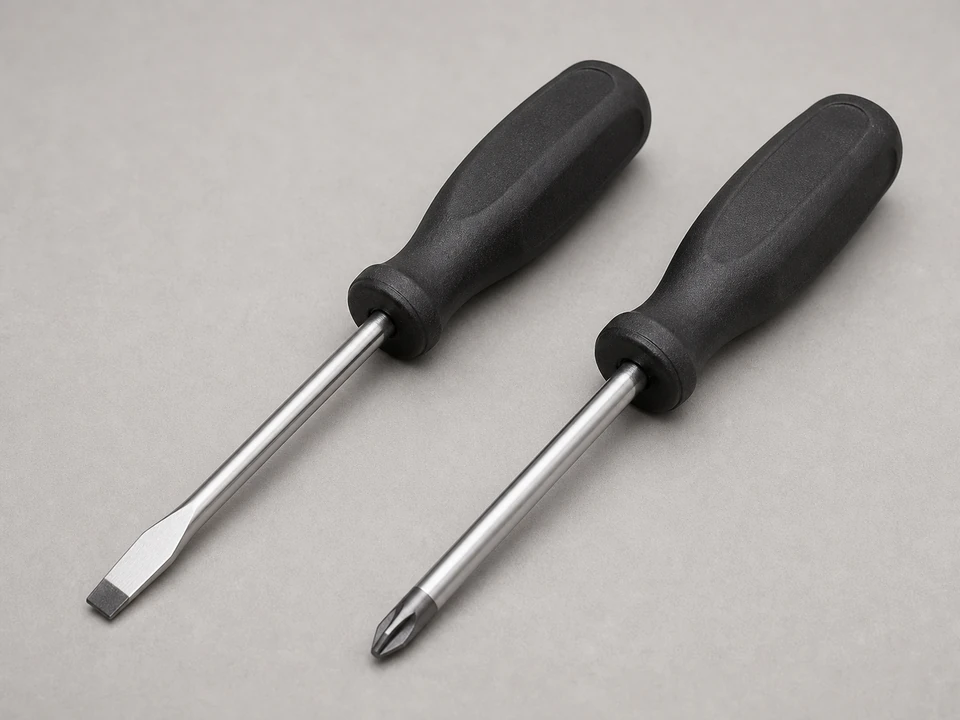
Use it for: To remove the cover plate, outlet mounting screws, and terminal screws.
Shop screwdriver sets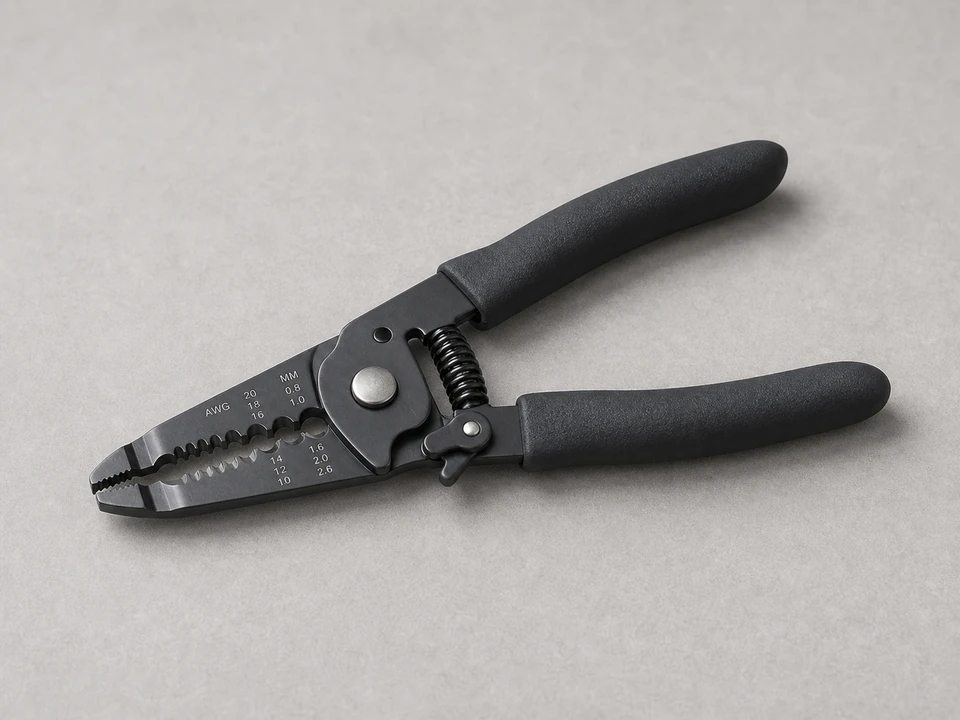
Use it for: To trim and re-strip damaged wire ends if needed.
Shop wire strippers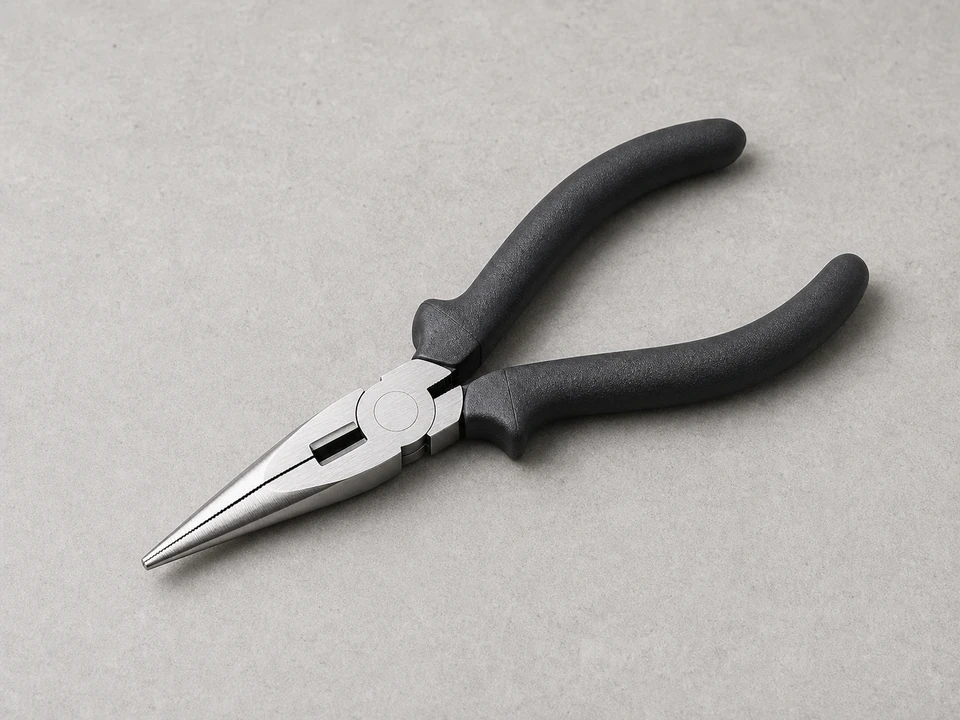
Use it for: To bend wire loops neatly onto terminal screws.
Shop needle-nose pliersAs an Amazon Associate I earn from qualifying purchases. Repair Riot may earn a commission at no extra cost to you.
If it works: You have good reason to replace the receptacle and a matching new device ready to install.
If it doesn’t: If resetting a GFCI or breaker restores normal operation, use the outlet and monitor it. You may not need to replace the receptacle.
If it works: The outlet is out of the box and you have confirmed the power is off.
If it doesn’t: If the outlet still shows power, return to the panel and identify the correct breaker before continuing.
If it works: You have a clear record of how the old receptacle is wired.
If it doesn’t: If the wiring does not make sense, compare it to the new receptacle markings and your photos before removing wires.
If it works: The old receptacle is free and the wire ends are clean, solid, and ready for the new device.
If it doesn’t: If the wires are too short after trimming, the safer next move is to have an electrician extend them properly.
If it works: The new receptacle is wired, mounted securely, and the cover plate is back on.
If it doesn’t: If the wires do not fit cleanly or the device will not sit flat, pull it back out and refold the conductors more neatly before tightening everything down.
If it works: The outlet tests correctly, holds plugs firmly, and works normally in real use.
If it doesn’t: If the tester shows an open ground, reversed polarity, or the outlet is still dead, turn the breaker back off and recheck your wire placement against your photos. If it still does not test right, call an electrician.
Match the device style, amperage, GFCI or AFCI type, and wiring compatibility before ordering.
As an Amazon Associate I earn from qualifying purchases. Repair Riot may earn a commission at no extra cost to you.
A bad receptacle is often loose, cracked, scorched, or intermittent with plugs that wiggle. If the outlet is completely dead, first check for a tripped breaker, a tripped GFCI upstream, or a loose wire connection in the same box or a nearby one.
No. The replacement should match the original device type and circuit setup. Pay attention to amperage, tamper-resistant style if present, and whether the old device is a GFCI receptacle or part of a switched outlet arrangement.
Many homeowners and electricians prefer screw-terminal connections because they tend to hold more securely over time. If your new receptacle allows side-screw wiring, that is usually the better choice for a straightforward replacement.
Turn the breaker back off and compare the new wiring to the old wiring photos. If the connections are correct and the outlet is still dead or tests wrong, the issue may be a loose upstream connection, a switched circuit, or another wiring fault that needs further diagnosis.
Not always, but it is a good idea if the old plate is cracked, discolored, or no longer sits flat. A new plate also helps the finished repair look cleaner and can reduce movement around the receptacle.