
Work gloves
Use it for: Protects your hands from sharp metal edges and a brittle broken element.
Shop work glovesIf your oven will not heat from the bottom or takes a long time to bake, replacing the oven bake heating element is often the fix.
This is a straightforward repair for many electric ovens. The key is confirming the lower element is the problem, shutting off power fully, and reconnecting the new element without letting the wires slip back into the oven wall.
Before you start: Match the element shape, wattage or voltage, and appliance compatibility before ordering.
Use it for: Protects your hands from sharp metal edges and a brittle broken element.
Shop work gloves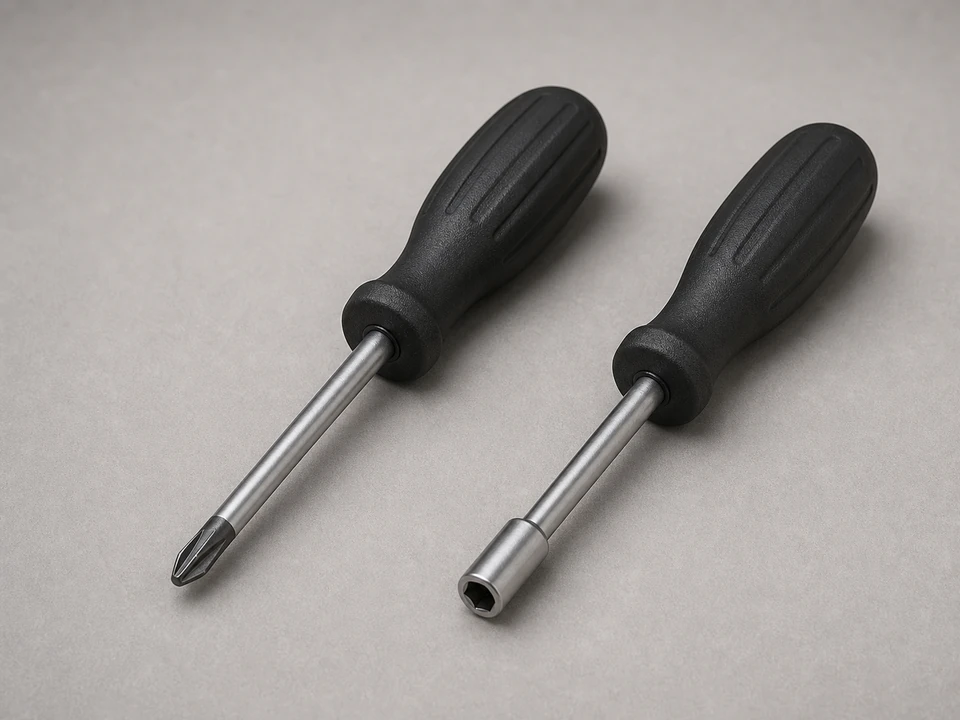
Use it for: Removes the screws that hold the element and rear mounting plate in place.
Shop screwdrivers and nut drivers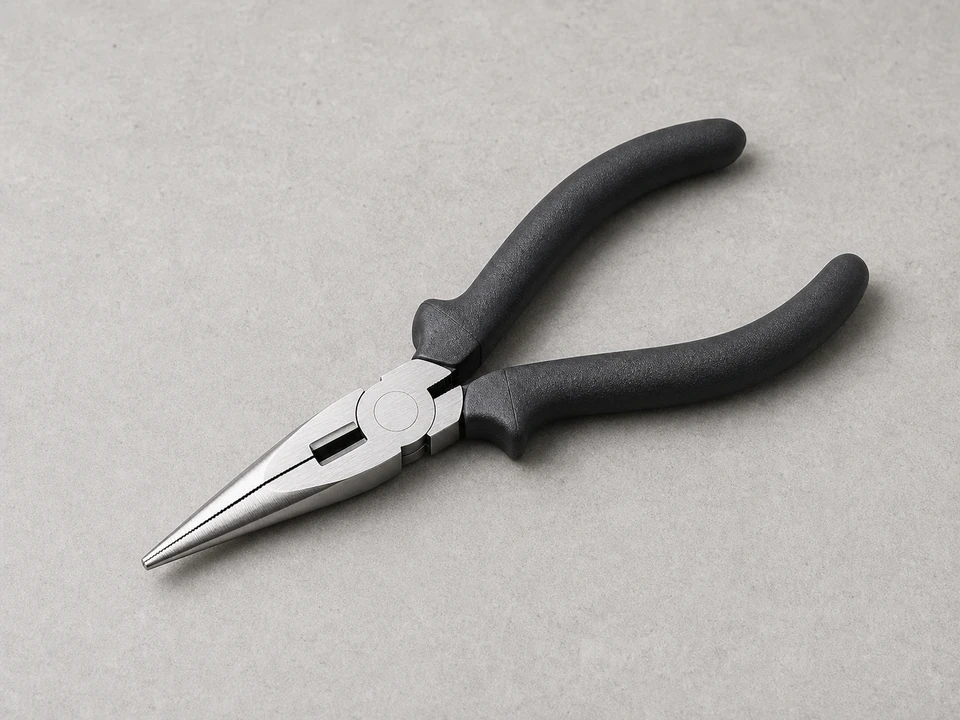
Use it for: Helps hold wire terminals and pull connectors off carefully if they are tight.
Shop needle-nose pliers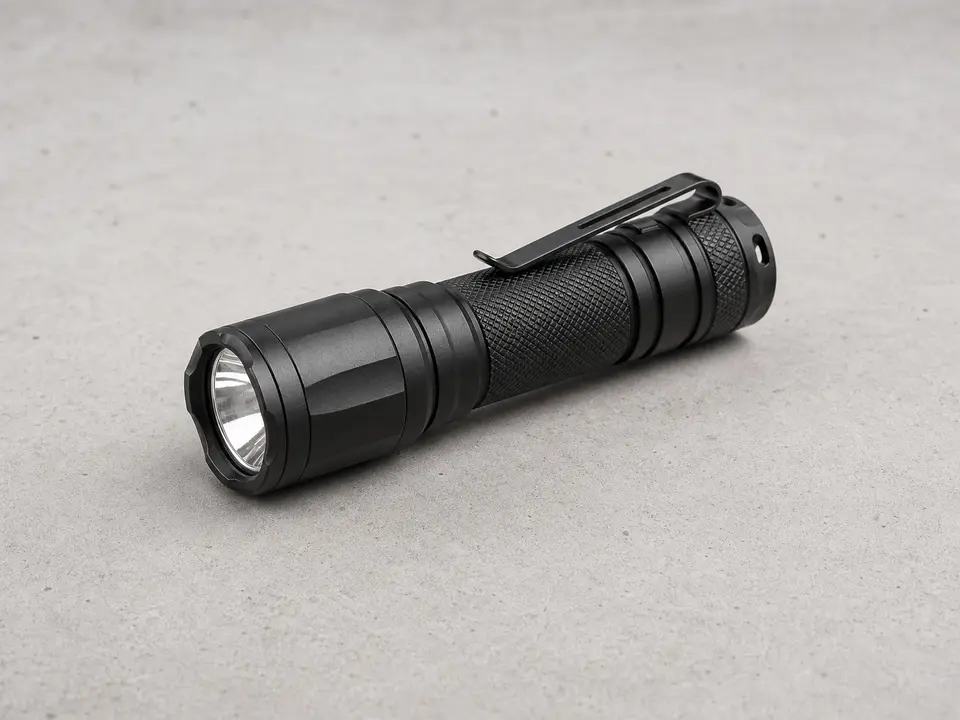
Use it for: Lets you see the mounting screws, wire ends, and connector condition inside the oven.
Shop flashlights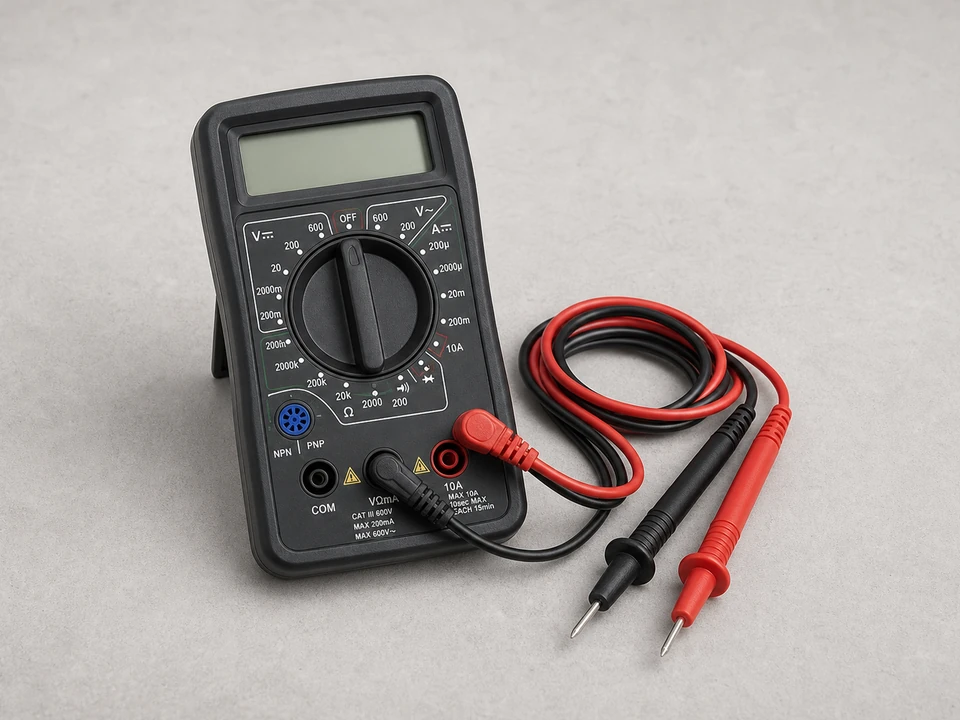
Use it for: Useful if you want to confirm the old element is open before replacing it.
Shop multimetersAs an Amazon Associate I earn from qualifying purchases. Repair Riot may earn a commission at no extra cost to you.
If it works: You have a clear reason to replace the lower bake element instead of guessing.
If it doesn’t: If both bake and broil are dead, or the control panel is not powering up, this may not be the right repair path.
If it works: The oven is de-energized and you can reach the bake element safely.
If it doesn’t: If you cannot confirm power is off, do not continue until you can unplug the unit or switch off the correct breaker.
If it works: The old element is free and the wire connectors are accessible without dropping back into the wall.
If it doesn’t: If the wires start slipping backward, hold them gently with pliers while you work so they stay reachable.
If it works: The new bake element is connected firmly and mounted in the same position as the original.
If it doesn’t: If the new part does not line up or the terminals do not match, stop and verify compatibility before forcing anything.
If it works: The oven powers back up and the new element starts glowing or producing heat from the bottom.
If it doesn’t: If the oven powers on but the new element stays cold, turn power back off and recheck the wire connections and part fit.
If it works: The oven bakes normally again and the repair holds during real use.
If it doesn’t: If the oven still will not bake properly, the issue may be with wiring, a temperature sensor, control, or another heating circuit.
Match the element shape, wattage or voltage, and appliance compatibility before ordering.
As an Amazon Associate I earn from qualifying purchases. Repair Riot may earn a commission at no extra cost to you.
Common signs are visible cracks, blistering, burn marks, or an oven that will broil but not bake properly. A continuity test on the removed element can also confirm failure.
Many homeowners can handle it if the oven is electric, the part is accessible from inside the cavity, and the wiring is not damaged. The main safety step is disconnecting power first.
Bake elements wear out from repeated heating and cooling cycles. Over time the metal can crack or burn through, which opens the circuit and stops bottom heat.
Recheck the wire connections and make sure the replacement part matches your oven. If the part is correct and connected properly, the problem may be in the wiring, sensor, control, or another electrical component.
A brief light odor during the first heating cycle can be normal on a new part. Stop and investigate if you see smoke, arcing, or a strong burning insulation smell.