
Work gloves
Use it for: Protects your hands from sharp oven edges and a damaged element surface.
Shop work glovesIf your oven will not heat, heats unevenly, or the bake element is visibly blistered or broken, replacing the oven heating element is often a straightforward repair.
This job is usually done from inside the oven cavity, but you still need to cut power first because the element terminals carry live voltage. Take a minute to confirm the element is the likely failure, then swap it carefully so the wires do not slip back into the insulation.
Before you start: Match the element shape, wattage or voltage, and appliance compatibility before ordering.
Use it for: Protects your hands from sharp oven edges and a damaged element surface.
Shop work gloves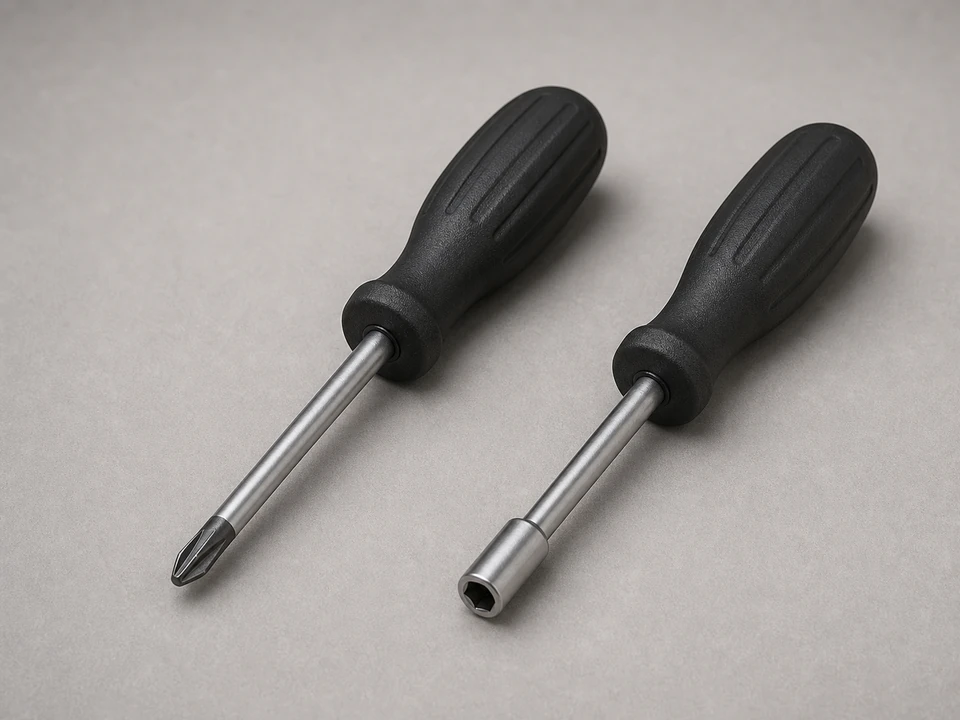
Use it for: Removes the screws holding the element mounting plate to the back wall of the oven.
Shop screwdrivers and nut drivers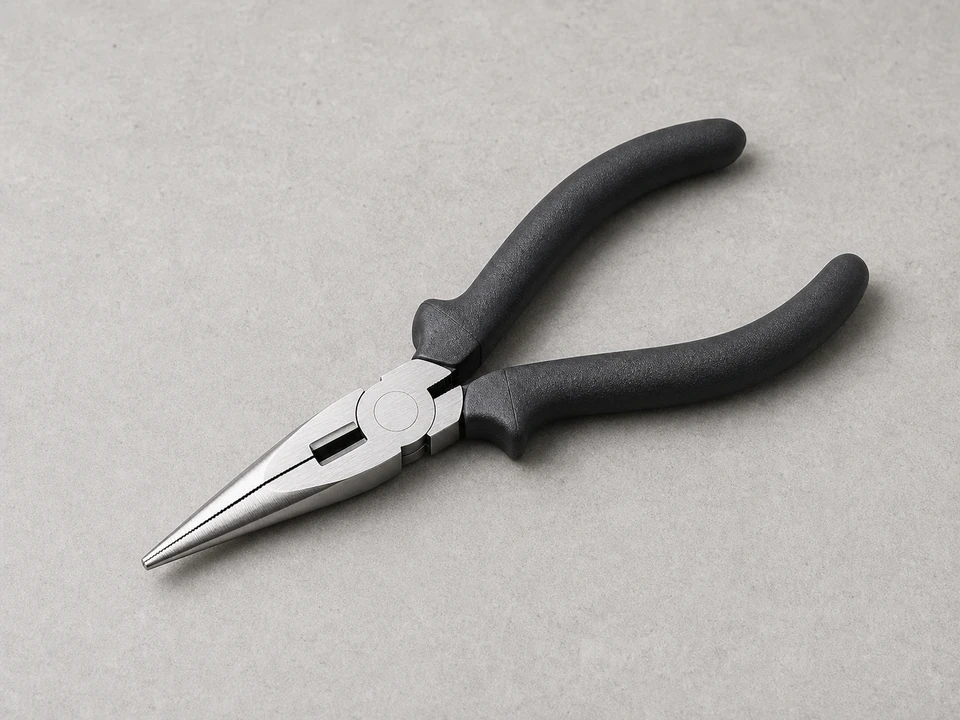
Use it for: Helps hold wire terminals so they do not fall back behind the oven liner.
Shop needle-nose pliers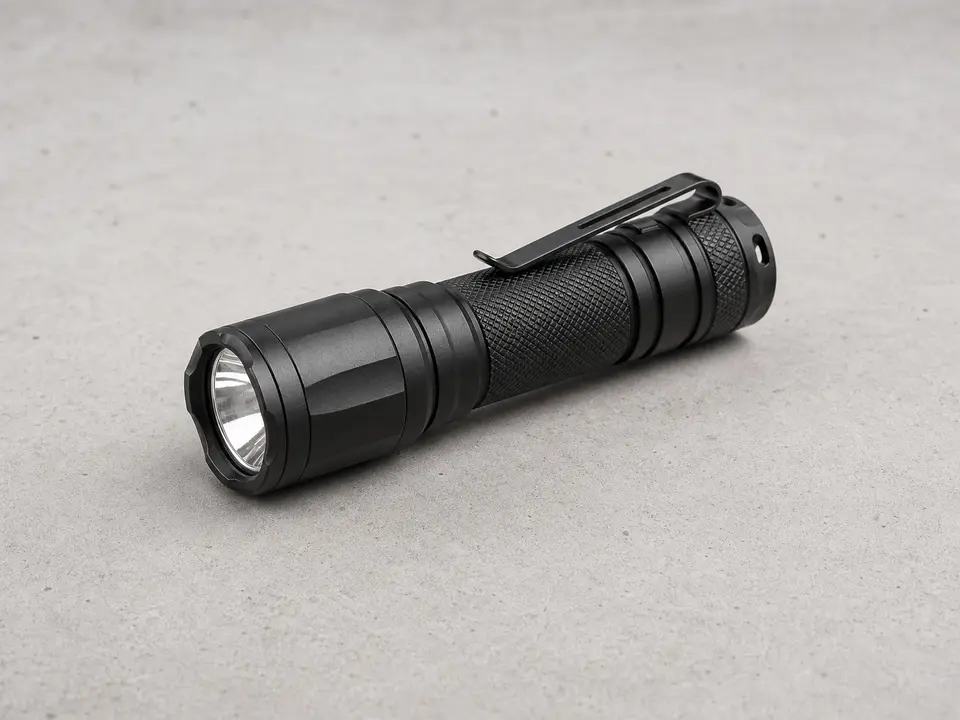
Use it for: Lets you see the mounting screws, wire terminals, and any heat damage clearly.
Shop flashlights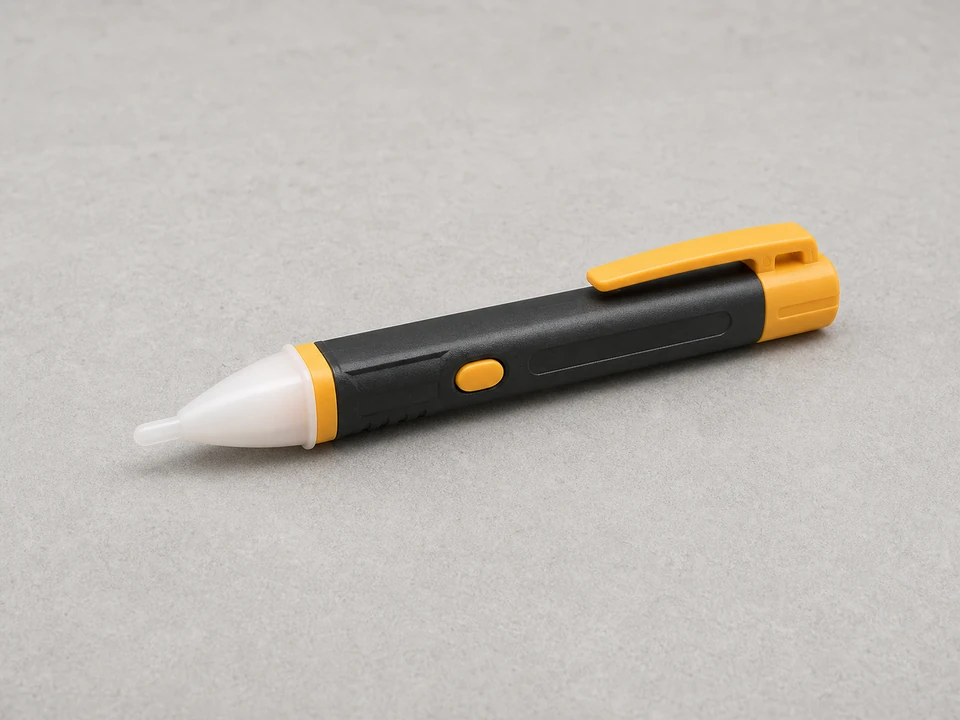
Use it for: Adds a quick safety check before you touch wiring near the element connection area.
Shop voltage testersAs an Amazon Associate I earn from qualifying purchases. Repair Riot may earn a commission at no extra cost to you.
If it works: You have a clear reason to suspect the oven heating element and are ready to replace it.
If it doesn’t: If the element looks normal and the oven has no heat at all on bake or broil, the problem may be elsewhere and this may not be the right repair.
If it works: The oven is safe to work on and the replacement element appears to match.
If it doesn’t: If the new part does not match the old element shape or terminal style, pause and verify compatibility before taking the oven apart further.
If it works: The old element is out and the oven wires are still accessible.
If it doesn’t: If a connector is stuck, apply steady pressure and support the terminal with pliers so you do not damage the wire.
If it works: The new oven heating element is mounted securely and wired in place.
If it doesn’t: If a connector feels loose on the new terminal, stop and correct the connection before restoring power.
If it works: The oven powers up and the new element begins heating.
If it doesn’t: If the oven still does not heat, turn power back off and recheck the wire connections and part fit.
If it works: The oven heats normally, holds temperature, and the repair appears to be holding in real use.
If it doesn’t: If heating is still weak, uneven, or intermittent, another component may be causing the problem and further diagnosis is the next step.
Match the element shape, wattage or voltage, and appliance compatibility before ordering.
As an Amazon Associate I earn from qualifying purchases. Repair Riot may earn a commission at no extra cost to you.
A bad element often shows visible damage like blistering, cracks, or a burned-through spot. It can also cause slow preheating, no bake heat, or uneven cooking.
Many homeowners can handle it if they can safely shut off power and access the mounting screws inside the oven. The main caution is avoiding live power and not damaging the wire terminals.
A small amount of smoke or odor can happen on first heat-up as the factory coating burns off. Heavy smoke, strong burning-plastic smell, or sparking is not normal.
Recheck that the replacement matches, the wire connectors are fully seated, and power was restored properly. If the element still does not heat, the issue may be with wiring, controls, or another heating circuit part.
Usually no. Many oven heating elements are replaced from inside the oven cavity. If wiring has fallen back or the rear connection area is damaged, access from behind may be needed.