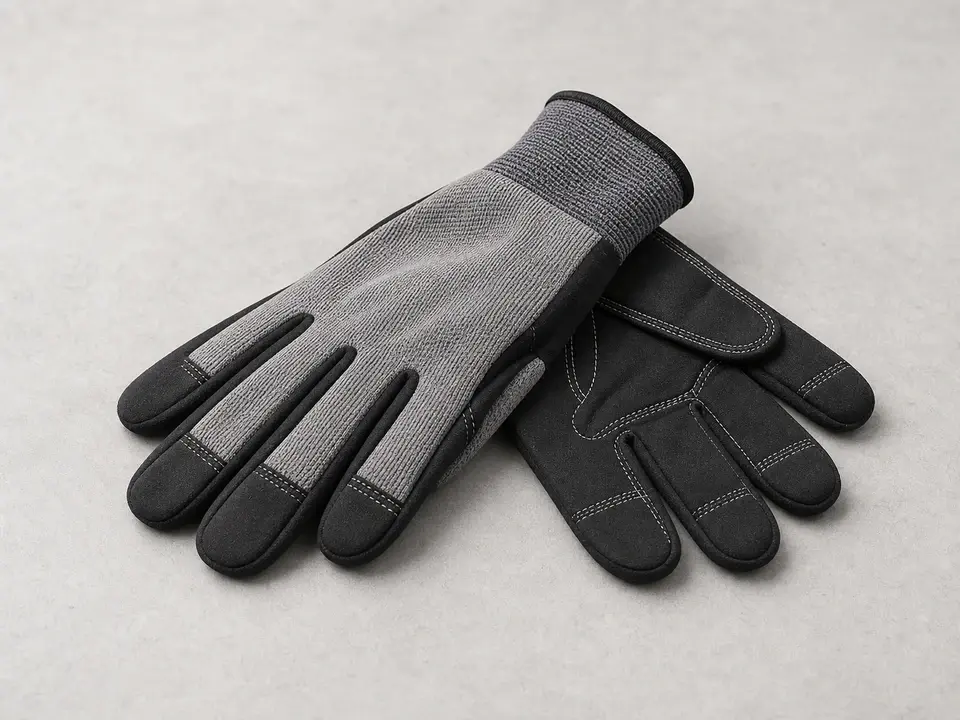
Work gloves
Use it for: Protect your hands while handling clips, fittings, and stiff hose ends.
Shop work glovesIf your pressure washer is no longer pulling soap and the detergent hose is cracked, loose, clogged, or split, replacing the hose is usually a straightforward fix.
This repair is mostly about safe setup, matching the new hose to the old one, and making sure the pickup end and connections seal well enough to draw detergent again.
Before you start: Match the replacement part to your exact pressure washer before ordering.
Use it for: Protect your hands while handling clips, fittings, and stiff hose ends.
Shop work gloves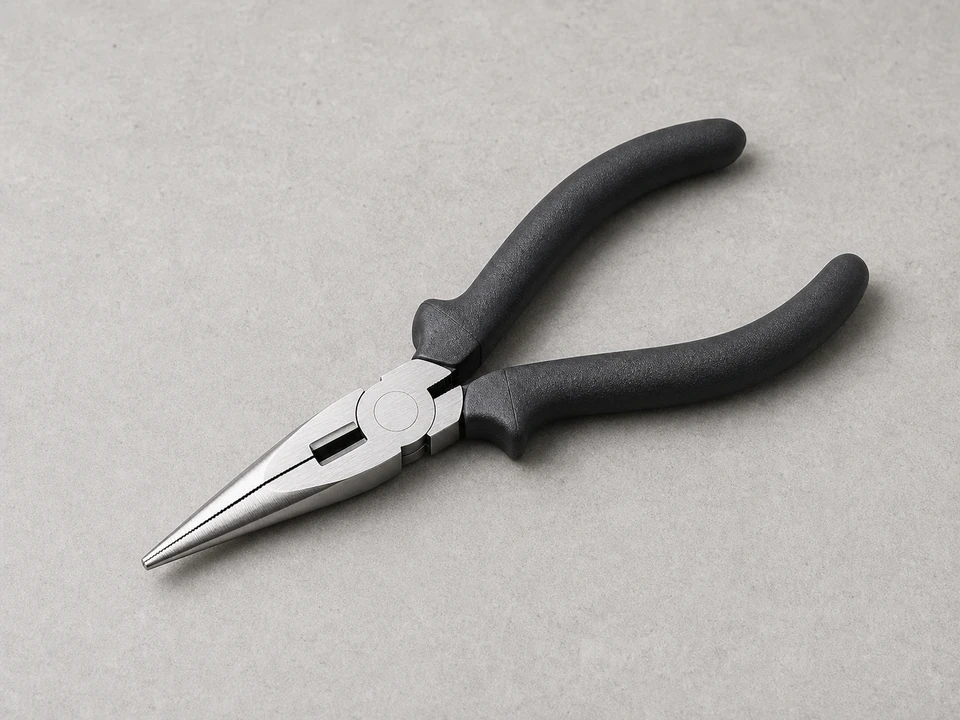
Use it for: Help remove spring clips or pull the old hose off tight barbed fittings.
Shop needle-nose pliers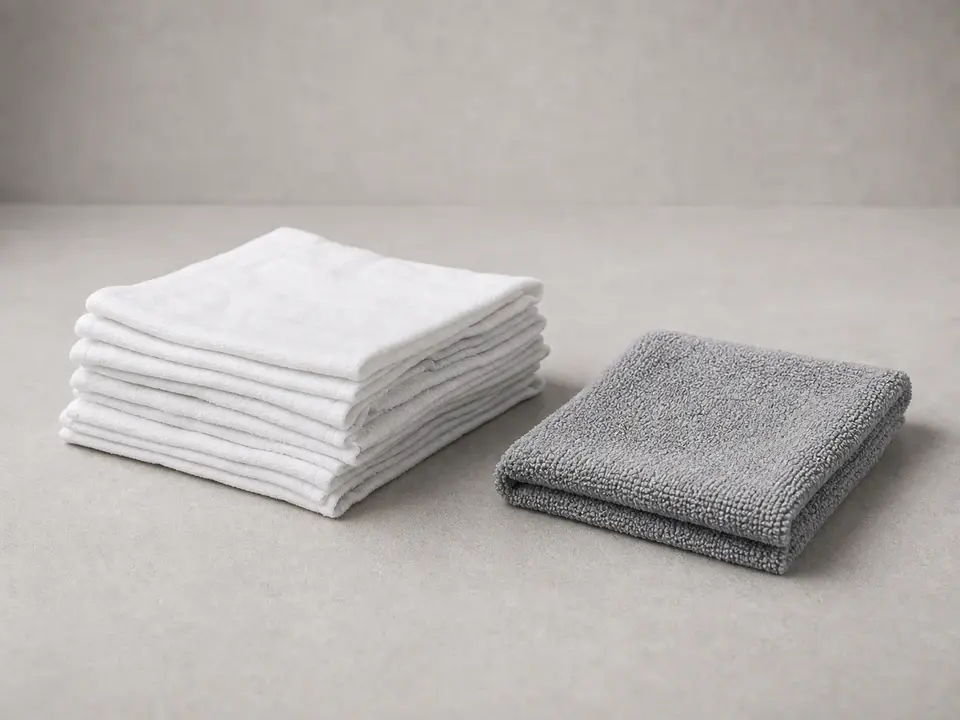
Use it for: Wipe detergent residue and clean the connection points before installing the new hose.
Shop shop towels
Use it for: Lets you rinse the pickup area or soften a tight hose end before installation.
Shop small utility bucket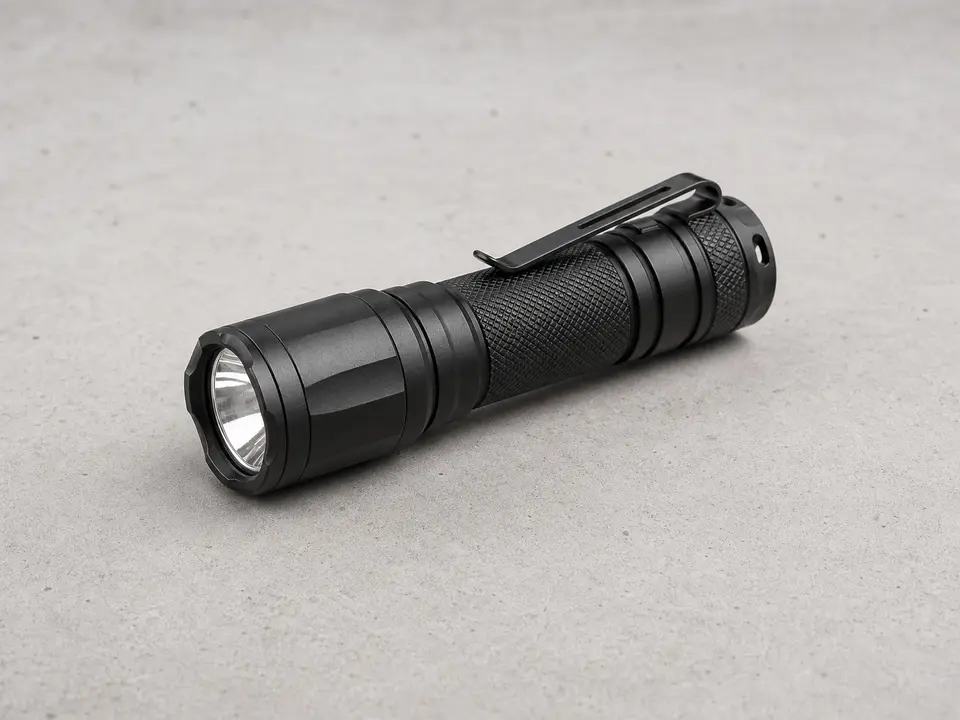
Use it for: Helps you see the detergent inlet, routing, and any hidden cracks or kinks.
Shop flashlightsAs an Amazon Associate I earn from qualifying purchases. Repair Riot may earn a commission at no extra cost to you.
If it works: You have confirmed the detergent hose is damaged, clogged beyond easy cleaning, or no longer sealing at the fittings.
If it doesn’t: If the hose looks intact and clear, the soap problem may be in the injector, nozzle selection, or detergent setting instead of the hose.
If it works: The old detergent hose is fully removed without damaging the fittings it connects to.
If it doesn’t: If the hose will not come off, warm the hose end with warm water for a minute and try twisting it again instead of forcing the fitting.
If it works: The replacement hose matches the original well enough to install and route cleanly.
If it doesn’t: If the new hose is clearly too loose, too tight, too short, or missing a needed end piece, pause and get the correct replacement before installing it.
If it works: The new hose is connected at both ends, secured, and routed without kinks or rubbing points.
If it doesn’t: If the hose keeps slipping off, recheck part fit and make sure it is pushed fully onto the fitting before trying again.
If it works: The hose stays in place, does not leak, and begins pulling detergent without collapsing or sucking air at the connections.
If it doesn’t: If detergent still does not draw, recheck the hose routing and fit, then inspect the injector and soap nozzle setup as the next likely cause.
If it works: The pressure washer draws detergent consistently in normal use and the new hose stays secure.
If it doesn’t: If soap draw is still weak or inconsistent after the hose replacement, the next repair is usually cleaning or replacing the detergent injector or correcting the nozzle and pressure setting.
Match the replacement part to your exact pressure washer before ordering.
As an Amazon Associate I earn from qualifying purchases. Repair Riot may earn a commission at no extra cost to you.
A bad detergent hose is often cracked, brittle, split, kinked, clogged with dried soap, or loose on the fittings. Any of those can let the machine suck air instead of detergent.
Sometimes. If the hose is only lightly clogged, rinsing it with warm water may help. If it is hardened, stained with dried soap, split, or loose on the fittings, replacement is the better fix.
Many pressure washers only draw detergent in soap mode or with a low-pressure soap nozzle. If the new hose fits correctly and still does not pull soap, the injector or nozzle setup is the next thing to check.
If the filter is damaged, missing, or packed with residue, replace it or transfer a good one from the old hose. A clogged pickup filter can stop detergent flow even when the hose itself is new.
Not a good idea. The hose needs the right inside diameter, material, and end fit to seal on the detergent fittings and hold up around the machine. Match it to your exact pressure washer.