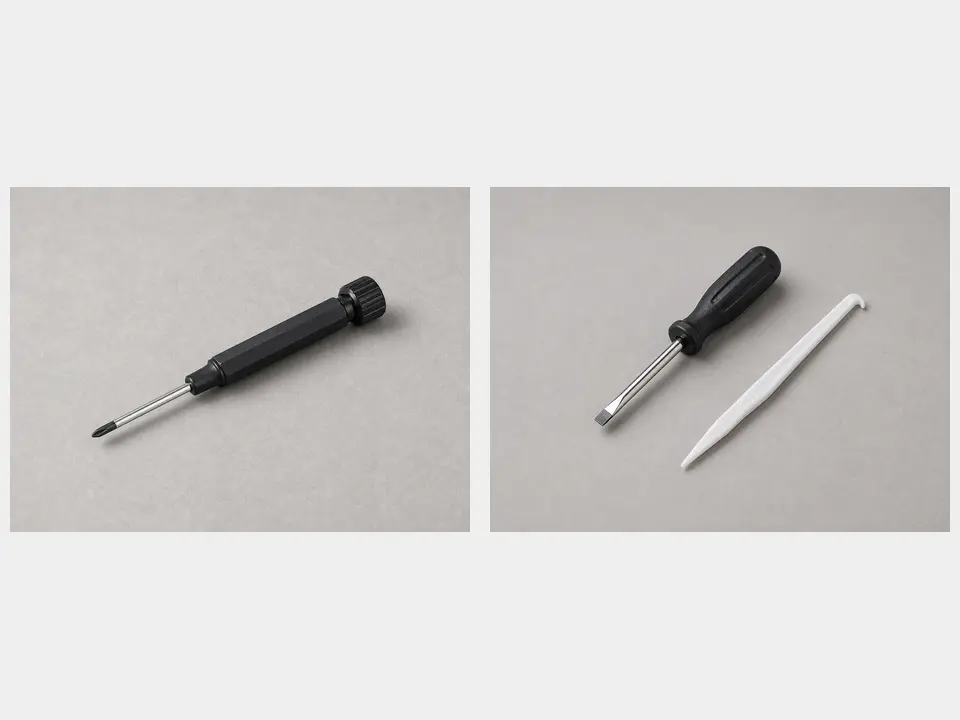
Needle nose pliers or a small pick
Use it for: To lift the old washer out of the hose fitting without damaging the connection.
Shop needle-nose pliersIf your pressure washer leaks where the garden hose connects, the garden hose washers are often flattened, cracked, or missing. Replacing them is a quick fix if the threads and hose fitting are still in good shape.
This repair is simple: shut off the water, remove the hose, pull out the old washer, press in a new one, and reconnect without overtightening. The key is making sure the leak is really coming from the hose connection and not from a cracked fitting or damaged threads.
Before you start: Match the washer size and hose connection style before ordering.
Use it for: To lift the old washer out of the hose fitting without damaging the connection.
Shop needle-nose pliers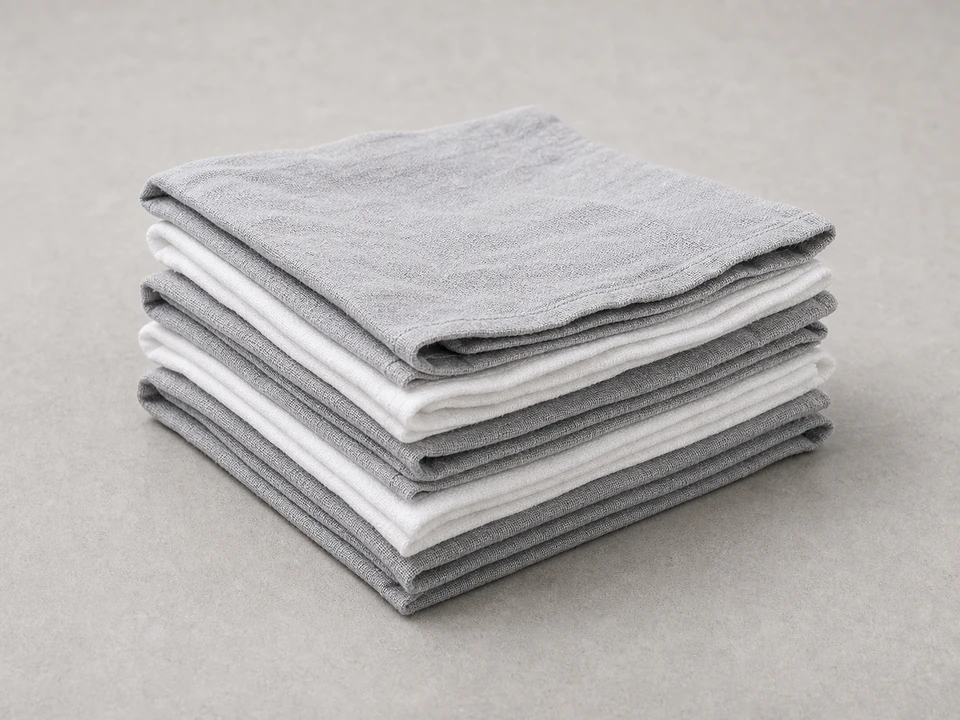
Use it for: To wipe grit, mineral buildup, and water from the fitting before installing the new washer.
Shop cleaning rags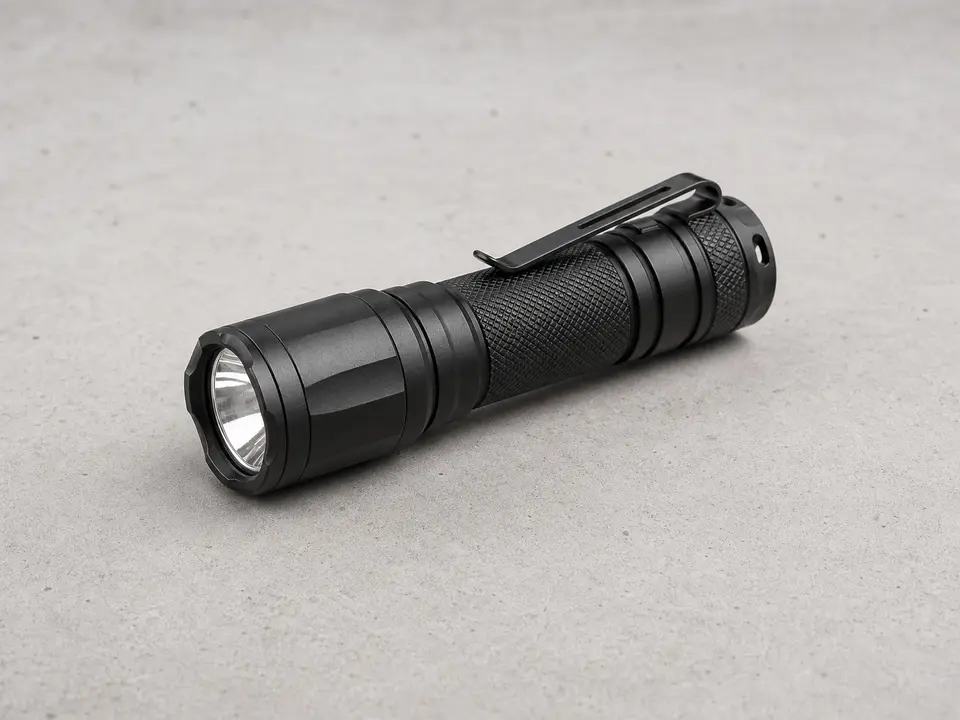
Use it for: To inspect the hose fitting and pressure washer inlet threads for cracks or damage.
Shop flashlightsAs an Amazon Associate I earn from qualifying purchases. Repair Riot may earn a commission at no extra cost to you.
If it works: You have the hose disconnected and the leak appears to have been at the hose-to-inlet connection.
If it doesn’t: If the leak was coming from the hose jacket, trigger gun, pump area, or a cracked inlet fitting, replacing the washer will not solve the problem. Inspect that part instead.
If it works: The old washer is out and you know whether it was worn or damaged.
If it doesn’t: If you cannot remove the washer because it has fused in place, work it out in small pieces and clean the groove before installing the new one.
If it works: Both connection surfaces are clean and ready for the new washer.
If it doesn’t: If debris keeps falling out or the sealing face is pitted enough that the washer cannot sit flat, the connection may still leak and the fitting may need further repair.
If it works: The new washer is seated evenly inside the hose fitting.
If it doesn’t: If the washer feels loose, too thick, or will not sit flat, use the correct size washer for that hose connection.
If it works: The hose is connected squarely and there is no immediate leak at the fitting.
If it doesn’t: If it drips right away, shut the water off, disconnect the hose, and check that the washer is seated flat and the threads started correctly.
If it works: The connection stays dry or nearly dry during normal use, confirming the washer replacement fixed the leak.
If it doesn’t: If the leak continues, replace the washer again with the correct size if needed, then inspect the hose coupling and pressure washer inlet for thread or fitting damage.
Match the washer size and hose connection style before ordering.
As an Amazon Associate I earn from qualifying purchases. Repair Riot may earn a commission at no extra cost to you.
A bad washer is usually flattened, cracked, brittle, or missing. A leak right at the hose-to-inlet connection is a strong sign the washer is no longer sealing well.
Sometimes flipping a washer can slow a leak for a short time, but it is usually a temporary fix. A fresh washer is the better repair.
The new washer may be the wrong size, not seated flat, or the hose fitting or pressure washer inlet may have damaged threads or a cracked sealing surface.
Usually no. Hand-tight is normally enough when the washer is in good shape. Overtightening can damage the fitting or inlet.
If you have several hose connections that are old or leaking, it makes sense to replace multiple washers at the same time. They are inexpensive and wear out similarly.