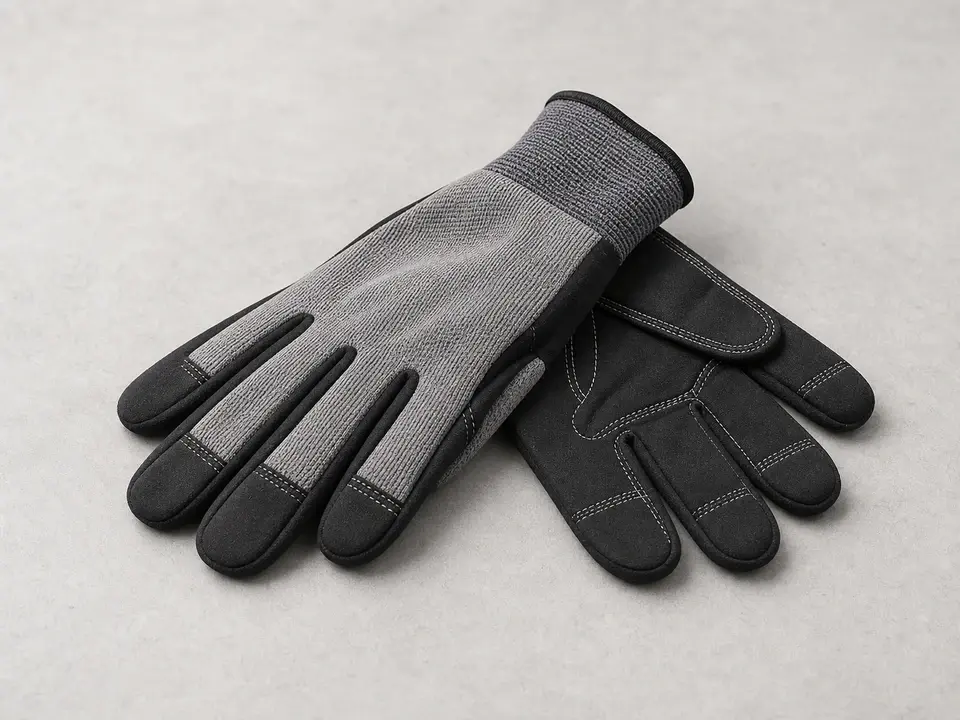
Work gloves
Use it for: Protects your hands from sharp burner edges and sheet metal.
Shop work glovesTo replace a range burner igniter, disconnect power, shut off the gas supply if your range uses gas, remove the burner parts to reach the igniter, swap in the matching replacement, and test for reliable ignition.
A weak or failed igniter can keep a burner from lighting or make it click without catching. This job is usually straightforward if you can safely reach the igniter and the replacement matches the original part.
Before you start: Match the igniter style, connector, and appliance compatibility before ordering.
Use it for: Protects your hands from sharp burner edges and sheet metal.
Shop work gloves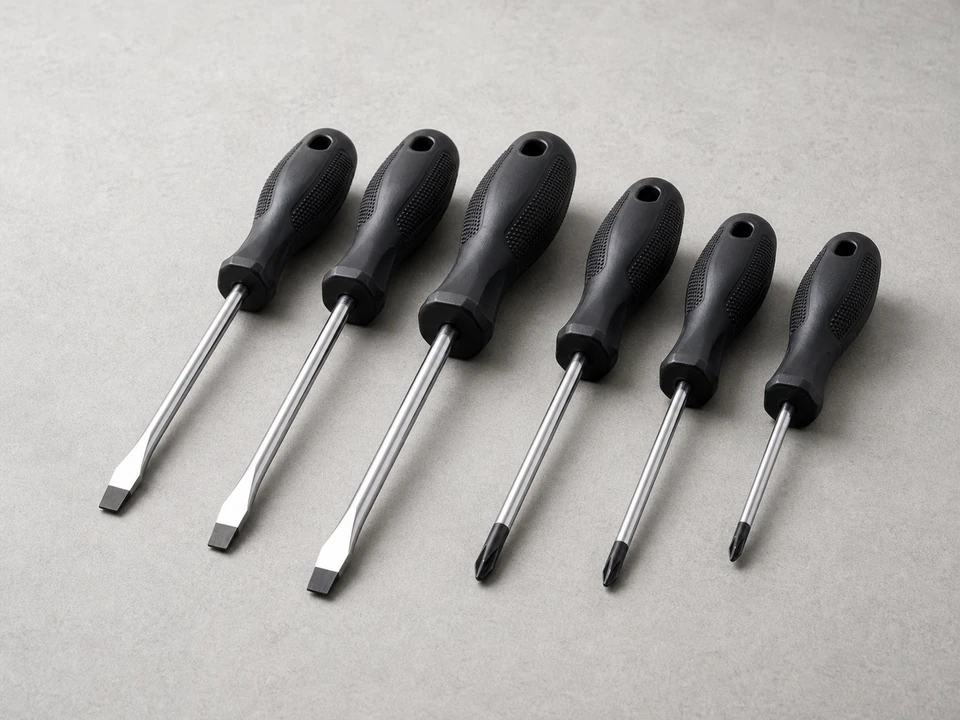
Use it for: Removes burner caps, screws, and mounting hardware around the igniter.
Shop screwdriver set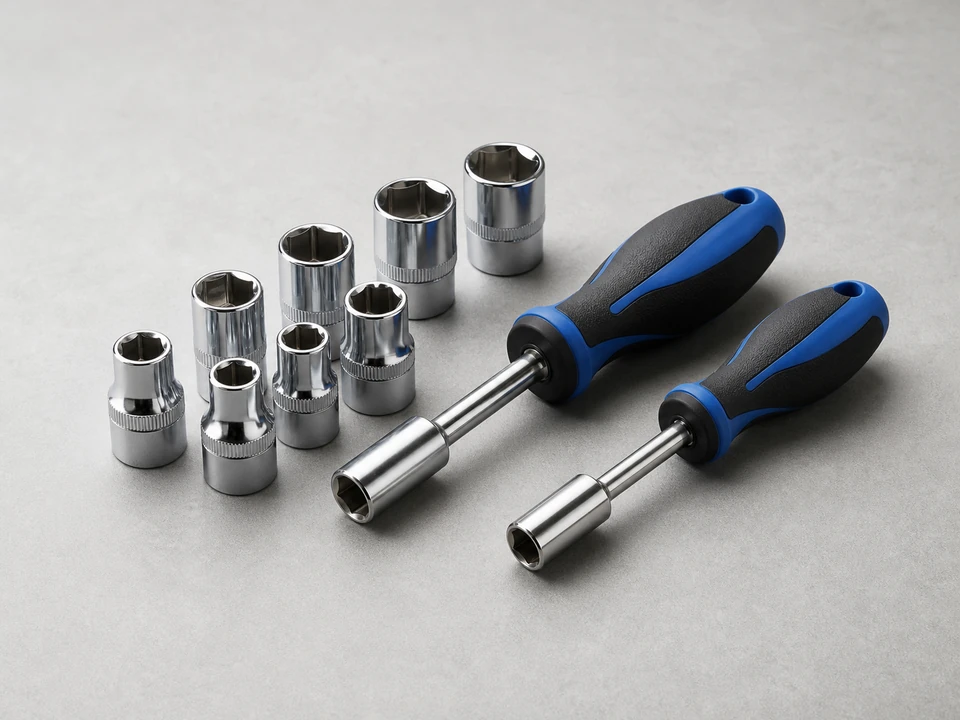
Use it for: Helps remove small hex-head screws often used on burner assemblies.
Shop nut driver set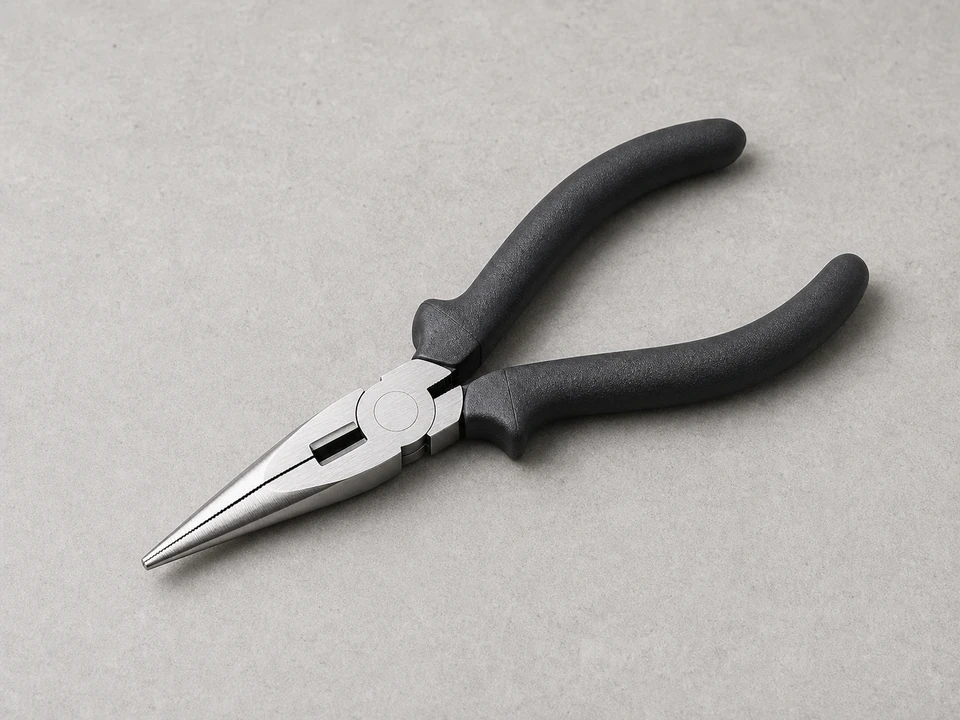
Use it for: Useful for pulling wire connectors and handling small clips.
Shop needle-nose pliers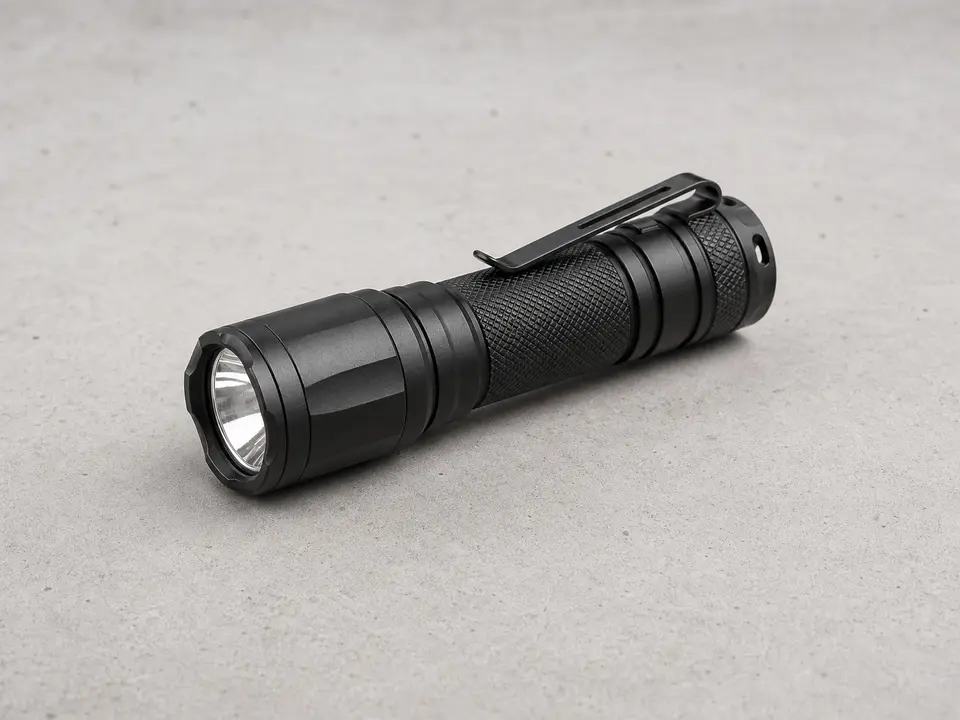
Use it for: Lets you see the igniter, wire routing, and mounting points clearly.
Shop flashlightAs an Amazon Associate I earn from qualifying purchases. Repair Riot may earn a commission at no extra cost to you.
If it works: You have narrowed the problem to one burner igniter that does not spark or sparks inconsistently while the rest of the range works normally.
If it doesn’t: If no burners spark, or if the burner sparks normally but still will not light, this may be a different problem such as power supply, gas flow, or burner blockage.
If it works: The range is safely shut down and you can clearly access the burner igniter.
If it doesn’t: If the burner parts are stuck from spills or corrosion, work slowly and clean around them first so you do not bend or crack the assembly.
If it works: The old igniter is out and the replacement matches the original well enough to install in the same position.
If it doesn’t: If the new part does not match the original connector or mounting layout, pause and verify fit before continuing.
If it works: The new igniter is mounted securely, connected properly, and positioned like the original.
If it doesn’t: If the igniter sits crooked or the wire will not route safely, remove it and correct the fit before reassembling the burner.
If it works: The burner is fully reassembled and ready for a live test.
If it doesn’t: If the burner parts do not sit flat, take them back off and reseat them. A misaligned burner can mimic an igniter problem.
If it works: The burner lights quickly and repeatedly, and the repair holds during normal use.
If it doesn’t: If the new igniter still does not spark or the burner still will not light reliably, recheck the connector, burner alignment, and whether the diagnosis was correct.
Match the igniter style, connector, and appliance compatibility before ordering.
As an Amazon Associate I earn from qualifying purchases. Repair Riot may earn a commission at no extra cost to you.
A bad igniter often causes one burner to stop sparking, spark weakly, or click without lighting even when the burner parts are clean and seated correctly. If all burners fail at once, the problem is more likely elsewhere.
Usually yes, if you can safely disconnect power, shut off gas if needed, and reach the burner hardware without forcing anything. The job is often manageable for a careful homeowner.
The burner cap or head may be misaligned, the wire connector may be loose, the burner ports may be clogged, or the original diagnosis may have been wrong. Recheck assembly before replacing more parts.
You need a compatible replacement with the same mounting style, connector type, and intended appliance fit. A similar-looking part is not always close enough.
It is better to stop using that burner until the problem is fixed. Repeated misfires, delayed ignition, or arcing in the wrong place can create a safety issue.