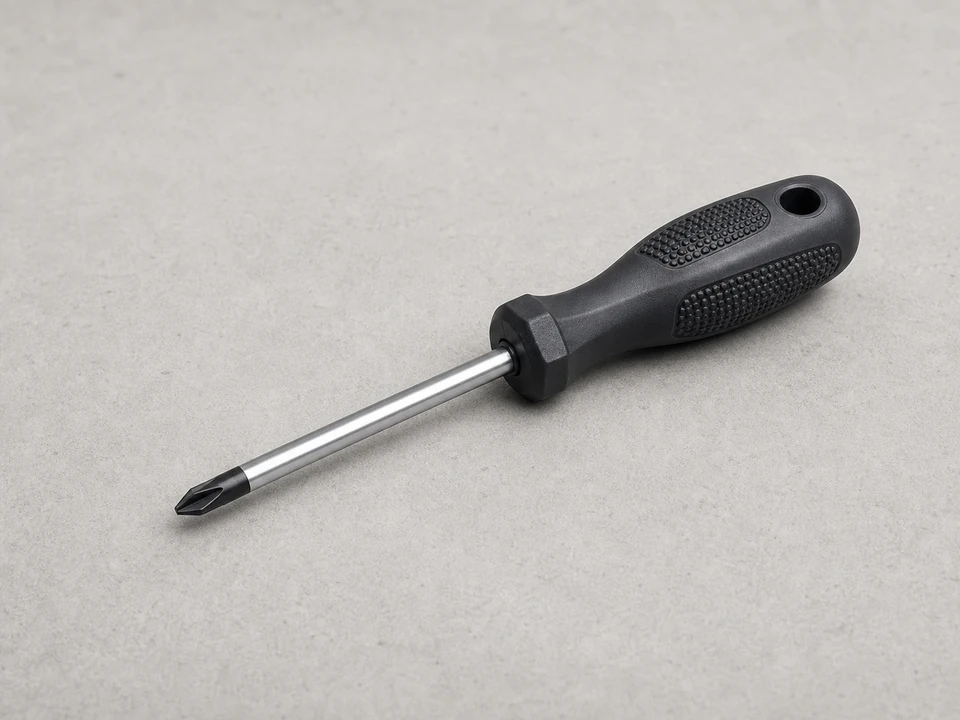
Phillips screwdriver
Use it for: Removes burner screws and top-access fasteners.
Shop Phillips screwdriversTo replace a range surface burner igniter, first confirm one burner has a weak spark, no spark, or keeps clicking because the igniter is damaged or worn. Then disconnect power, remove the burner cap and head, swap the igniter, reconnect the wire, and test for quick, steady ignition.
This is a moderate repair because you are working around gas and electrical ignition parts. The job is usually straightforward if the burner parts come apart cleanly and the wiring is accessible.
Before you start: Match the igniter style, connector, and appliance compatibility before ordering.
Use it for: Removes burner screws and top-access fasteners.
Shop Phillips screwdrivers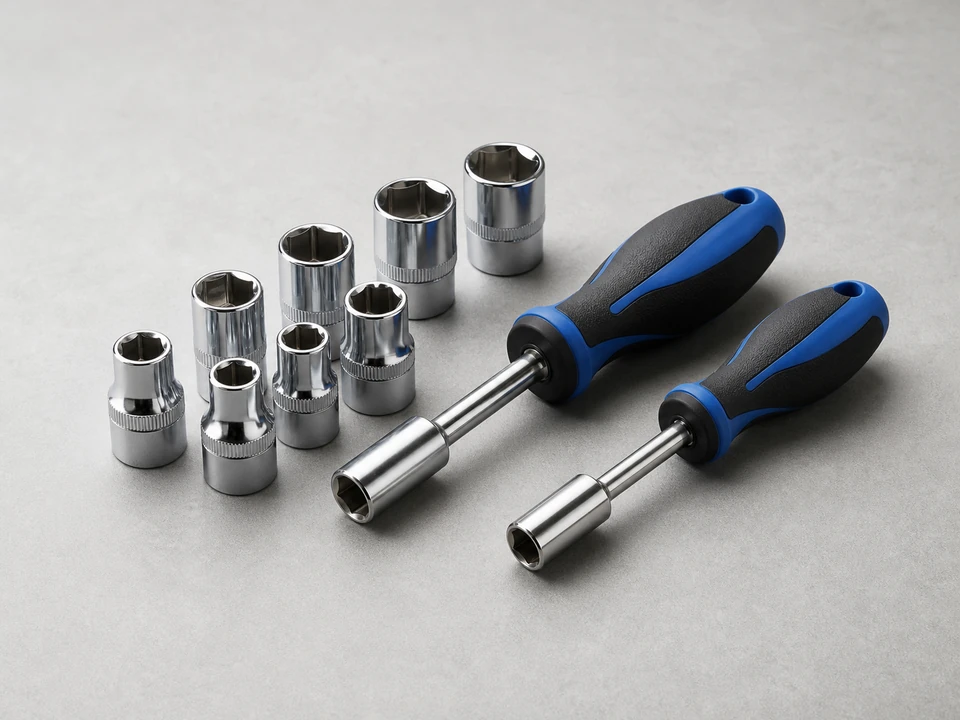
Use it for: Some ranges use hex-head screws instead of Phillips screws.
Shop nut driver sets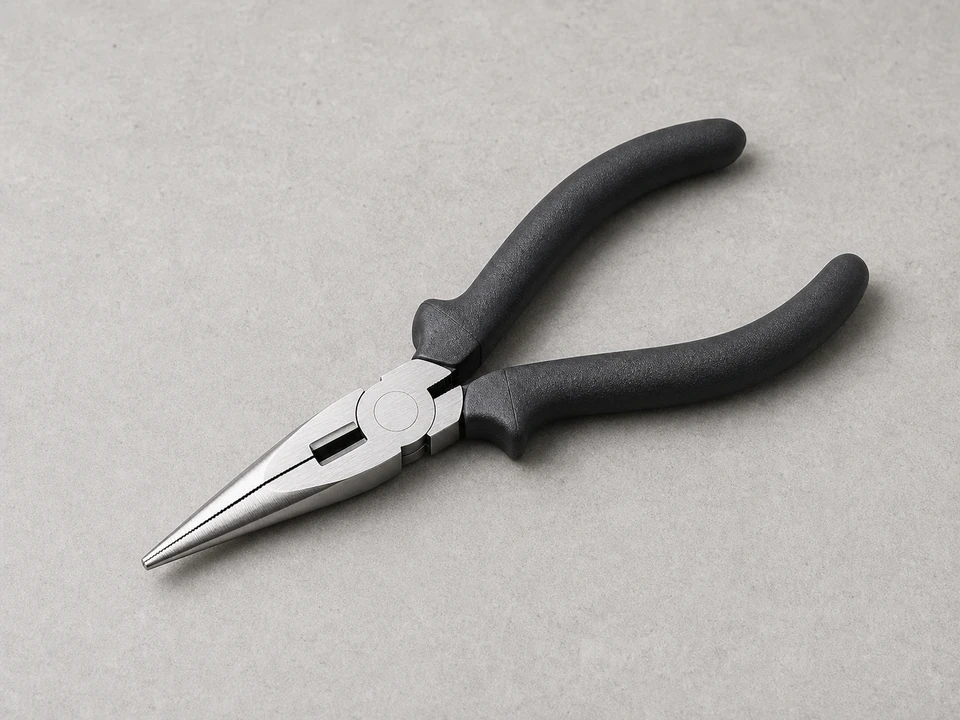
Use it for: Helps pull wire connectors and handle small clips without damaging them.
Shop needle-nose pliers
Use it for: Protects your hands from sharp sheet-metal edges under the cooktop.
Shop work gloves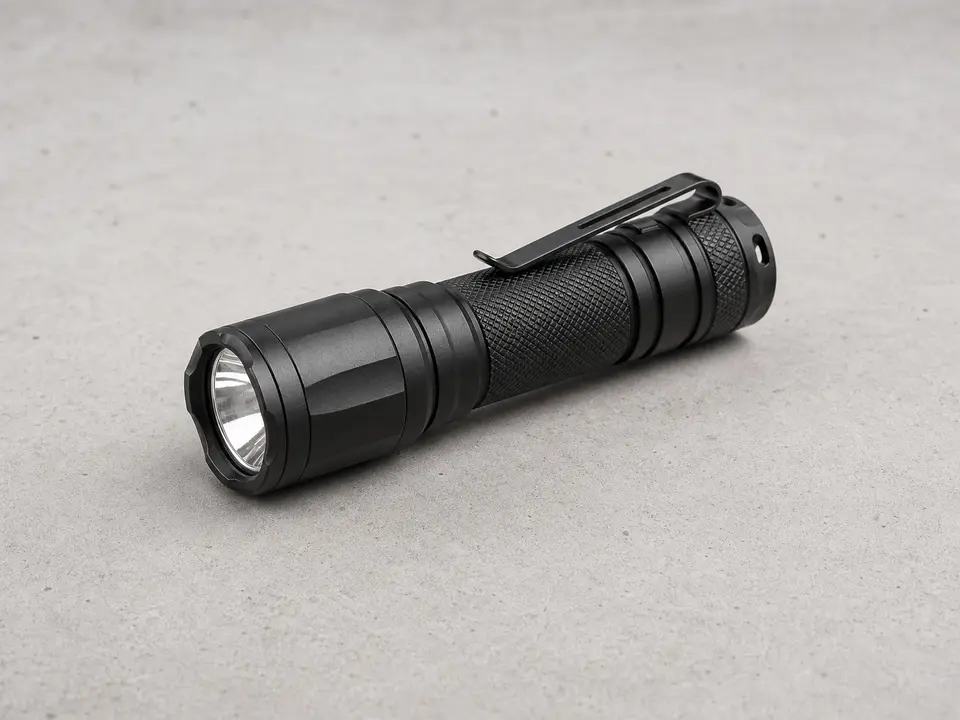
Use it for: Lets you see the igniter wire routing and mounting points clearly.
Shop flashlightsAs an Amazon Associate I earn from qualifying purchases. Repair Riot may earn a commission at no extra cost to you.
If it works: You have a burner that still will not spark correctly after basic cleaning and cap alignment, which makes the igniter a reasonable repair path.
If it doesn’t: If all burners have ignition trouble, check the range power supply or spark module instead of replacing just one igniter.
If it works: The range is de-energized and you can see the igniter and its wire connection.
If it doesn’t: If screws are stuck, apply steady pressure with the correct driver and avoid stripping them before going further.
If it works: The old igniter is out and the replacement matches the mounting style and connector well enough to install.
If it doesn’t: If the replacement does not match, stop and order the correct igniter using the old part's shape, connector, and mounting details.
If it works: The new igniter is mounted securely, connected properly, and positioned to spark at the burner.
If it doesn’t: If the igniter feels loose or sits crooked, remove it and correct the mounting before reassembling the burner.
If it works: The burner is fully reassembled and ready for a live ignition test.
If it doesn’t: If the burner head or cap will not sit flat, remove it and realign it before testing.
If it works: The burner lights reliably, the clicking behavior is normal, and the flame stays even during use.
If it doesn’t: If the burner still will not light or keeps clicking with a good igniter, the problem may be in the burner switch, spark module, wiring, or burner alignment.
Match the igniter style, connector, and appliance compatibility before ordering.
As an Amazon Associate I earn from qualifying purchases. Repair Riot may earn a commission at no extra cost to you.
A bad igniter may show no spark, a weak spark, or a spark that jumps in the wrong place even after the burner cap is seated correctly and the burner is cleaned.
Yes. Food buildup, moisture, or a misaligned burner cap can block ignition or cause constant clicking. Clean and reseat the burner parts before replacing the igniter.
No. Surface burner igniters and oven igniters are different parts with different shapes and mounting styles. Match the replacement to your range and burner location.
That can happen if the igniter is wet, dirty, misaligned, or damaged. If a new igniter does not fix it, the issue may be in the burner switch, spark module, or wiring.
For this repair, the key safety step is disconnecting electrical power so the igniter cannot spark. If you notice a gas leak or lingering gas smell, stop and deal with that before doing any repair.