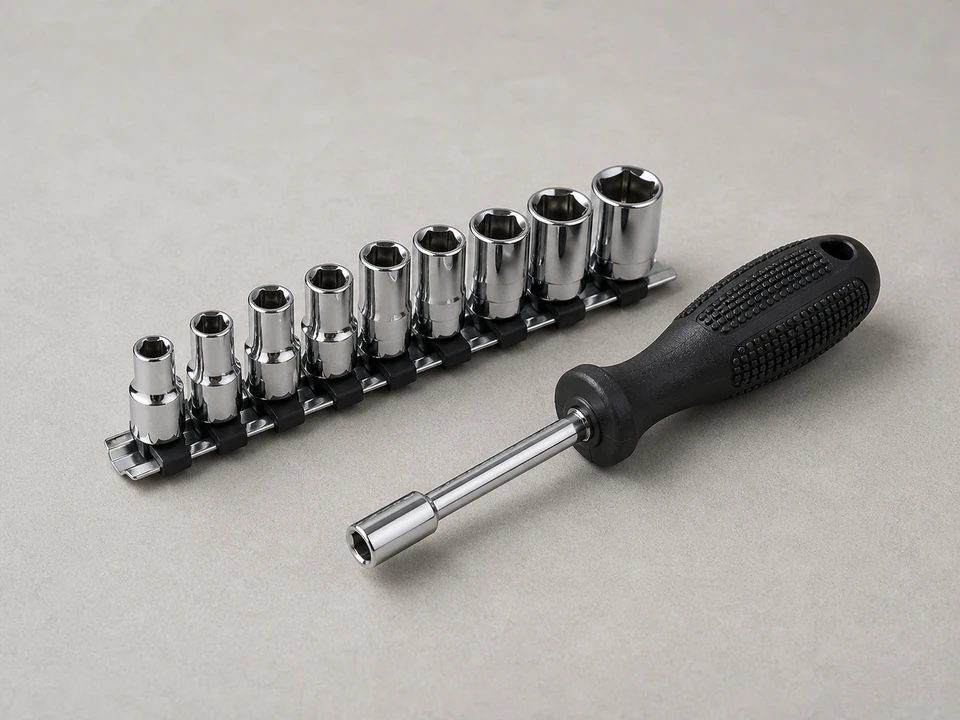
Nut driver or socket set
Use it for: To remove and reinstall hinge screws or bolts.
Shop nut drivers and socketsIf your refrigerator door sags, swings unevenly, or no longer pulls itself shut, a worn refrigerator door closing cam is a common cause. Replacing it usually means supporting the door, removing the lower hinge area, swapping the worn cam, and testing the door swing.
This is a manageable homeowner repair if the hinge area is accessible and the door can be safely supported. Work slowly, protect the floor, and stop if the hinge bracket or door shell looks bent or cracked.
Before you start: Match the replacement part to your exact refrigerator before ordering.
Use it for: To remove and reinstall hinge screws or bolts.
Shop nut drivers and sockets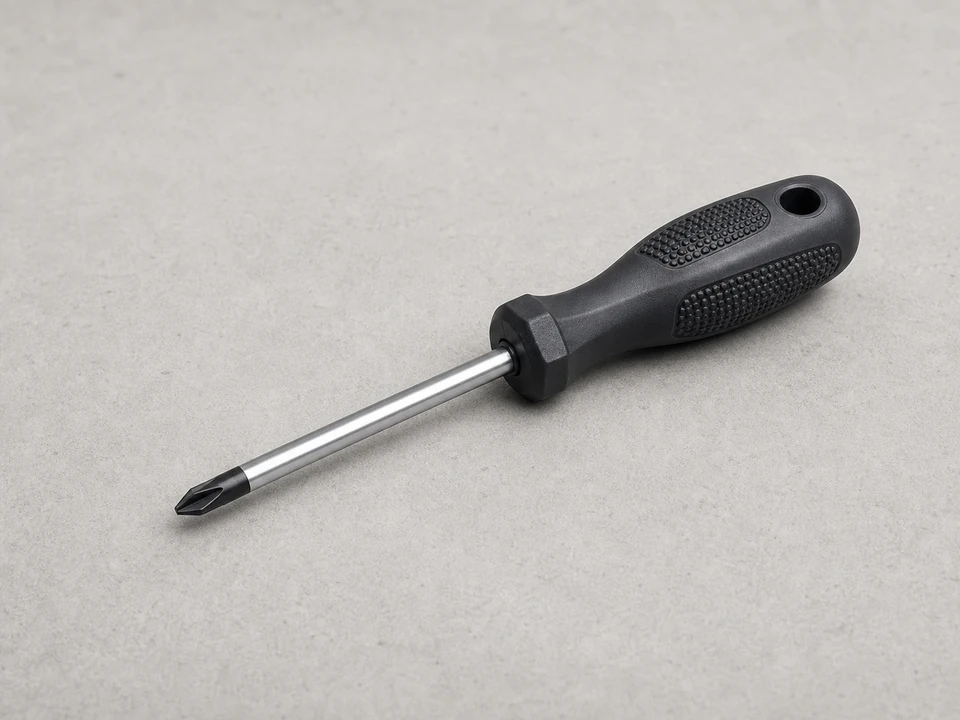
Use it for: To remove covers or screws around the hinge area.
Shop Phillips screwdrivers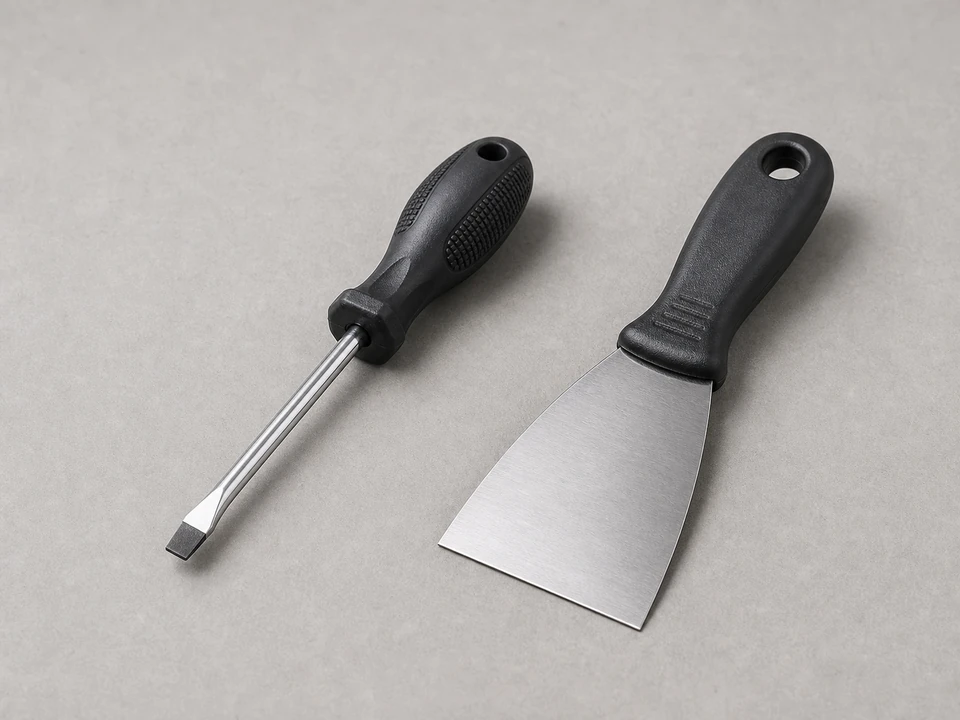
Use it for: To gently lift hinge covers or help slide the old cam free.
Shop flat screwdrivers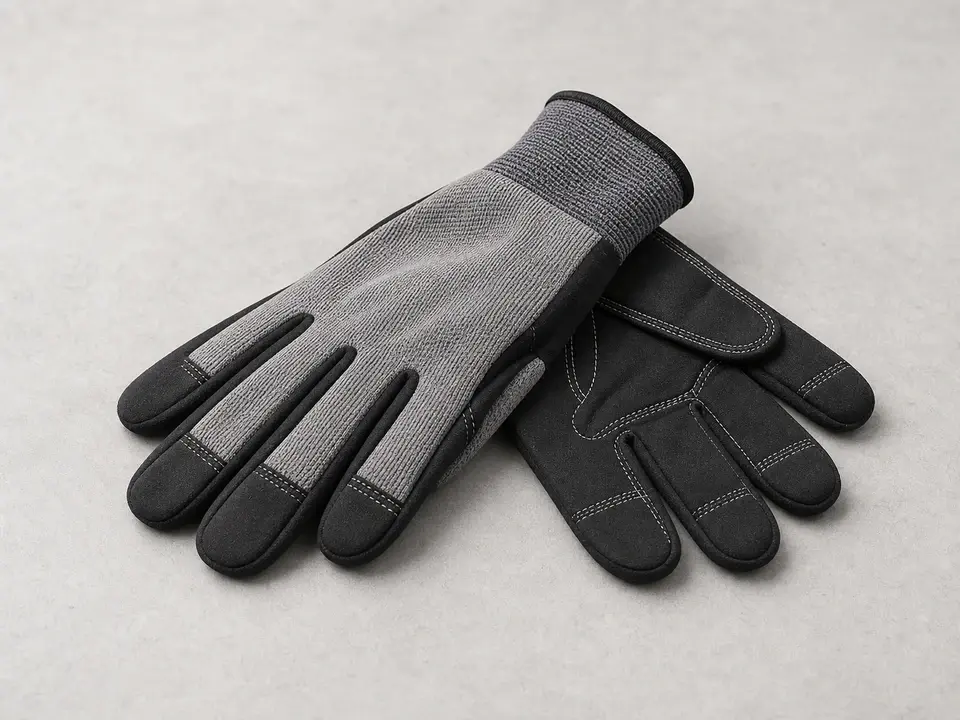
Use it for: To protect your hands from sharp metal edges around the hinge and cabinet.
Shop work gloves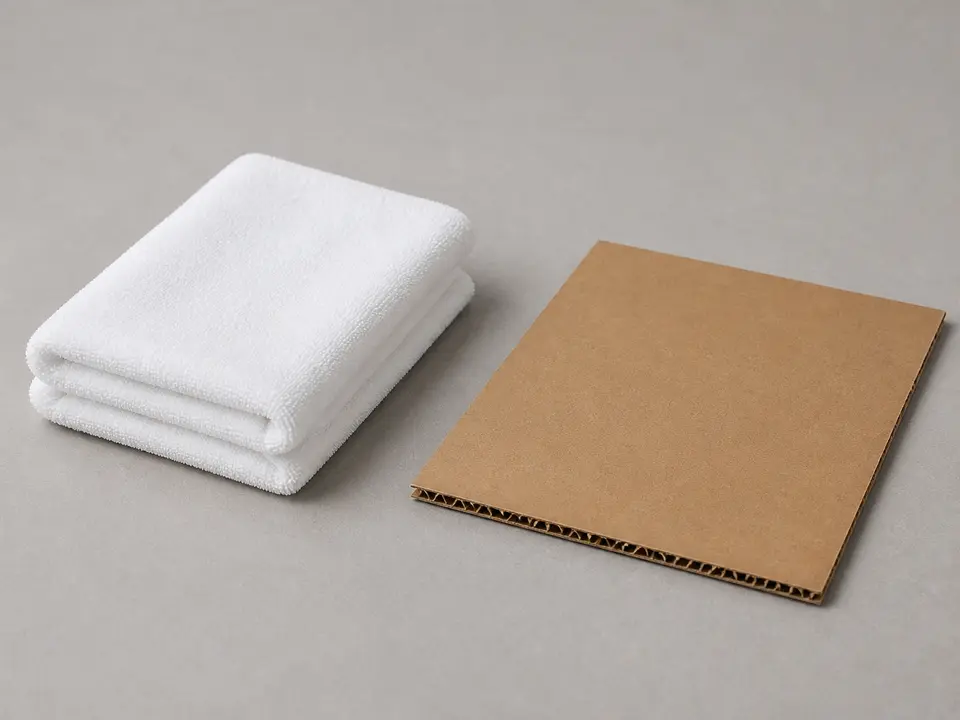
Use it for: To protect the floor and support the door during removal.
Shop floor protection sheetsAs an Amazon Associate I earn from qualifying purchases. Repair Riot may earn a commission at no extra cost to you.
If it works: The door symptoms point to wear at the lower hinge cam area, and replacing the refrigerator door closing cam is a reasonable next step.
If it doesn’t: If the door closes normally but leaks air, inspect the gasket, door alignment, and overloaded door bins instead.
If it works: The door is lighter, the floor is protected, and the door is safely supported before hardware is removed.
If it doesn’t: If you cannot safely support the door, wait until you have a helper.
If it works: The lower hinge area is apart and the old refrigerator door closing cam is removed with its orientation noted.
If it doesn’t: If the cam will not come free, recheck for a hidden fastener, retaining clip, or washer still holding the hinge stack together.
If it works: The new cam is installed in the correct orientation and the hinge hardware is back in place.
If it doesn’t: If the new part does not sit correctly or the door height looks obviously wrong, remove it and compare the stack order again before tightening everything fully.
If it works: The door looks level, the gasket meets the cabinet evenly, and the hinge hardware is secure.
If it doesn’t: If the door still sags after alignment, inspect the upper hinge and door bushings for wear too.
If it works: The door closes smoothly, seals well, and the repair holds under normal use.
If it doesn’t: If the door still will not self-close or seal, the problem may also involve the hinge, door gasket, door alignment, or a worn bushing.
Match the replacement part to your exact refrigerator before ordering.
As an Amazon Associate I earn from qualifying purchases. Repair Riot may earn a commission at no extra cost to you.
It helps lift and guide the door slightly as it opens and closes, which lets the door swing smoothly and pull itself shut near the end.
Common signs are a sagging door, rough movement at the bottom hinge, plastic shavings near the hinge, or a door that no longer self-closes.
If the hinge bracket and pin are still in good shape, replacing just the cam is often enough. If the metal hinge parts are worn, cracked, or loose, those parts may need replacement too.
Usually it is a good idea if you need to move the refrigerator or work close to wiring or trim. If the hinge area is easy to reach and the appliance stays in place, the main safety issue is supporting the door properly.
The door may still be out of alignment, overloaded, or dealing with a worn upper hinge, damaged gasket, or worn door bushing. Recheck the hinge stack order and door level first.