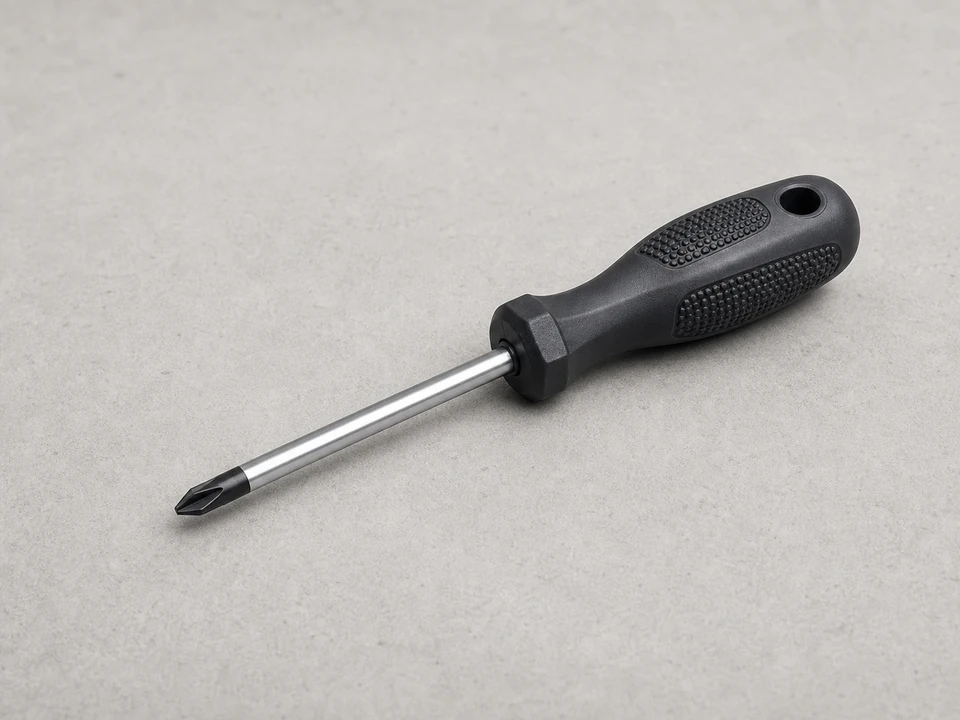
Phillips screwdriver
Use it for: To remove hinge covers, control covers, or mounting screws.
Shop Phillips screwdriverIf the wires running through the refrigerator door have broken, pinched, or lost connection, replacing the refrigerator door wire harness can restore door lights, dispenser controls, ice functions, or door-mounted displays.
This repair is usually done from the top hinge or door connection area. The job is manageable for a careful homeowner, but the door can be awkward to handle and damaged wiring can be sharp, so work slowly and keep the door supported.
Before you start: Match the replacement part to your exact refrigerator before ordering.
Use it for: To remove hinge covers, control covers, or mounting screws.
Shop Phillips screwdriver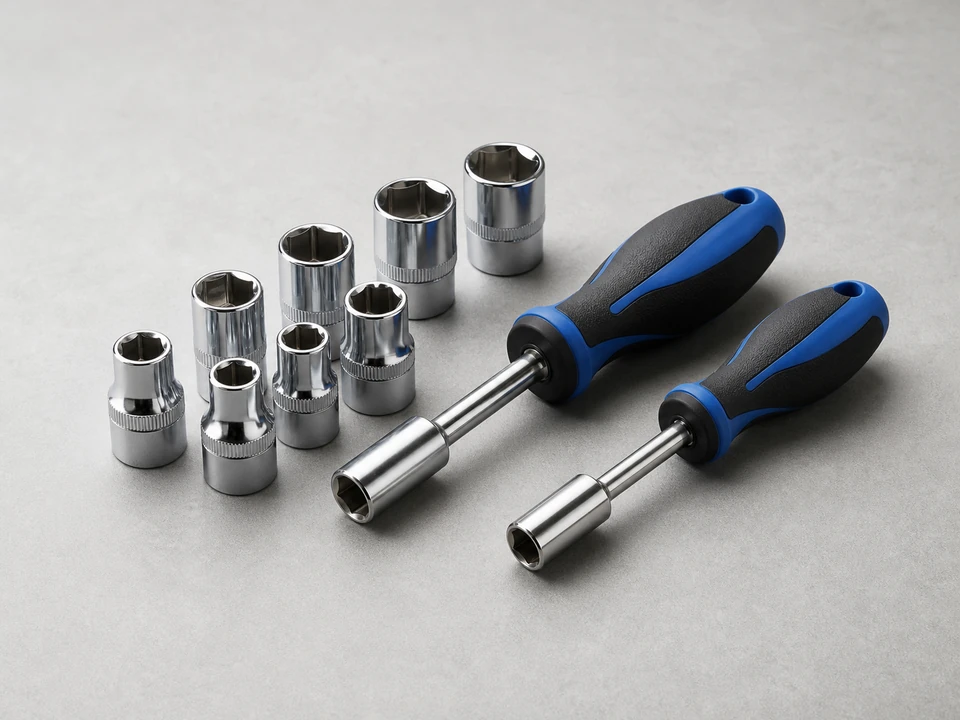
Use it for: Many refrigerator hinge fasteners use hex-head screws instead of Phillips screws.
Shop nut driver set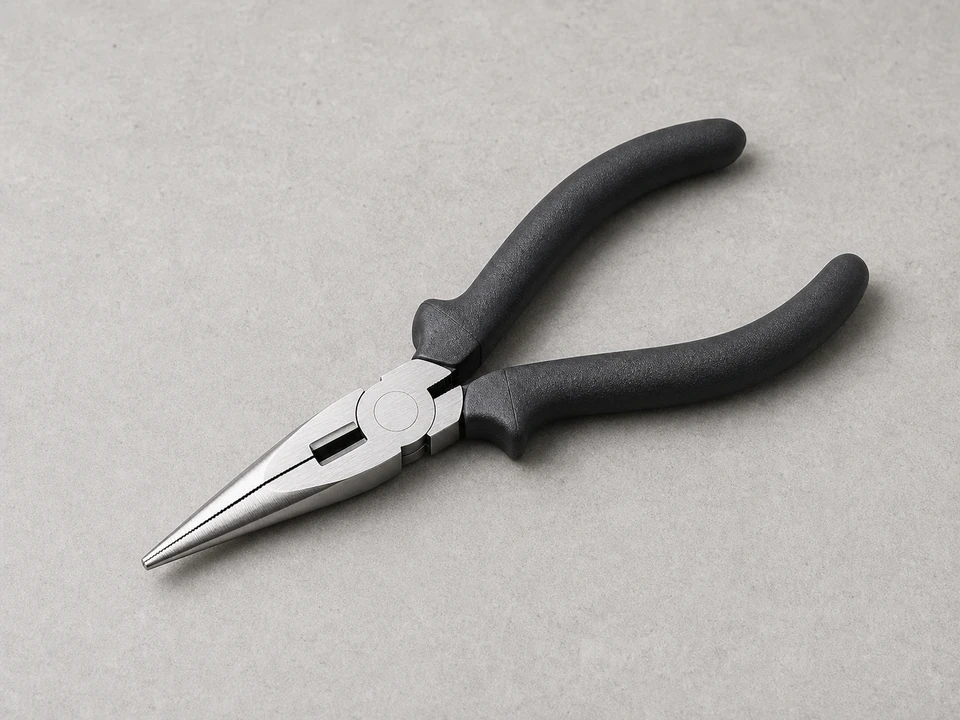
Use it for: To guide connectors, clips, and wire routing without pulling on the wires themselves.
Shop needle-nose pliers
Use it for: To protect your hands from sharp sheet metal edges and damaged wire ends.
Shop work gloves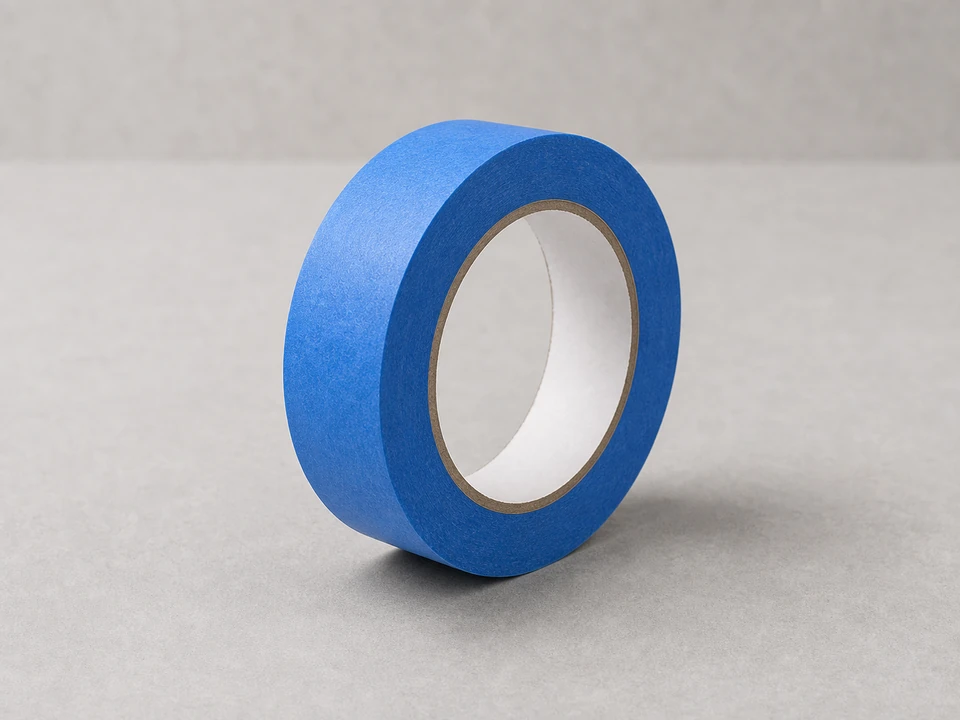
Use it for: To hold trim aside or mark connector positions before you disconnect anything.
Shop painter's tape
Use it for: To support the door if you need to lift or steady it while routing the harness.
Shop shop towelsAs an Amazon Associate I earn from qualifying purchases. Repair Riot may earn a commission at no extra cost to you.
If it works: The problem clearly points to wiring in the door or hinge area, or you can see harness damage.
If it doesn’t: If the problem never changes with door movement and the harness looks intact, the fault may be in a switch, control, dispenser component, or main wiring instead.
If it works: The refrigerator is de-energized and you have safe access to the door connection area.
If it doesn’t: If you cannot safely reach the plug or move the refrigerator without damaging the floor, stop and get help before continuing.
If it works: The old harness is unplugged and loose enough to remove from the door connection path.
If it doesn’t: If the harness will not come free, look again for a hidden clip, retainer, or cover still holding it in place.
If it works: The new harness is fully connected, protected by its clips, and routed like the original.
If it doesn’t: If the new harness does not match the old one closely, recheck the part fit before forcing any connection.
If it works: The refrigerator is powered again and the hinge area is closed up without pinching the new harness.
If it doesn’t: If the cover will not sit flat, remove it and check for a wire routed in the wrong spot.
If it works: The door functions work consistently through repeated opening and closing, and the repair holds during normal use.
If it doesn’t: If the same symptom remains, recheck every connector and consider other door components or the main control circuit as the next likely causes.
Match the replacement part to your exact refrigerator before ordering.
As an Amazon Associate I earn from qualifying purchases. Repair Riot may earn a commission at no extra cost to you.
It carries power and signals between the refrigerator cabinet and the door. Depending on the model, it may serve the dispenser, ice maker functions, door display, switches, or lighting.
A common clue is a problem that changes when the door moves. If lights, dispenser controls, or a door display work intermittently as the door opens and closes, the harness or its connectors are strong suspects.
Sometimes a single damaged wire can be repaired, but a full harness replacement is usually the cleaner and more reliable fix when the wires are flexed at the hinge area or the insulation is cracking in more than one spot.
Not always. Many harness replacements can be done from the hinge or top access area. Some layouts may require extra door support or partial lifting to route the harness, but you should not remove more than the job actually needs.
Then the fault may be elsewhere, such as a door switch, dispenser component, user interface, or main control issue. Recheck every connector first, because a loose plug can mimic a failed part.