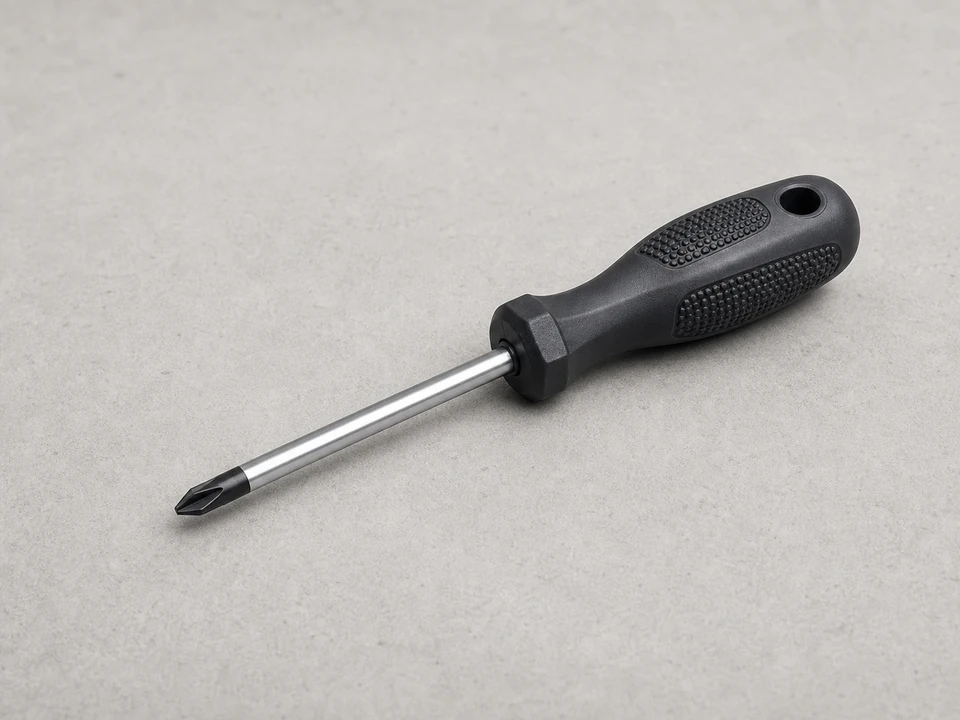
Phillips screwdriver
Use it for: Removes freezer shelves, panel screws, and fan cover screws on many models.
Shop Phillips screwdriversTo replace a refrigerator evaporator fan blade, unplug the refrigerator, remove the freezer's rear interior panel, pull the damaged blade off the evaporator fan motor shaft, install the matching new blade, then reassemble and test for smooth airflow and normal cooling.
This is a good repair when the blade is cracked, loose, rubbing the shroud, or missing fins and the fan motor itself still turns normally. A damaged blade can cause noise, weak airflow, and uneven cooling because it cannot move air across the evaporator the way it should.
Before you start: Match the replacement part to your exact refrigerator before ordering.
Use it for: Removes freezer shelves, panel screws, and fan cover screws on many models.
Shop Phillips screwdrivers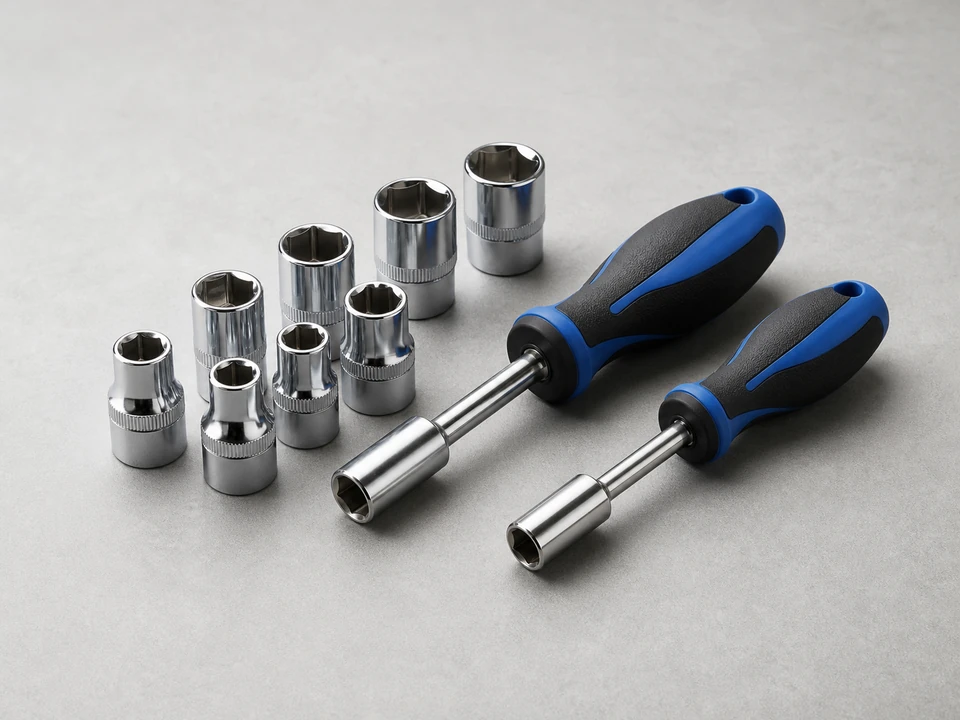
Use it for: Some refrigerators use hex-head screws instead of Phillips screws.
Shop nut driver sets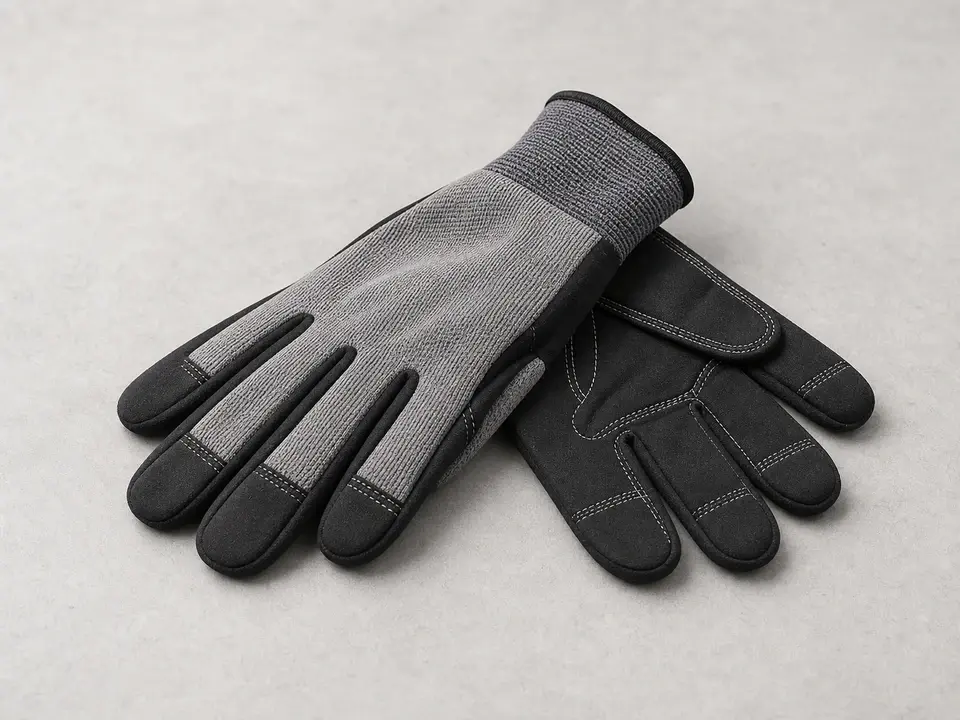
Use it for: Protects your hands from sharp sheet metal edges and cold interior parts.
Shop work gloves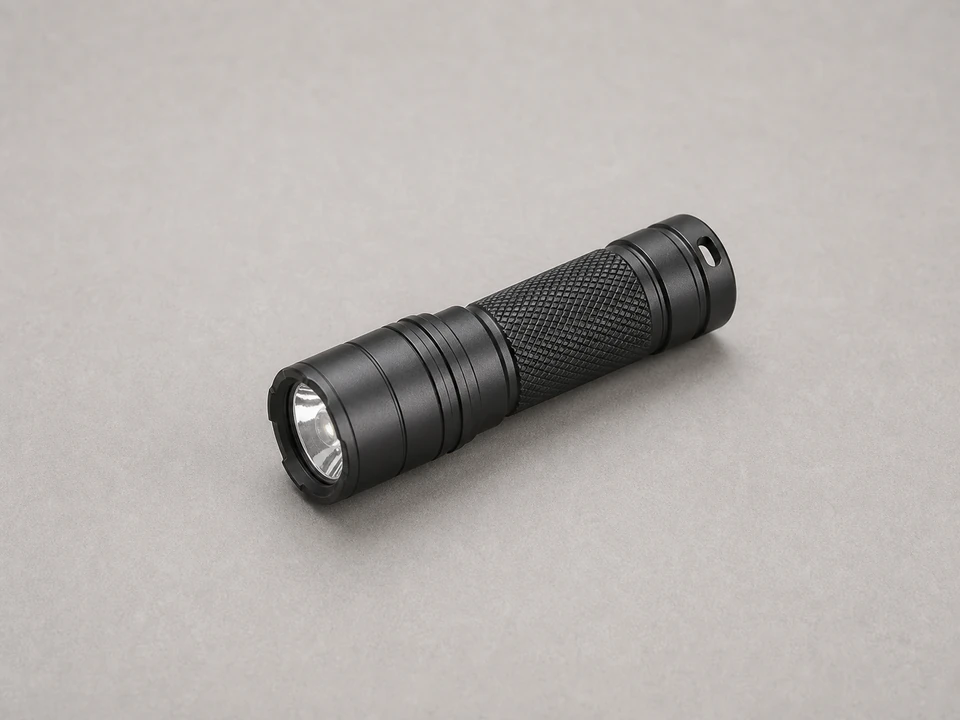
Use it for: Helps you see the fan blade, motor shaft, and any ice or rubbing marks behind the freezer panel.
Shop flashlights
Use it for: Catches melting frost or small drips while the freezer panel is open.
Shop absorbent towelsAs an Amazon Associate I earn from qualifying purchases. Repair Riot may earn a commission at no extra cost to you.
If it works: You have clear signs the evaporator fan blade is damaged, loose, or rubbing and needs replacement.
If it doesn’t: If the blade looks intact and the motor does not run, hums, or has a seized shaft, the problem may be the evaporator fan motor or a frost issue instead of the blade.
If it works: The refrigerator is safely powered down and the rear freezer panel is clear and ready to remove.
If it doesn’t: If a shelf or bin will not come out easily, look for hidden tabs or screws and remove only what is necessary for access.
If it works: The evaporator fan blade and motor shaft are fully visible and accessible.
If it doesn’t: If the panel will not come free, check again for hidden screws or clips and make sure frost is not holding it in place.
If it works: The damaged blade is off and the motor shaft is clean and ready for the replacement.
If it doesn’t: If the blade is stuck, keep working it off gently by hand rather than prying hard against the motor or shroud.
If it works: The new blade is installed securely and spins freely without rubbing.
If it doesn’t: If the blade wobbles, sits crooked, or rubs no matter how you position it, recheck part fit and inspect the motor shaft and bracket alignment.
If it works: The fan runs smoothly, airflow is back, and the refrigerator cools normally without the old noise.
If it doesn’t: If the noise remains or cooling is still weak, the motor, defrost system, or airflow path may also need attention.
Match the replacement part to your exact refrigerator before ordering.
As an Amazon Associate I earn from qualifying purchases. Repair Riot may earn a commission at no extra cost to you.
It often makes a ticking, clicking, rubbing, or fluttering sound. The noise may come and go as the fan speeds up or as the blade hits frost or the housing.
Yes, if the blade is cracked or loose and the motor shaft is straight, secure, and able to spin normally. If the motor is noisy, seized, or not running, the motor may need replacement too.
Common causes are ice buildup, impact during cleaning, plastic fatigue, or a loose hub that lets the blade wobble on the shaft.
Only if frost is blocking access or trapping the panel or blade. You do not need a full manual defrost for every blade replacement, but the area must be clear enough to inspect and work safely.
Match the replacement to your exact refrigerator and compare the old blade's diameter, hub style, and mounting depth before installing it.