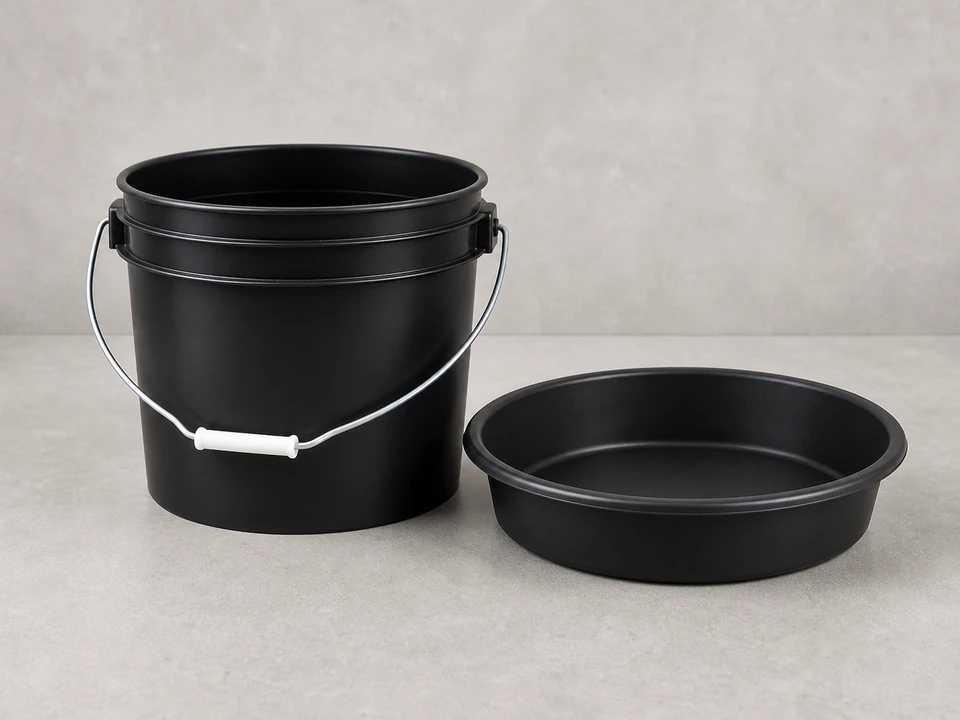
Bucket or shallow pan
Use it for: Catches the water and debris that spill out when the old trap comes apart.
Shop buckets for under-sink workTo replace a sink p trap kit, confirm the trap is the leaking or damaged part, put a bucket under the sink, remove the old trap pieces, dry-fit the new kit, tighten the slip joints evenly, and then run water long enough to make sure it drains cleanly without leaks or sewer smell.
A sink p trap kit is one of the more straightforward plumbing parts to replace, but it has to line up correctly. Most problems come from cracked plastic, worn slip-joint washers, corrosion, or a trap that was bumped out of position. Take your time with the fit, and do not force the pipes together.
Before you start: Match the pipe diameter, inlet and outlet configuration, and trap style before ordering.
Use it for: Catches the water and debris that spill out when the old trap comes apart.
Shop buckets for under-sink work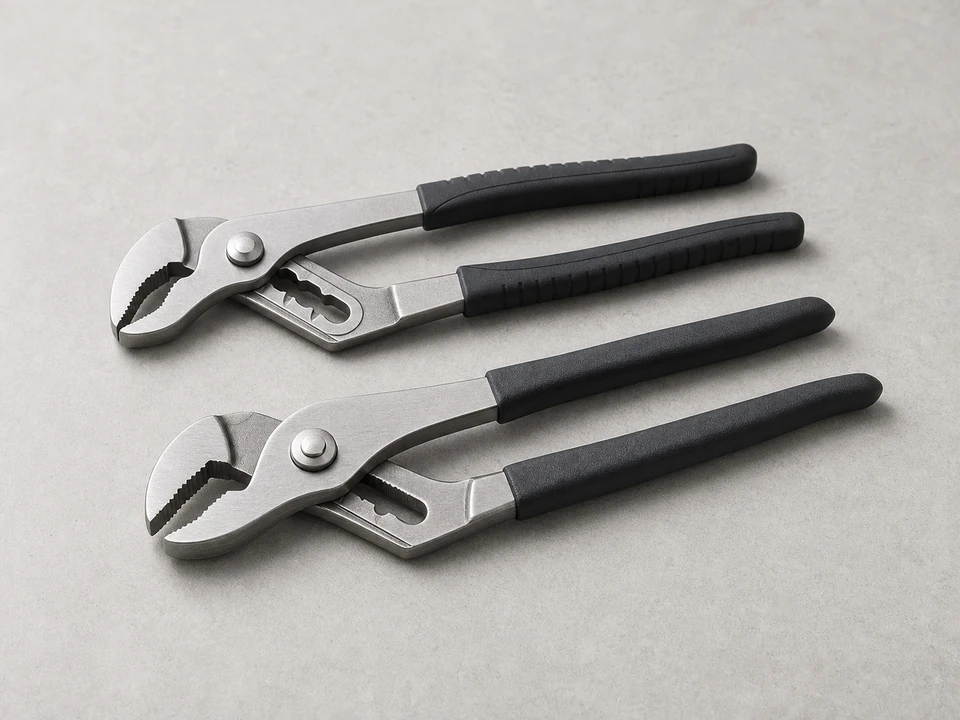
Use it for: Helps loosen stubborn slip nuts and snug them without overdoing it.
Find channel-lock pliers
Use it for: Useful if the trap connects to metal fittings or a threaded adapter that needs support.
Shop adjustable wrenches
Use it for: Lets you wipe joints dry so small leaks are easy to spot during testing.
Get shop towels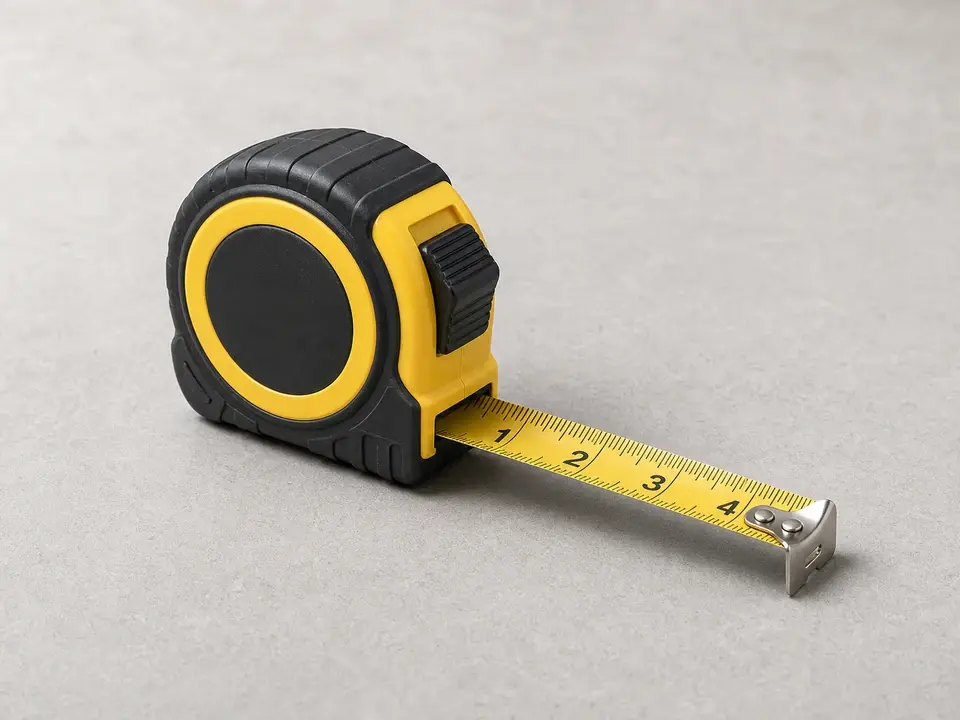
Use it for: Helps confirm the new trap kit matches the existing pipe size and reach.
Find a tape measureAs an Amazon Associate I earn from qualifying purchases. Repair Riot may earn a commission at no extra cost to you.
If it works: You have confirmed the leak, damage, or poor fit is centered on the trap assembly under the sink.
If it doesn’t: Dry everything, run water again, and trace the first point where moisture appears before buying parts or taking the trap apart.
If it works: The old trap assembly is out and the area is ready for the new parts.
If it doesn’t: If a nut will not turn, support the connected pipe with one hand and work it loose gradually instead of twisting the whole drain assembly.
If it works: The new trap kit lines up without forcing the pipes up, down, or sideways.
If it doesn’t: Reposition the trap pieces and check washer direction again. If the alignment is still off, remeasure the pipe size and connection style before continuing.
If it works: The new trap is installed, supported by its own alignment, and all joints are dry and snug.
If it doesn’t: If a nut feels crooked or binds early, back it off and restart it by hand before tightening again.
If it works: The trap drains normally and stays dry during active use.
If it doesn’t: If a joint keeps leaking, take that connection apart, inspect the washer position, and reassemble it squarely instead of just tightening harder.
If it works: The sink drains well, the trap stays dry in normal use, and there is no sewer smell.
If it doesn’t: If moisture returns after several uses, dry the trap again and pinpoint the exact joint or nearby part that is leaking before making another adjustment.
Match the pipe diameter, inlet and outlet configuration, and trap style before ordering.
As an Amazon Associate I earn from qualifying purchases. Repair Riot may earn a commission at no extra cost to you.
Usually no. Most sink p trap kits seal with slip-joint washers, not thread seal tape. Tape on the slip-nut threads usually does not fix a bad washer or poor alignment.
The most common causes are a crooked slip nut, a washer facing the wrong direction, dirt on the sealing surface, or pipes that are being forced out of alignment. Take the leaking joint apart and reassemble it squarely.
It is better to use the new washers that come with the kit if they match the connection. Old washers often flatten out or harden and may not seal well again.
Some kits include sections that can be cut to fit, but only trim parts that are meant to be trimmed. Measure carefully first. If the layout is wrong for your sink, exchange the kit for the correct configuration instead of forcing it.
Not always. A cracked trap or loose joint can let sewer gas out, but odors can also come from a dry trap, a leak at another drain connection, or a venting or drain problem farther in the system.