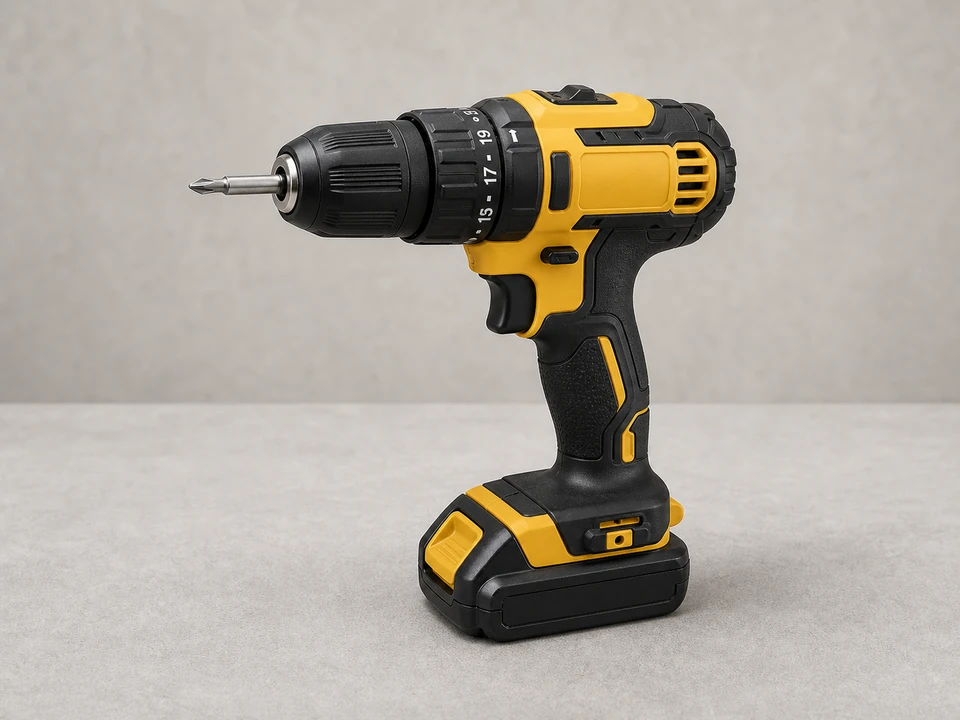
Drill/driver
Use it for: To remove old fasteners and drive the new mounting screws or anchors.
Shop drill/driversTo replace a stair railing post base bracket, first confirm the looseness is coming from the bracket and not the post or surrounding framing, then remove the post, swap in a matching bracket, fasten it to solid material, and test the railing for movement.
A bad base bracket can let the whole railing wobble even when the post itself still looks fine. This repair is manageable for many homeowners, but it only works if the new bracket is anchored into solid structure and the post is not split or rotted.
Before you start: Match the post size, anchor style, and mounting requirements before ordering.
Use it for: To remove old fasteners and drive the new mounting screws or anchors.
Shop drill/drivers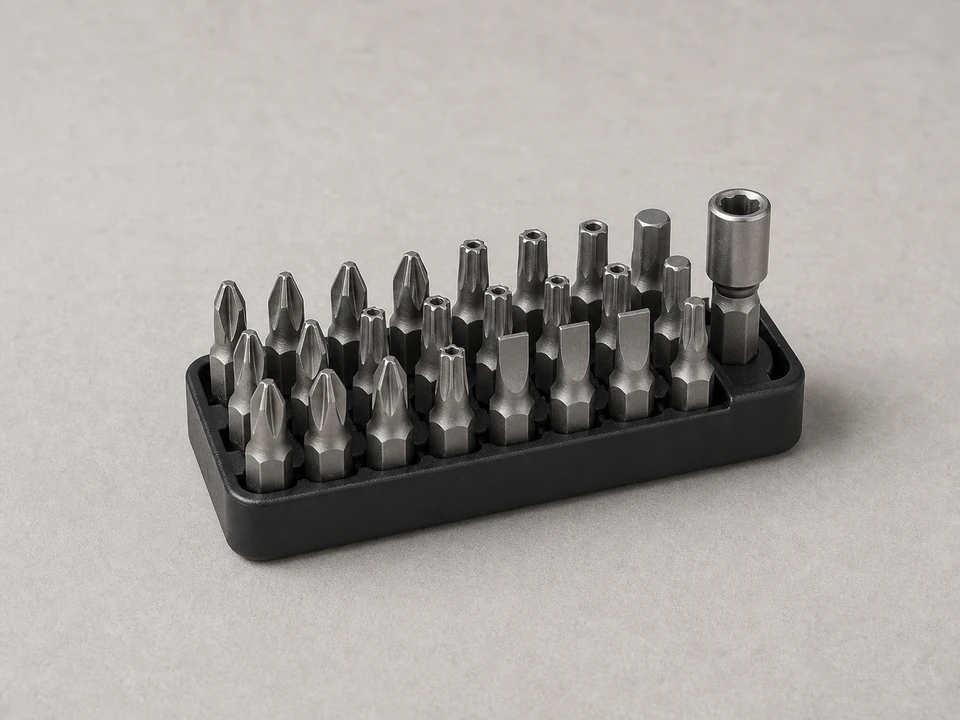
Use it for: To match the screw heads on the old and new bracket hardware.
Shop driver bit sets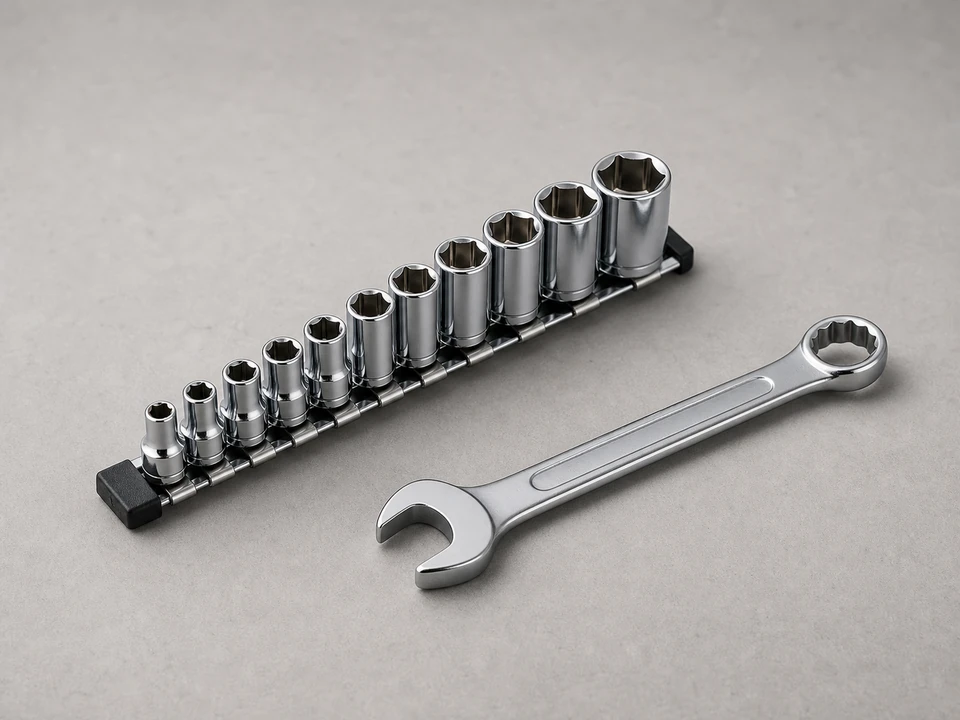
Use it for: To loosen or tighten bolts if the bracket uses nuts and bolts.
Shop socket sets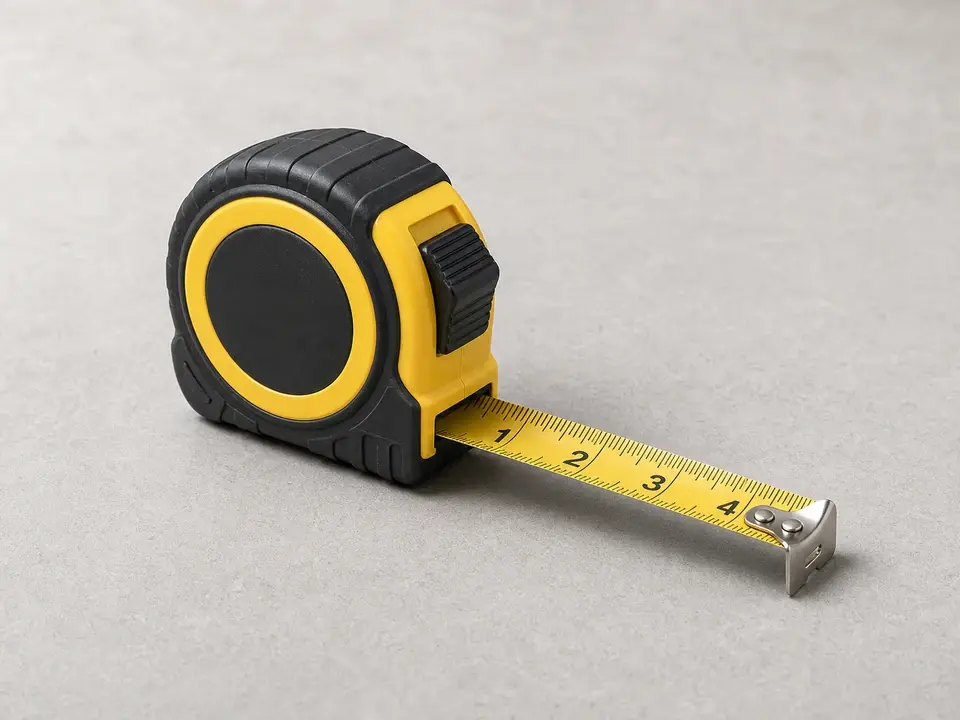
Use it for: To confirm post size and bracket spacing before installation.
Shop tape measures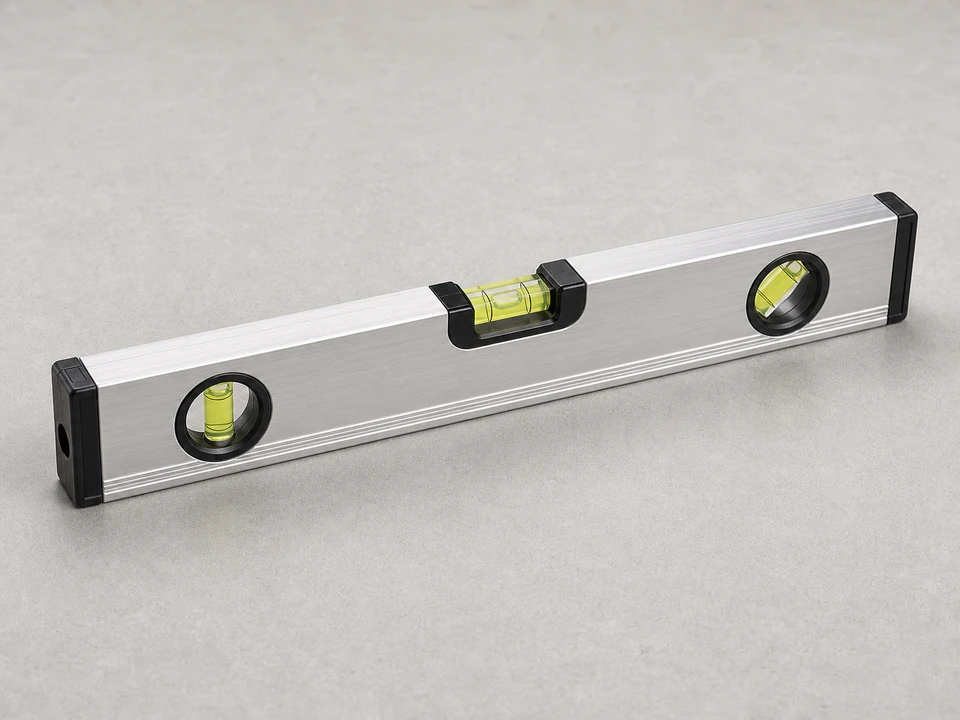
Use it for: To keep the post plumb before final tightening.
Shop levels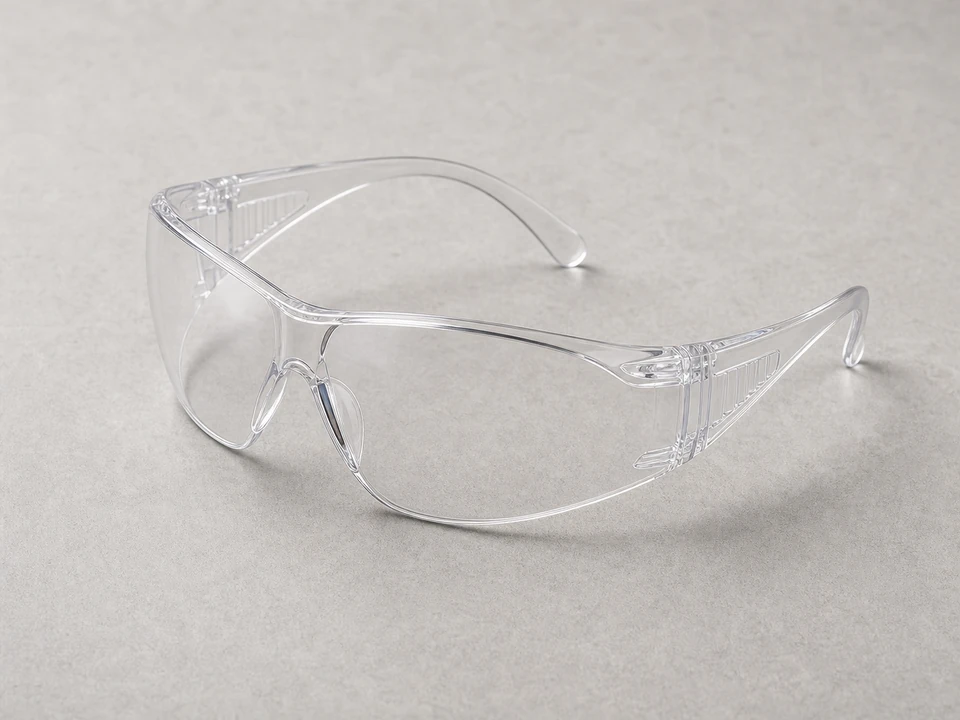
Use it for: To protect your eyes while removing hardware and drilling into wood or masonry.
Shop safety glassesAs an Amazon Associate I earn from qualifying purchases. Repair Riot may earn a commission at no extra cost to you.
If it works: You can see that the looseness starts at the base bracket or its fasteners, and the post is still worth reusing.
If it doesn’t: If the post is damaged, the surrounding wood is soft, or the stair structure is moving, plan for a larger railing repair instead of just replacing the bracket.
If it works: The work area is clear, the railing is supported, and you have a reference for reassembly.
If it doesn’t: If you cannot keep the railing stable while the post is disconnected, pause and add temporary support before removing hardware.
If it works: The post is free from the old bracket without new damage.
If it doesn’t: If the post is stuck, check again for hidden screws, paint buildup, or sealant before forcing it loose.
If it works: The old bracket is off, the surface is clean, and the new bracket matches the post and mounting setup.
If it doesn’t: If the old holes are stripped or the surface is damaged, move to a sound mounting location if the railing layout allows, or repair the substrate before installing the new bracket.
If it works: The new bracket is firmly mounted and the post stands plumb with the railing aligned.
If it doesn’t: If the post leans or the rail no longer lines up, loosen the hardware slightly, reposition the bracket or post, and recheck with the level before final tightening.
If it works: The railing feels solid in normal use and the repaired post base stays still under hand pressure.
If it doesn’t: If the railing still moves, check for looseness at the top rail connections, adjacent posts, or hidden framing damage that the bracket replacement did not address.
Match the post size, anchor style, and mounting requirements before ordering.
As an Amazon Associate I earn from qualifying purchases. Repair Riot may earn a commission at no extra cost to you.
Yes, if the bracket is still straight and firmly attached and the only issue is loose hardware. Replace it when the metal is bent, cracked, rusted through, or no longer holds the post tightly.
Replace the post if the bottom is split, rotted, crushed, or stripped where the bracket fastens to it. A new bracket will not hold well on a damaged post.
You need a bracket that fits the post size and works with the mounting surface and railing layout. Matching the old style usually makes alignment easier, but the key is secure fit and solid anchoring.
Do not reuse weak holes as-is. Move to solid material if possible or repair the substrate first so the new bracket has a strong base.
Often yes, but a helper makes the job safer because someone can steady the railing while you remove and reinstall the post. If the railing is heavy or the stairs are steep, extra help is a good idea.