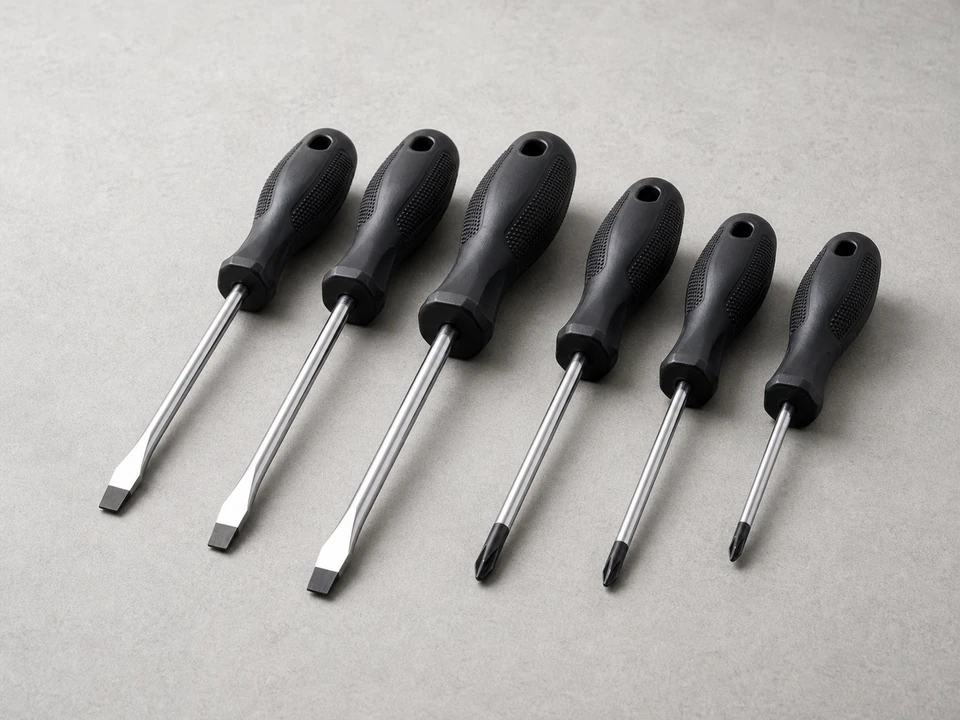
Screwdriver set
Use it for: To remove the old bracket screws and tighten the new hardware without damaging the heads.
Shop screwdriver setsTo replace a stair handrail to post bracket, first confirm the bracket is the loose or broken connection, then remove the old bracket, install a matching replacement into solid material, and test the rail for movement before regular use.
A handrail bracket at the post should hold the rail tight without wobble. If the bracket is bent, cracked, stripped, or pulling loose, replacing it is usually a straightforward repair. The key is making sure the new bracket matches the rail and post connection and that the screws bite into sound wood or other solid backing.
Before you start: Match the post size, anchor style, and mounting requirements before ordering.
Use it for: To remove the old bracket screws and tighten the new hardware without damaging the heads.
Shop screwdriver sets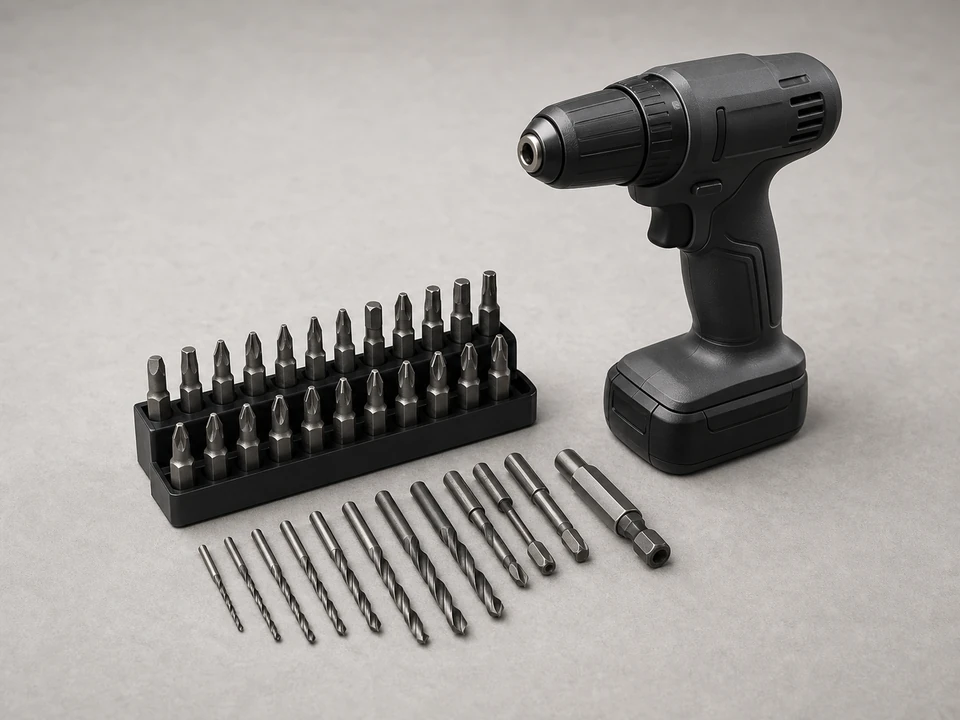
Use it for: To drill pilot holes for the new bracket and drive screws cleanly.
Shop drill and bit sets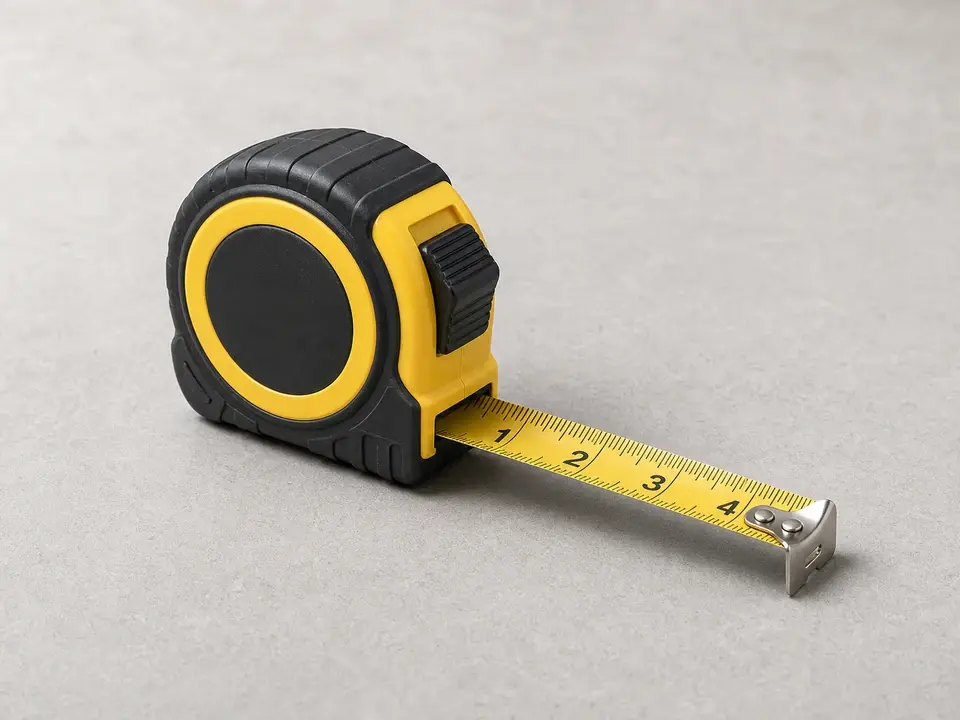
Use it for: To match bracket size and confirm the rail sits in the same position as before.
Shop tape measures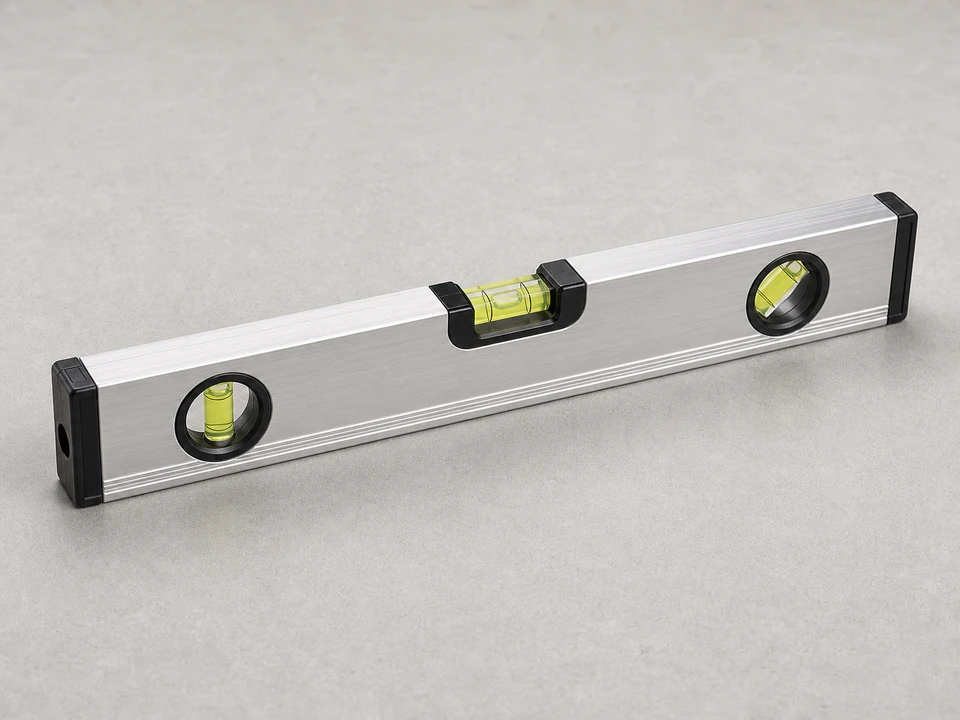
Use it for: To check that the handrail stays aligned after the new bracket is installed.
Shop small levels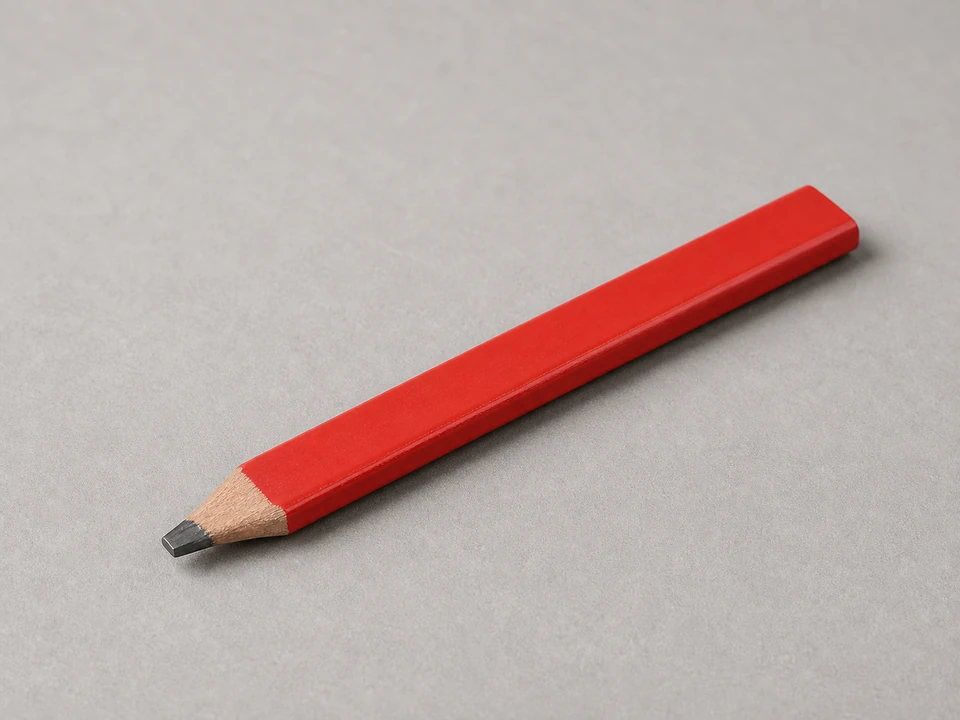
Use it for: To mark screw locations and bracket position before drilling.
Shop carpenter pencils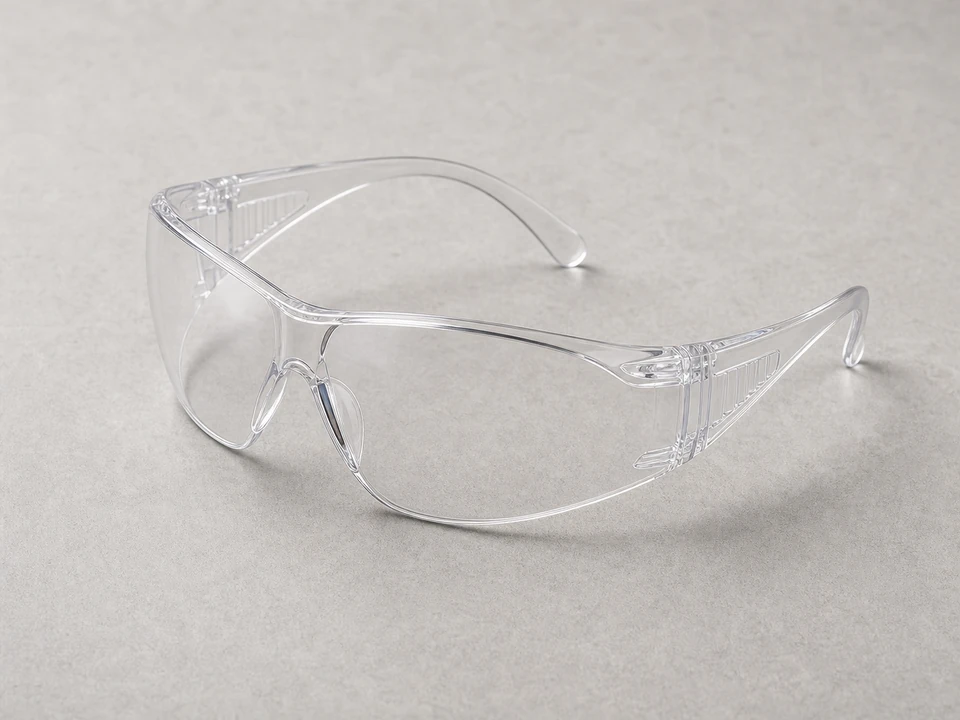
Use it for: To protect your eyes while removing screws and drilling pilot holes.
Shop safety glassesAs an Amazon Associate I earn from qualifying purchases. Repair Riot may earn a commission at no extra cost to you.
If it works: You have confirmed the looseness is coming from the handrail to post bracket or its fasteners, not from a failing post or damaged rail.
If it doesn’t: If the post itself moves, the rail is split, or the looseness comes from another connection, fix that issue first before replacing the bracket.
If it works: The work area is safe, the rail is supported, and you are ready to remove the old bracket without letting the rail drop or twist.
If it doesn’t: If you cannot safely support the rail while the bracket is off, pause and add a helper or temporary support before continuing.
If it works: The old bracket is off and you know whether the original mounting points are still solid enough for the new bracket.
If it doesn’t: If the old holes are stripped but the surrounding wood is sound, shift the bracket slightly if the new bracket allows it, or use fresh pilot holes into solid material.
If it works: The replacement bracket fits the connection and is positioned so the handrail will sit naturally and securely.
If it doesn’t: If the new bracket does not line up with the rail and post without forcing the connection, recheck the bracket style and size before drilling.
If it works: The new bracket is firmly attached, the rail is aligned, and the connection feels tight by hand.
If it doesn’t: If a screw spins without tightening, remove it and relocate that fastener into solid material with a fresh pilot hole.
If it works: The handrail stays solid during normal use, with no visible bracket movement or loosening.
If it doesn’t: If the rail still moves, inspect the post, rail, and nearby connections for a second failure point or replace the bracket with a better-matched style.
Match the post size, anchor style, and mounting requirements before ordering.
As an Amazon Associate I earn from qualifying purchases. Repair Riot may earn a commission at no extra cost to you.
Yes, if the bracket is not bent or cracked and the screws still bite firmly. Replace it when the bracket is damaged, the holes are stripped, or the connection loosens again right away.
A new bracket will only hold if the screws go into solid material. If possible, shift the bracket slightly and drill fresh pilot holes. If the wood is too damaged to hold screws, the post or rail needs repair before the bracket can be trusted.
You need a bracket that matches the connection style, size, and angle closely enough for the rail to sit naturally without force. A bracket that is close in appearance but wrong in offset or mounting pattern can leave the rail loose or misaligned.
Only if they fit the bracket and can safely bite into solid material without poking through or splitting the wood. Longer is not automatically better if the screw diameter, head style, or placement is wrong.
The rail should stay firm when you pull, push, and use it normally on the stairs. If the bracket stays tight but the post or rail still moves, the problem is larger than the bracket and should be repaired before regular use.