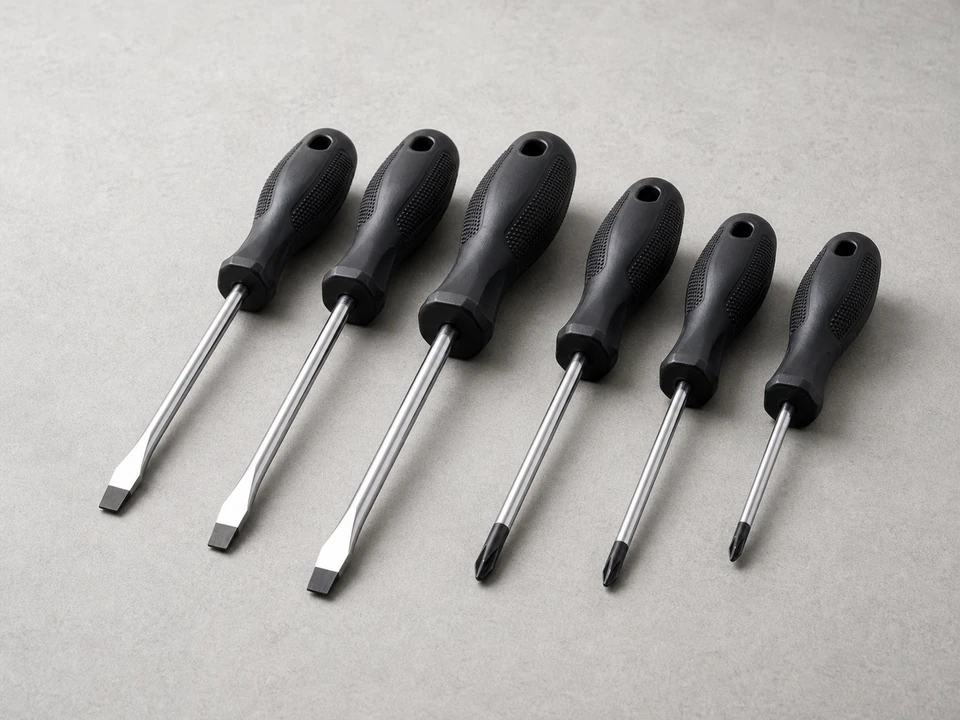
Screwdriver set
Use it for: To remove the old bracket screws and tighten the new bracket without stripping them.
Shop screwdriver setsTo replace a stair handrail wall bracket, first confirm the bracket is the loose or damaged part, support the rail, remove the old bracket, fasten the new bracket into solid backing, then test the rail for movement under normal use.
A handrail bracket is small, but it does important work. If one is bent, cracked, pulling loose, or letting the rail wobble, replacing it is usually a straightforward repair as long as the new bracket fits the rail and the wall connection is still solid.
Before you start: Match the replacement part to your exact stairs railing before ordering.
Use it for: To remove the old bracket screws and tighten the new bracket without stripping them.
Shop screwdriver sets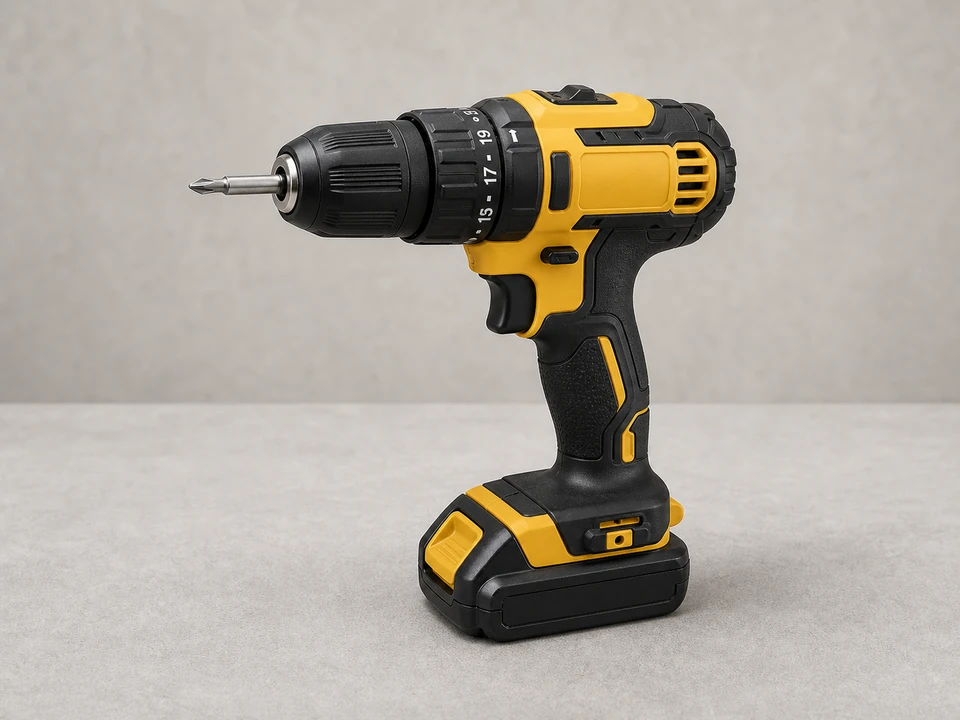
Use it for: To drive mounting screws and make pilot holes if needed.
Shop drill drivers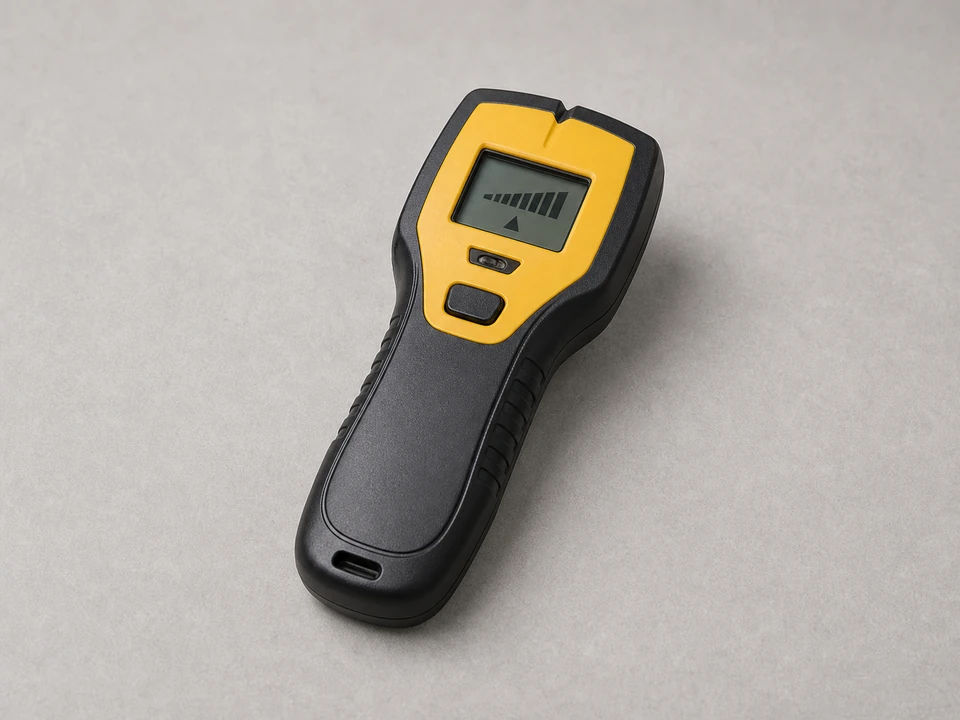
Use it for: To check whether the bracket is fastening into solid framing or just wall surface.
Shop stud finders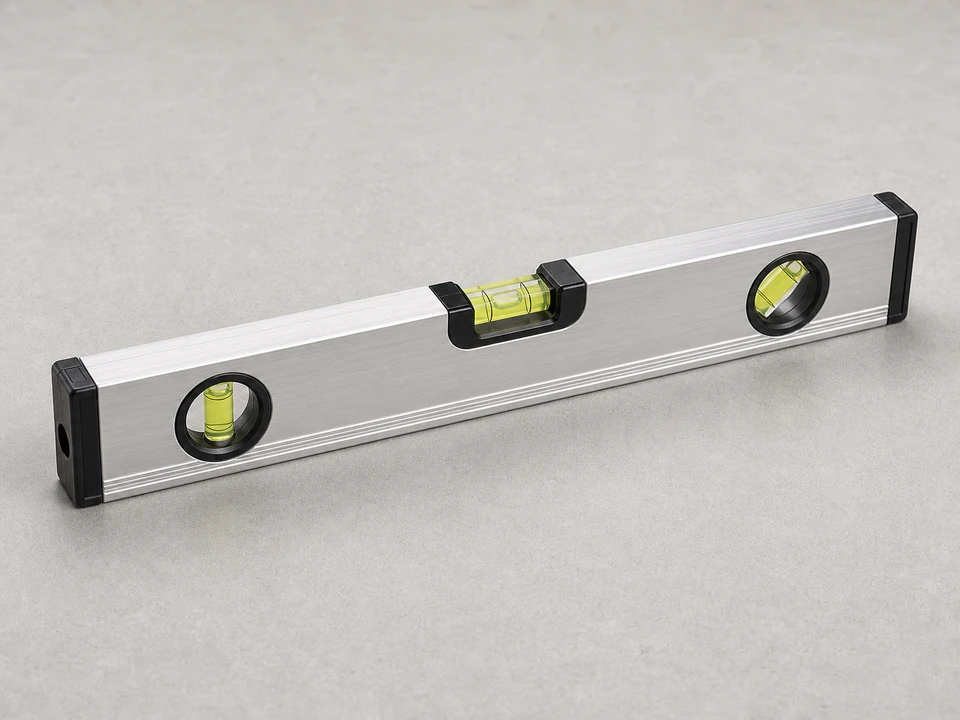
Use it for: To keep the replacement bracket aligned so the rail sits naturally.
Shop small levels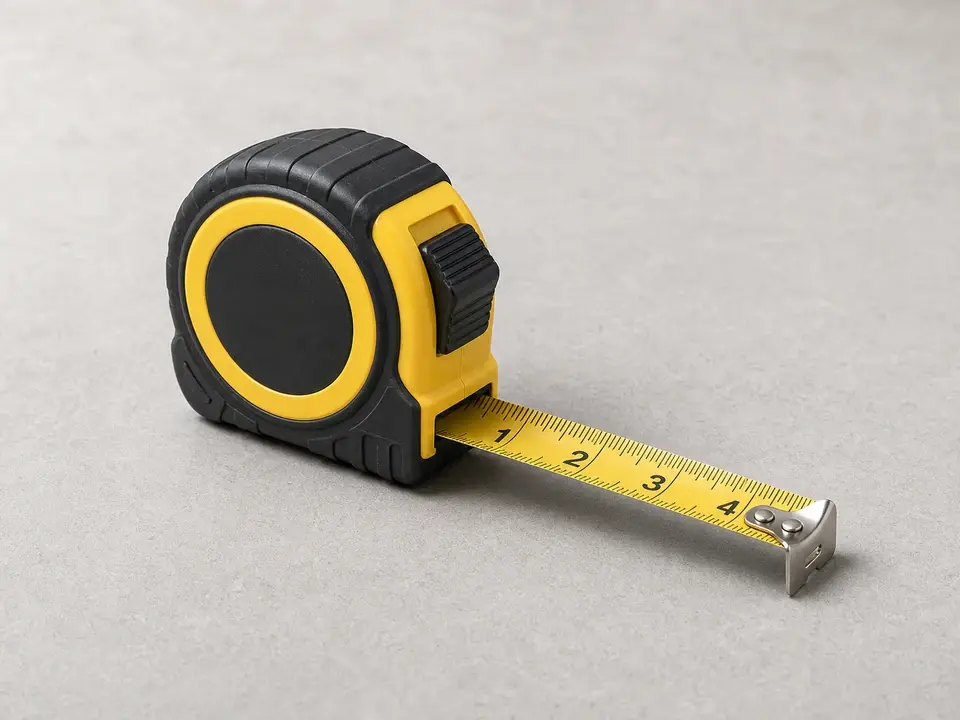
Use it for: To match bracket spacing and setback from the wall.
Shop tape measures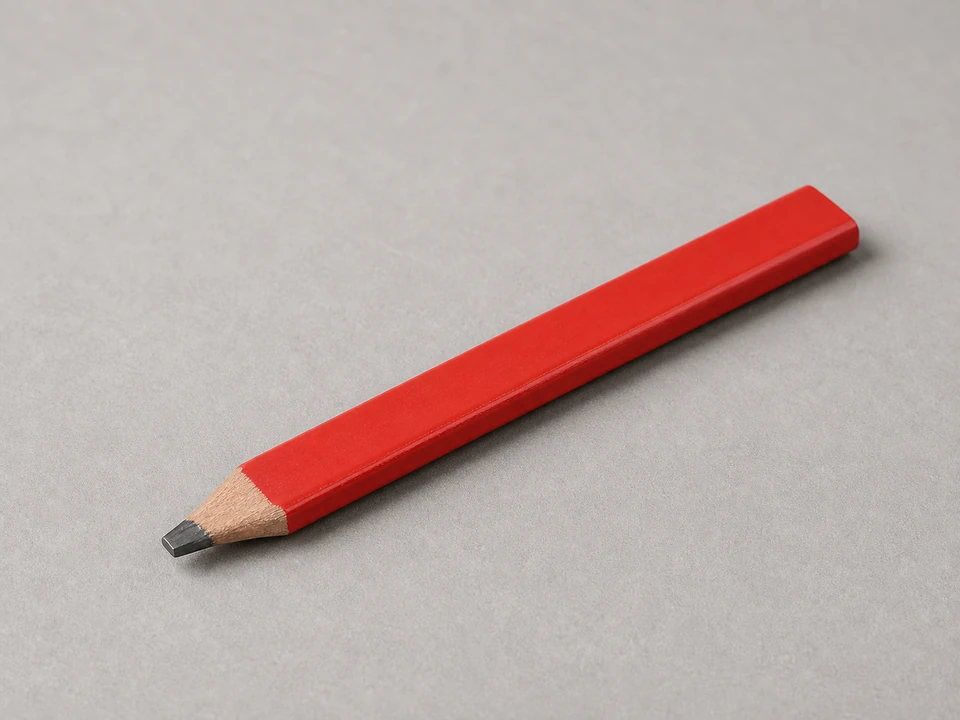
Use it for: To mark screw holes and bracket position before drilling.
Shop carpenter pencilsAs an Amazon Associate I earn from qualifying purchases. Repair Riot may earn a commission at no extra cost to you.
If it works: You have confirmed the wall bracket is damaged or no longer holding securely, and replacing it makes sense.
If it doesn’t: If the rail is solid and the movement is coming from a newel post, baluster, or the rail itself, switch to the repair that matches that part instead.
If it works: The old bracket is off and the handrail is still safely supported.
If it doesn’t: If a screw will not back out, stop forcing it and try a better-fitting driver bit or hand screwdriver for more control.
If it works: The replacement bracket fits the rail and you have clear mounting marks in the right location.
If it doesn’t: If the new bracket does not reach the rail cleanly or changes the rail height noticeably, get a better-matched bracket before drilling new holes.
If it works: The new bracket is mounted tightly and the handrail is seated on it without obvious gaps or twist.
If it doesn’t: If the screws spin without tightening, move to a solid fastening point or repair the mounting surface before relying on the bracket.
If it works: The handrail looks even, the bracket sits flush, and nothing shifts when touched by hand.
If it doesn’t: If the rail still sits out of line, loosen the screws slightly, reposition the bracket, and retighten before testing.
If it works: The handrail stays solid during normal use and the new bracket holds without movement.
If it doesn’t: If the rail still wobbles, inspect the neighboring brackets and the wall connection points for a second loose fastening point.
Match the replacement part to your exact stairs railing before ordering.
As an Amazon Associate I earn from qualifying purchases. Repair Riot may earn a commission at no extra cost to you.
Yes, if the other brackets are solid and the handrail itself is in good shape. If more than one bracket is loose, inspect the whole rail before assuming one bracket is the only issue.
Match the bracket's reach, mounting style, and rail contact shape to the old one. The rail should sit naturally on the new bracket without being pushed up, down, or sideways.
A stripped hole means the bracket may not hold safely where it was. The better fix is to fasten into solid backing or repair the mounting area before trusting the new bracket.
Usually yes, especially if the old screws are bent, rusty, or stripped. Use screws that fit the new bracket properly and hold firmly in the mounting surface.
Another bracket may be loose, the handrail may be cracked, or the wall connection may be weak. A new bracket cannot make the rail solid if the surrounding parts are failing.