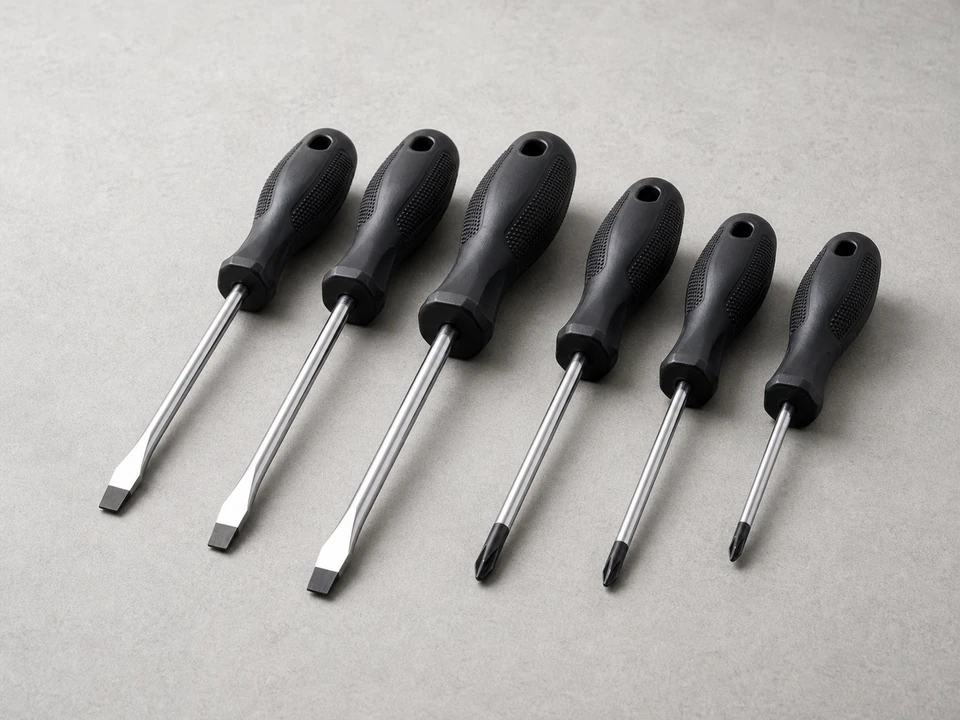
Screwdriver set
Use it for: To remove the old bracket screws and install the new ones without stripping the heads.
Shop screwdriver setsTo replace a stair handrail bracket, confirm the bracket is the loose or broken part, remove the rail from that support, fasten a matching new bracket into solid backing, then reattach and test the rail so it stays firm under normal use.
This is a manageable repair if the wall and rail are still sound. The key is not just swapping hardware, but making sure the new bracket is anchored into solid wood backing or a stud so the handrail can actually carry weight.
Before you start: Match the bracket style, wall offset, screw hole pattern, rail shape, and mounting method before ordering so the new bracket supports the rail at the same height and reach.
Use it for: To remove the old bracket screws and install the new ones without stripping the heads.
Shop screwdriver sets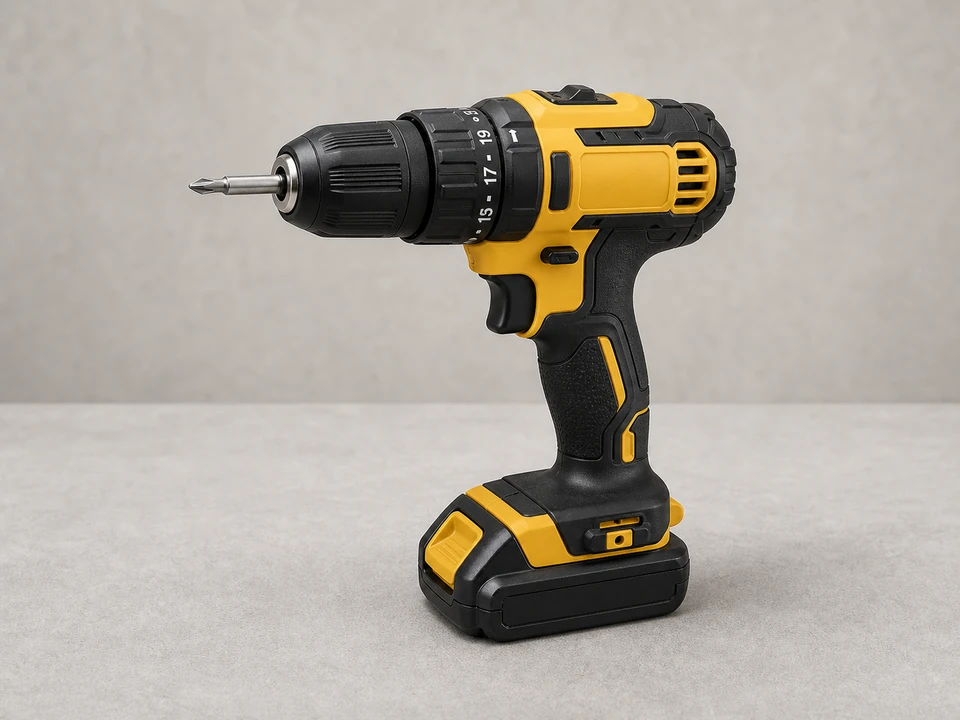
Use it for: To drill pilot holes and drive mounting screws into solid backing.
Shop drill/drivers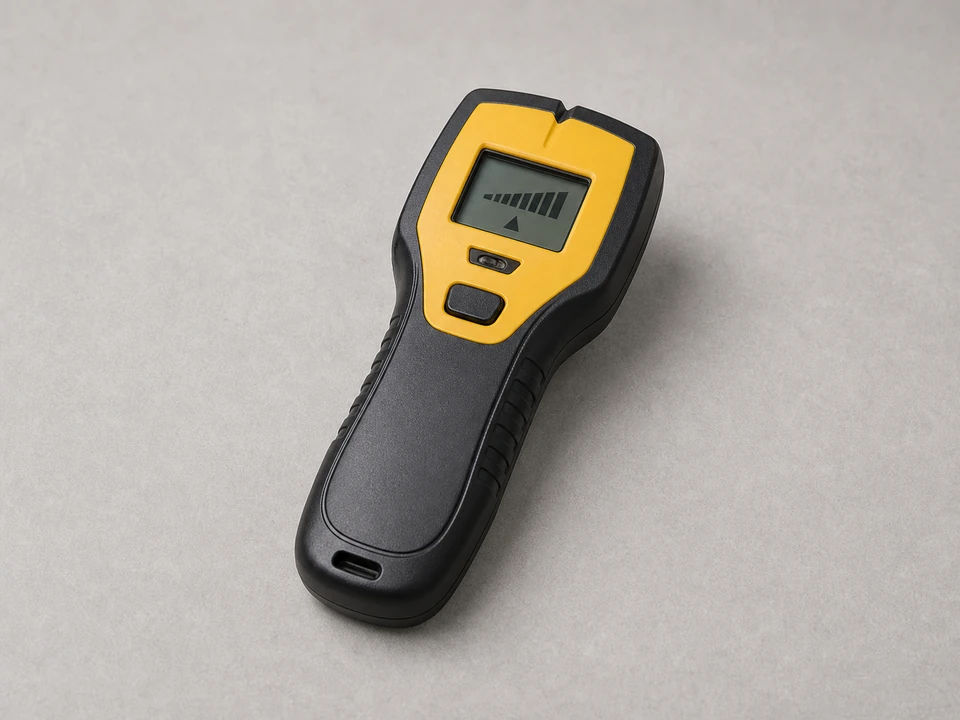
Use it for: To check whether the bracket location lines up with a wall stud or other solid backing.
Shop stud finders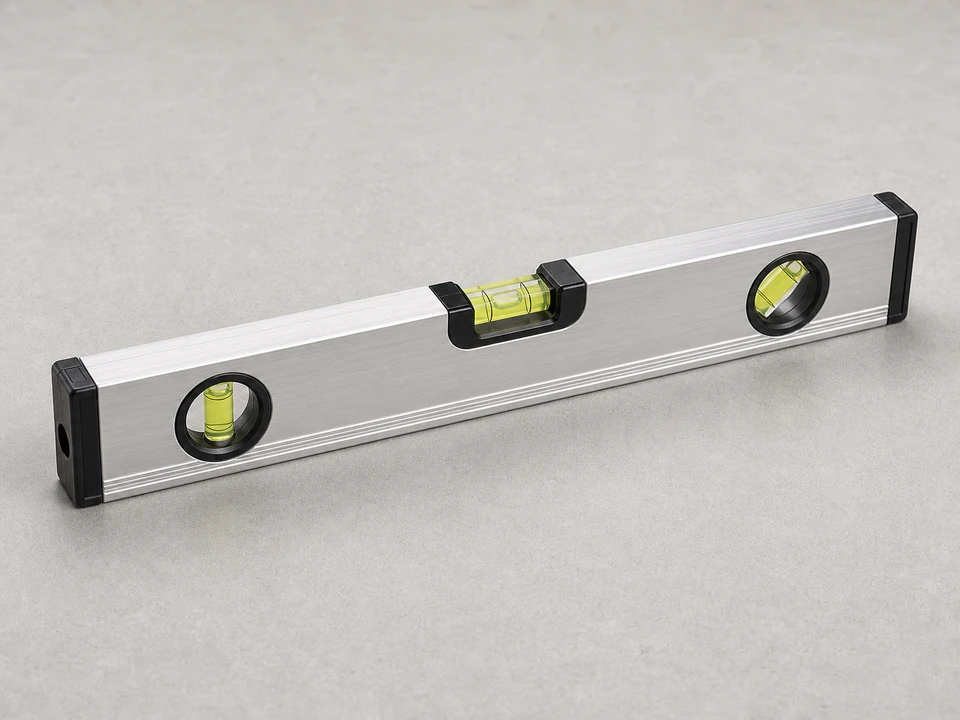
Use it for: To keep the bracket and rail aligned with the rest of the handrail run.
Shop small levels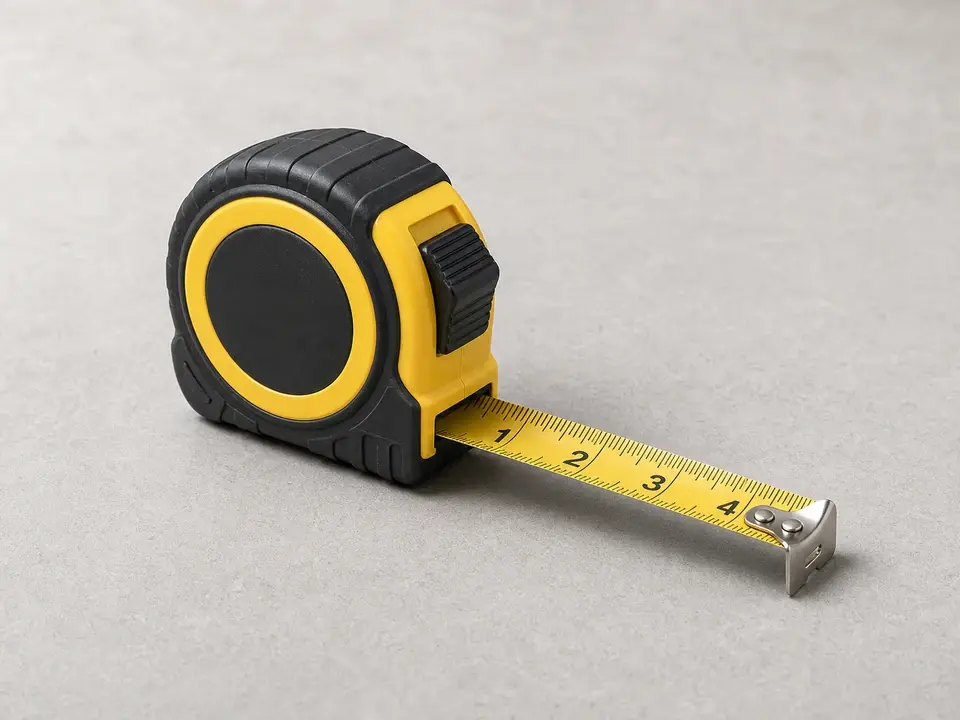
Use it for: To match bracket spacing and keep the rail at the same position.
Shop tape measures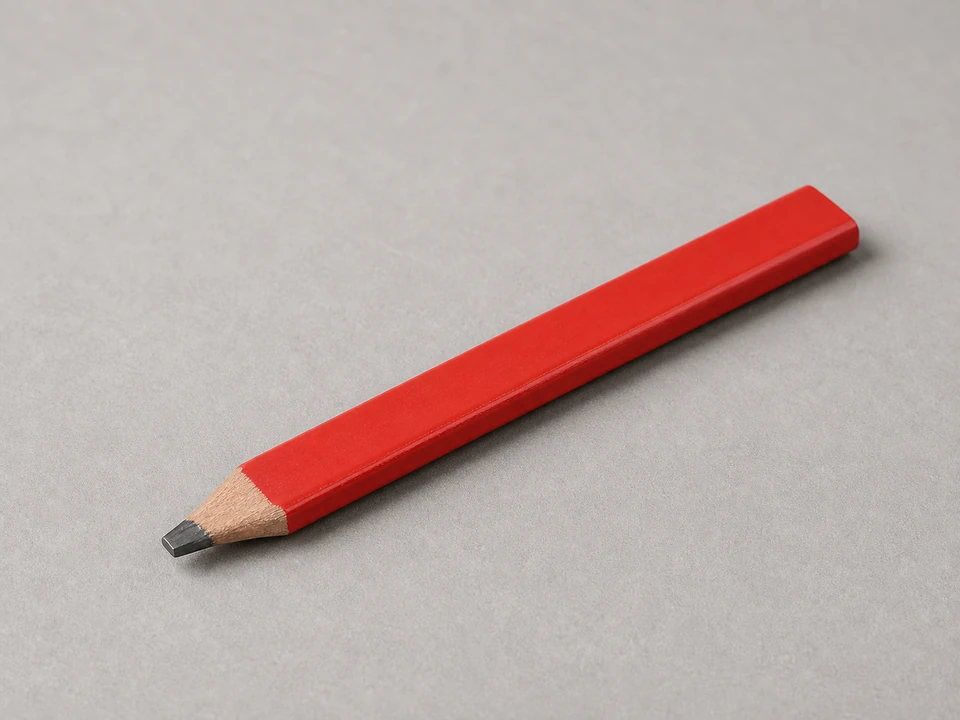
Use it for: To mark screw holes and bracket position before drilling.
Shop carpenter pencilsAs an Amazon Associate I earn from qualifying purchases. Repair Riot may earn a commission at no extra cost to you.
If it works: You know the bracket is the failed part and you have a clear match for the replacement.
If it doesn’t: If the rail itself is split, the wall is crumbling, or multiple brackets are loose, plan for a broader railing repair instead of replacing just one bracket.
If it works: The damaged bracket is unloaded and the rail is supported so you can remove the hardware safely.
If it doesn’t: If the rail will not separate from the bracket cleanly, look for a hidden screw on the underside or inside the bracket cup before forcing it.
If it works: The old bracket is off and you know whether the new bracket can be mounted into solid backing at that spot.
If it doesn’t: If the old location does not have solid backing, shift to the nearest solid mounting point that still keeps the rail aligned, or use a repair approach that restores solid backing before reinstalling the bracket.
If it works: The new bracket is solid on the wall and lines up with the handrail run.
If it doesn’t: If the bracket rocks or the screws will not tighten, remove it and correct the mounting point before attaching the rail.
If it works: The handrail is reattached and the new bracket is carrying its share of the load.
If it doesn’t: If the screw holes in the rail are stripped or enlarged, move the rail connection slightly if the bracket allows, or repair the rail attachment point before relying on it.
If it works: The rail feels solid during normal use and the bracket stays tight against both the wall and the handrail.
If it doesn’t: If the rail still moves, inspect the adjacent brackets, the rail itself, and the wall backing to find the remaining weak point.
Match the bracket style, wall offset, screw hole pattern, rail shape, and mounting method before ordering so the new bracket supports the rail at the same height and reach.
As an Amazon Associate I earn from qualifying purchases. Repair Riot may earn a commission at no extra cost to you.
Yes, if the rail is sound and the other brackets are still solid. If several brackets are loose or the rail itself is damaged, fix the larger problem instead of treating one bracket as the only issue.
You need solid backing, which is often a stud but can also be wood blocking behind the wall. A handrail bracket should not depend on drywall alone for strength.
Do not reuse stripped holes as-is. Move to solid backing nearby if you can keep the rail aligned, or repair the mounting area so the new screws bite into sound material.
Only if they are straight, not stripped, and still the right length for the new bracket and solid backing. Many bracket replacements go better with fresh screws in good condition.
Match the bracket style, wall offset, hole pattern, and the way it attaches to the handrail. The rail should sit at the same height and angle as the other brackets when installed.