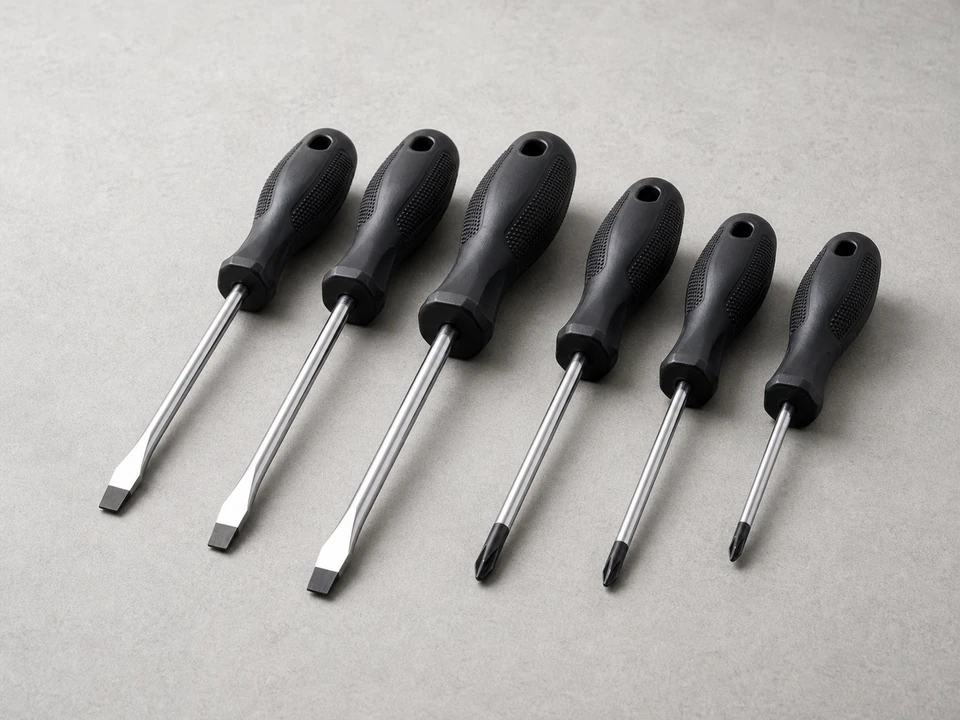
Screwdriver set
Use it for: To remove the front cover and the thermostat mounting screws.
Shop screwdriver setsTo replace a tankless water heater thermostat, shut off power to the unit, remove the access cover, swap the thermostat with a matching replacement, reconnect the wires the same way they came off, and test the heater under normal hot water use.
A failed thermostat can keep a tankless water heater from heating correctly, cycling normally, or holding the set temperature. This job is manageable for many homeowners if you work carefully, keep the wiring organized, and stop if you find burned wiring, water inside the cabinet, or signs the problem is somewhere else.
Before you start: Match the replacement part to your exact water heater before ordering.
Use it for: To remove the front cover and the thermostat mounting screws.
Shop screwdriver sets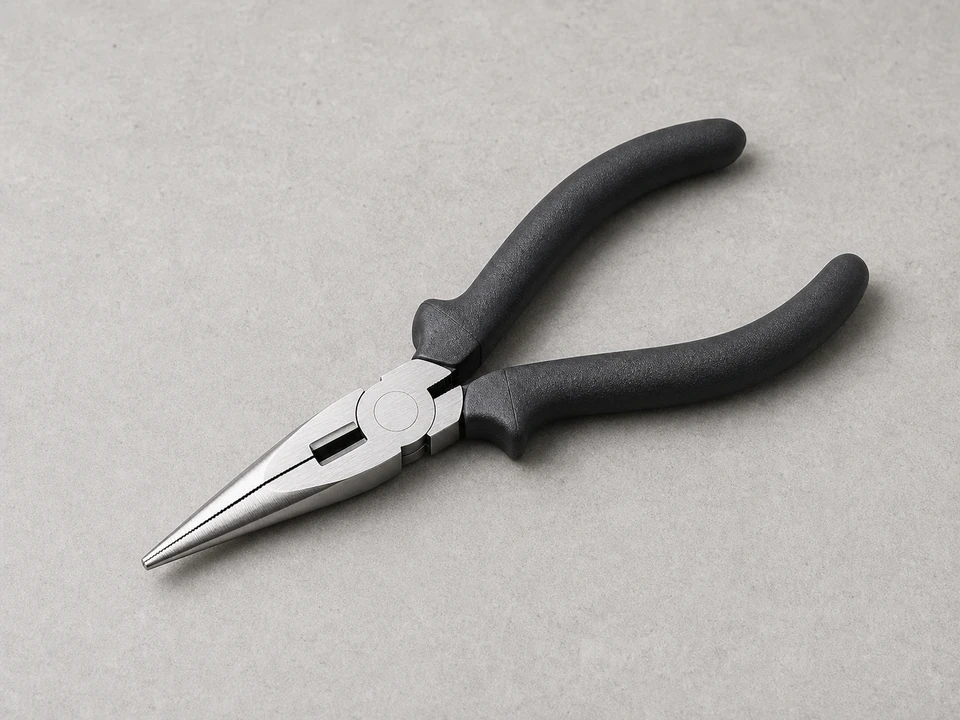
Use it for: To pull small wire connectors off the thermostat without damaging them.
Shop needle-nose pliers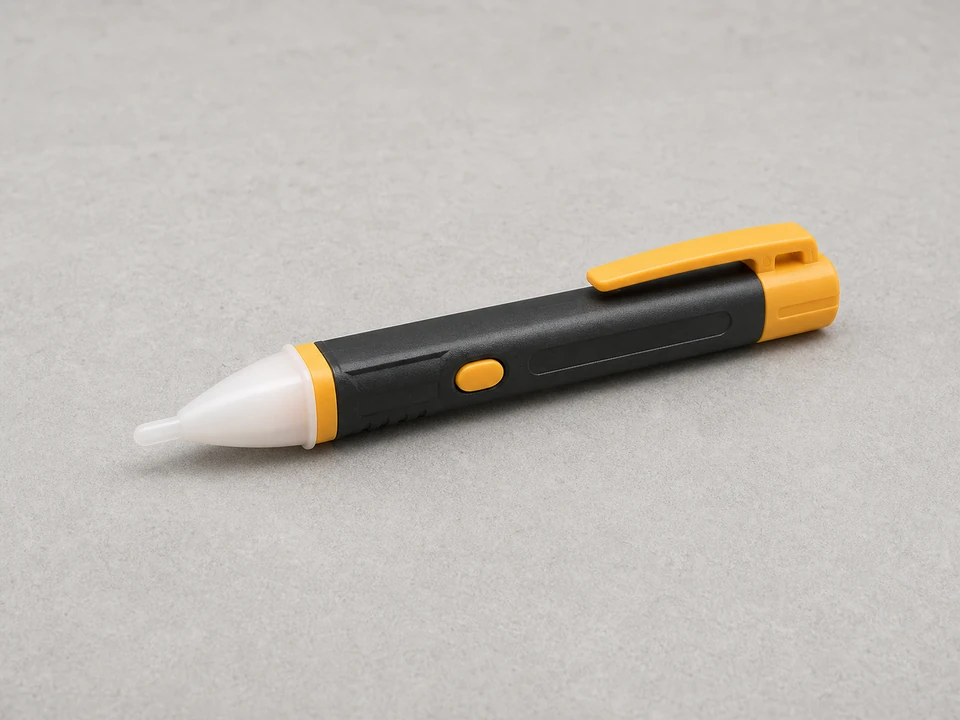
Use it for: To confirm power is off before you touch wiring inside the unit.
Shop non-contact voltage testers
Use it for: To take a clear reference photo of the wire layout before disconnecting anything.
Shop phone tripods and holdersAs an Amazon Associate I earn from qualifying purchases. Repair Riot may earn a commission at no extra cost to you.
If it works: You have a matching replacement part and the symptoms still point to the thermostat rather than a simple setting or reset issue.
If it doesn’t: If the heater starts working after a reset or setting change, hold off on replacement and monitor it through a few normal hot water cycles.
If it works: The cover is off and you have safe access to the internal components with power confirmed off.
If it doesn’t: If you cannot confidently confirm power is off, do not continue until the circuit is identified and shut down correctly.
If it works: You know exactly where the thermostat sits and how each wire is connected.
If it doesn’t: If the wiring layout is confusing, take more photos from different angles before removing any connectors.
If it works: The old thermostat is out and the new part matches it closely enough to install in the same location.
If it doesn’t: If the new part does not match once the old one is out, pause the repair and use the old part details to order the correct replacement.
If it works: The new thermostat is mounted securely and all wires are back in their original positions.
If it doesn’t: If a connector feels loose, remove it and reseat it before closing the unit.
If it works: The heater starts, heats water normally, and maintains a steady temperature during real hot water use.
If it doesn’t: If the heater still does not heat correctly, recheck the wire connections and part match. If those are correct, the fault is likely elsewhere in the heater.
Match the replacement part to your exact water heater before ordering.
As an Amazon Associate I earn from qualifying purchases. Repair Riot may earn a commission at no extra cost to you.
A bad thermostat can cause no heat, unstable water temperature, or a heater that does not respond normally to a hot water call. It is still worth ruling out power issues, reset needs, and other fault codes before replacing it.
Usually this repair focuses on electrical access, so the key step is shutting off power. If your unit layout puts the thermostat near an area that could leak or if the manufacturer's instructions for your model require more isolation, stop and follow the unit documentation.
Many homeowners can if they are comfortable shutting off power, opening the cabinet, and reconnecting wires exactly as found. If the wiring is damaged, the diagnosis is unclear, or the unit shows signs of overheating or leaking, it is better to call a pro.
Then the thermostat was likely not the only issue. Recheck the wire placement and confirm the replacement part matches the unit. If those are correct, the problem may be with another control, sensor, flow-related part, or the heater's power supply.
Intermittent temperature problems can come from a thermostat, but they can also come from loose wiring, scale buildup, flow issues, or other controls. If the problem is occasional, confirm the symptoms carefully before replacing parts.