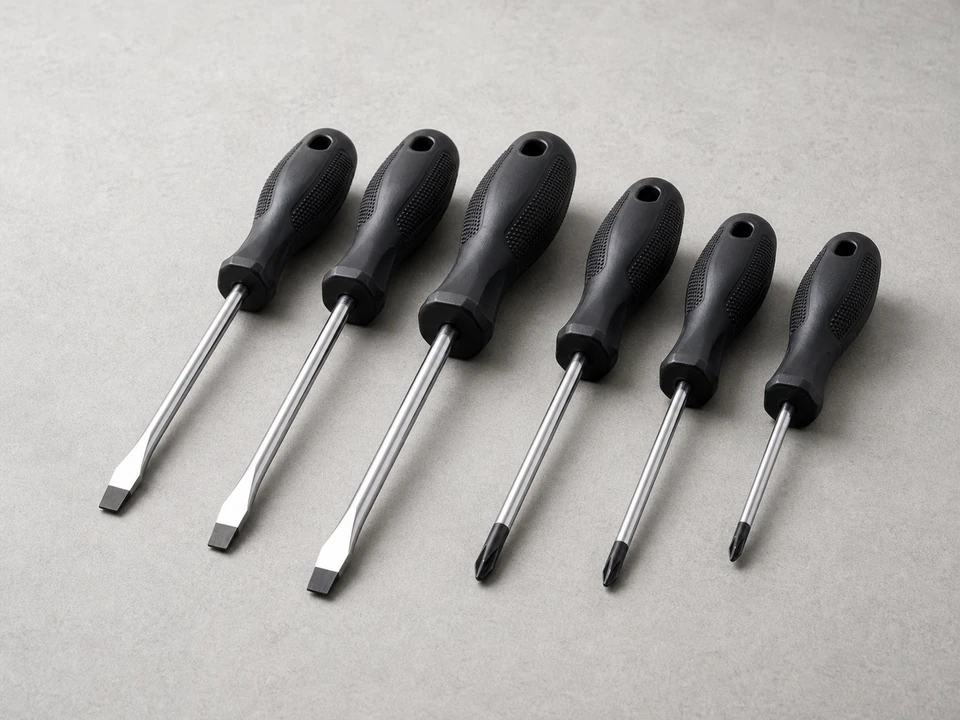
Screwdriver set
Use it for: Removes handle screws, trim screws, and access covers.
Shop screwdriver setsTo replace a tub faucet cartridge, shut off the water, remove the handle and trim, pull out the old cartridge, install the matching new one in the same orientation, then reassemble and test for smooth flow and full shutoff.
A worn cartridge can cause hard turning, dripping, uneven temperature, or weak flow at the tub spout. This repair is usually straightforward if you work carefully and use the exact replacement.
Before you start: Match the cartridge shape, stem pattern, and fixture compatibility before ordering.
Use it for: Removes handle screws, trim screws, and access covers.
Shop screwdriver sets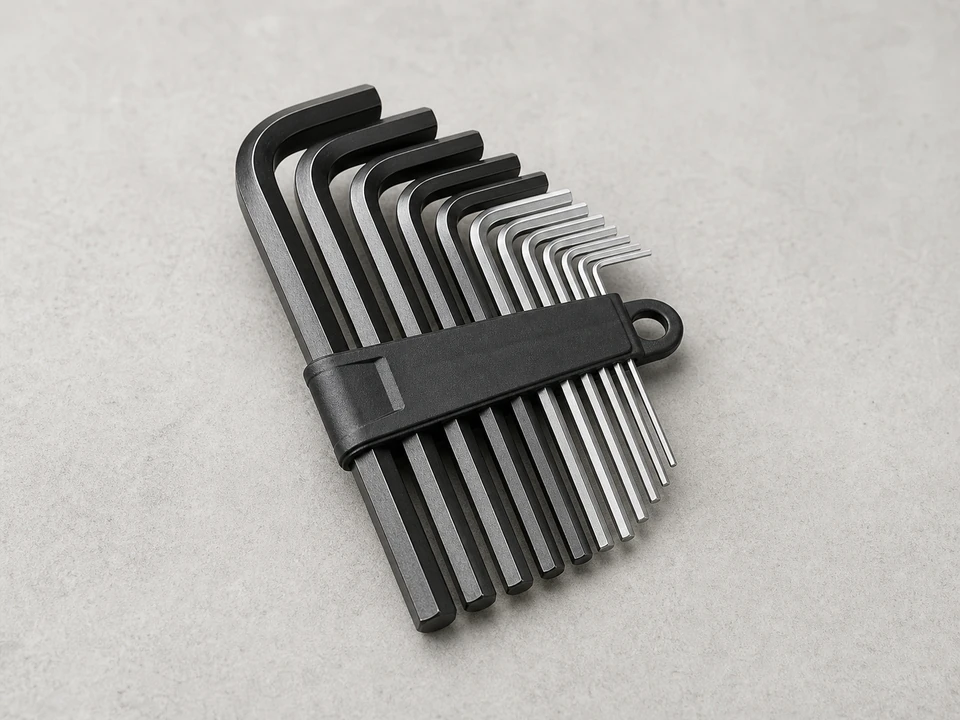
Use it for: Loosens hidden set screws on many tub faucet handles.
Shop Allen key sets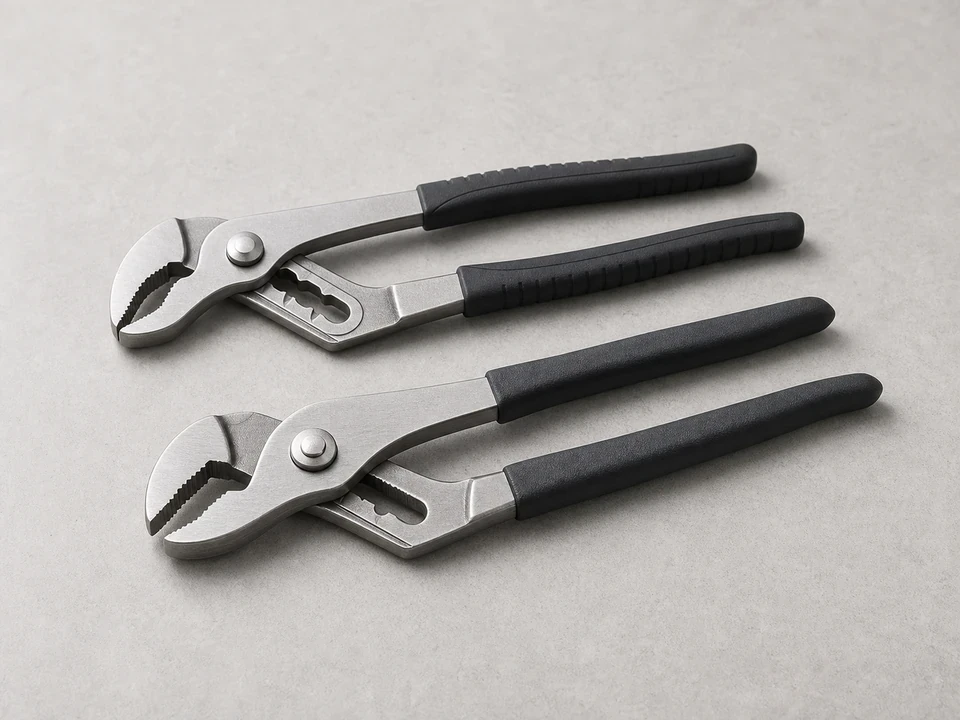
Use it for: Helps remove retaining clips, nuts, or stubborn trim pieces.
Shop adjustable pliers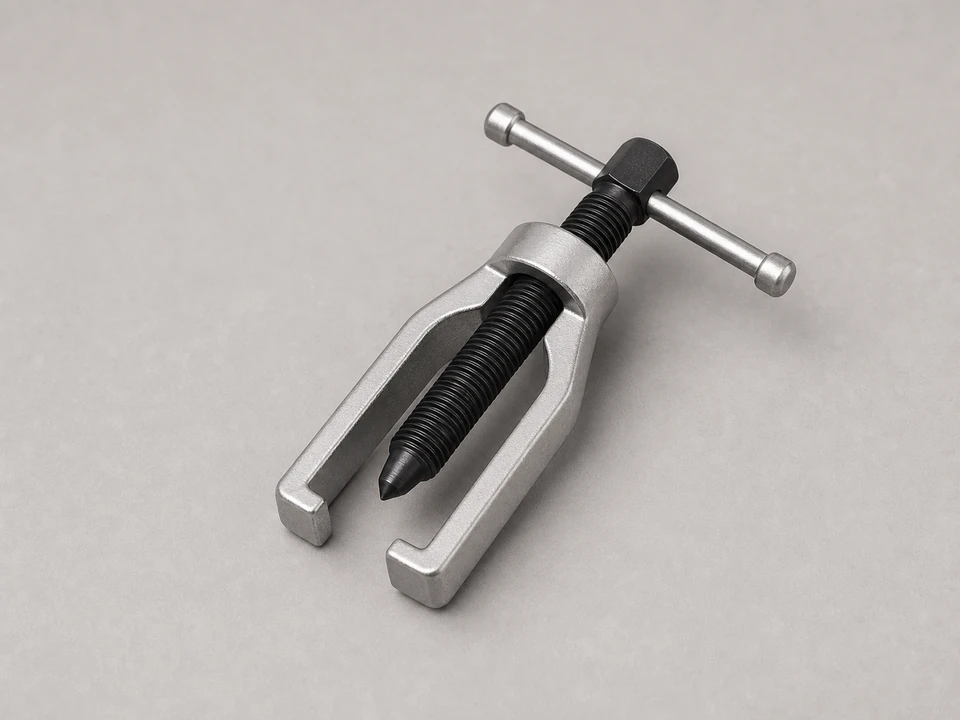
Use it for: Helps extract a stuck cartridge without twisting the valve body.
Shop cartridge pullers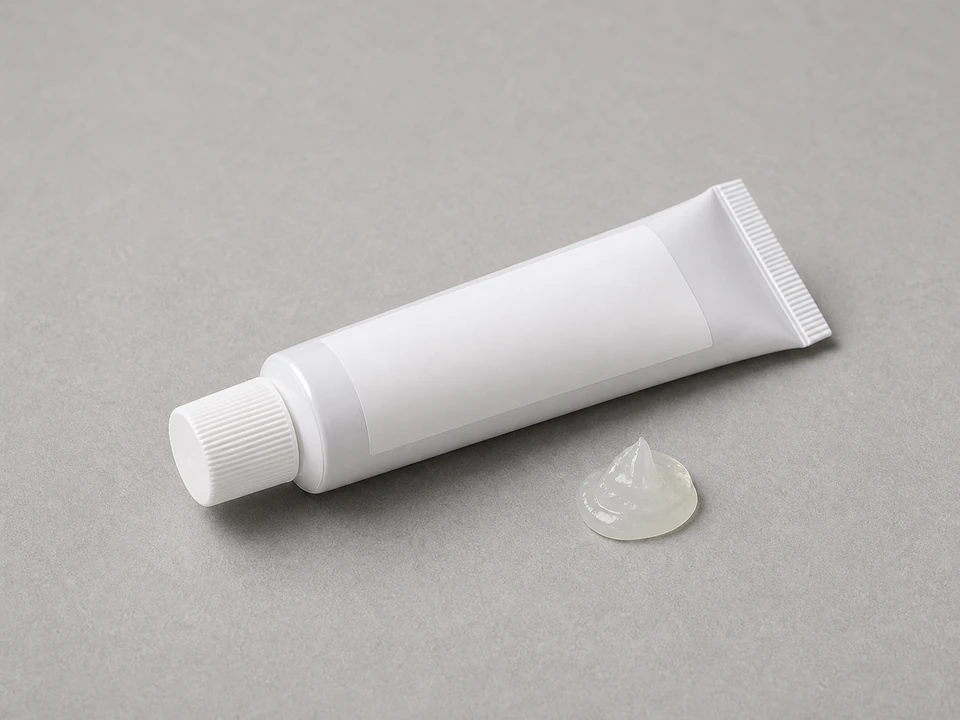
Use it for: Lubricates seals so the new cartridge slides in without damage.
Shop plumber's grease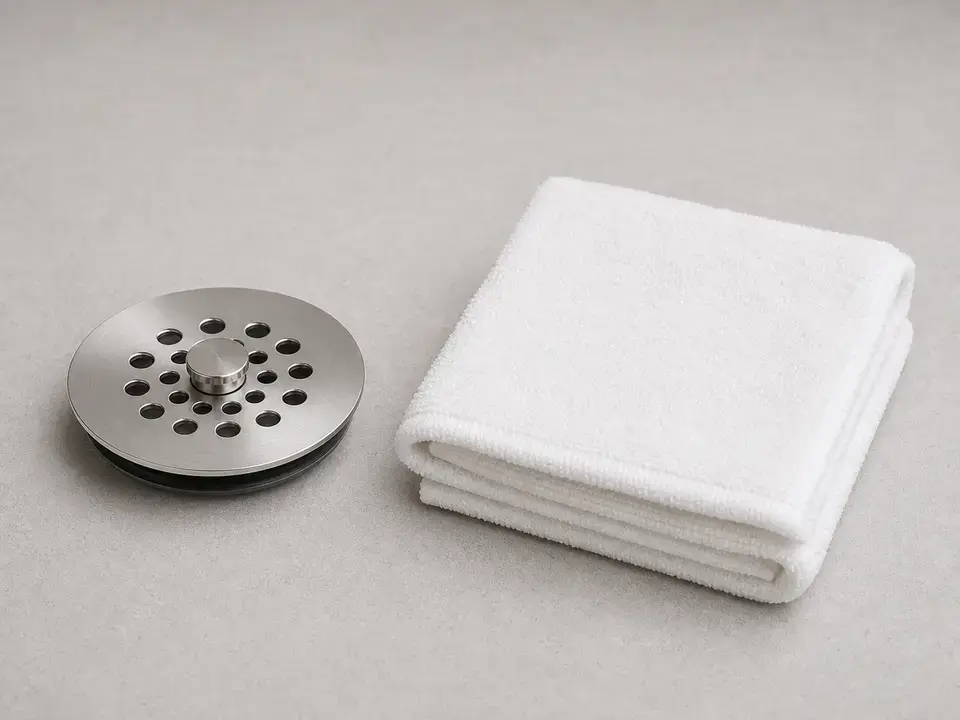
Use it for: Protects the tub finish and catches small screws or clips.
Shop microfiber towelsAs an Amazon Associate I earn from qualifying purchases. Repair Riot may earn a commission at no extra cost to you.
If it works: The symptoms point to a worn or sticking tub faucet cartridge, and you have the work area protected.
If it doesn’t: If the faucet body is cracked, the wall behind the trim is wet, or pressure is low throughout the house, this is probably not a cartridge-only repair.
If it works: The water is off and the faucet handle is removed without damaging the trim or valve stem.
If it doesn’t: If the handle is seized, apply steady pulling pressure and check again for a hidden screw before using more force.
If it works: The cartridge is fully exposed and the retainer is removed.
If it doesn’t: If trim will not come free, check for caulk at the plate edge or a hidden fastener before prying harder.
If it works: The old cartridge is removed and you know how it was oriented.
If it doesn’t: If the cartridge will not budge, use a proper puller and keep the force straight outward rather than twisting the valve body.
If it works: The new cartridge is seated correctly, retained securely, and the faucet is reassembled.
If it doesn’t: If the cartridge will not seat fully, remove it and recheck orientation, alignment tabs, and any leftover debris in the valve body.
If it works: The faucet turns smoothly, flow is normal, temperature control is consistent, and the tub spout shuts off without leaking.
If it doesn’t: If dripping, stiffness, or poor flow remains, remove the handle and trim again to confirm the cartridge is fully seated, correctly oriented, and actually the right replacement.
Match the cartridge shape, stem pattern, and fixture compatibility before ordering.
As an Amazon Associate I earn from qualifying purchases. Repair Riot may earn a commission at no extra cost to you.
Common signs are dripping from the tub spout, a stiff or loose handle, uneven temperature control, or reduced flow caused by internal wear or debris in the cartridge.
Only if the tub valve does not have its own local shutoffs. If there are no nearby stops, use the main water shutoff before removing the cartridge.
Usually yes. If the valve body inside the wall is sound and the correct cartridge is available, replacing the cartridge is the normal repair.
Try gentle rocking and straight pulling first. If it still will not move, a cartridge puller is the safest next step because it reduces the chance of damaging the valve body.
A light coat of silicone plumber's grease on the seals can help the cartridge slide in smoothly. Do not overapply it, and avoid petroleum-based grease unless the part instructions specifically allow it.