
Work gloves
Use it for: Protects your hands from sharp oven cavity edges and sheet metal panels.
Shop work glovesIf the upper oven will not heat or takes a long time to light, replacing the upper oven igniter is a common fix.
This repair is usually straightforward, but you need to work carefully around sharp metal panels and a gas ignition system. Start by confirming the igniter is the likely cause, then swap it with a matching replacement and test the oven through a full heat-up.
Before you start: Match the igniter style, connector, and appliance compatibility before ordering.
Use it for: Protects your hands from sharp oven cavity edges and sheet metal panels.
Shop work gloves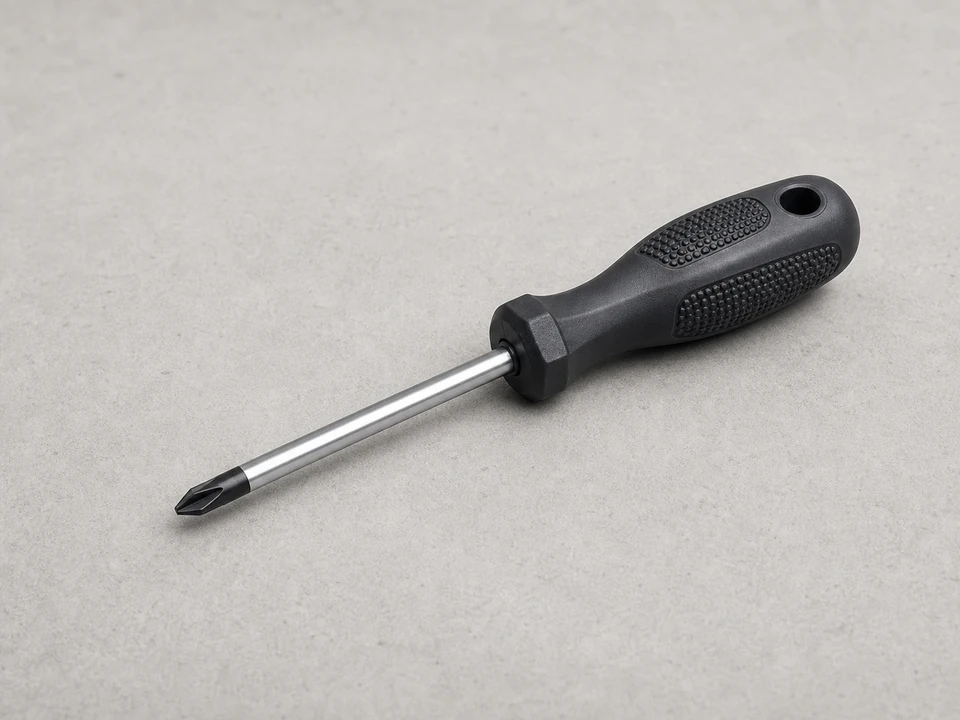
Use it for: Removes the oven bottom, flame spreader, or igniter mounting screws on many units.
Shop Phillips screwdrivers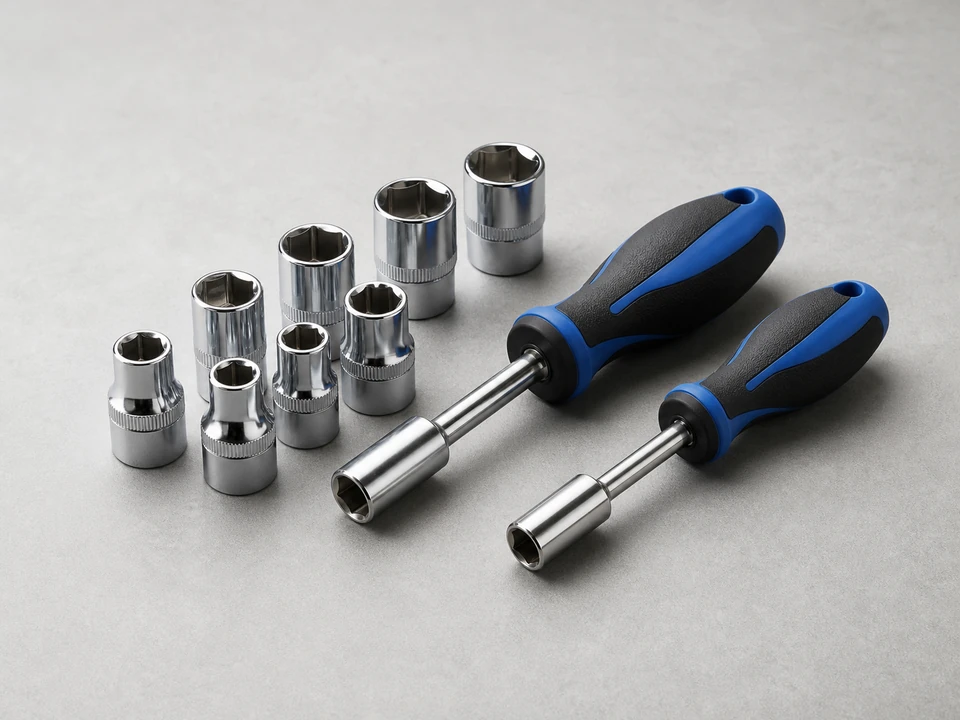
Use it for: Helps remove hex-head screws used on some oven panels and igniter brackets.
Shop nut driver sets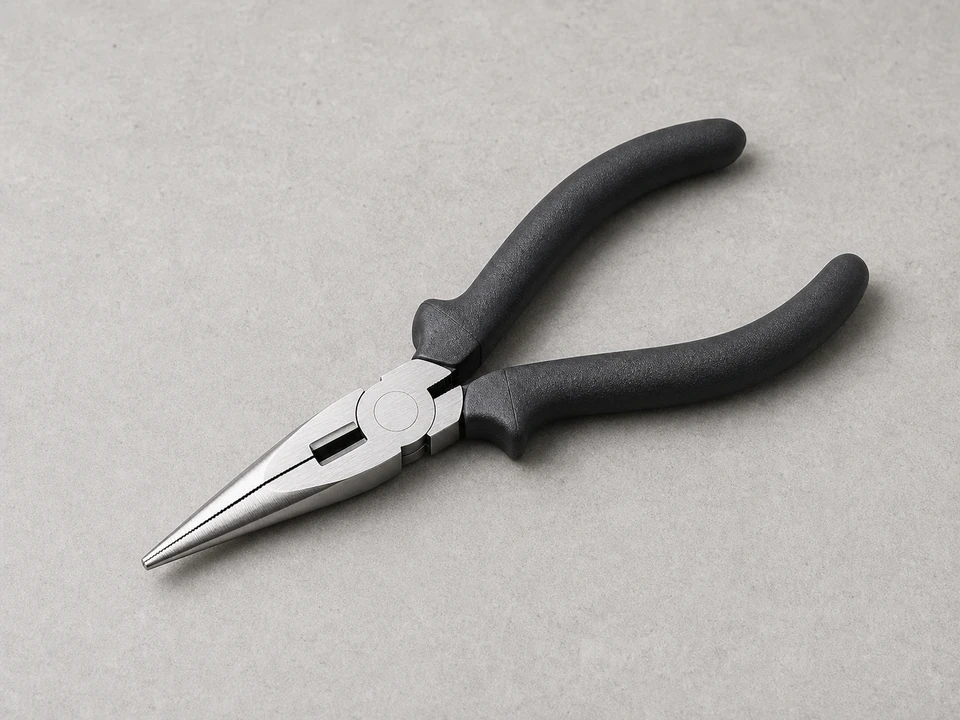
Use it for: Useful for handling wire connectors and pulling clips in tight spaces.
Shop needle-nose pliers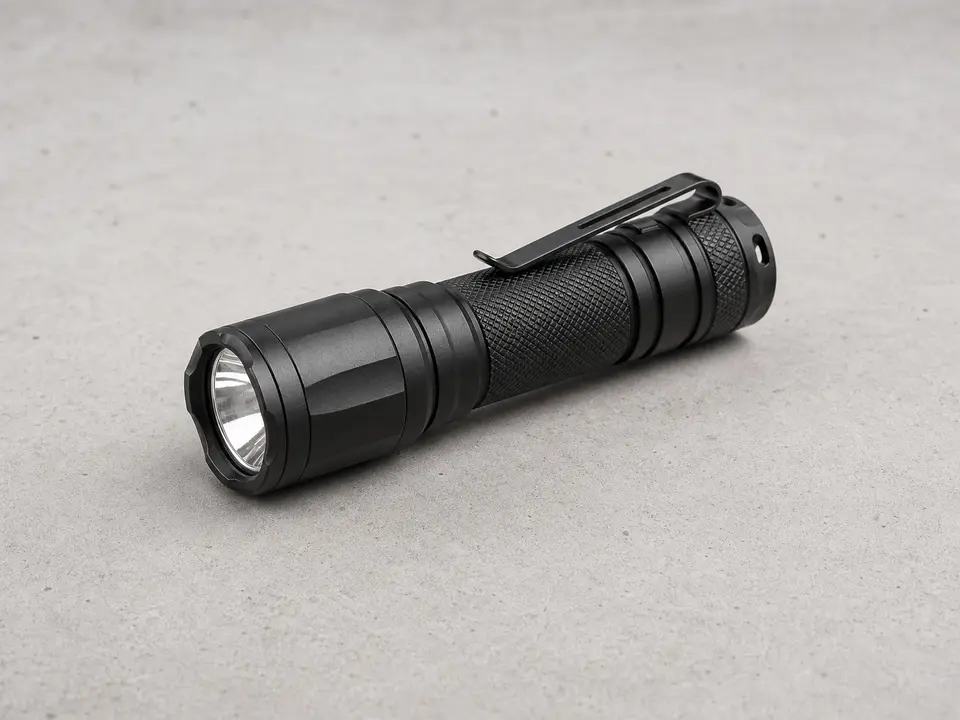
Use it for: Lets you see the igniter, wire routing, and connector location clearly.
Shop flashlightsAs an Amazon Associate I earn from qualifying purchases. Repair Riot may earn a commission at no extra cost to you.
If it works: The symptoms point to a failed or weak upper oven igniter rather than a simple control setting issue.
If it doesn’t: If the upper oven heats normally, this is not the right repair. If nothing in the oven responds at all, check power supply, controls, or a broader ignition problem instead.
If it works: You can clearly see and reach the upper oven igniter and its mounting hardware.
If it doesn’t: If the panel will not lift out, look again for hidden screws at the rear or sides before forcing anything.
If it works: The old upper oven igniter is out and you know how the new one needs to sit and route.
If it doesn’t: If the connector is out of reach from inside the oven, pull the oven forward carefully and remove the rear access panel to reach the wiring connection.
If it works: The new upper oven igniter is mounted firmly and the wiring is connected and safely routed.
If it doesn’t: If the new part does not line up or the connector does not match, stop and verify you have the correct replacement before reassembling.
If it works: The oven is back together and ready for a live heating test.
If it doesn’t: If a panel rocks, rattles, or will not sit flat, remove it and check that no wires or brackets are trapped underneath.
If it works: The upper oven lights reliably, heats up normally, and holds temperature better than before.
If it doesn’t: If the igniter glows but the burner still does not light, or the oven still will not heat properly, the problem may be with the gas valve, control, wiring, or another ignition component.
Match the igniter style, connector, and appliance compatibility before ordering.
As an Amazon Associate I earn from qualifying purchases. Repair Riot may earn a commission at no extra cost to you.
Common signs are no heat, very slow preheating, a glowing igniter that never lights the burner, or an oven that struggles to hold temperature.
Yes. A weak igniter can glow but still fail to draw enough current to open the gas valve properly, so the burner may not light.
For a basic igniter swap, the main safety step is turning off electrical power. If you smell gas or need to disturb gas tubing, stop and get qualified help.
Match the mounting style, connector type, wire length, and appliance compatibility. Comparing the old part to the new one before installation helps catch a mismatch early.
If the new igniter is installed correctly and the oven still will not heat, the issue may be in the gas valve, wiring, control, or another ignition-related part.