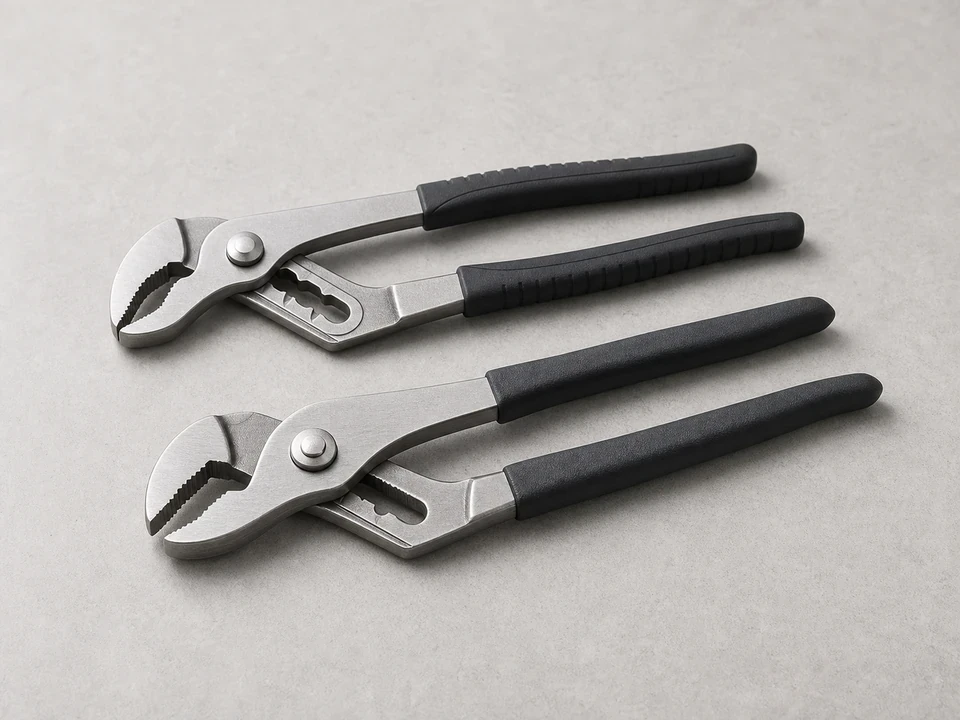
Adjustable pliers
Use it for: To loosen and snug hose couplings if they are too tight to turn by hand.
Shop adjustable pliersTo replace a washer cold water inlet hose, shut off the cold water supply, unplug the washer, remove the old hose from the shutoff valve and washer inlet, install the new hose without cross-threading, then slowly turn the water back on and check for leaks.
This is a good repair when the cold hose is cracked, bulging, kinked, leaking at the ends, or restricted enough that cold water flow is weak. The job is usually straightforward, but take your time with the threaded connections so you do not create a new leak.
Before you start: Match the replacement part to your exact washer before ordering.
Use it for: To loosen and snug hose couplings if they are too tight to turn by hand.
Shop adjustable pliers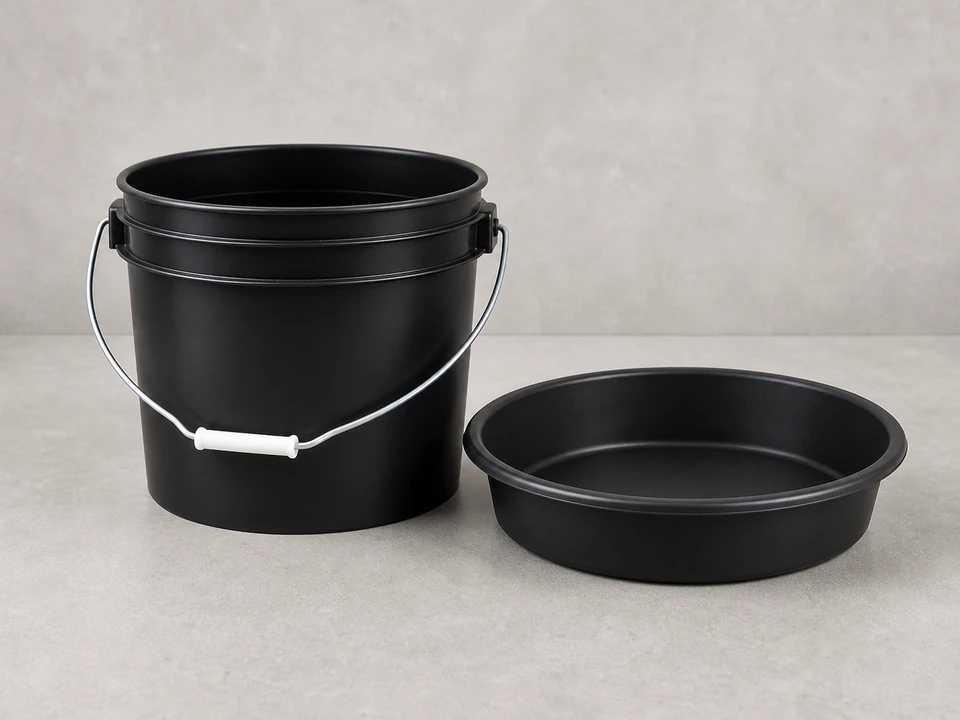
Use it for: To catch the water left in the hose when you disconnect it.
Shop drain pan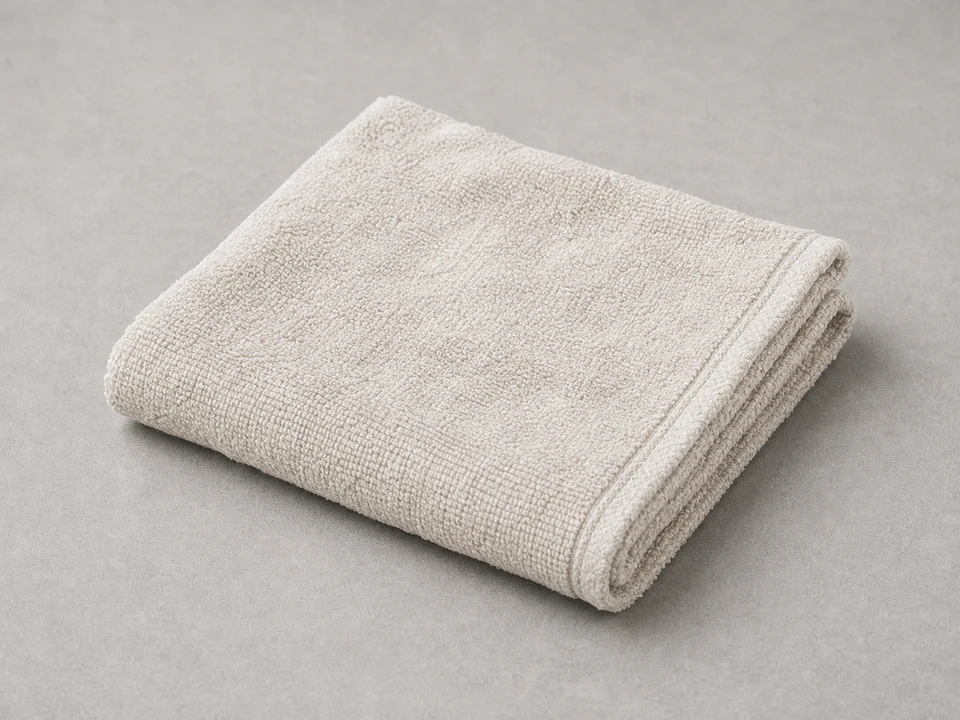
Use it for: To protect the floor and soak up any spill behind the washer.
Shop absorbent towels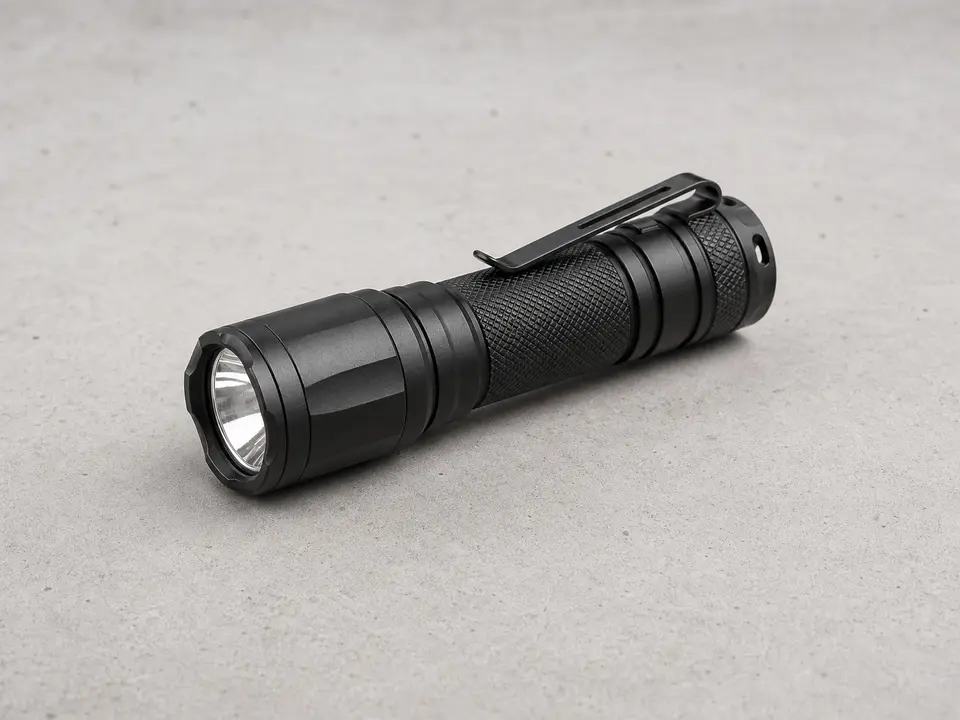
Use it for: To see the shutoff valve, hose ends, and washer inlet clearly behind the machine.
Shop flashlights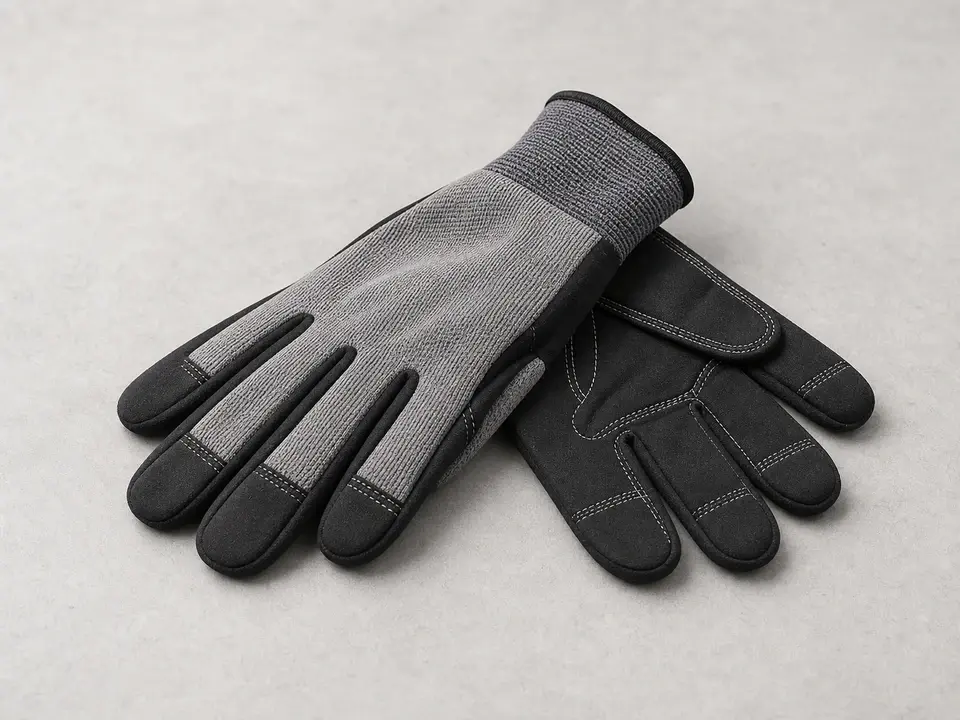
Use it for: To protect your hands from sharp cabinet edges and rough fittings.
Shop work glovesAs an Amazon Associate I earn from qualifying purchases. Repair Riot may earn a commission at no extra cost to you.
If it works: You have confirmed the cold water inlet hose is damaged, leaking, or restricted and should be replaced.
If it doesn’t: If the hose looks sound, check the shutoff valve, inlet screen, or water inlet valve before replacing parts.
If it works: The washer is safe to work on and the area is ready for the small amount of water left in the hose.
If it doesn’t: If the cold shutoff valve will not close fully, stop using the washer and have the valve repaired before continuing.
If it works: The old cold hose is off and both connection points are exposed and clean.
If it doesn’t: If a coupling is stuck, apply steady pressure with pliers rather than jerking it. If it still will not move, the fitting may be seized and may need professional help.
If it works: The new hose is installed squarely on both ends and routed without strain or kinks.
If it doesn’t: If the hose will not thread on smoothly by hand, back it off and start again. Cross-threaded fittings will leak.
If it works: The hose holds pressure with no visible leaking at either end.
If it doesn’t: If a connection still drips after careful re-tightening, remove the hose and inspect the threads and hose washer seating surfaces before trying again.
If it works: The washer fills with cold water normally and the new hose stays dry during actual use.
If it doesn’t: If cold water still does not enter properly, the problem may be the shutoff valve, inlet screen, or water inlet valve rather than the hose.
Match the replacement part to your exact washer before ordering.
As an Amazon Associate I earn from qualifying purchases. Repair Riot may earn a commission at no extra cost to you.
Yes, if only the cold hose is damaged. If the hot hose is the same age and condition, many homeowners replace both at the same time to avoid another leak soon after.
Usually no. These hose connections normally seal with the hose washer inside the coupling, not with thread tape. Adding tape can make the connection feel tight without actually sealing better.
The most common causes are cross-threading, a crooked connection, dirt on the sealing surface, or a fitting that is not snug enough. Shut the water off, remove the hose, inspect the threads and seating surface, then reconnect it by hand first.
Hand-tight plus a small final snugging is usually enough. The goal is a firm seal without forcing the fitting. Overtightening can damage the threads or deform the connection.
Then the hose was probably not the root cause. Check that the cold shutoff valve is open, the inlet screen is not clogged, and the washer's water inlet valve is working.