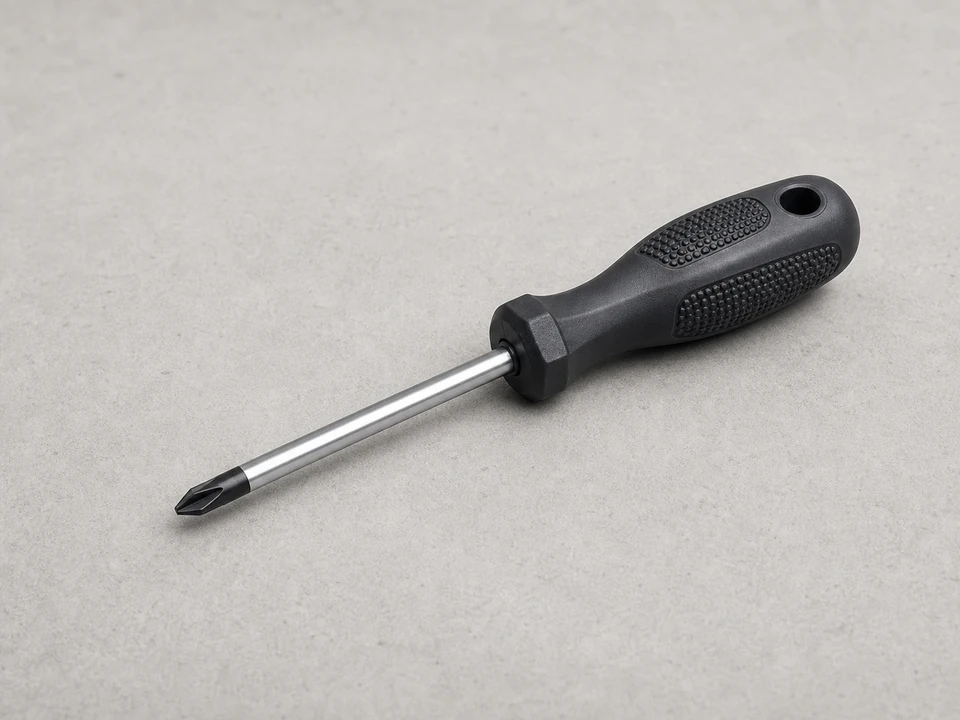
Phillips screwdriver
Use it for: Removes the screw or screws holding many door strikes in place.
Shop Phillips screwdriversTo replace a washer door strike, unplug the washer, open the door, remove the damaged strike from the door, install the matching replacement, and test that the door closes and the washer starts normally.
A worn, cracked, or missing door strike can keep the washer from latching or starting because the door lock never gets the right signal. This is usually a straightforward repair if the strike is accessible from the door and the surrounding plastic is still in good shape.
Before you start: Match the replacement part to your exact washer before ordering.
Use it for: Removes the screw or screws holding many door strikes in place.
Shop Phillips screwdrivers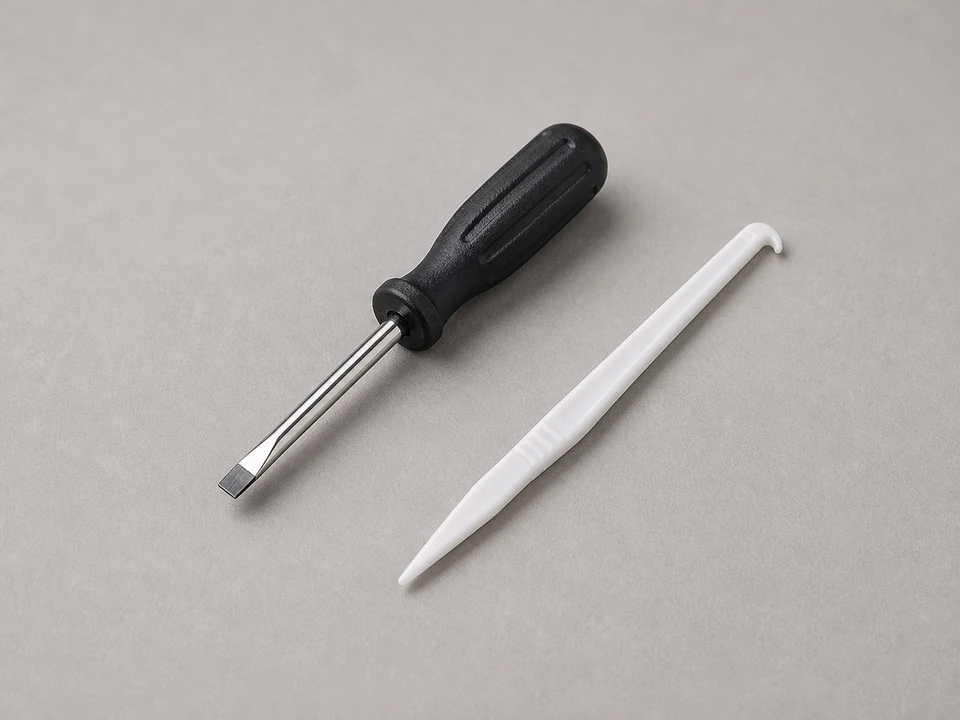
Use it for: Helps lift tabs or guide the old strike out without forcing it.
Shop small picks and flat screwdrivers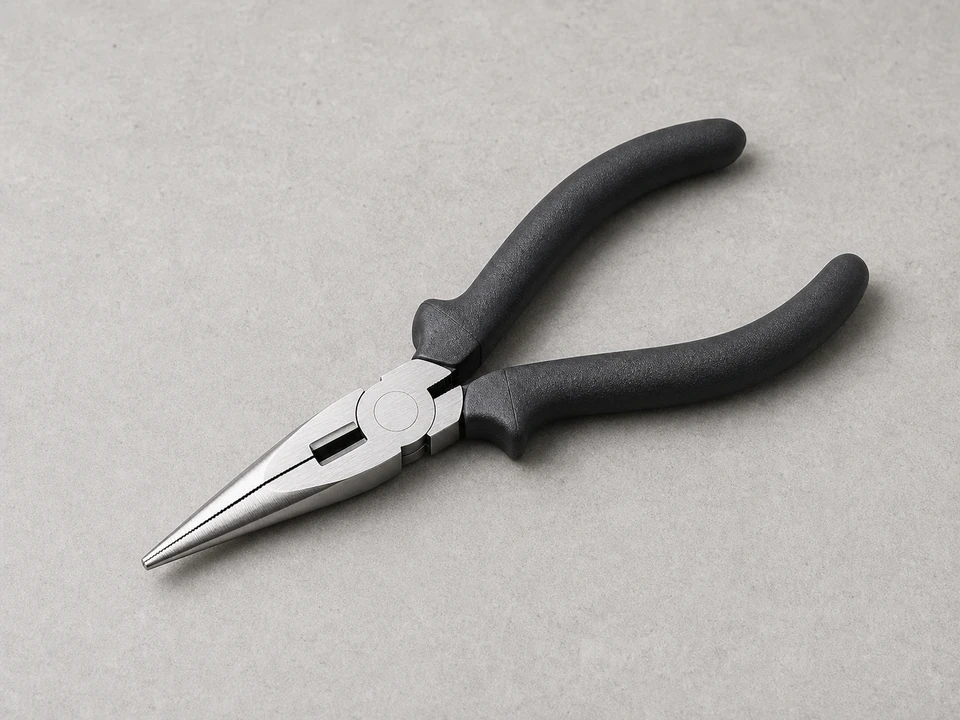
Use it for: Useful for pulling a stubborn strike or handling small clips.
Shop needle-nose pliers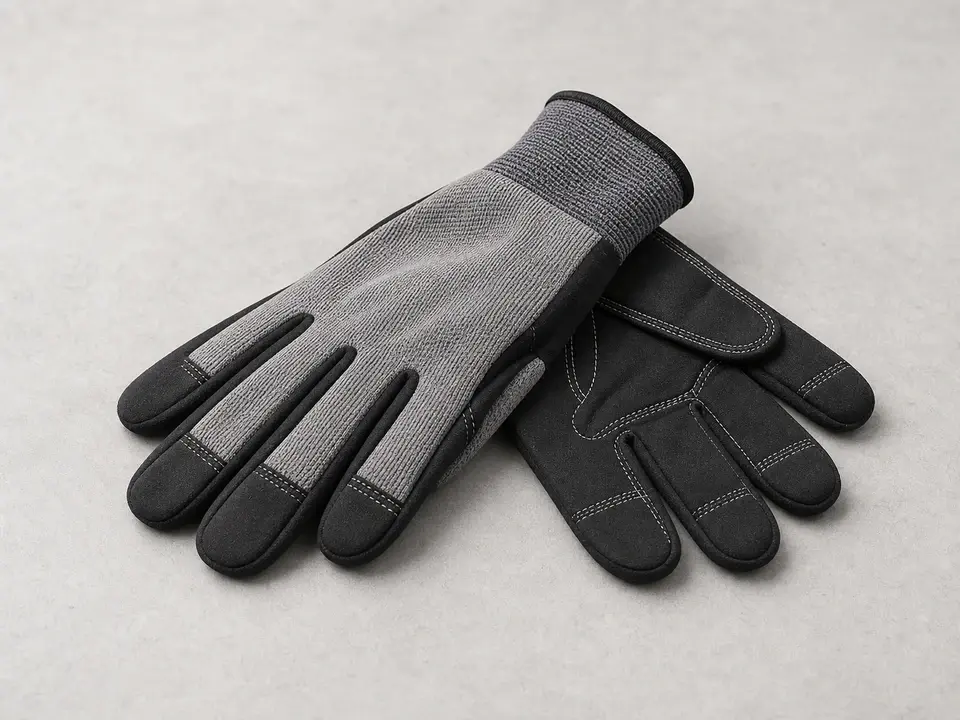
Use it for: Protects your hands from sharp plastic edges or sheet metal around the door area.
Shop work glovesAs an Amazon Associate I earn from qualifying purchases. Repair Riot may earn a commission at no extra cost to you.
If it works: You found visible damage or poor engagement at the door strike, and replacing it makes sense.
If it doesn’t: If the strike looks intact and lines up well, the problem may be the door lock, hinge, or door alignment instead of the strike.
If it works: The washer is disconnected from power and the door area is ready for a simple parts change.
If it doesn’t: If you cannot safely reach the plug, stop and move the washer only as much as needed to unplug it without straining the cord or hoses.
If it works: The old strike is out and the replacement matches the original part's shape and mounting style.
If it doesn’t: If the strike will not come free, look again for a hidden tab or second fastener rather than prying harder.
If it works: The new strike is secure, aligned, and enters the lock opening without rubbing or binding.
If it doesn’t: If the door does not line up cleanly, reopen it and reseat the strike before testing again.
If it works: The washer starts normally, the door stays latched, and the door-related symptom is gone.
If it doesn’t: If the washer still will not start or still shows a door problem, the door lock assembly, hinge alignment, or control issue may need further diagnosis.
If it works: The washer completes a real cycle, the door latches consistently, and the new strike stays secure.
If it doesn’t: If the problem comes back during normal use, inspect the door hinge and door lock next because the strike may not be the only failed part.
Match the replacement part to your exact washer before ordering.
As an Amazon Associate I earn from qualifying purchases. Repair Riot may earn a commission at no extra cost to you.
The door strike is the piece on the door that enters the door lock when you close the washer. If it is broken or worn, the lock may not sense the door correctly, so the washer may not start or may report a door problem.
A bad strike usually shows visible damage, looseness, or poor alignment at the door. If the strike looks good and lines up properly but the washer still will not lock or start, the door lock assembly may be the real problem.
It is better not to. A cracked strike can fail completely, keep the door from latching, or cause intermittent door errors that stop the cycle.
Usually no. Many washer door strikes are accessible with the door open and can be removed from the front of the door. If yours is trapped by damaged trim or a different mounting design, inspect carefully before taking more apart.
If the new strike is installed correctly and the symptom stays the same, the issue may be the door lock, a sagging hinge, damaged door trim, or an electrical problem in the latch circuit.