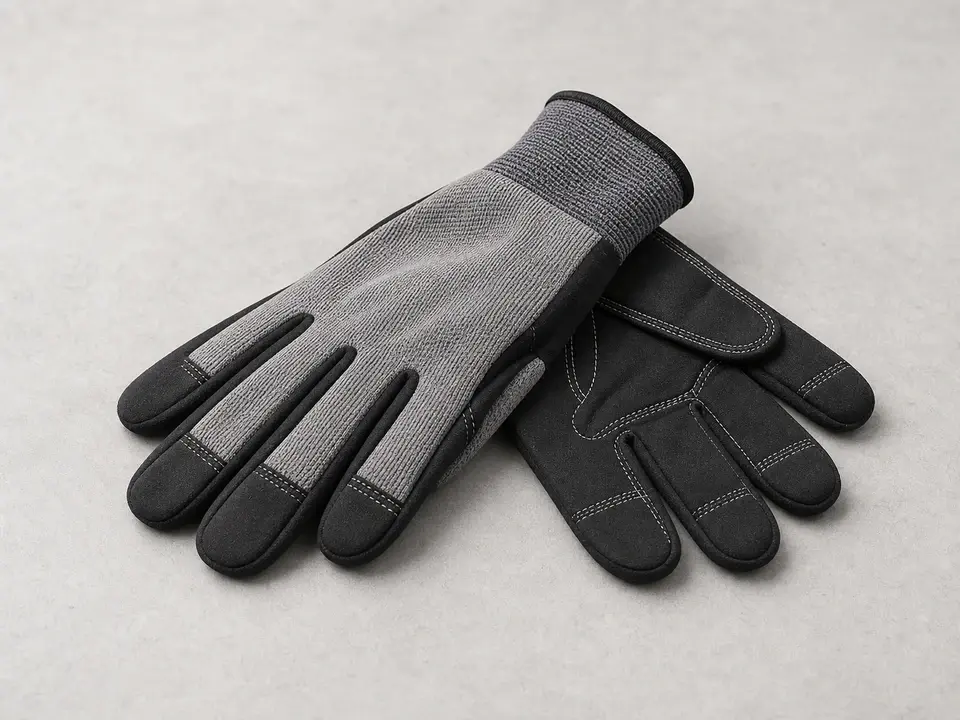
Work gloves
Use it for: Protects your hands from sharp cabinet edges and tight mounting clips.
Shop work glovesTo replace a washer shock absorber, unplug the washer, access the tub support area, remove the worn shock, install the matching replacement, and test the machine with a small load to confirm the tub stays controlled.
A bad shock absorber can let the tub bounce too hard, bang the cabinet, or make the washer walk during spin. This repair is usually straightforward if you can reach the lower tub area safely and the mounting points are still solid.
Before you start: Match the replacement part to your exact washer before ordering.
Use it for: Protects your hands from sharp cabinet edges and tight mounting clips.
Shop work gloves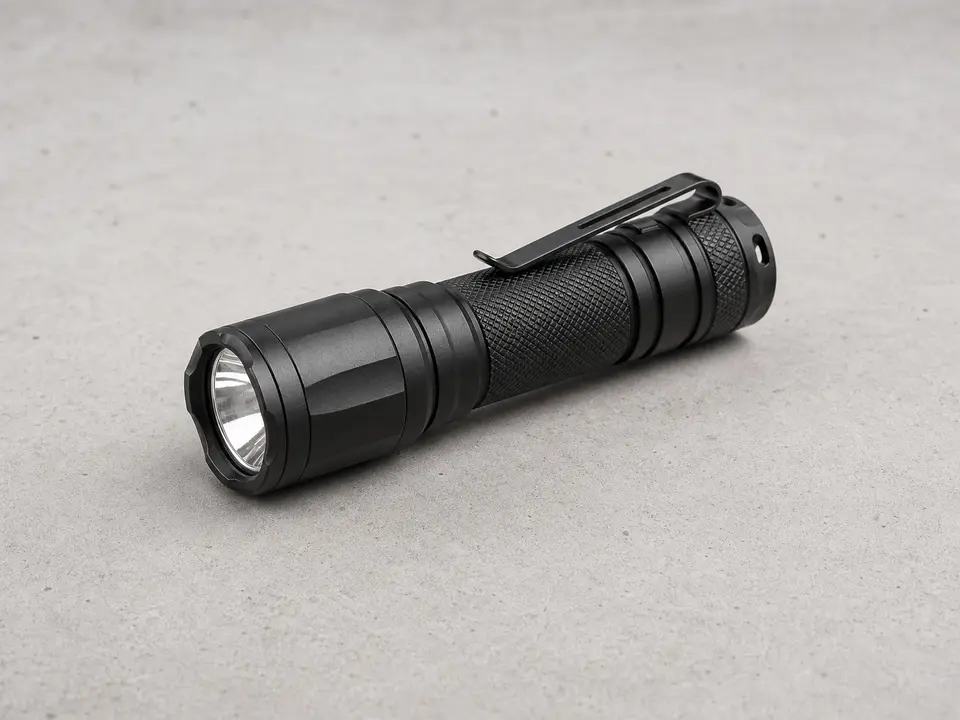
Use it for: Helps you see the lower tub area and shock mounting points clearly.
Shop flashlights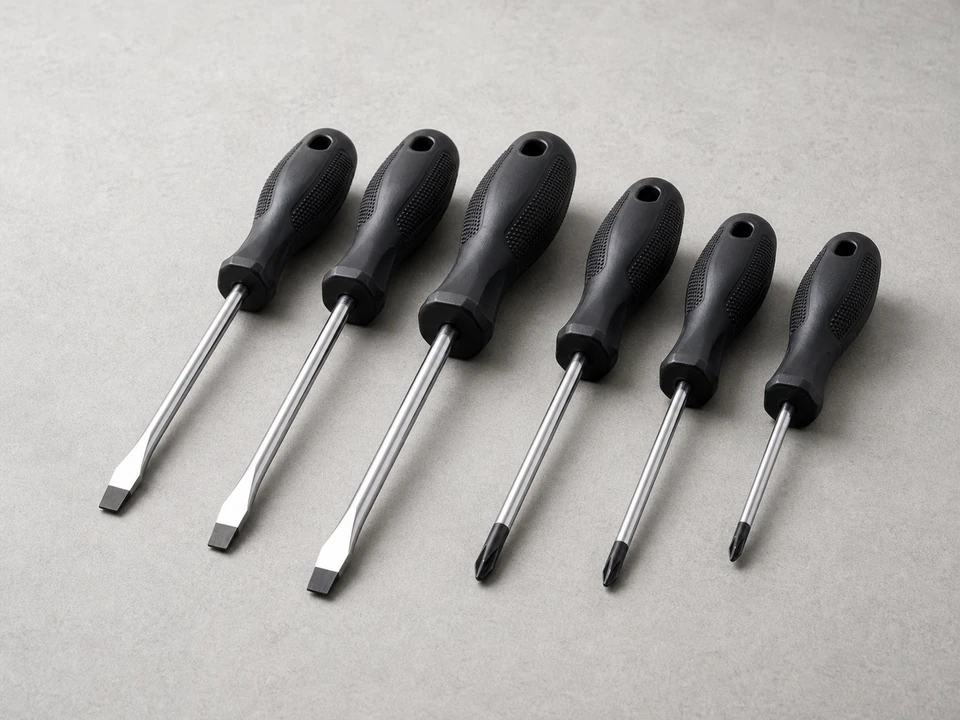
Use it for: Removes the access panel or top panel on many washers.
Shop screwdriver sets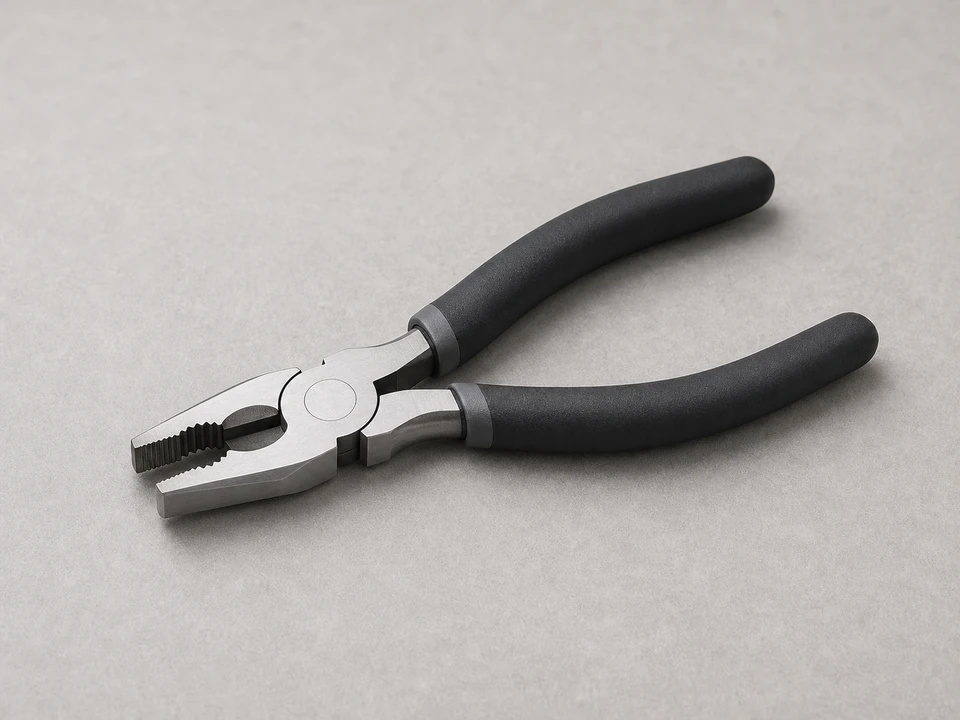
Use it for: Helps pull retaining clips or pins from the shock mounts.
Shop pliers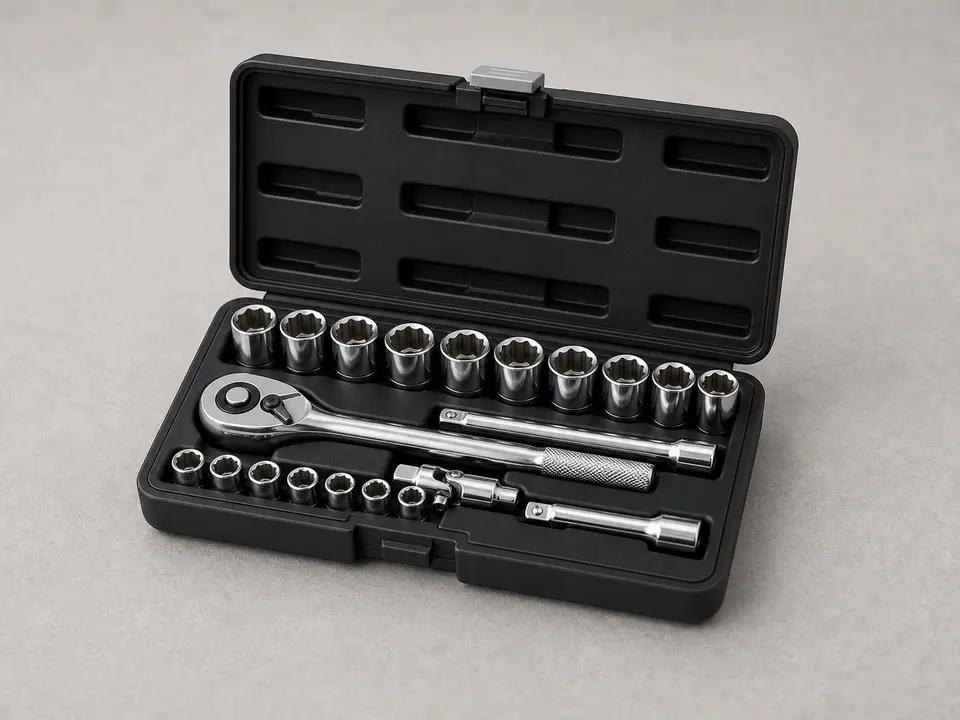
Use it for: Removes bolts if your washer uses bolted shock mounts.
Shop socket sets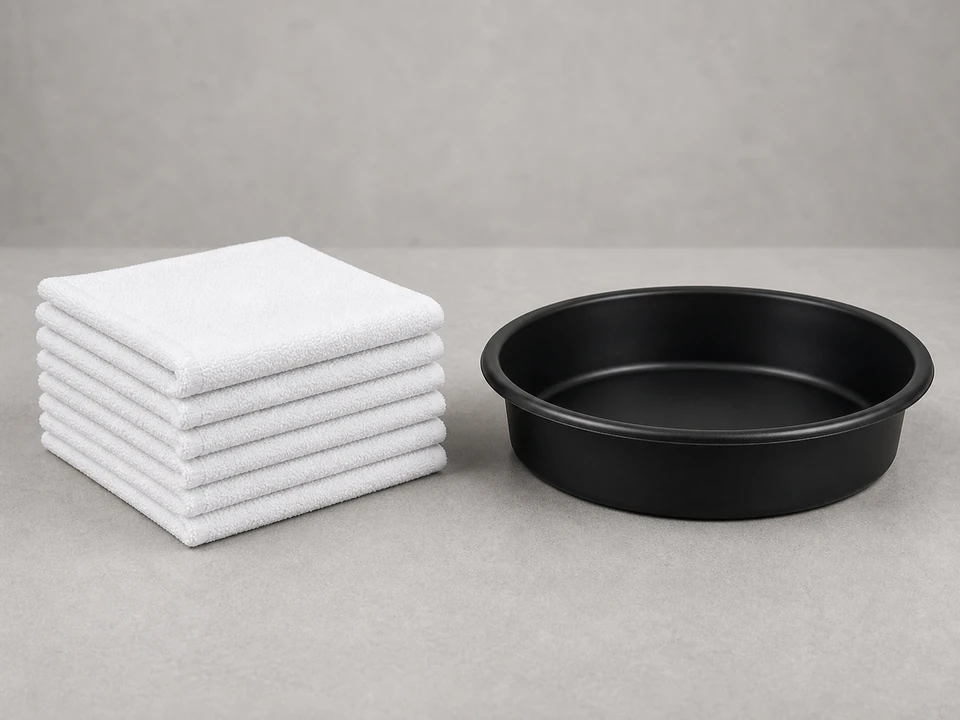
Use it for: Catches any small water drips when moving the washer or opening a lower panel.
Shop drip pans and towelsAs an Amazon Associate I earn from qualifying purchases. Repair Riot may earn a commission at no extra cost to you.
If it works: The washer shows clear signs of poor tub damping, and a worn or failed shock absorber is a reasonable repair path.
If it doesn’t: If the washer is stable and the tub feels controlled, check for leveling problems, an overloaded drum, or other suspension parts before ordering a shock absorber.
If it works: The washer is disconnected from power, positioned safely, and the shock absorber area is accessible.
If it doesn’t: If you still cannot reach the lower tub area, look for a rear, front, or bottom access panel and remove only what is needed for clear access.
If it works: The old shock absorber is out, and the mounting points are exposed for inspection.
If it doesn’t: If the shock will not come free, relieve more tub pressure by gently lifting the tub and recheck for a hidden clip or fastener.
If it works: The new shock absorber is installed securely with both ends fully seated and the tub supported evenly.
If it doesn’t: If the holes do not line up, recheck the part fit and tub position before forcing any hardware.
If it works: The washer is back together, stable on the floor, and the tub movement feels more controlled than before.
If it doesn’t: If the washer still rocks on the floor, adjust the leveling feet before running a test cycle.
If it works: The washer completes the test cycle with controlled tub movement, less banging, and no walking across the floor.
If it doesn’t: If the washer still shakes hard or walks, inspect the remaining shocks, springs, suspension rods, tub bearings, and leveling before replacing more parts.
Match the replacement part to your exact washer before ordering.
As an Amazon Associate I earn from qualifying purchases. Repair Riot may earn a commission at no extra cost to you.
Common signs are hard banging during spin, excessive tub bounce, and a washer that walks even when it is level. A visual check may also show a broken, loose, or leaking shock absorber.
If your washer uses multiple shocks and the others are the same age, replacing them together often gives more even support. If only one is clearly damaged and the others are still firm and secure, some homeowners replace only the failed one.
Yes. When the tub is not damped properly, spin vibration can transfer into the cabinet and make the washer move, especially with heavier loads.
Check that the washer is level and not overloaded, then inspect other suspension parts such as springs, rods, or tub supports. If the tub bearings or mounting points are damaged, the shock absorber alone will not solve the problem.
Not always. If you can access the repair area without moving the washer much, you may only need to unplug it. If you need to pull the washer out, turning off the water is a smart precaution.