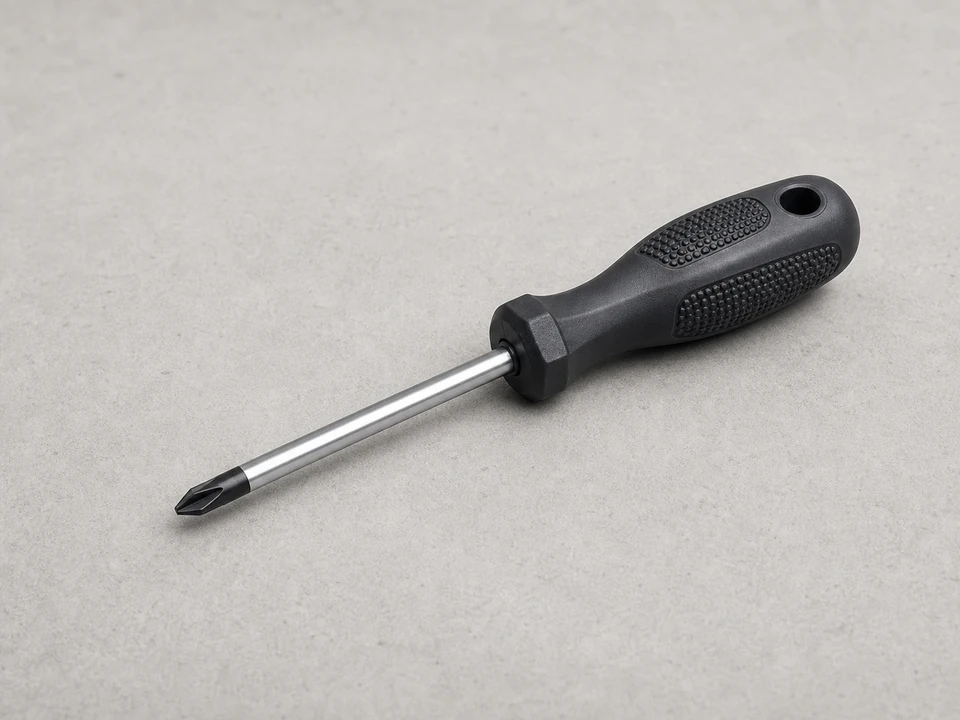
Phillips screwdriver
Use it for: To remove the top, rear, or access-panel screws on many washers.
Shop Phillips screwdriversTo replace a washer water inlet valve, unplug the washer, shut off both water supplies, remove the access panel, swap the old valve for the matching new one, reconnect the hoses and wires, and test for proper filling and leaks.
A bad inlet valve can cause slow filling, no fill, noisy filling, detergent not rinsing in, or water that keeps trickling into the tub after the washer is off. This is a manageable repair for many homeowners as long as you work with the water turned off and confirm the new valve matches the old one.
Before you start: Match the inlet valve layout, electrical connector style, and washer compatibility before ordering.
Use it for: To remove the top, rear, or access-panel screws on many washers.
Shop Phillips screwdrivers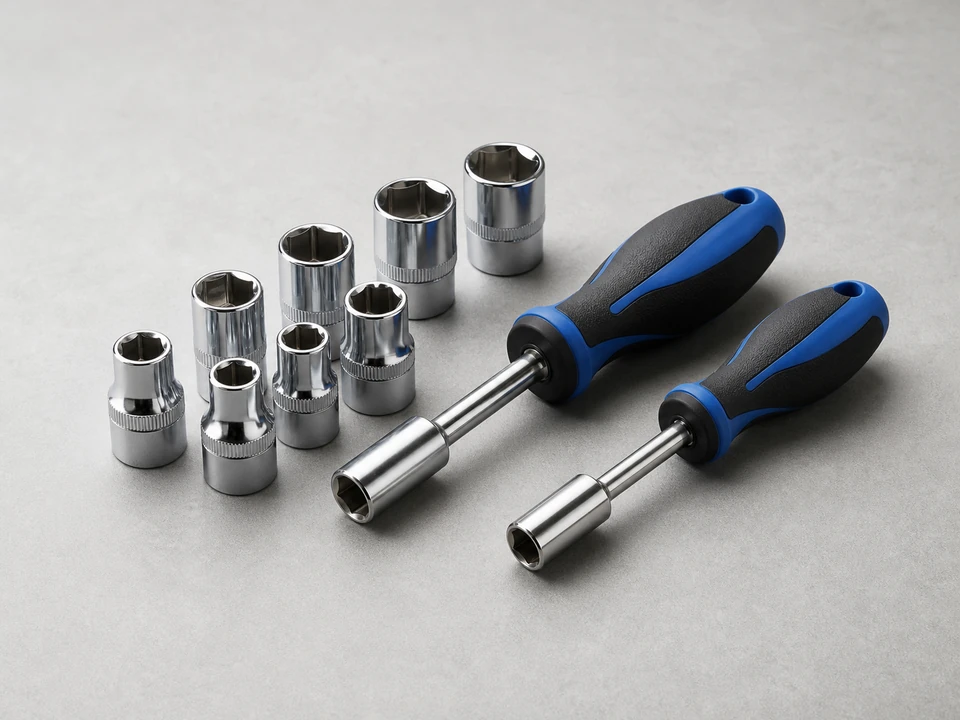
Use it for: Many washer panels and valve mounting screws use hex-head fasteners.
Shop nut driver sets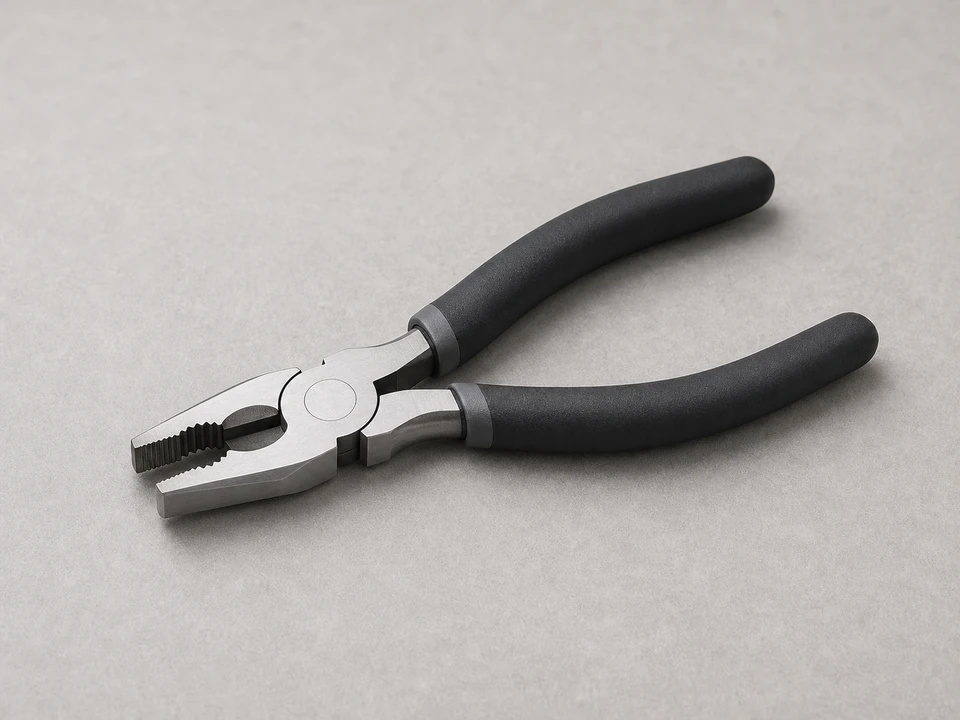
Use it for: To loosen hose clamps or help remove stubborn fill hoses.
Shop pliers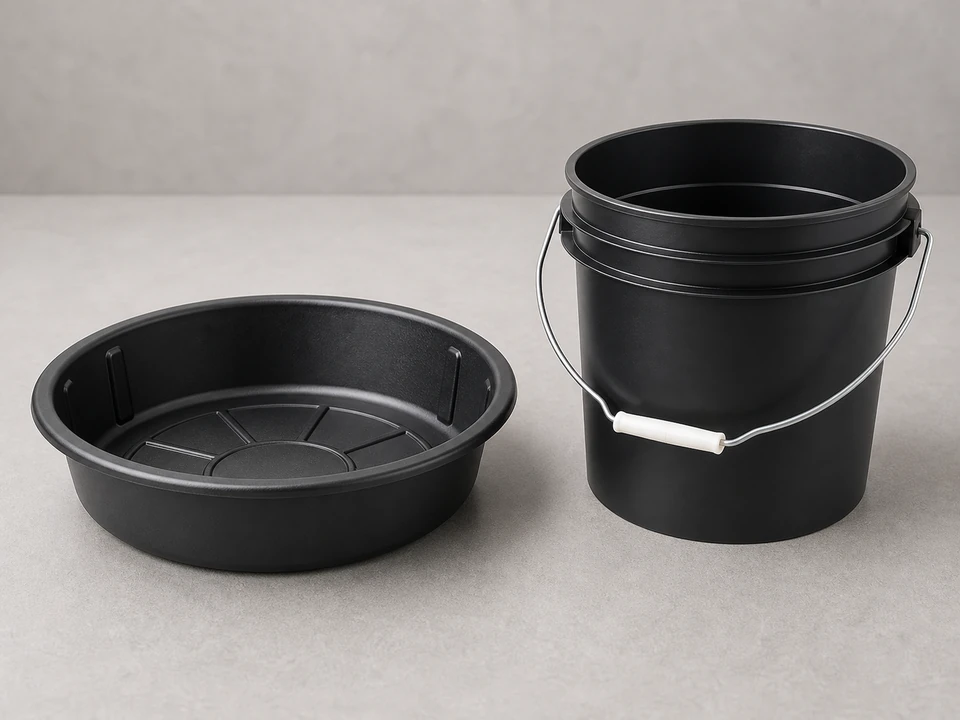
Use it for: To catch water left in the supply hoses when you disconnect them.
Shop shallow drain pans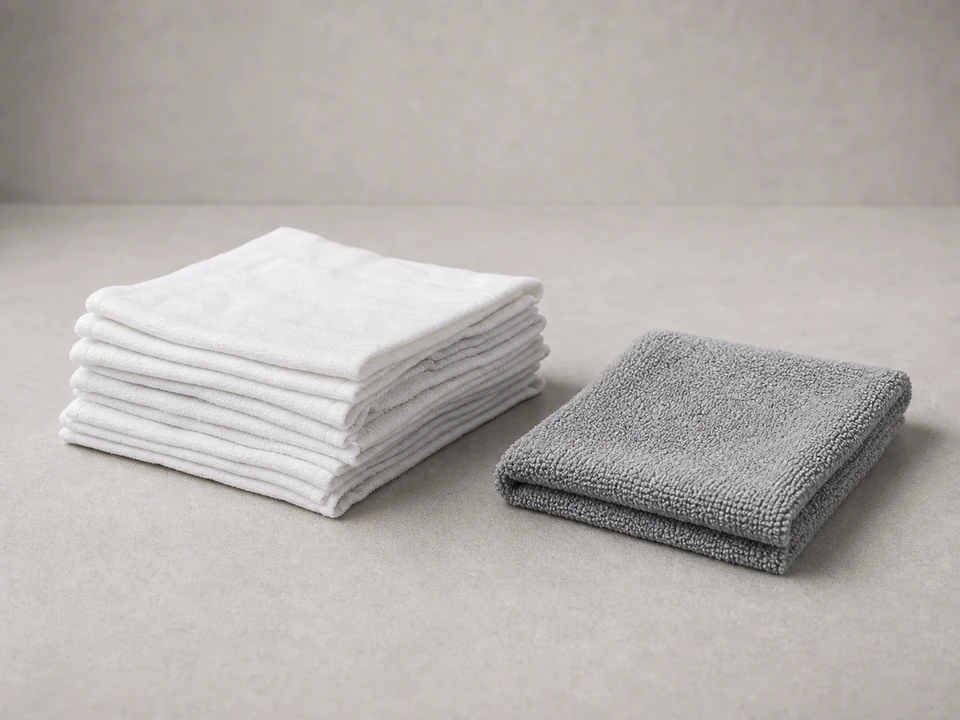
Use it for: To protect the floor and wipe up any spills around the valve and hoses.
Shop absorbent shop towelsAs an Amazon Associate I earn from qualifying purchases. Repair Riot may earn a commission at no extra cost to you.
If it works: The symptoms still point to a faulty washer water inlet valve, and you have ruled out a simple shutoff or hose issue.
If it doesn’t: If opening the shutoff valves or straightening a hose fixes the problem, you do not need to replace the valve right now.
If it works: The washer is safely disconnected from power and water, and you have room to work without flooding the floor.
If it doesn’t: If the shutoff valves will not close fully, stop using the washer until the water supply can be shut off reliably.
If it works: You can see the inlet valve clearly and have the supply hoses disconnected.
If it doesn’t: If the panel does not come free, look again for hidden screws at the back edge or under trim pieces rather than forcing it.
If it works: The new valve is mounted securely, the wires are back on the correct terminals, and the internal hoses are fully seated.
If it doesn’t: If the new part does not match the port layout, connector style, or mounting points, compare it to the old valve and get the correct replacement before continuing.
If it works: The washer is reassembled, the water is back on, and there are no leaks at the hose connections or valve area before testing.
If it doesn’t: If a hose connection drips, shut the water back off, loosen the hose, and reconnect it carefully so the threads start straight.
If it works: The washer fills normally, stops filling when it should, and stays dry with no leaks or unwanted trickle into the tub.
If it doesn’t: If the washer still will not fill correctly, recheck the wire connections, hose routing, and supply flow. If water continues entering the tub after the cycle stops, the replacement part may be incorrect or another control issue may be involved.
Match the inlet valve layout, electrical connector style, and washer compatibility before ordering.
As an Amazon Associate I earn from qualifying purchases. Repair Riot may earn a commission at no extra cost to you.
Common signs are slow filling, no filling on one or both temperatures, a buzzing sound during fill, poor dispenser flushing, or water leaking into the tub even when the washer is off.
Sometimes cleaning the inlet screens helps if sediment is blocking water flow. If the valve is sticking, leaking internally, or not opening electrically, cleaning usually will not solve it for long.
Many washers use one combined assembly that handles both hot and cold, so you replace the whole valve assembly. If your washer uses a single combined part, replace that full part rather than trying to swap only one side.
Recheck that the wall shutoff valves are open, the hoses are not kinked, the wire connectors are on the correct terminals, and the new valve matches the old one. If those are all correct, the problem may be elsewhere in the washer's controls or sensing system.
If the hoses are old, cracked, swollen, or hard to reconnect without leaking, it is smart to replace them while you already have the washer pulled out.