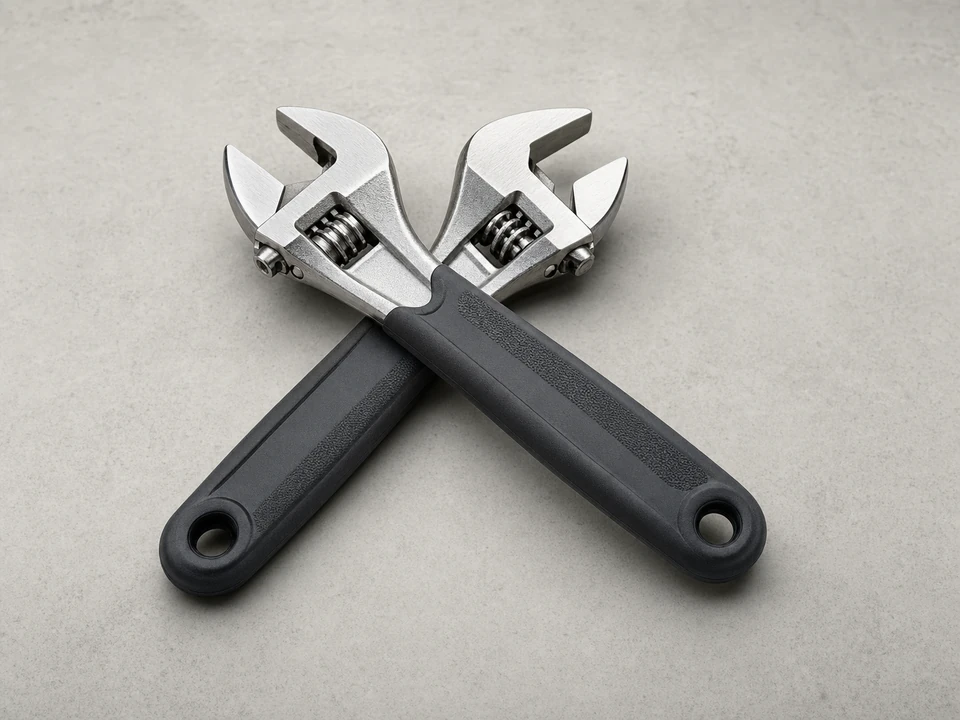
Adjustable wrench
Use it for: To loosen the old gauge and tighten the new one without damaging the fitting.
Shop adjustable wrenchesTo replace a well pressure gauge, shut off power to the well pump, relieve water pressure, remove the old gauge, install a matching new gauge with thread sealant, then restore power and confirm the reading changes normally without leaks.
A failed gauge can stick, read wrong, or stay at one number even when water use changes. Replacing it is usually straightforward if you work with the system depressurized and use a matching gauge.
Before you start: Match the pressure range, dial size, thread size, mounting orientation, and well system compatibility before ordering.
Use it for: To loosen the old gauge and tighten the new one without damaging the fitting.
Shop adjustable wrenches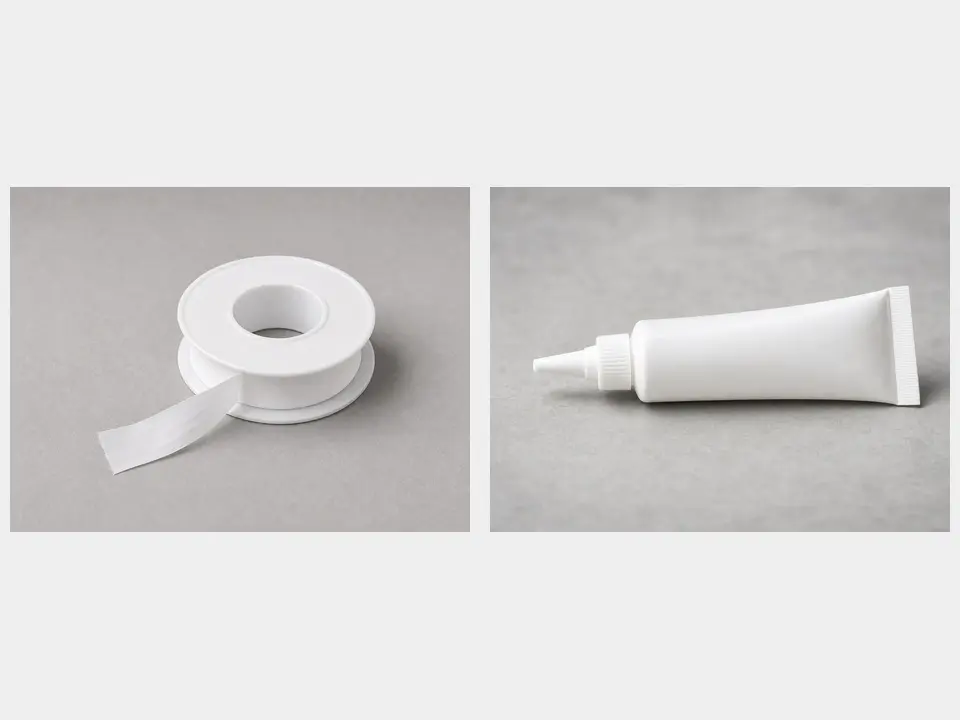
Use it for: To help seal the new gauge threads and prevent small leaks.
Shop thread seal tape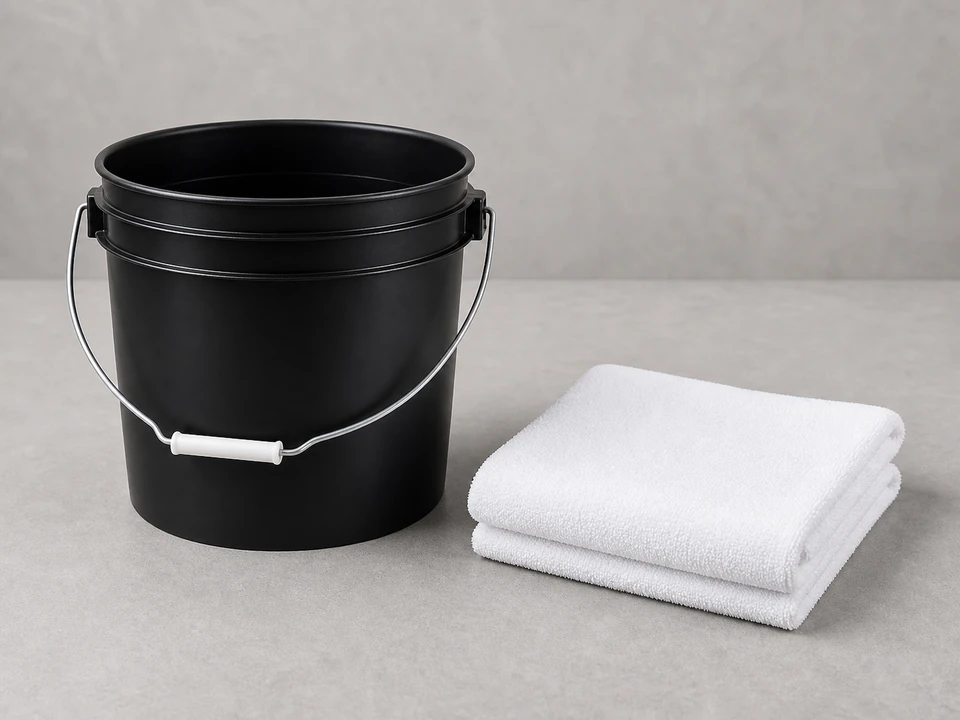
Use it for: To catch the small amount of water that usually comes out when the gauge is removed.
Shop utility towels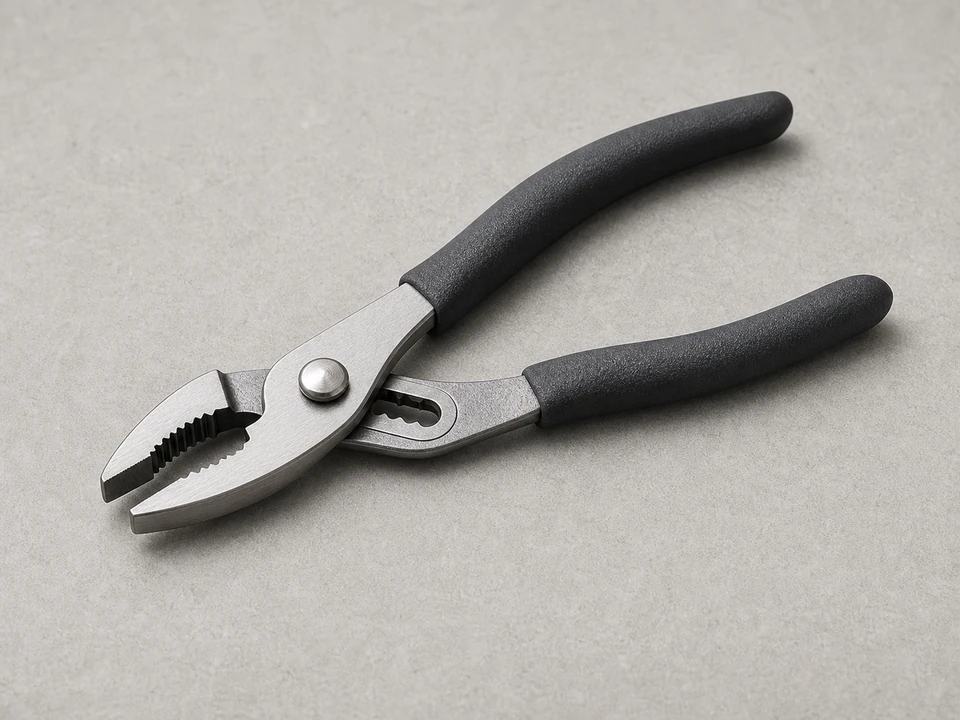
Use it for: To hold nearby fittings steady if the gauge is tight and you need a second grip.
Shop slip-joint pliers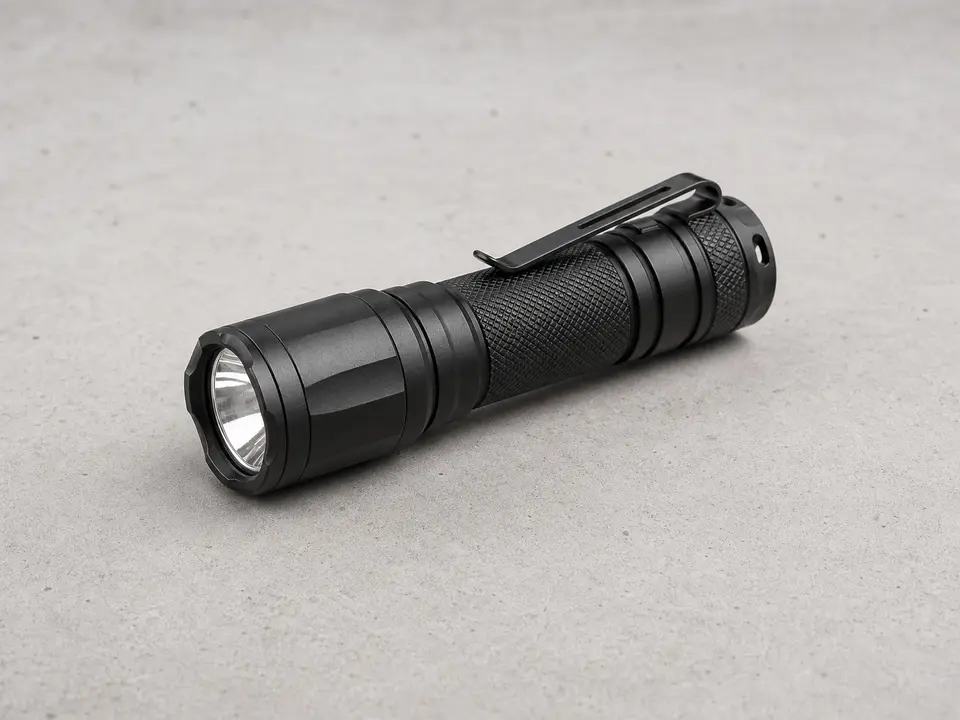
Use it for: To see the gauge port, fittings, and any slow leaks clearly.
Shop flashlightsAs an Amazon Associate I earn from qualifying purchases. Repair Riot may earn a commission at no extra cost to you.
If it works: You have a clear reason to replace the gauge, such as a stuck needle, damaged face, leaking case, or readings that do not change with water use.
If it doesn’t: If the gauge seems to respond normally and the real problem is low water pressure, short cycling, or no water, diagnose the well system before replacing parts.
If it doesn’t: If you see a small leak at the threads, shut power back off, relieve pressure again, remove the gauge, and reseal the threads before reinstalling.
If it works: The new gauge reads clearly, changes with water use, and stays dry after a full pressure cycle.
If it doesn’t: If the new gauge still behaves oddly, the issue may be with the pressure switch, tank charge, clogged gauge port, or another well system fault rather than the gauge itself.
Match the pressure range, dial size, thread size, mounting orientation, and well system compatibility before ordering.
As an Amazon Associate I earn from qualifying purchases. Repair Riot may earn a commission at no extra cost to you.
Common signs are a needle that stays stuck, readings that do not change when water is used, a fogged or cracked lens, or water leaking from the gauge body or threads.
Usually no. You normally just shut off pump power and relieve system pressure through a faucet until the gauge drops enough to remove it safely.
Match the thread size, pressure range, dial size, and mounting style of the old gauge. A gauge that does not fit the port or pressure range will not be a good replacement.
Either can work if it is suitable for threaded plumbing connections. Use a modest amount and keep sealant away from the opening so it does not get pushed into the system.
The gauge may not be the root cause. A clogged gauge port, pressure switch problem, tank charge issue, or broader well system fault can also cause odd pressure readings.