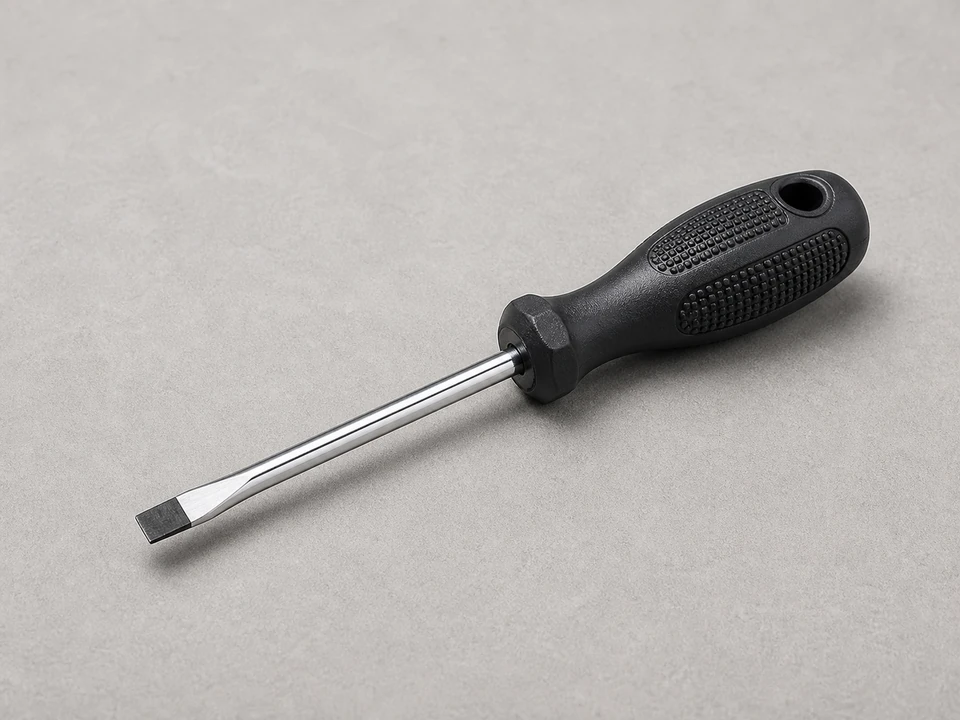
Flat screwdriver
Use it for: To release take-out clips, pry covers gently, or help remove the old balance hardware.
Shop flat screwdriversTo replace window balance hardware, first confirm the sash is hard to raise, drops shut, or sits crooked because the balance has failed. Then remove the sash, match the old balance hardware exactly, install the replacement on both sides if needed, and test the window through its full travel.
Window balance hardware helps the sash move smoothly and stay where you leave it. When it wears out, the window may slam shut, bind, tilt unevenly, or feel much heavier than it should. This repair is manageable for many homeowners, but careful part matching matters.
Before you start: Match the balance type, length, strength stamp, and window compatibility before ordering.
Use it for: To release take-out clips, pry covers gently, or help remove the old balance hardware.
Shop flat screwdrivers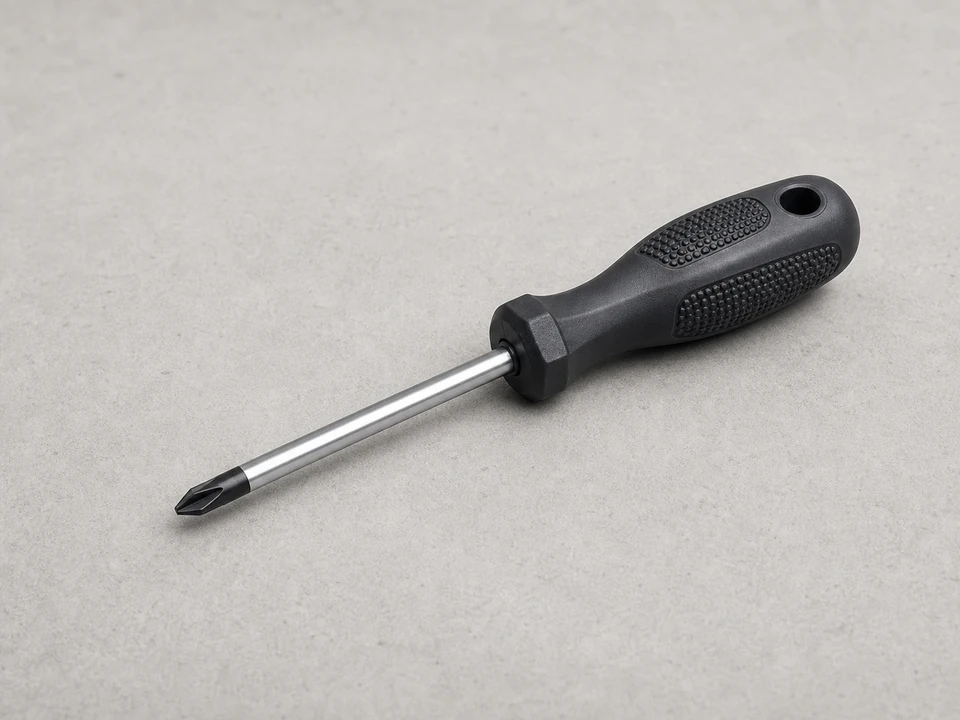
Use it for: To remove and reinstall screws holding the balance hardware or sash guides.
Shop Phillips screwdrivers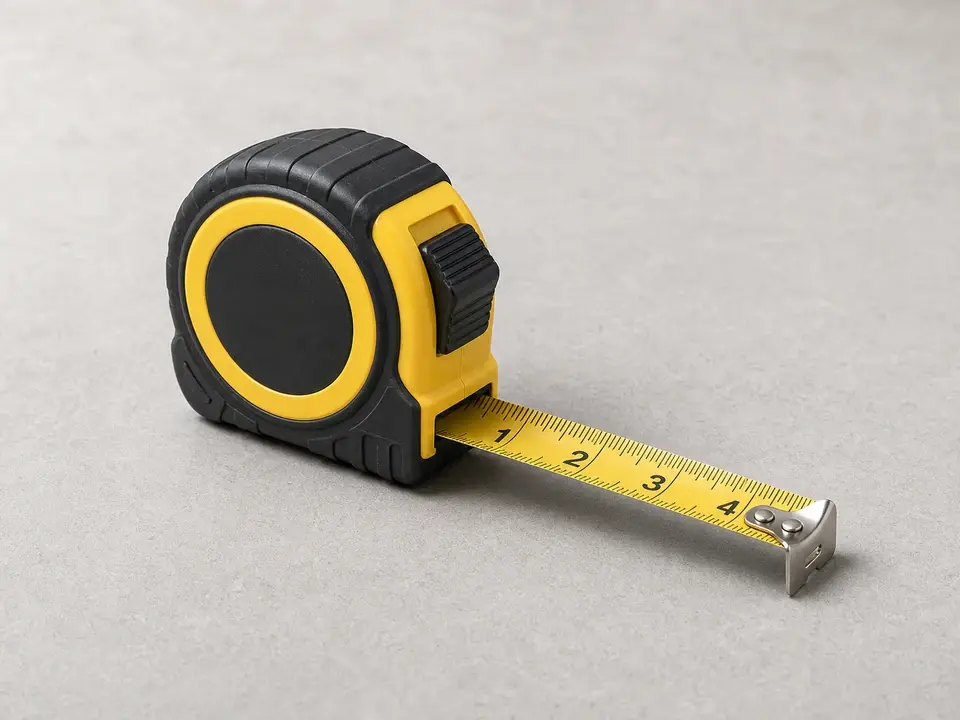
Use it for: To measure the old balance length so you can match the replacement.
Shop tape measures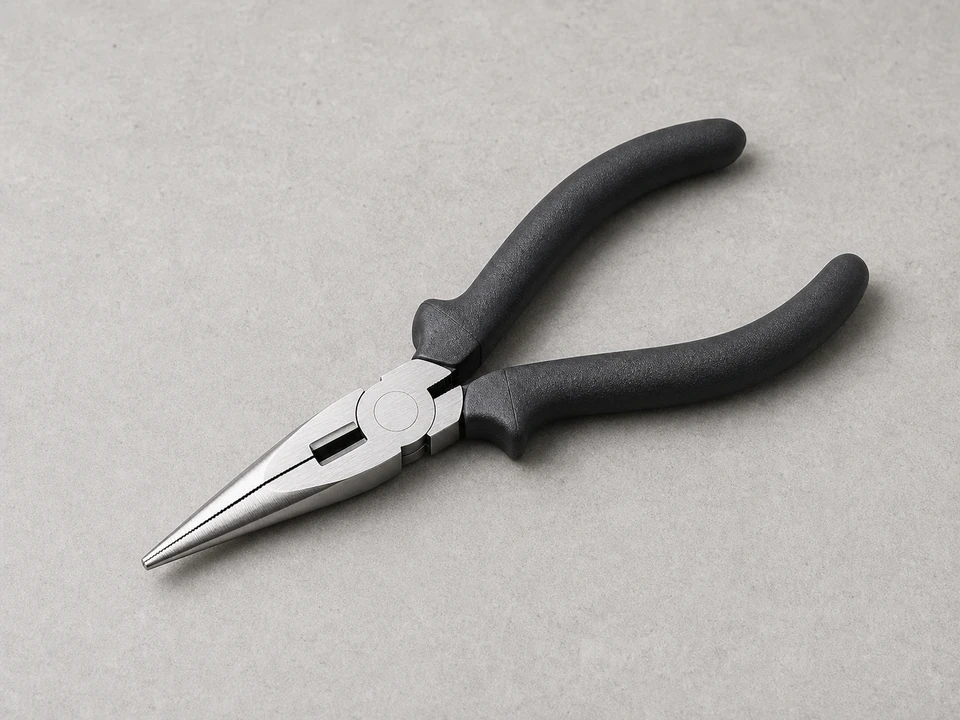
Use it for: To grip clips, pivot bars, or small hardware in narrow window channels.
Shop needle-nose pliers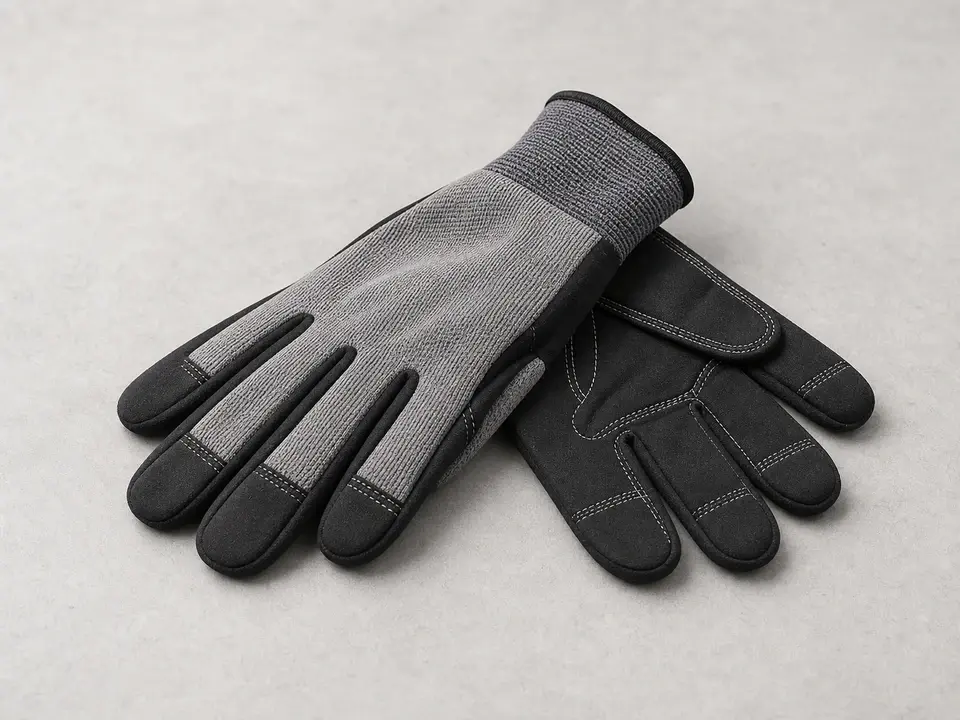
Use it for: To protect your hands from sharp metal edges and broken glass risks.
Shop work glovesAs an Amazon Associate I earn from qualifying purchases. Repair Riot may earn a commission at no extra cost to you.
If it works: You have clear signs that failed window balance hardware is causing the sash to move poorly or not stay in place.
If it doesn’t: If the window mainly sticks from paint, dirt, swelling, or a damaged lock or track, fix that issue first instead of replacing the balance.
If it works: The sash is out safely and the old balance hardware is available to match.
If it doesn’t: If the sash will not release, look again for hidden tilt latches, take-out clips, or stops rather than prying harder.
If it works: The replacement matches the old balance hardware closely enough to install without modifying the window.
If it doesn’t: If the new part differs in type, length, hook shape, shoe style, or strength marking, pause and get the correct replacement.
If it works: The new balance hardware is secured properly and the side channel is ready for the sash.
If it doesn’t: If the hardware will not sit flat or line up with the original mounting points, remove it and recheck the match and orientation.
If it works: The sash is back in the frame and moves through its travel without jumping out of the track.
If it doesn’t: If one side lags, drops, or sits higher than the other, remove the sash again and check that both sides are connected correctly.
If it works: The window opens smoothly, stays up on its own, closes evenly, and feels balanced in normal use.
If it doesn’t: If the sash still drops, binds, or sits crooked, recheck the part match, both side connections, and whether the opposite balance also needs replacement.
Match the balance type, length, strength stamp, and window compatibility before ordering.
As an Amazon Associate I earn from qualifying purchases. Repair Riot may earn a commission at no extra cost to you.
Not always, but it is often a good idea if both sides are the same age. A new balance on one side and a weak old one on the other can leave the sash uneven.
Match the old part by type, length, end fittings, mounting style, and any stamped strength marking. Photos and measurements of the old hardware help avoid ordering the wrong part.
No. A balance that is only close can leave the sash too heavy, too light, crooked, or unsafe. Match it as closely as possible to the original.
The most common causes are the wrong replacement, a missed connection at the sash, damage on the opposite side, or a broken pivot bar, shoe, or mounting point.
Usually yes for a standard sash window if you can remove and control the sash safely. Stop if the sash is too heavy, the glass is damaged, or the spring hardware is under tension you cannot manage.