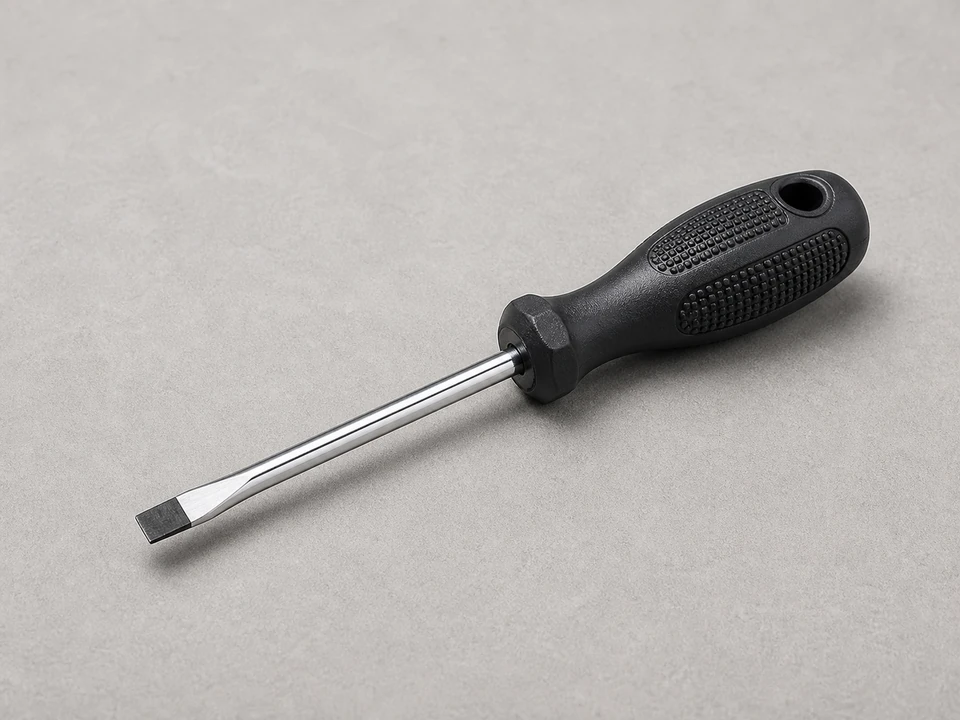
Flat screwdriver
Use it for: To remove take-out clips, pry trim carefully, or help release the balance.
Shop flat screwdriversIf your hung window drops shut, will not stay open, or feels loose on one side, replacing the window sash balance is often the right fix.
This repair is usually manageable for a careful homeowner, but the replacement has to match the old balance closely. Take the old part out first if needed so you can match the type, length, and markings before installing the new one.
Before you start: Match the balance type, length, strength stamp, and window compatibility before ordering.
Use it for: To remove take-out clips, pry trim carefully, or help release the balance.
Shop flat screwdrivers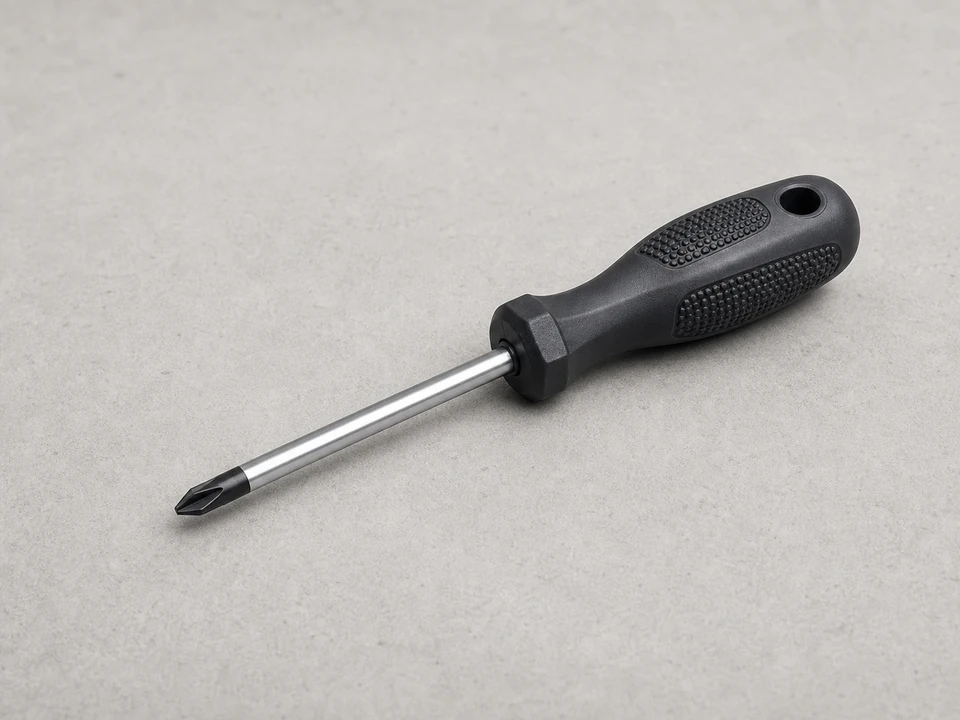
Use it for: To remove and reinstall screws that hold the balance or sash hardware.
Shop Phillips screwdrivers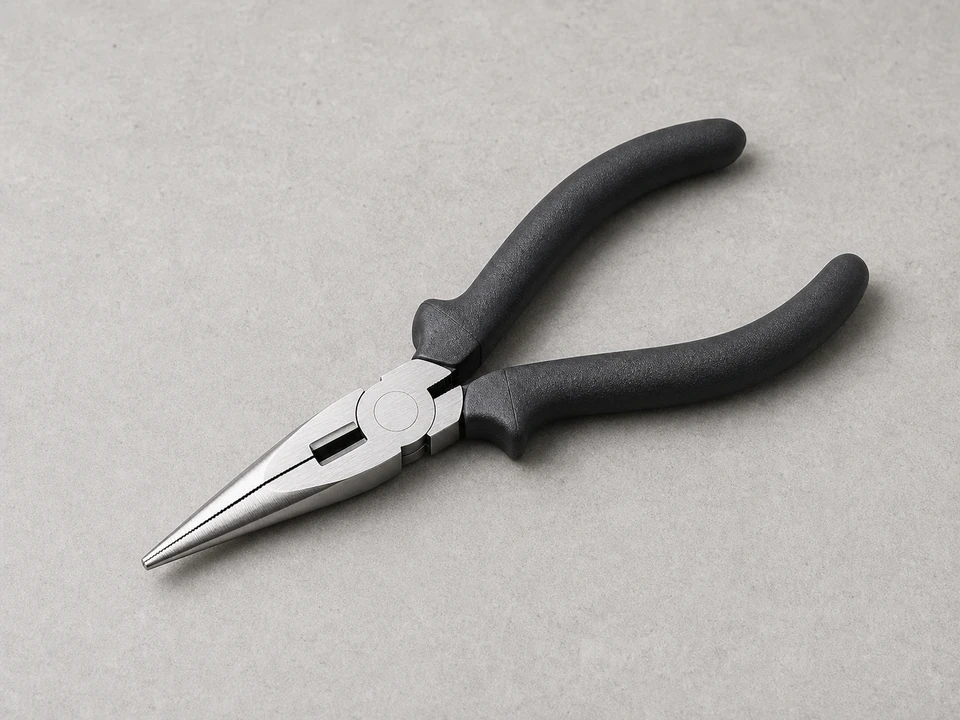
Use it for: To grab clips, guide the balance, and control small metal parts.
Shop needle-nose pliers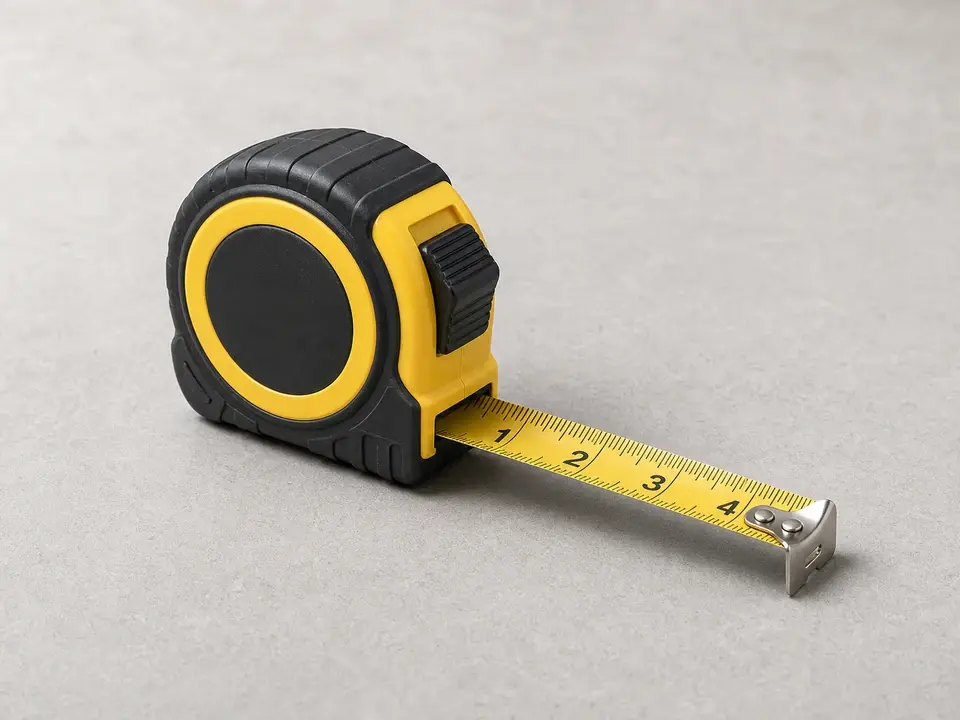
Use it for: To measure the old balance length so the replacement matches.
Shop tape measures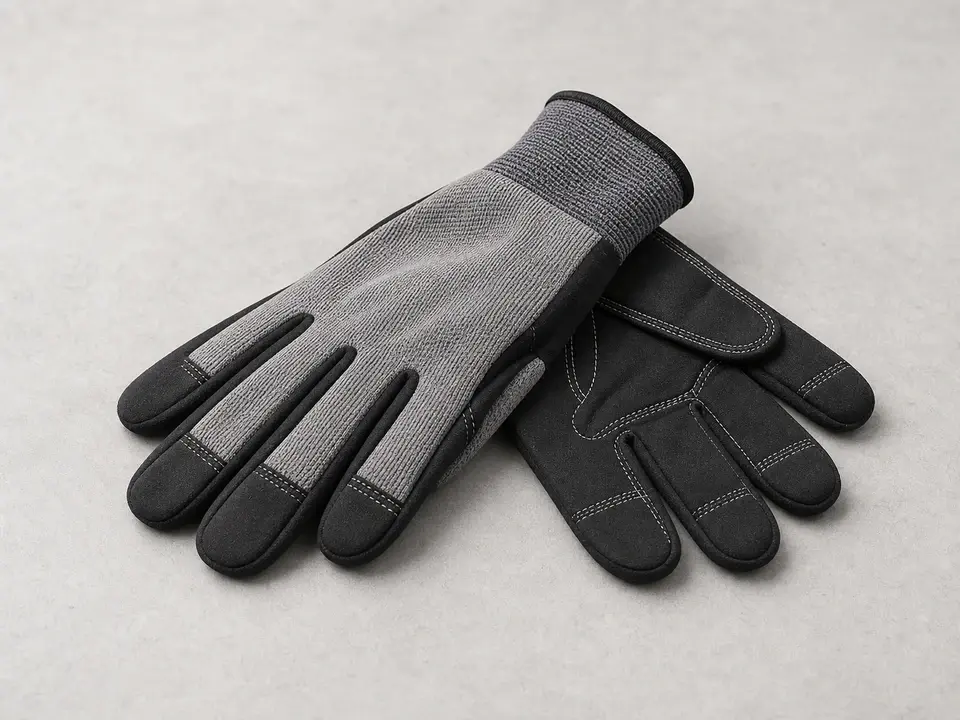
Use it for: To protect your hands from sharp metal edges and broken glass.
Shop work gloves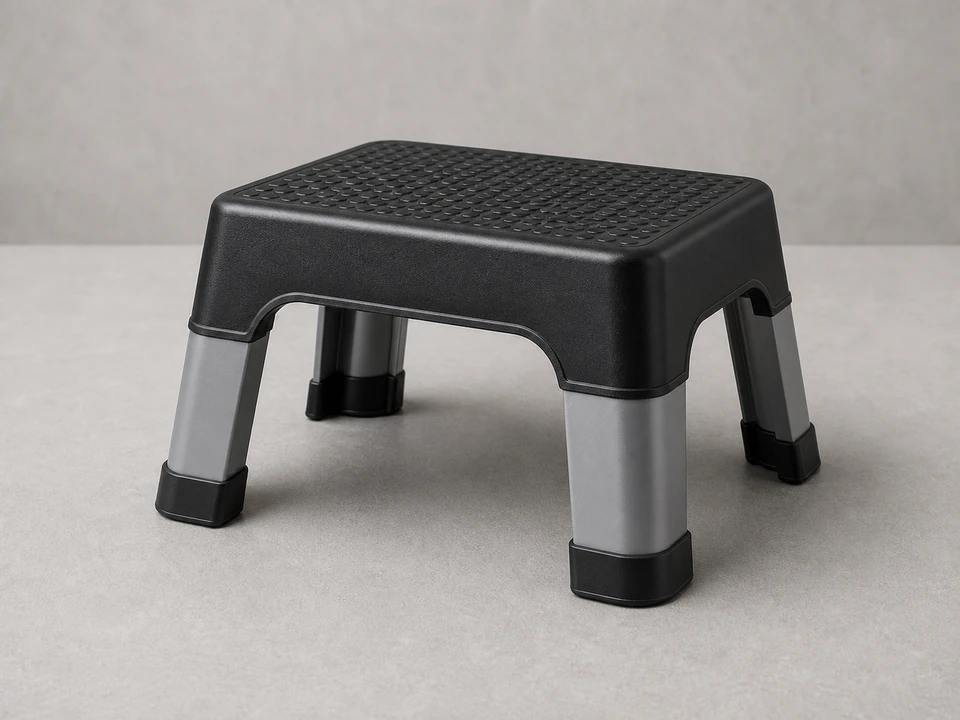
Use it for: To reach the upper sash track safely on taller windows.
Shop step stoolsAs an Amazon Associate I earn from qualifying purchases. Repair Riot may earn a commission at no extra cost to you.
If it works: You have signs that the sash balance is worn, broken, disconnected, or missing.
If it doesn’t: If the window stays in place and moves evenly, the problem may be dirty tracks, binding, or another sash hardware issue instead.
If it works: The sash is out and you can reach the balance hardware in the side track.
If it doesn’t: If the sash will not release, look again for hidden take-out clips, tilt latches, or screws holding the balance in place.
If it works: The old balance is out and the new one matches the original closely enough to install.
If it doesn’t: If the new part does not match, use the old balance and its markings to order the correct replacement before continuing.
If it works: The new balance is secured in the track and lines up with the sash hardware.
If it doesn’t: If the balance will not line up or seat fully, remove it and compare the end fittings and orientation to the old part again.
If it works: The sash is back in place and moves through the track without twisting or scraping badly.
If it doesn’t: If the sash sits crooked or one side lags behind, remove it again and check that both balances are attached at the same height and fully engaged.
If it works: The window opens smoothly, stays open on its own, and closes without one side dropping.
If it doesn’t: If the sash still slides down or feels uneven, recheck the balance match, attachment points, and whether both sides should have been replaced together.
Match the balance type, length, strength stamp, and window compatibility before ordering.
As an Amazon Associate I earn from qualifying purchases. Repair Riot may earn a commission at no extra cost to you.
Usually yes if the window uses a balance on both sides. When one fails, the other is often worn too, and replacing both helps the sash lift evenly and stay level.
Match the balance type, overall length, end fittings, and any stamped weight or strength marking on the old part. Taking the old balance out first is often the safest way to avoid ordering the wrong one.
No. A balance that is the wrong type, length, or strength can make the sash hard to move, unable to stay open, or unsafe to operate.
The new part may be the wrong match, installed backward, not fully connected, or only one side may have been replaced. A damaged shoe, pivot bar, sash, or track can also cause the same symptom.
No. Hung and tilt windows use a few different balance styles and release methods. The basic idea is similar, but the exact removal and attachment points can vary by window design.