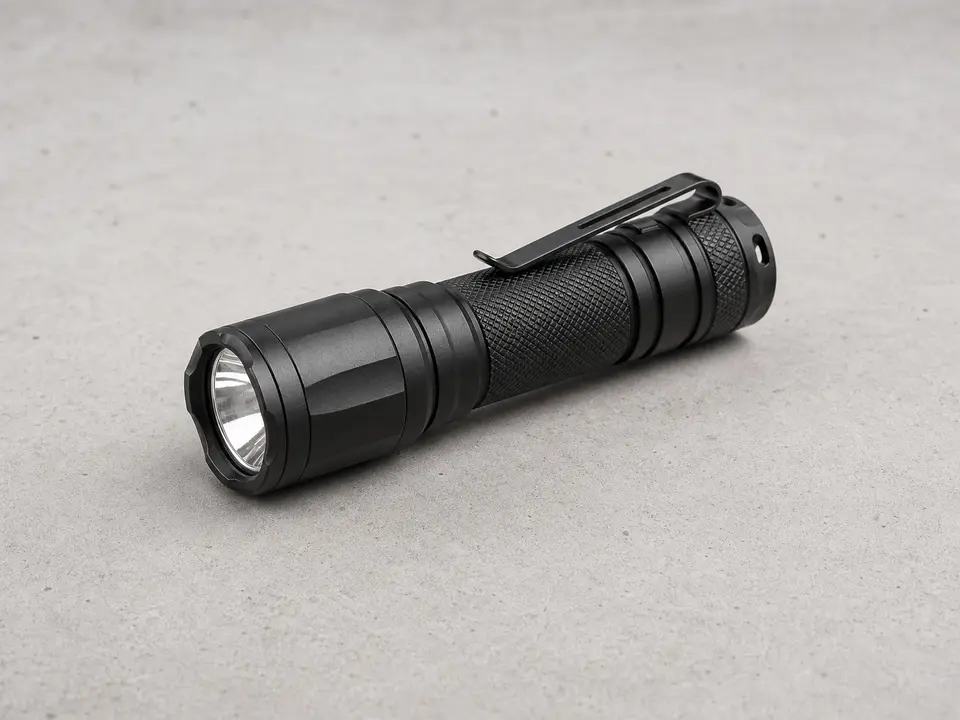
Flashlight
Use it for: Helps you see the panel handle position and check for scorch marks or melted insulation.
Shop flashlightsTo reset an HVAC breaker safely, first make sure this is the right fix, then turn the thermostat off, inspect for obvious damage or burning, and fully switch the tripped breaker to OFF before turning it back ON. If it trips again right away, stop and have the system diagnosed instead of repeatedly resetting it.
A breaker usually trips for a reason. Sometimes it is a one-time overload after a storm or power flicker. Other times it points to a short, a failing motor, a bad capacitor, or damaged wiring. This walkthrough helps you do a safe one-time reset and decide when to stop.
Before you start: Match the exact panel brand, breaker series, amperage, and pole configuration before ordering. Stop if the repair becomes unsafe or unclear.
Use it for: Helps you see the panel handle position and check for scorch marks or melted insulation.
Shop flashlights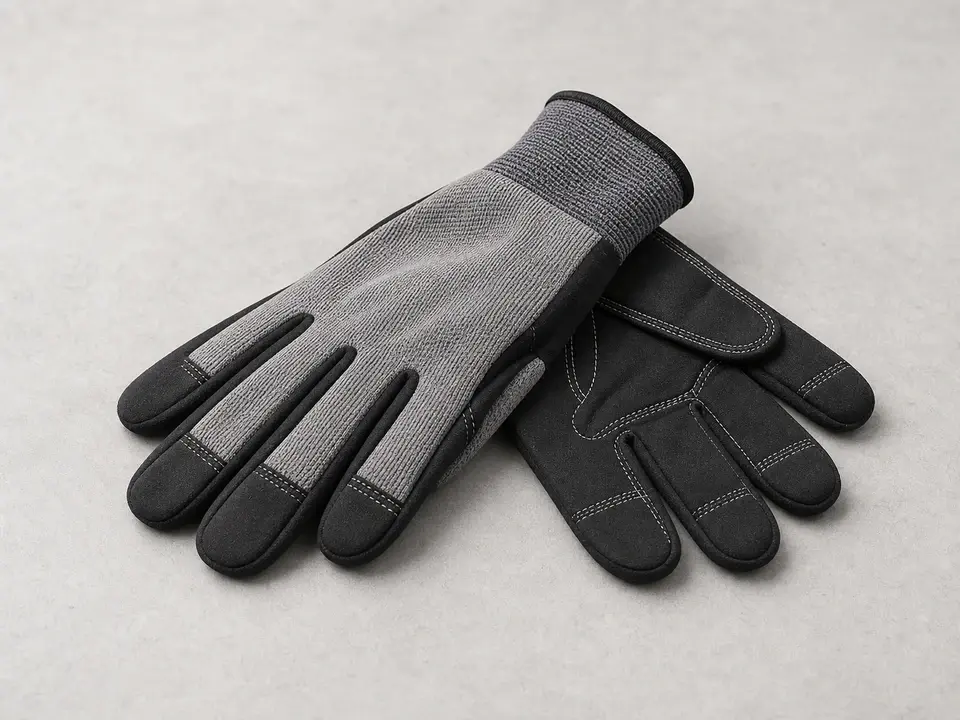
Use it for: Gives you a better grip and some protection while opening the panel area and handling the breaker door.
Shop work gloves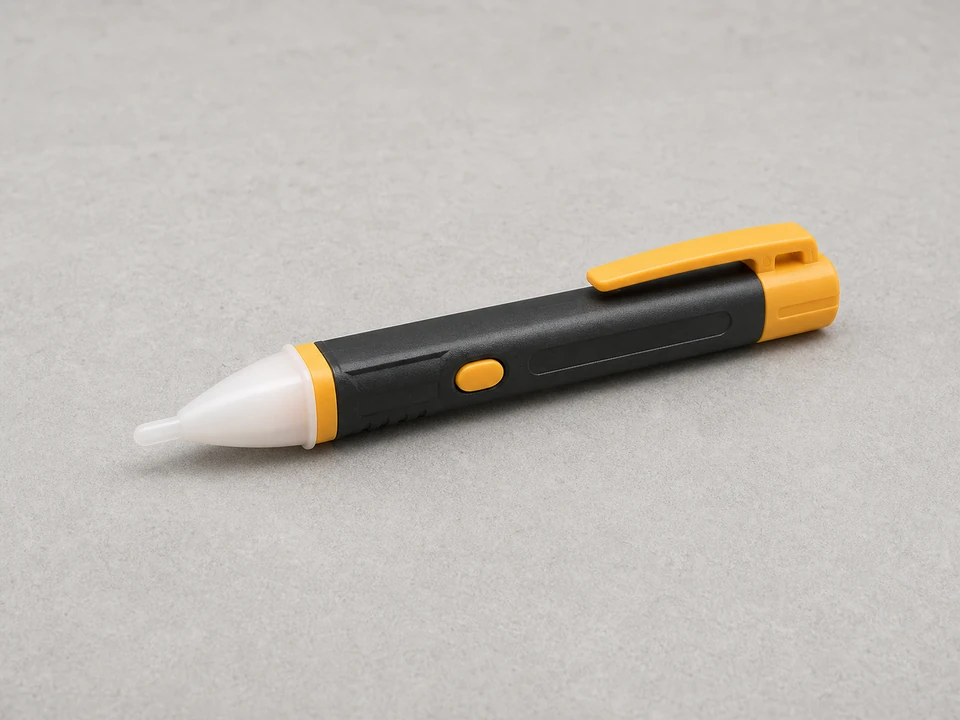
Use it for: Useful for a basic safety check around exposed wiring if the panel cover area is damaged or questionable.
Shop non-contact voltage testers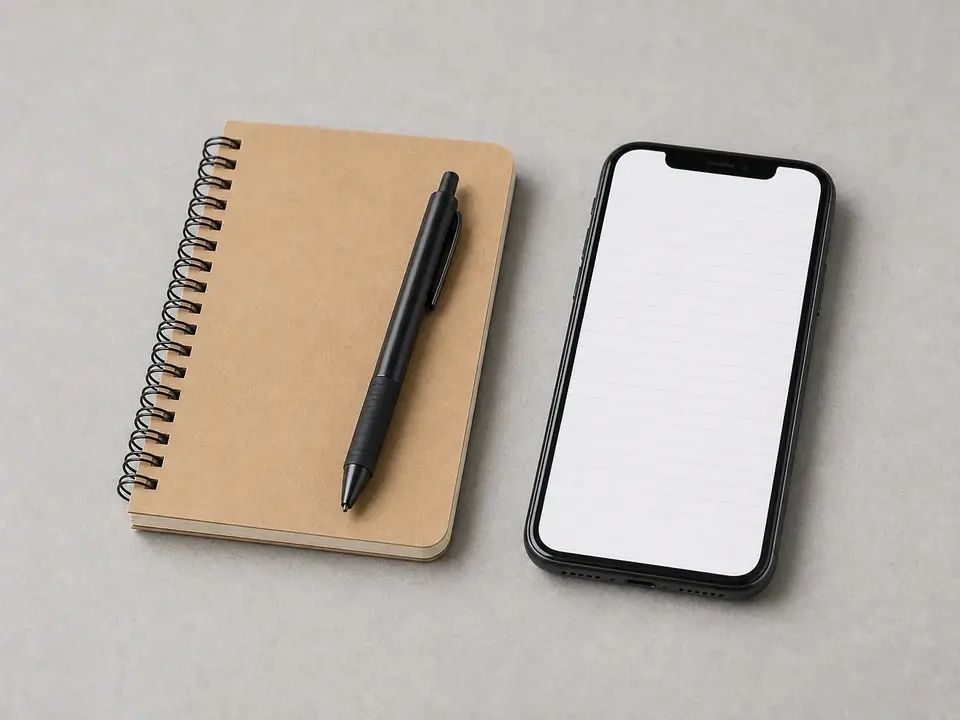
Use it for: Lets you note which breaker tripped and whether it trips again during testing.
Shop small notepadsAs an Amazon Associate I earn from qualifying purchases. Repair Riot may earn a commission at no extra cost to you.
If it works: You found a likely tripped HVAC breaker and a reset makes sense as a first check.
If it doesn’t: If no breaker is tripped, this is probably not a breaker-reset problem. Check the thermostat settings, filter condition, disconnect switch, or call for diagnosis.
If it works: The HVAC system is no longer calling for operation, so the breaker can be reset without an immediate load demand.
If it doesn’t: If the thermostat will not turn off or the panel area is wet, stop and correct that first before touching the breaker.
If it works: There are no obvious signs of burning, severe damage, or unsafe conditions from a quick visual check.
If it doesn’t: If you find visible damage, skip the reset and arrange service. Resetting into a short or failing component can make the problem worse.
If it works: The breaker stays in the ON position after being fully reset.
If it doesn’t: If the handle will not stay ON, the breaker is tripping immediately and the system needs diagnosis rather than more resets.
If it works: The system starts and runs through the first several minutes without tripping the breaker again.
If it doesn’t: If the breaker trips during startup or shortly after, leave it off and schedule service. Common root causes include a failing capacitor, motor problem, compressor issue, shorted wiring, or a breaker that is no longer holding properly.
If it works: The HVAC system runs normally, conditions the home, and the breaker stays set during real operation.
If it doesn’t: If comfort does not improve or the breaker trips again later, stop resetting it repeatedly and have the system diagnosed for the underlying electrical or mechanical fault.
A breaker trips to protect the circuit. Common causes include a power surge, a failing capacitor, a struggling blower or condenser motor, compressor trouble, damaged wiring, or a breaker that is wearing out.
No. One reset as a test is reasonable. If it trips again, there is likely an underlying fault and repeated resets can overheat wiring or damage equipment.
Only reset the breaker that is actually tripped. Some systems have separate breakers for indoor and outdoor equipment, so check both, but do not start flipping breakers at random.
Some breakers trip to a middle position that is easy to miss, so try the full OFF then ON reset once. If it still will not run, the problem may be the thermostat, disconnect, low-voltage controls, or an equipment failure rather than the breaker itself.
Breaker replacement is more involved than a reset because it can expose live parts inside the panel. Many homeowners are better off leaving breaker replacement to a qualified electrician unless they are trained and comfortable working in panels.