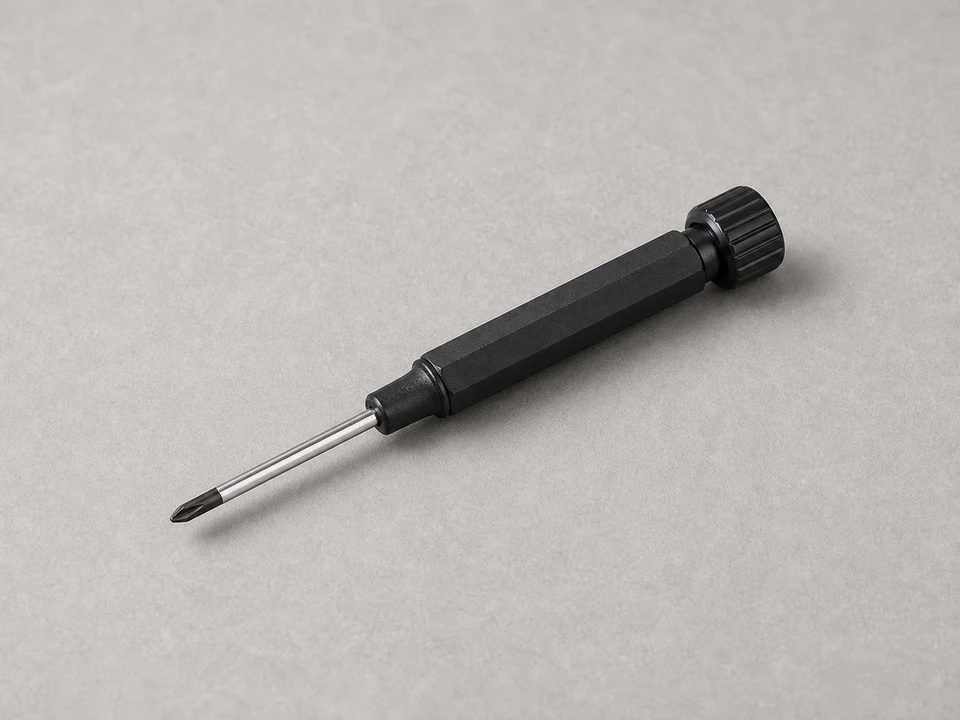
Small screwdriver
Use it for: To open the thermostat cover or remove it from its wall plate if needed.
Shop small screwdriversTo reset a thermostat, first make sure a reset is actually the right fix, then check power, replace weak batteries if it uses them, and use the thermostat's reset option or a brief power cycle. Afterward, restore the temperature settings and confirm the boiler responds normally.
A thermostat reset can clear a frozen screen, bad schedule setting, or simple control glitch. It will not fix wiring problems, a failed thermostat, or a boiler fault, so start with a quick diagnosis before you wipe settings.
Before you start: Match the thermostat type, wiring style, voltage, and heating system before ordering a replacement or trying a full reset. Stop if the repair becomes unsafe or unclear.
Use it for: To open the thermostat cover or remove it from its wall plate if needed.
Shop small screwdrivers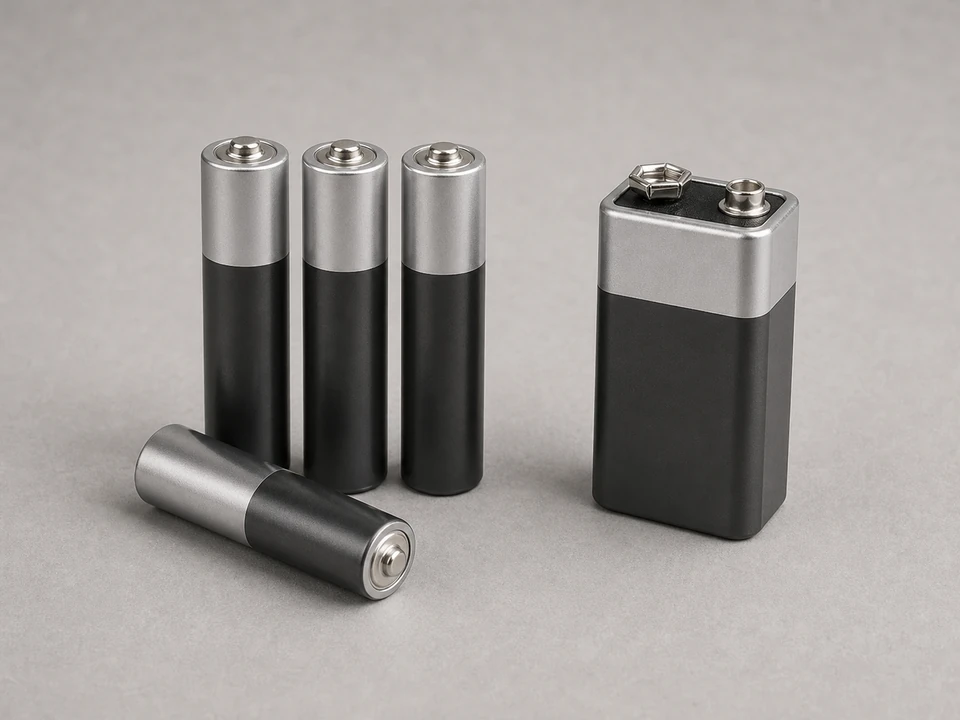
Use it for: Many thermostats need new batteries before they will restart or hold settings properly.
Shop thermostat batteries
Use it for: To take a picture of the current settings and wiring before you change anything.
Shop camera phones and accessories
Use it for: To find the correct reset method if the thermostat has a menu-based reset.
Find thermostat manualsAs an Amazon Associate I earn from qualifying purchases. Repair Riot may earn a commission at no extra cost to you.
If it works: You have a good reason to try a thermostat reset instead of jumping straight to part replacement.
If it doesn’t: If the thermostat responds normally but the boiler still does not run, the problem is likely elsewhere in the heating system rather than in the thermostat settings.
If it works: The thermostat powers up cleanly and is ready for a reset or setup check.
If it doesn’t: If the screen stays blank after fresh batteries or confirmed power, the thermostat may have failed or may not be getting power from the system.
If it works: You have a record of the settings so the reset does not create extra guesswork afterward.
If it doesn’t: If you cannot access the settings, continue carefully and plan to re-enter only the basic time, day, and temperature settings after the reset.
If it works: The thermostat restarts, clears the glitch, and accepts normal button input again.
If it doesn’t: If the thermostat still freezes, stays blank, or immediately returns to the same problem, replacement or further diagnosis is more likely than another reset.
If it works: The thermostat is set up again and is actively calling for heat when you raise the temperature.
If it doesn’t: If the thermostat appears to call for heat but the boiler does not respond, the issue may be with wiring, a control relay, or the boiler itself.
If it works: The thermostat responds normally, keeps its settings, and the heating system follows its commands.
If it doesn’t: If the problem returns after a short time, replace the thermostat or have the control wiring and boiler controls checked.
Sometimes, but only if the thermostat is frozen, misprogrammed, or not sending a proper call for heat. If the thermostat resets normally and still cannot start the boiler, the fault may be in the wiring, controls, or the boiler itself.
It can. Some resets only restart the thermostat, while others restore factory settings and clear schedules, time, and preferences. That is why it helps to photograph the settings first.
A blank screen after fresh batteries usually points to lost power, poor battery contact, a failed thermostat, or a wiring issue on a hardwired unit. A reset will not usually fix a thermostat that has no power at all.
A short power break is often enough for a simple restart. If the thermostat has a built-in reset option, use that first because it is usually more reliable than guessing at a power-off time.
Replace it if it keeps freezing, loses settings, has a fading or blank display with confirmed power, or does not reliably call for heat after a proper reset and setup.