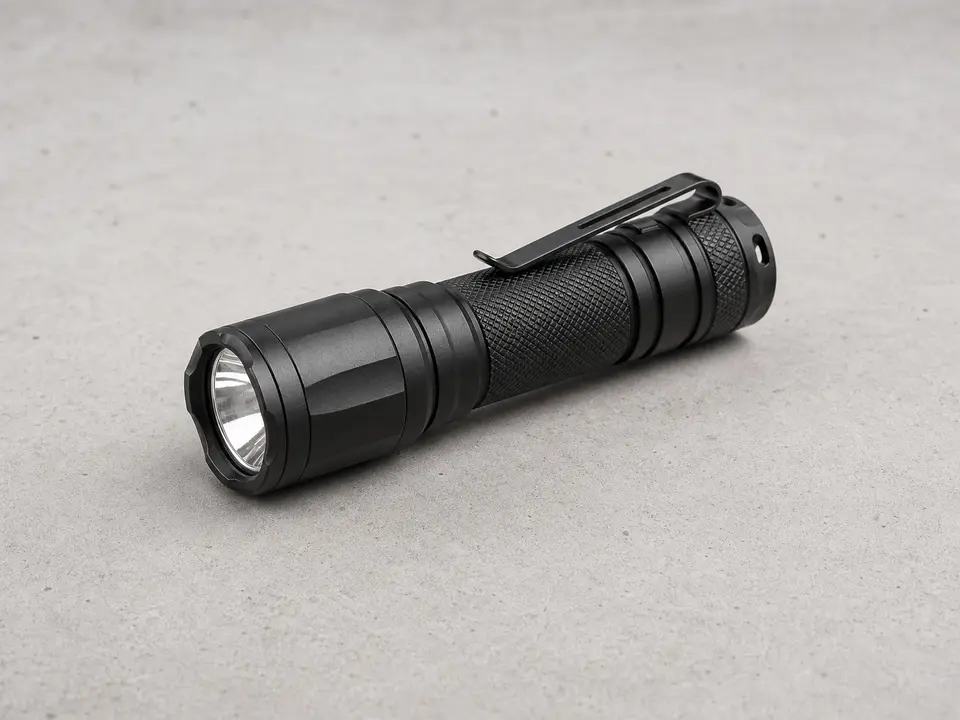
Flashlight
Use it for: Helps you read small labels, screen icons, and wiring area markings if the thermostat is in a dim hallway.
Find a small household flashlightTo set a thermostat to heat, switch the system mode to Heat, raise the set temperature above the current room temperature, and wait a few minutes for the boiler to respond.
If the thermostat is set wrong, the boiler may never get a call for heat even though the rest of the system is fine. This is a simple first check that can restore heat without taking anything apart.
Before you start: Choose a thermostat that matches your heating system type and wiring before ordering a replacement. Stop if the repair becomes unsafe or unclear.
Use it for: Helps you read small labels, screen icons, and wiring area markings if the thermostat is in a dim hallway.
Find a small household flashlight
Use it for: Useful if the buttons or menu names are not obvious.
Browse thermostat guides and manuals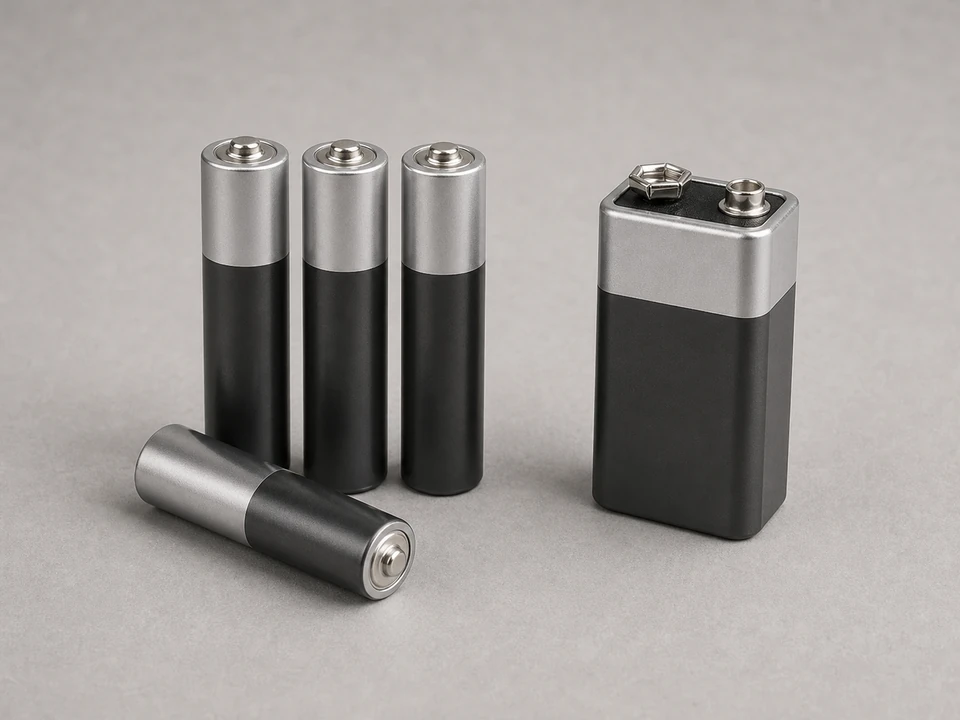
Use it for: Some thermostats will not control heat correctly with weak or dead batteries.
Buy thermostat batteries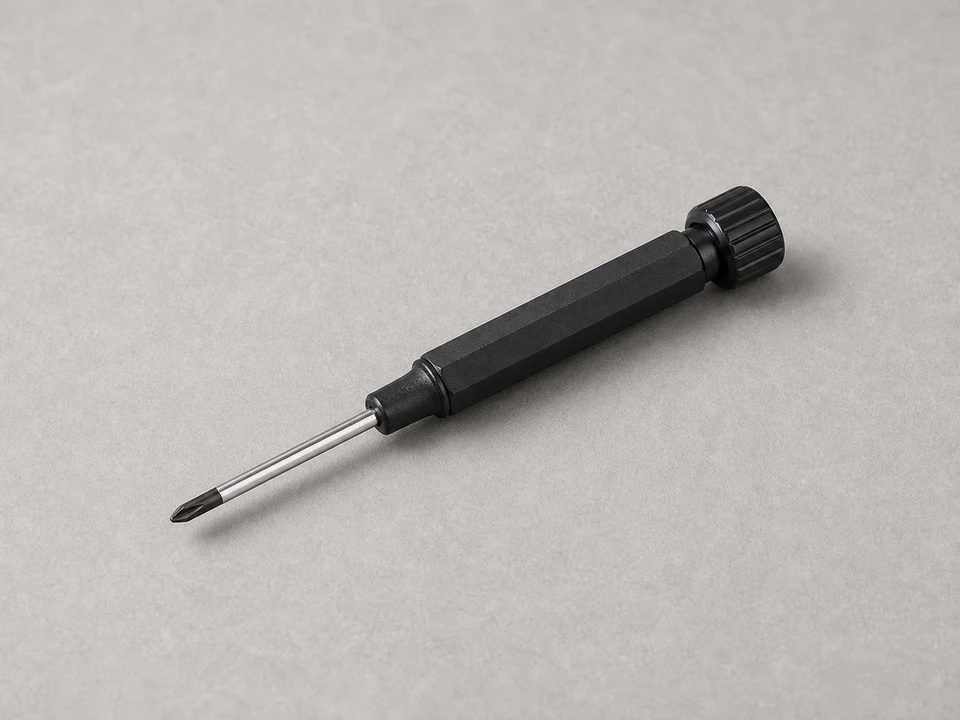
Use it for: Needed only if you have to open the thermostat cover or battery compartment.
Get a small screwdriver setAs an Amazon Associate I earn from qualifying purchases. Repair Riot may earn a commission at no extra cost to you.
If it works: You confirmed the thermostat setting could realistically be the reason the boiler is not heating.
If it doesn’t: If the thermostat is already in Heat and set well above room temperature, move on to checking power, batteries, or boiler response instead of repeating this step.
If it works: The thermostat has power and you can use the controls normally.
If it doesn’t: If the display stays blank after fresh batteries, check for a tripped breaker or a power issue to the heating controls.
If it works: The thermostat display now shows Heat mode.
If it doesn’t: If you cannot find a Heat setting, check the thermostat guide because some models hide mode changes inside a menu.
If it works: The thermostat is actively calling for heat.
If it doesn’t: If the set temperature keeps dropping back, disable the schedule temporarily or use Hold, then try again.
If it works: The boiler responds and heat starts moving into the home.
If it doesn’t: If the thermostat is definitely calling for heat but the boiler does nothing, the problem is likely elsewhere in the heating system and not just the thermostat setting.
If it works: The thermostat is set correctly, the boiler responds, and the heating setting holds during normal use.
If it doesn’t: If heat worked briefly but the thermostat changes modes, loses power, or stops calling for heat, the thermostat may need new batteries, reprogramming, or replacement.
A common reason is that the thermostat is set to Off, Cool, or a temperature below the current room temperature. If it is already in Heat and calling for heat, the problem may be with power, wiring, or the boiler itself.
Set it about 3 to 5 degrees above the current room temperature. That gives a clear call for heat and makes it easier to tell whether the boiler responds.
It may be following a programmed schedule. Use a Hold setting or temporarily disable the schedule, then test Heat mode again.
For a simple heating test, use Heat. Auto can work normally in some homes, but Heat removes confusion and makes it clear the thermostat is asking only for heating.
No. It can also mean dead batteries, a tripped breaker, a loose faceplate, or lost power to the heating controls.