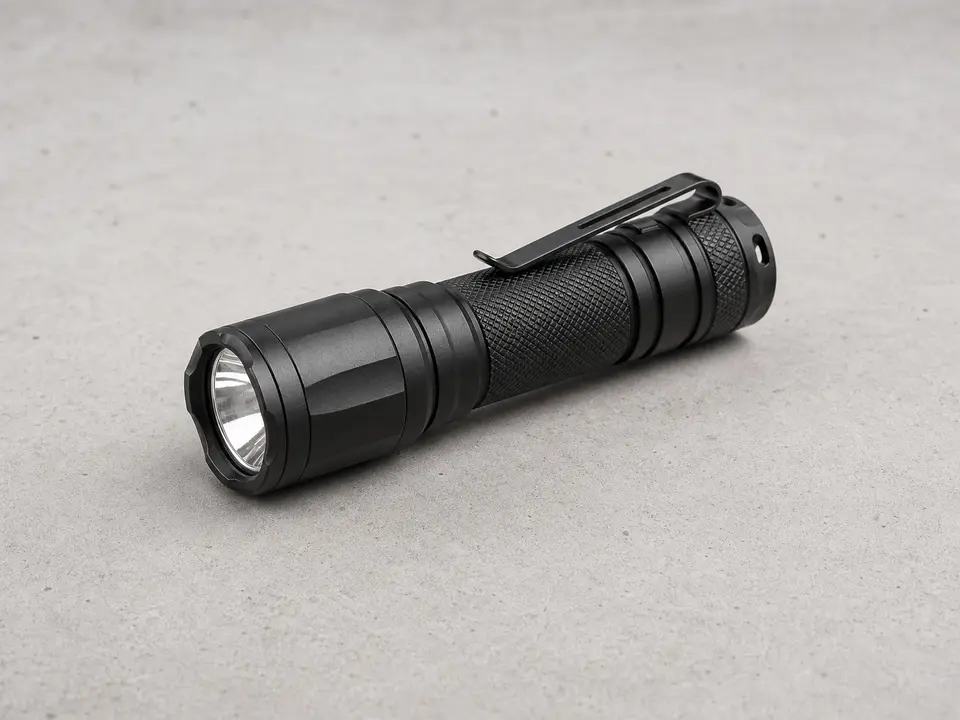
Flashlight
Use it for: Helps you find the shutoff valve in a basement, crawlspace, utility room, or cabinet.
Shop flashlightsTo shut off water to an outdoor faucet, find the indoor shutoff valve that feeds that faucet, turn the valve fully off, then open the outdoor faucet to drain the remaining water from the line.
Most outdoor faucets are controlled by a small shutoff valve inside the house, usually near the spot where the faucet comes through the wall. The job is simple once you find the right valve, but it helps to confirm you are shutting off the correct line before you leave the faucet for the season or start a repair.
Before you start: Match the part or procedure carefully before you start. Stop if the repair becomes unsafe or unclear.
Use it for: Helps you find the shutoff valve in a basement, crawlspace, utility room, or cabinet.
Shop flashlights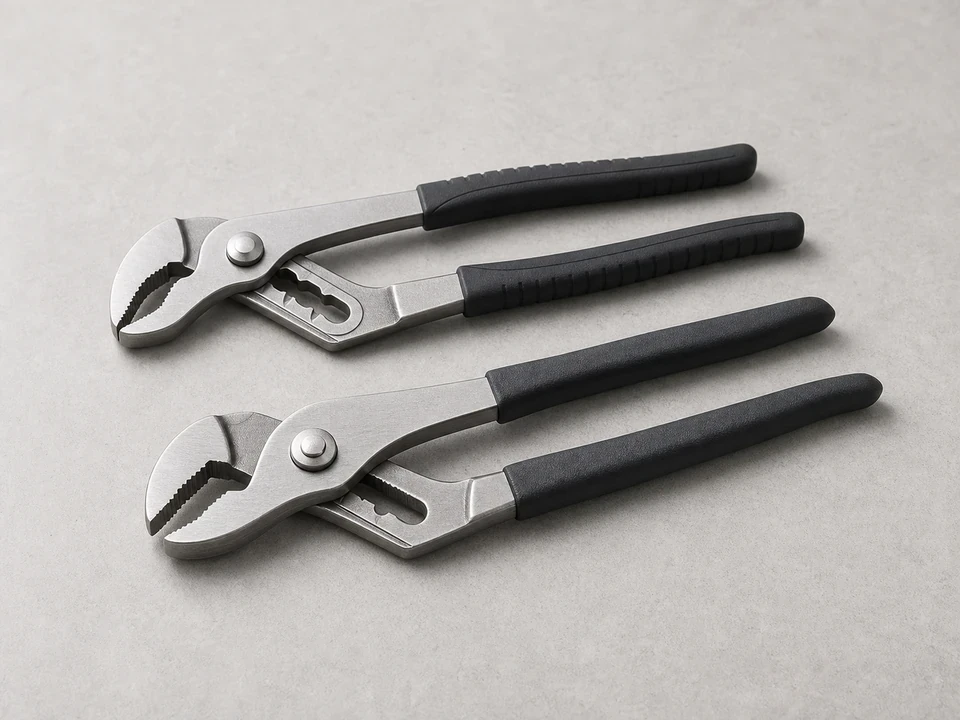
Use it for: Useful if the valve handle is stiff and needs a little extra grip.
Shop adjustable pliers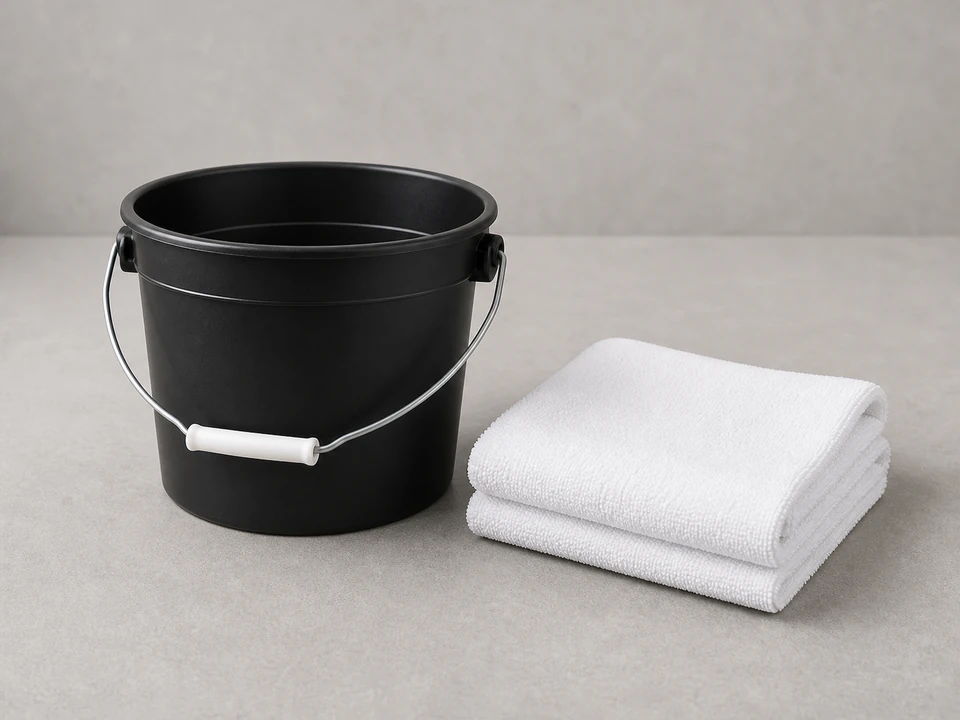
Use it for: Catches leftover water when you drain the faucet or any bleeder cap nearby.
Shop buckets and towels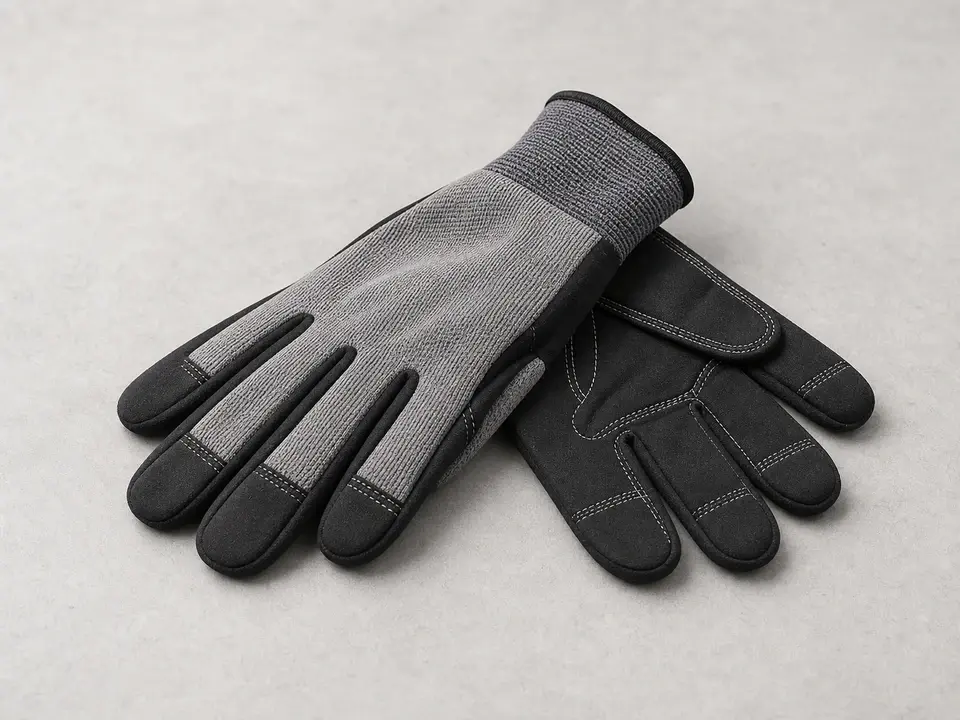
Use it for: Protects your hands when reaching around pipes, framing, or rough surfaces.
Shop work glovesAs an Amazon Associate I earn from qualifying purchases. Repair Riot may earn a commission at no extra cost to you.
If it works: You have confirmed you are trying to isolate an outdoor faucet, not shut off water to the whole house.
If it doesn’t: If you cannot find a dedicated valve, you may need to trace the pipe farther back or temporarily use the main house shutoff until you identify the correct branch line.
If it works: You have located the valve most likely feeding the outdoor faucet.
If it doesn’t: If several valves are close together, leave the outdoor faucet closed for now and test one valve at a time in the next step until you identify the correct one.
If it works: The valve is in the fully closed position.
If it doesn’t: If the valve will not move by hand, try a little more controlled pressure. If it still will not move, leave it alone and use the main shutoff until the valve can be repaired or replaced.
If it works: The remaining water has drained from the faucet line and the faucet no longer has pressure behind it.
If it doesn’t: If water keeps running steadily, the wrong valve is closed or the shutoff is not sealing fully. Reopen the faucet outside, go back inside, and identify or test the correct valve.
If it works: The faucet stays off except for a brief leftover dribble, which means the line is isolated.
If it doesn’t: If pressure comes back, another line may be feeding that faucet or the shutoff valve may be passing water. Trace the piping farther back or use the main shutoff until the branch valve issue is fixed.
If it works: The faucet is shut off, the line is drained as needed, and there are no new leaks at the valve or nearby piping.
If it doesn’t: If you see drips at the shutoff after everything is set, the valve may need packing, repair, or replacement before you rely on it.
It is often inside the house on the pipe feeding the faucet, usually in a basement, crawlspace, utility room, or cabinet near the same exterior wall.
Some homes do not have a separate shutoff for each outdoor faucet. In that case, you may need to trace the branch line farther back or use the main water shutoff until you can identify the right valve.
Yes, if you are winterizing or trying to drain the line. Leaving it open helps any remaining water escape and reduces the chance of trapped pressure or freeze damage.
A little leftover water is normal while the line drains. A steady flow usually means you closed the wrong valve or the shutoff is not sealing completely.
Only gently and only if the handle is stiff. If the valve starts leaking, the pipe twists, or the handle feels like it may snap, stop and avoid forcing it.