
Work gloves
Use it for: Keeps your hands clean when checking salt, brine residue, or damp tank parts.
Shop work glovesTo start a water softener manual regeneration, make sure the unit has salt, is not in bypass, and has power, then use the control button or knob to begin a regeneration cycle. Let the cycle run fully and check afterward that soft water has returned.
A manual regeneration is a good next step when your water starts feeling hard, you just added salt after the tank ran low, or you want to help the softener catch up after heavy water use. The exact button name varies, but the setup checks are mostly the same.
Before you start: Buy supplies that match your softener type and the salt it uses. If you are replacing a cap, float, or other part while troubleshooting, match your model before ordering. Stop if the repair becomes unsafe or unclear.
Use it for: Keeps your hands clean when checking salt, brine residue, or damp tank parts.
Shop work gloves
Use it for: Helps you see the salt level, salt bridge, and control panel clearly.
Shop flashlights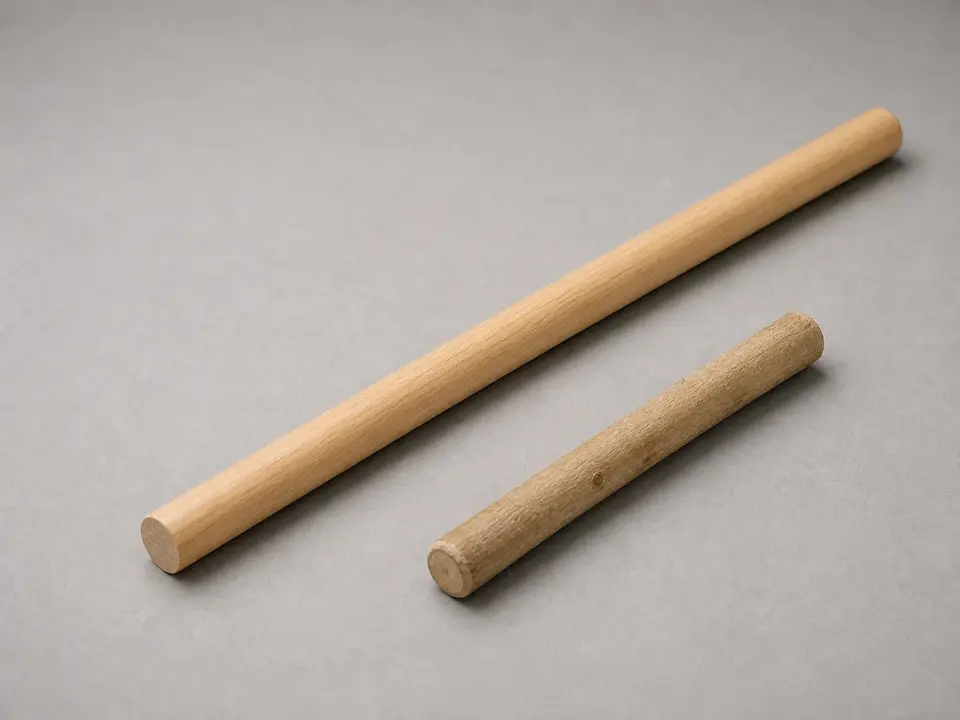
Use it for: Useful for gently checking for a salt bridge near the top of the brine tank.
Find a broom handle or blunt probing tool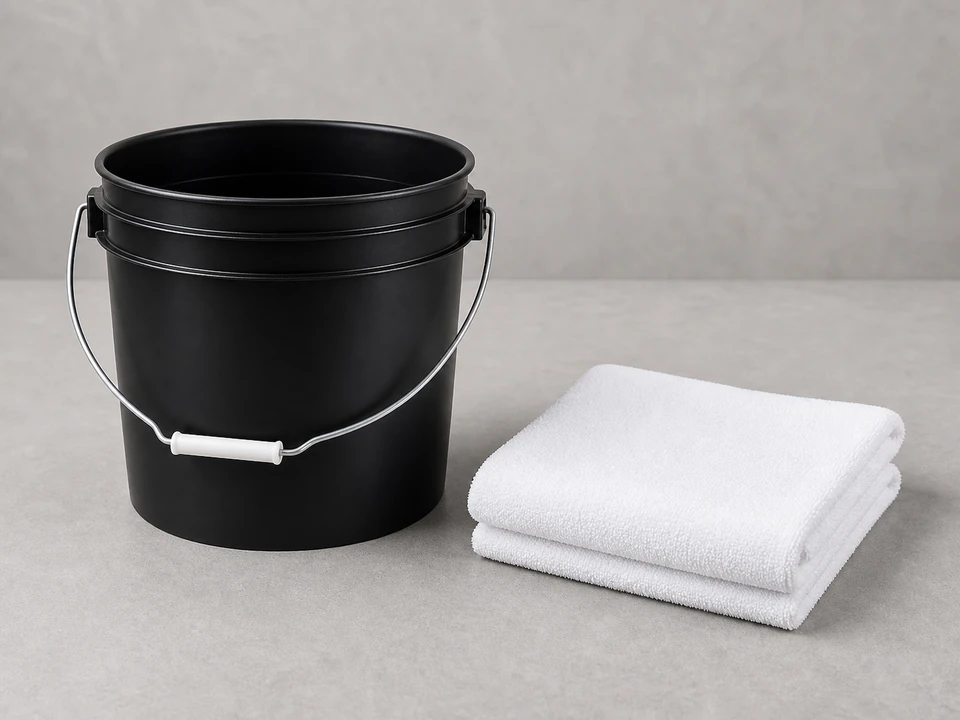
Use it for: Catches minor drips if you open the brine tank or notice a small spill nearby.
Shop utility towels and buckets
Use it for: Lets you confirm whether the softener is actually producing soft water after regeneration.
Shop water hardness test stripsAs an Amazon Associate I earn from qualifying purchases. Repair Riot may earn a commission at no extra cost to you.
If it works: You have a powered softener in service mode, and a manual regeneration makes sense as the next troubleshooting step.
If it doesn’t: If the unit has no power, is in bypass, or is actively leaking, correct that issue first before trying to start a regeneration.
If it works: The brine tank has usable salt and no obvious salt bridge blocking normal brine making.
If it doesn’t: If the tank is badly packed with salt mush or the float area looks jammed, clean the tank or address that problem before expecting a regeneration to work well.
If it works: The softener accepts the command and begins a regeneration stage instead of staying idle.
If it doesn’t: If nothing happens, recheck power, bypass position, and whether the control is locked or already in a cycle. If it still will not respond, the issue may be with the timer, motor, or control head rather than the need for regeneration.
If it works: The softener appears to move through the early regeneration stages without leaking, overflowing, or stalling immediately.
If it doesn’t: If the unit starts but does not send water to drain, does not draw brine, or seems stuck in one position, the regeneration command worked but another softener problem still needs diagnosis.
If it works: The softener completes the cycle and returns to normal service mode.
If it doesn’t: If the unit never returns to service, keeps running to drain, or stops mid-cycle, the softener likely has a control, valve, drain, or brine-draw problem that manual regeneration alone will not fix.
If it works: The water is softer again, the softener stays in service mode, and no new leaks or overflow show up after normal use.
If it doesn’t: If the water is still hard after a full regeneration, the softener may have a resin, injector, venturi, brine-draw, control, or bypass problem that needs deeper troubleshooting.
Many softeners take more than an hour to complete a full regeneration. The exact time varies by design and settings, so let the cycle finish fully before judging the result.
Usually yes, but it is better to limit water use if you can. Heavy use during regeneration can reduce how well the unit recharges and may send hard water through the house.
Salt alone does not guarantee the softener is working. A blocked injector, stuck valve, brine draw problem, bypass issue, exhausted resin, or control problem can all leave you with hard water even when the tank has salt.
Yes, that is often a good idea if the tank ran low or empty and the water has turned hard. Just make sure the salt can actually make brine and is not bridged or packed into mush.
That is normal during parts of the cycle. The softener uses drain flow to backwash and rinse. It should stop when the cycle is complete and the unit returns to service.