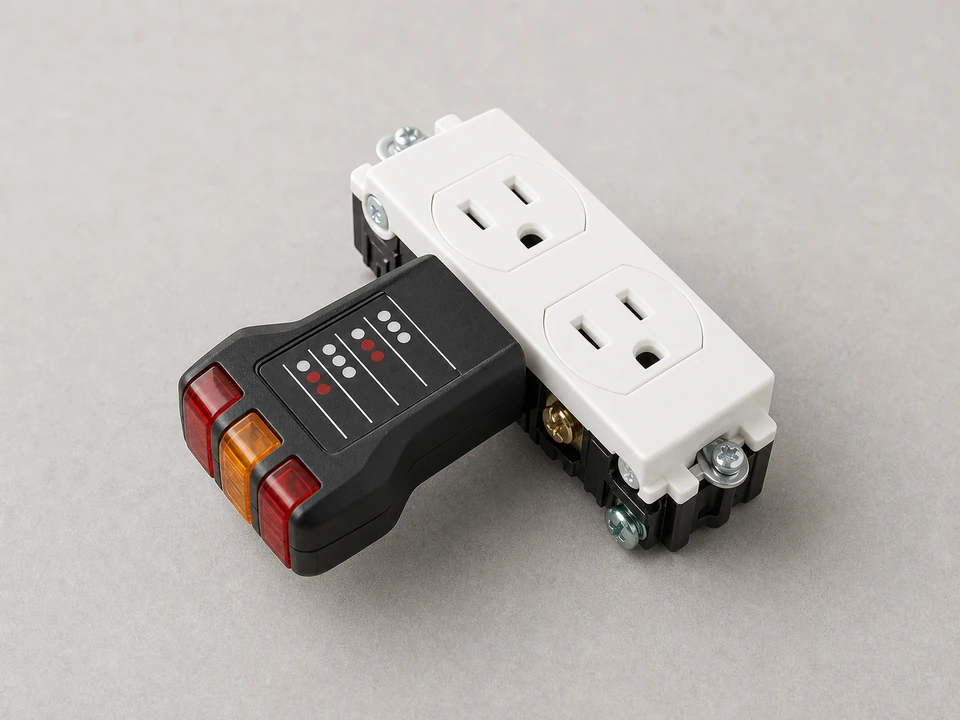
Plug in outlet tester
Use it for: Shows quickly whether a standard outlet has power and can also flag common wiring problems.
Find a plug-in outlet testerTo test an outlet for power, first confirm the appliance itself works in another outlet, then use a plug-in outlet tester or a multimeter to see whether the outlet is live and wired correctly.
This is a good first check when an electric heater will not run. The goal is to separate a dead outlet, a tripped reset device, or a breaker issue from a heater problem.
Before you start: Match the outlet style, amperage, voltage, and wiring setup before buying any replacement part or tester. Stop if the repair becomes unsafe or unclear.
Use it for: Shows quickly whether a standard outlet has power and can also flag common wiring problems.
Find a plug-in outlet tester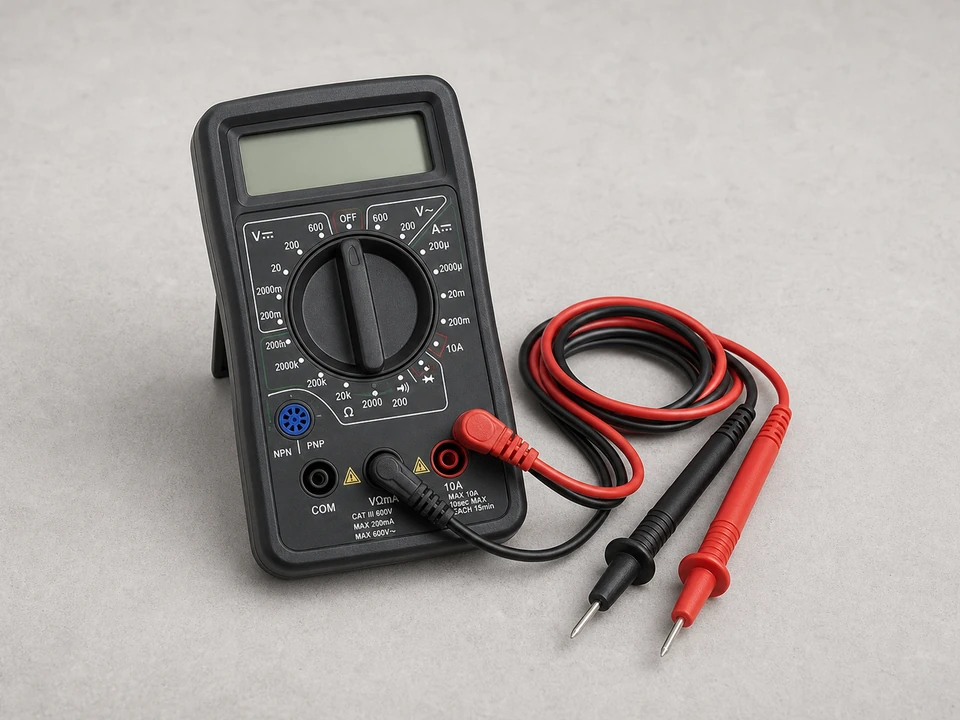
Use it for: Lets you confirm voltage when you need a more exact reading or the plug-in tester result is unclear.
Find a digital multimeter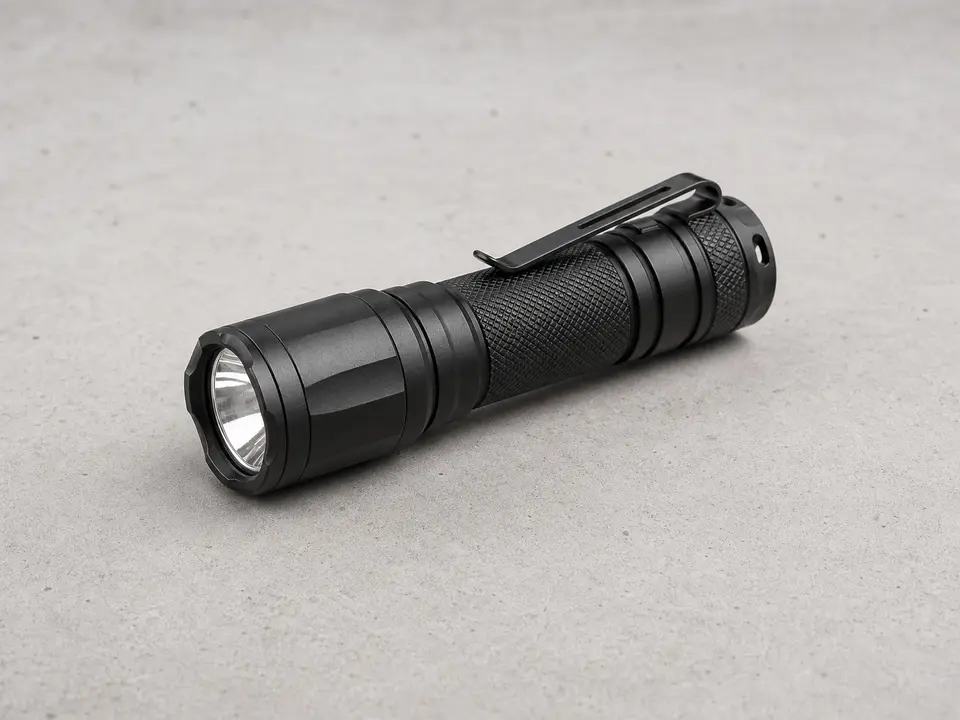
Use it for: Helps you inspect the outlet face, nearby reset buttons, and the breaker panel safely.
Find a flashlight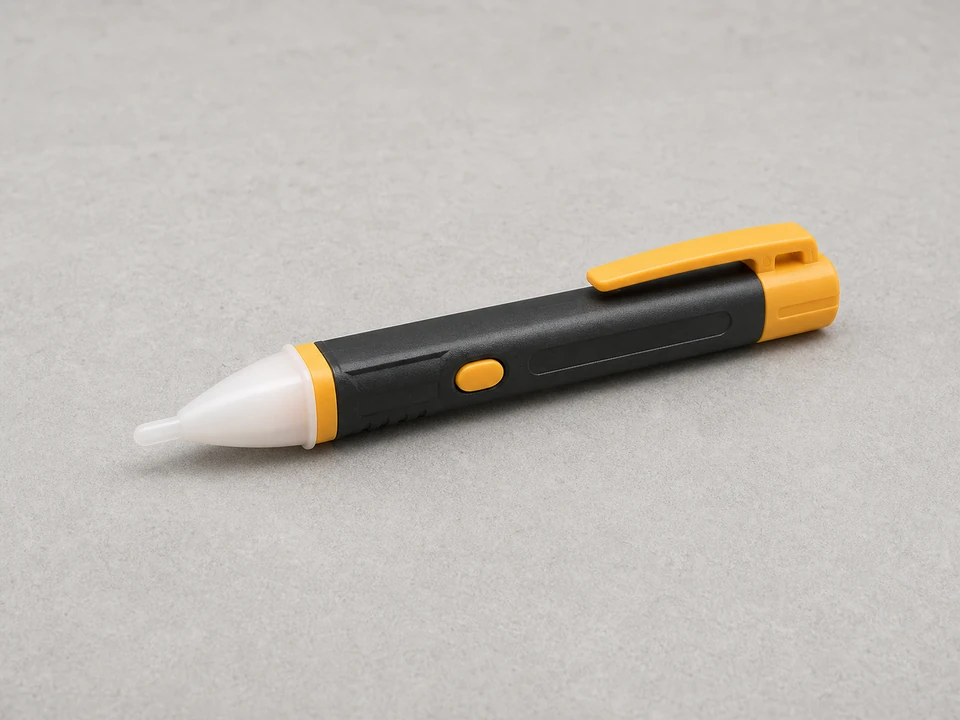
Use it for: Adds a quick extra safety check before touching a loose or damaged outlet.
Find a non-contact voltage testerAs an Amazon Associate I earn from qualifying purchases. Repair Riot may earn a commission at no extra cost to you.
If it works: You have good reason to suspect the original outlet is the problem.
If it doesn’t: Try a different appliance you know works, like a lamp or phone charger, to confirm whether the original outlet is actually the issue.
If it works: Any simple reset has been handled before you start testing the outlet itself.
If it doesn’t: If nothing was tripped and the outlet is still suspect, move on to testing with a plug-in tester or multimeter.
If it works: You now know whether the outlet has power and whether the tester sees a common wiring problem.
If it doesn’t: If the tester result is unclear, the outlet style is not compatible, or you want to confirm voltage, check it with a multimeter next.
If it works: You have a direct voltage reading from the outlet.
If it doesn’t: If you are not confident using a multimeter around live power, stop with the diagnosis you already have and call an electrician for the next step.
If it works: You have narrowed the problem to the outlet circuit or the appliance itself.
If it doesn’t: If the pattern still does not make sense, map which outlets work and which do not before calling for service. That helps pinpoint whether the fault is local or upstream.
If it works: The outlet works under normal use without losing power again.
If it doesn’t: If power returns briefly and then drops out, or the breaker trips again, the problem is not solved and the circuit needs further diagnosis.
Yes. A plug-in outlet tester is the simplest option for a standard household outlet. It can quickly show whether the outlet has power and whether it has a common wiring fault.
A nearby GFCI may be tripped, a wall switch may control the outlet, the receptacle itself may have failed, or there may be a loose connection upstream on the same circuit.
That usually points back to the heater, its plug, or its internal safety controls rather than the outlet. Confirm by trying the heater in another known working outlet.
No. The receptacle may be fine but not receiving power because of a tripped reset device, a breaker issue, or a loose connection elsewhere on the circuit.
Call if you find burn marks, melting, buzzing, repeated breaker trips, unstable voltage readings, multiple dead outlets, or any sign of a loose or overheated connection.