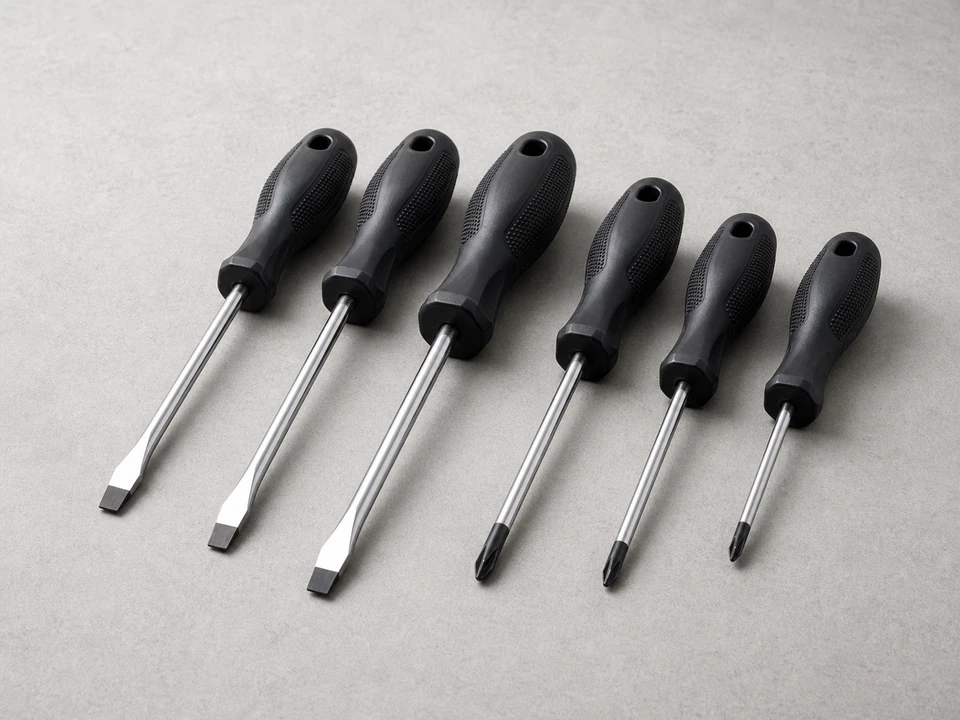
Manual screwdriver set
Use it for: Lets you match the screw head closely and tighten with better control than a drill.
Shop screwdriver setsIf a door is sagging, rubbing, or the hinge leaves look loose against the frame or door edge, tightening the hinge screws is the right first repair.
This is a simple fix when the screws have backed out but the hinge and surrounding wood are still sound. Work with the door supported so you do not strip the screw heads or let the door shift while you tighten them.
Before you start: Match the hinge size, corner style, finish, and handedness before ordering. Stop if the repair becomes unsafe or unclear.
Use it for: Lets you match the screw head closely and tighten with better control than a drill.
Shop screwdriver sets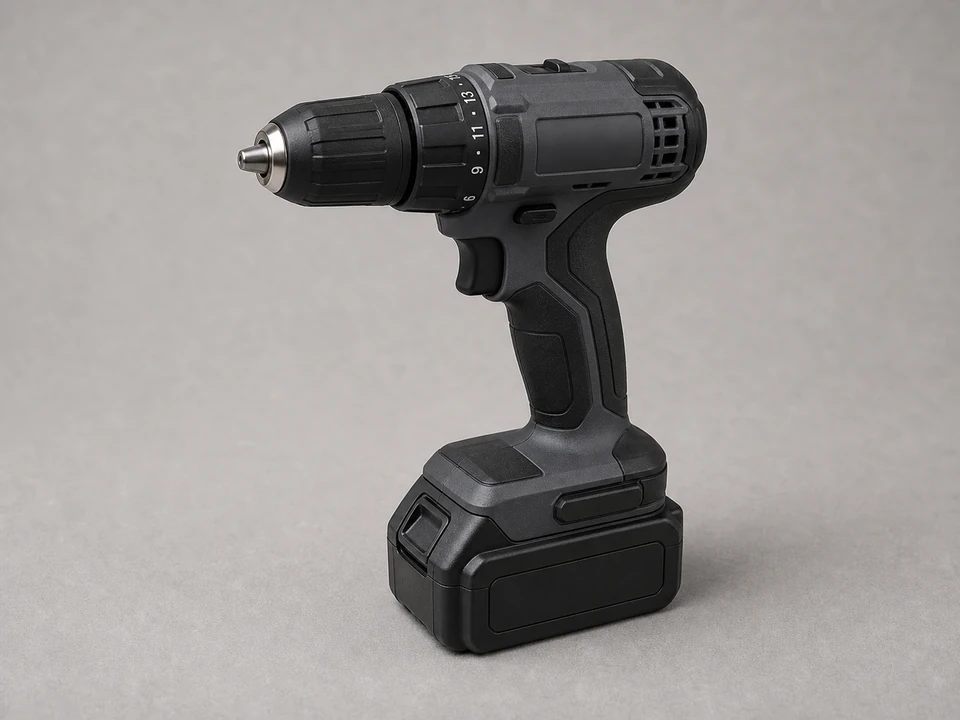
Use it for: Useful for running loose screws in and out carefully at low speed.
Shop cordless drills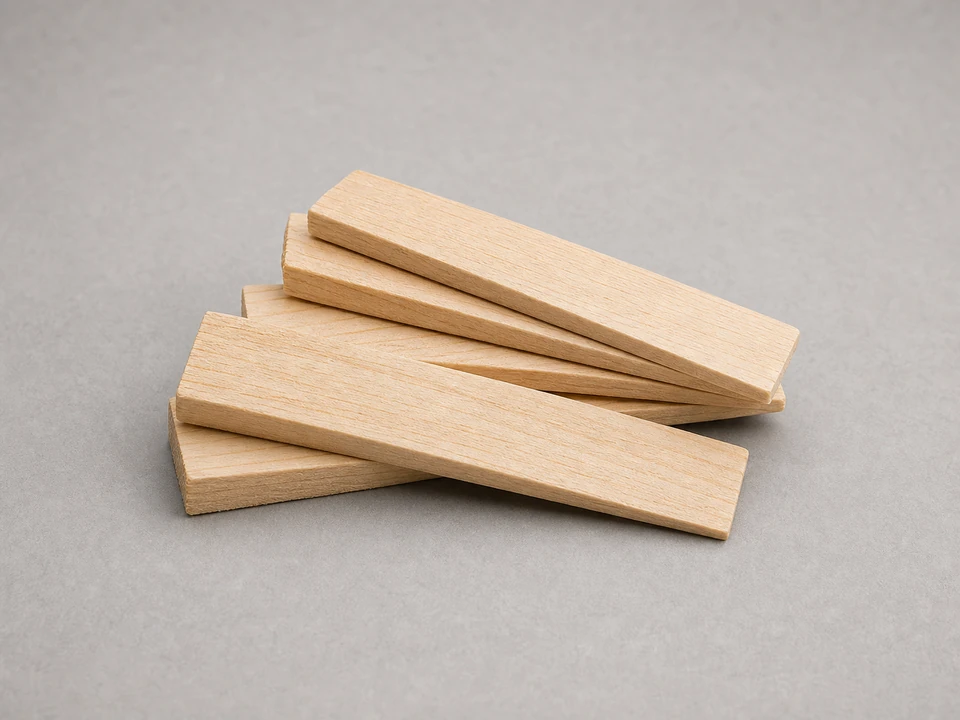
Use it for: Supports the door under the latch side so the hinges are not carrying all the weight while you tighten screws.
Shop door shims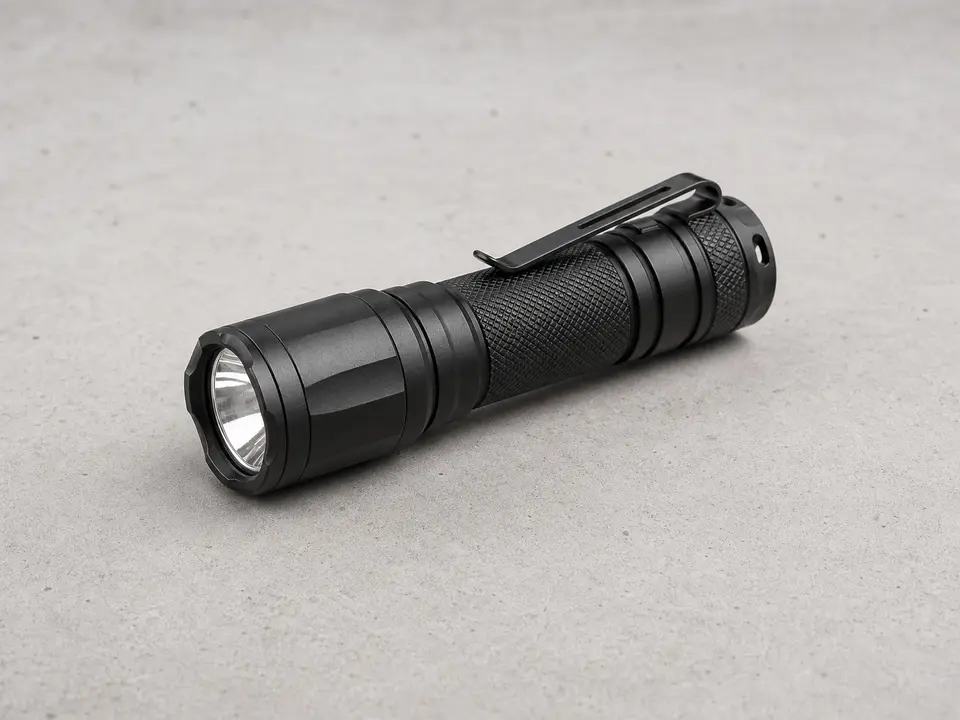
Use it for: Helps you see stripped heads, hinge gaps, and cracked wood around the screw holes.
Shop flashlights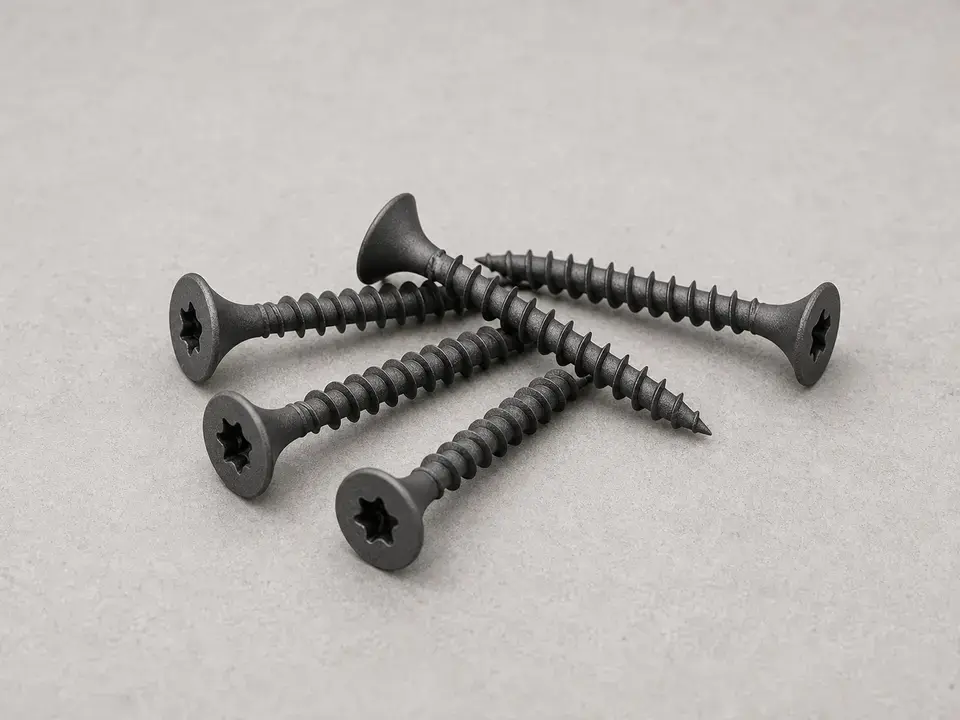
Use it for: Needed if the old screws are stripped, bent, rusted, or no longer hold tightly.
Find replacement hinge screwsAs an Amazon Associate I earn from qualifying purchases. Repair Riot may earn a commission at no extra cost to you.
If it works: You found one or more loose hinge screws and the hinge area looks solid enough for a basic tightening.
If it doesn’t: If the screws already feel tight but the door still rubs or sags, the problem may be stripped holes, a bent hinge, or frame movement rather than loose screws alone.
If it works: The door is supported, steady, and ready for controlled tightening.
If it doesn’t: If the door still shifts while you turn the screws, add another shim or adjust the wedge until the weight is off the hinges.
If it works: The loose screws are snug, the hinge leaves sit flat, and the door looks more aligned.
If it doesn’t: If one or two screws spin without tightening, remove those screws and inspect them and the holes before going further.
If it works: Good screws are installed and the hinge is held firmly by the wood, not just by friction at the screw head.
If it doesn’t: If the screw still will not bite, the hole likely needs repair or a different fastener approach before this fix will hold.
If it works: The door moves smoothly and the hinges stay tight after a few test cycles.
If it doesn’t: If the door still drags, binds, or drops at the latch side, the repair may need stripped-hole repair, hinge adjustment, or frame correction.
If it works: The door closes, latches, and stays aligned, and the hinge screws remain snug after real use.
If it doesn’t: If the screws loosen again quickly, the root problem is usually stripped wood, a bent hinge, or door/frame movement that simple tightening will not solve.
Usually the screws have lost grip in the wood, the door weight is pulling on the top hinge, or the door is slightly out of alignment and stressing the hinge every time it moves.
A hand screwdriver gives better feel and is less likely to strip the head or overdrive the screw. A drill is fine on low speed, but it is best to finish snugging by hand.
That usually means the hole is stripped in the wood. A new screw may help if the old one is damaged, but if the new one also spins, the hole needs repair before the fix will last.
Start with the top hinge. It usually carries the most load and is the first place to show sag when screws loosen.
Often, yes, if the rubbing is caused by a loose hinge and slight door sag. If the screws are already tight or the door still rubs after tightening, the cause may be stripped holes, a bent hinge, or frame movement.