Is water running into the overflow tube?
Lower the float a small amount and flush once. Water that still climbs into the tube points to the fill valve.
If your toilet keeps running, start with the tank open. A steady run is usually a leaking flapper, a chain holding the flapper open, water spilling into the overflow tube, or a fill valve that will not shut off.
A dry overflow tube points toward the flapper or chain. Water entering the overflow tube points toward the float setting or fill valve.
Watch one refill cycle before touching parts. The water path tells you what to test next.
Don’t start with: Do not buy a whole tank kit or bend parts until the tank shows the clue. Check whether water is entering the overflow tube, leaking past the flapper, or being held open by the chain.
Lower the float a small amount and flush once. Water that still climbs into the tube points to the fill valve.
Test the flapper. Tank water is slipping into the bowl even though the tank is not overfilling.
Check the chain and trip lever before buying parts. The chain may be too tight, twisted, or caught under the flapper.
Run the dye test. Intermittent refill usually means the tank slowly leaks past the flapper or flush valve seat.
Inspect the flush valve seat for scale, nicks, warping, or a flapper style that does not match the toilet.
Stop the running-toilet diagnosis and control the leak first. That is no longer just a tank-internals problem.
The useful clues are inside the tank: chain slack, flapper movement, final water level, and whether water reaches the overflow tube.
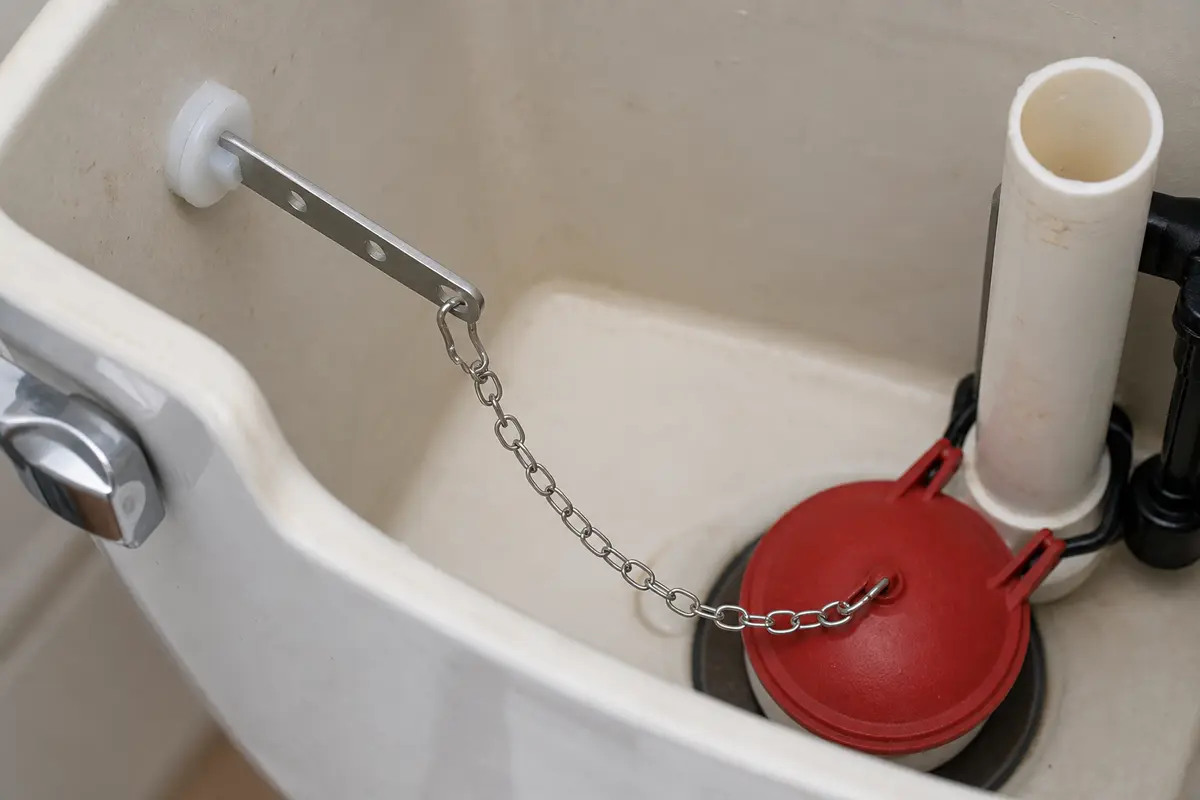
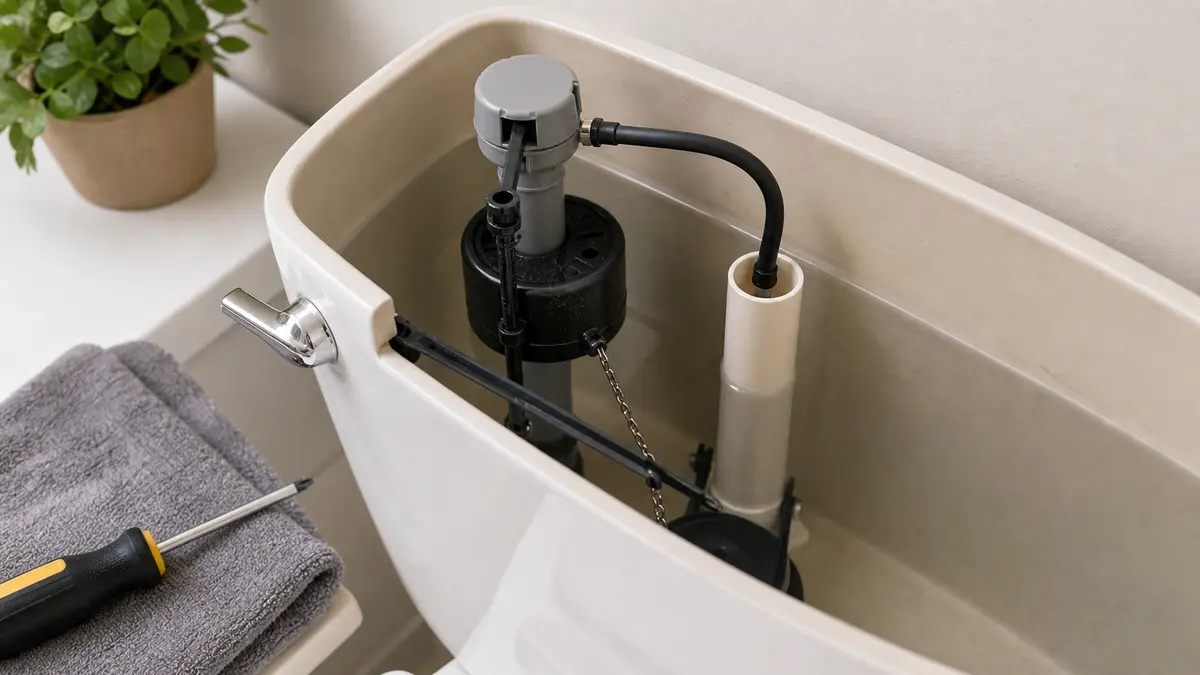
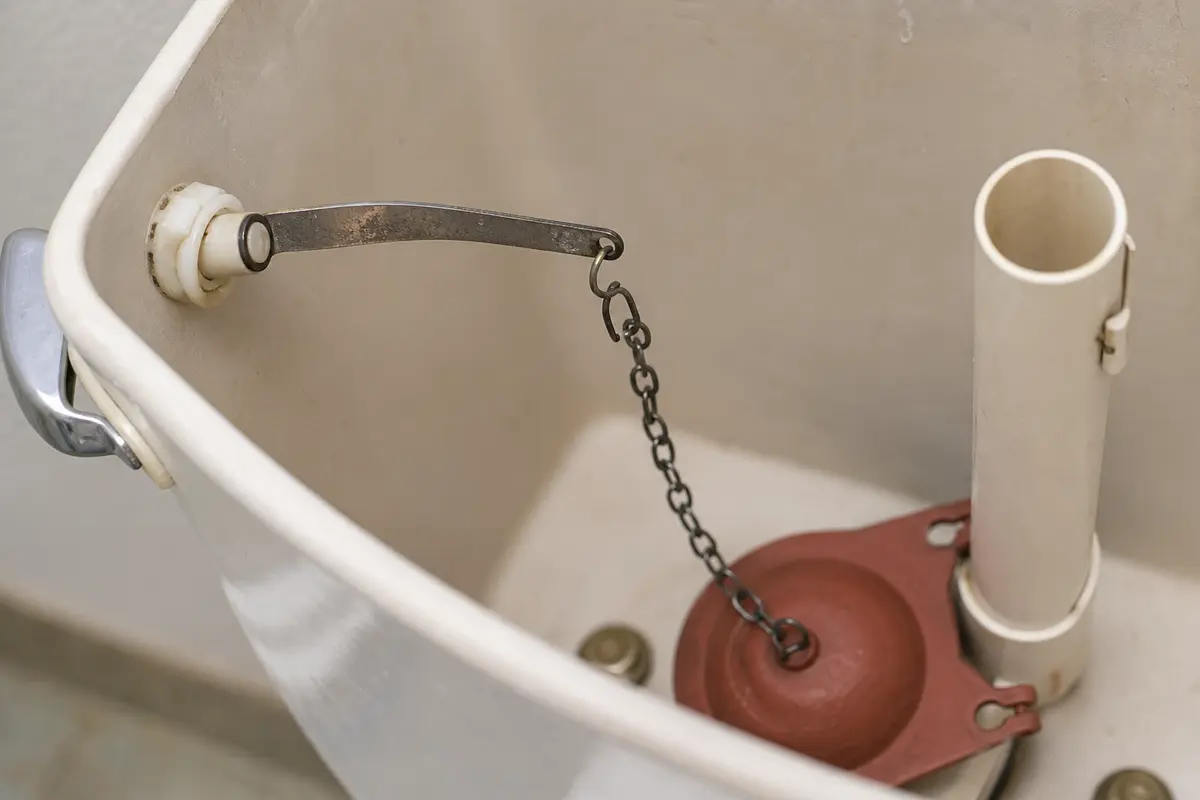
Do not buy a flapper, fill valve, flush valve, or full tank rebuild kit until one tank check points there. Match the exact toilet model, flush valve size, chain setup, and old part shape; similar-looking tank parts can seal poorly.
A running toilet is a tank water-path problem. The tank is either losing water into the bowl, overfilling into the overflow tube, or being held open by the handle linkage.
The fastest bad repair is buying parts before you watch the water. Most running toilets give you a visible clue in the first minute with the lid off.
Take the lid off, wait until the tank is full, and watch the overflow tube, flapper, chain, and bowl. One result should stand out before you remove anything.
| What you see | What it usually means | Next move |
|---|---|---|
| Water spills into the overflow tube | The tank is overfilling or the fill valve is not shutting off. | Lower the float slightly, flush, and watch the final water level. |
| Overflow tube is dry but the bowl ripples | Tank water is leaking past the flapper or flush valve seat. | Run the dye test before buying a flapper. |
| Chain stays tight after the flush | The chain or trip lever is holding the flapper open. | Free the chain and leave slight slack with the flapper closed. |
| Toilet refills briefly every few minutes | The tank is slowly losing water into the bowl. | Use food coloring in the tank and wait without flushing. |
| New flapper still leaks | The seat may be scaled, nicked, warped, or mismatched to the flapper. | Inspect the flush valve seat and match parts by toilet model. |
A flapper is cheap, but the test is cheaper. Use the dye result to decide whether the flapper belongs in the cart or whether the fill valve path deserves attention.
Overflow-tube water is a different failure than a flapper leak. Work the float setting first because a small adjustment can stop the run without opening the supply connection.
Buy the smallest part the test actually points to, then retest the tank. Use the dye result, overflow-tube water level, chain slack, and old-part shape before you add anything else to the cart.
These support the tank checks on this page. Skip tool work if the shutoff valve fails, the tank is cracked, or old hardware starts breaking.
Paid links. As an Amazon Associate I earn from qualifying purchases. Repair Riot may earn a commission at no extra cost to you.
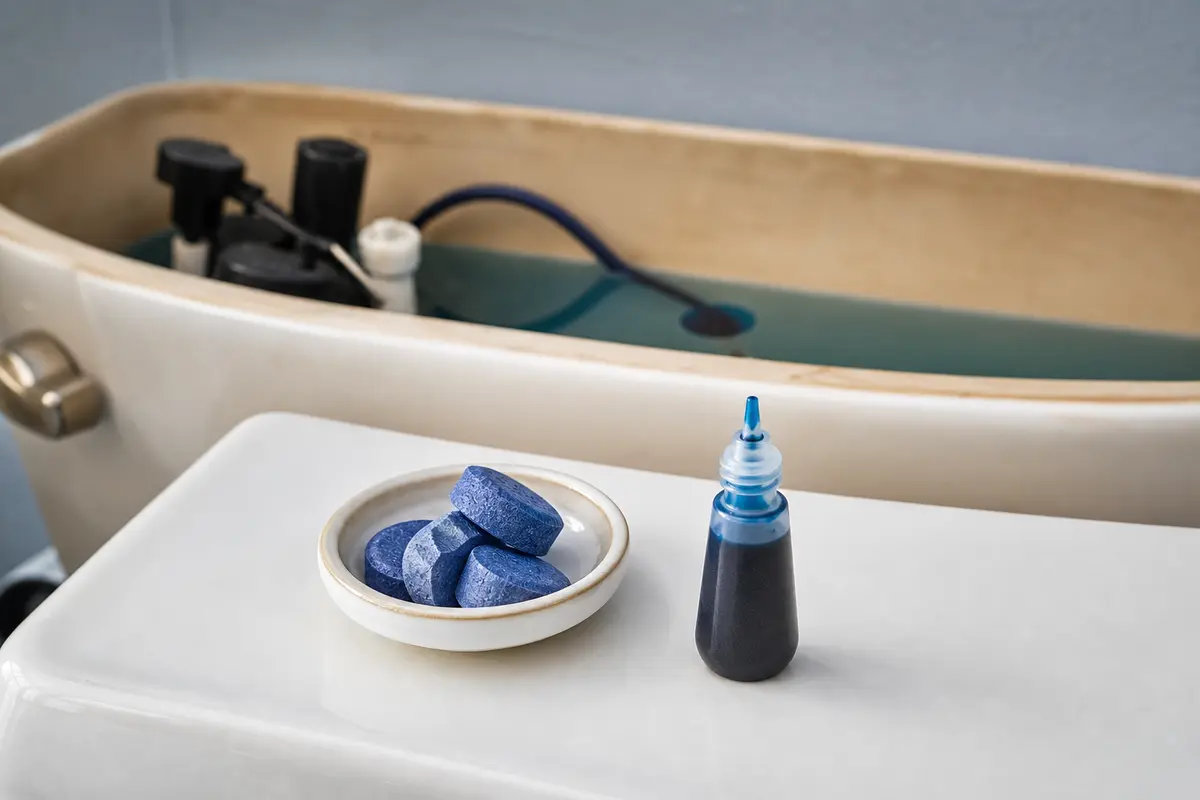
Helps when: Confirms whether tank water is leaking into the bowl before you buy a flapper.
Skip it when: The overflow tube is visibly taking water; handle the water-level or fill-valve branch first.
Compare toilet dye tablets on Amazon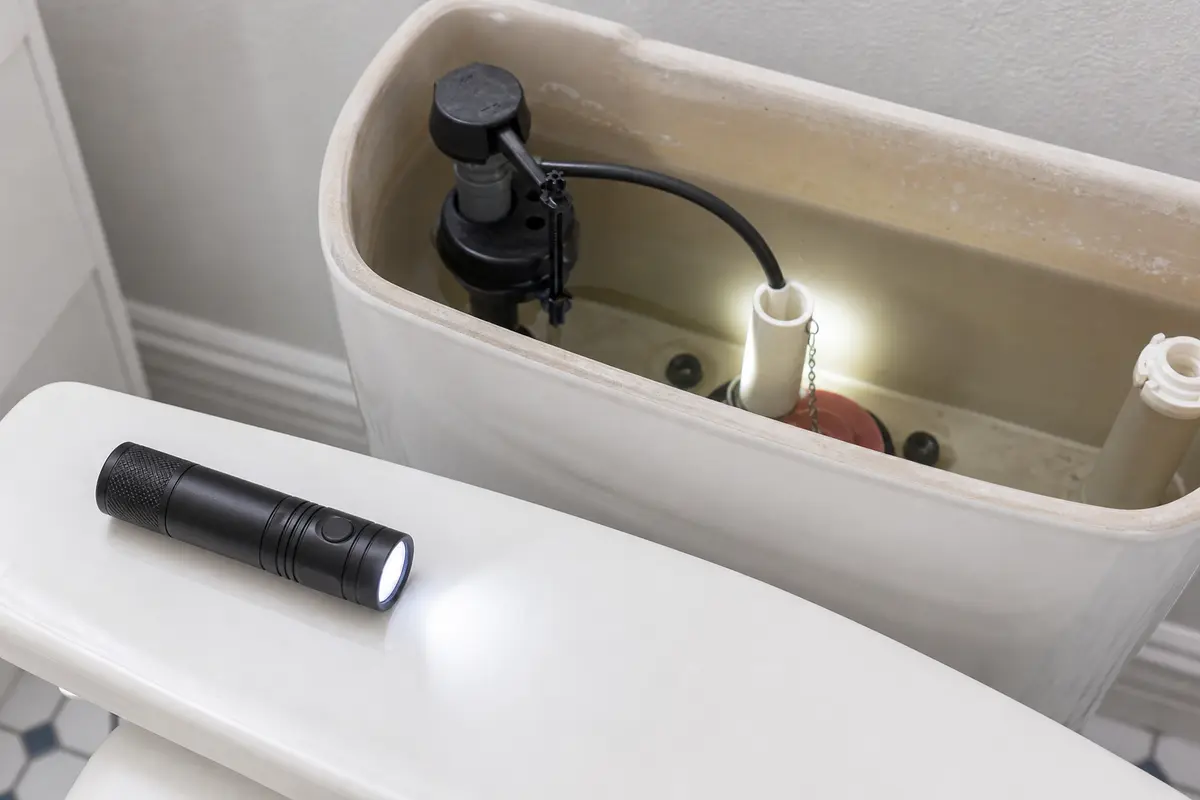
Helps when: Makes the overflow tube, chain path, flapper edge, and fill valve shutoff point easier to see.
Skip it when: You already have clear light in the tank and can see the water path without leaning awkwardly.
Compare inspection flashlights on Amazon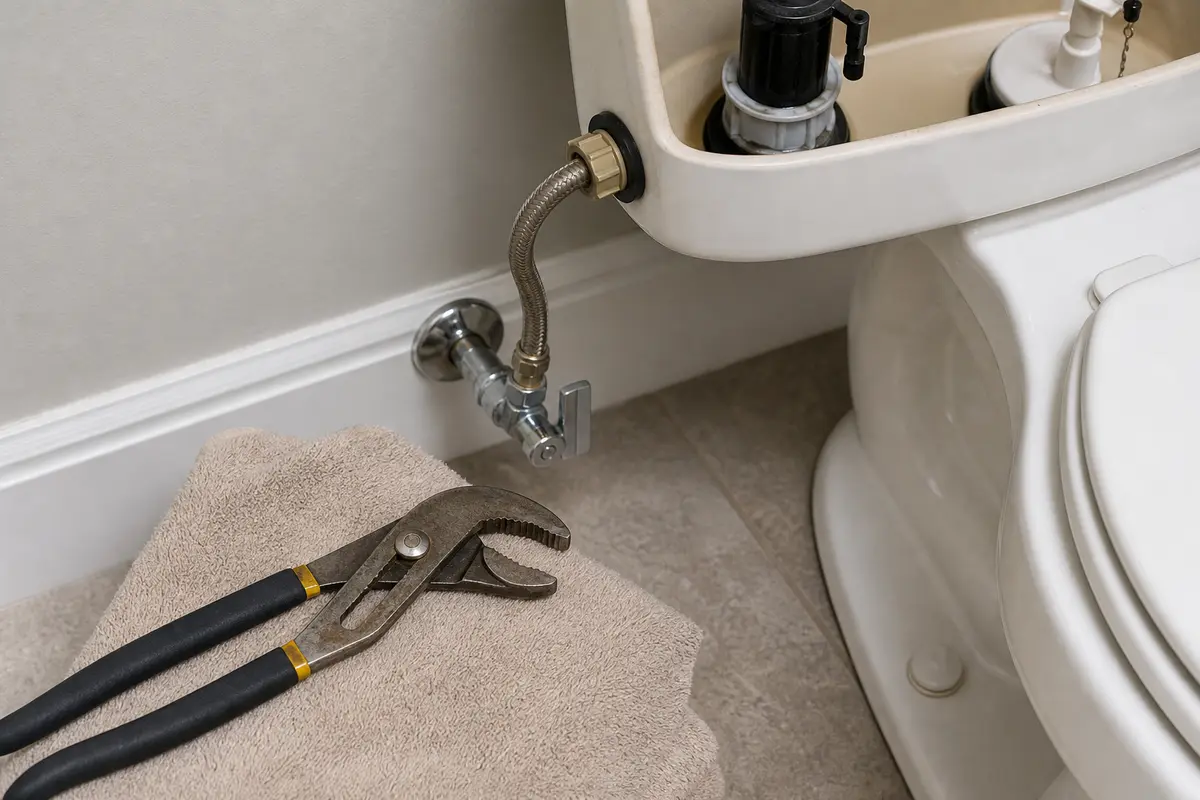
Helps when: Helps loosen a fill valve nut or supply connection after the water is shut off.
Skip it when: Plastic nuts are brittle, seized, or mounted through porcelain that already shows cracking.
Compare adjustable pliers on Amazon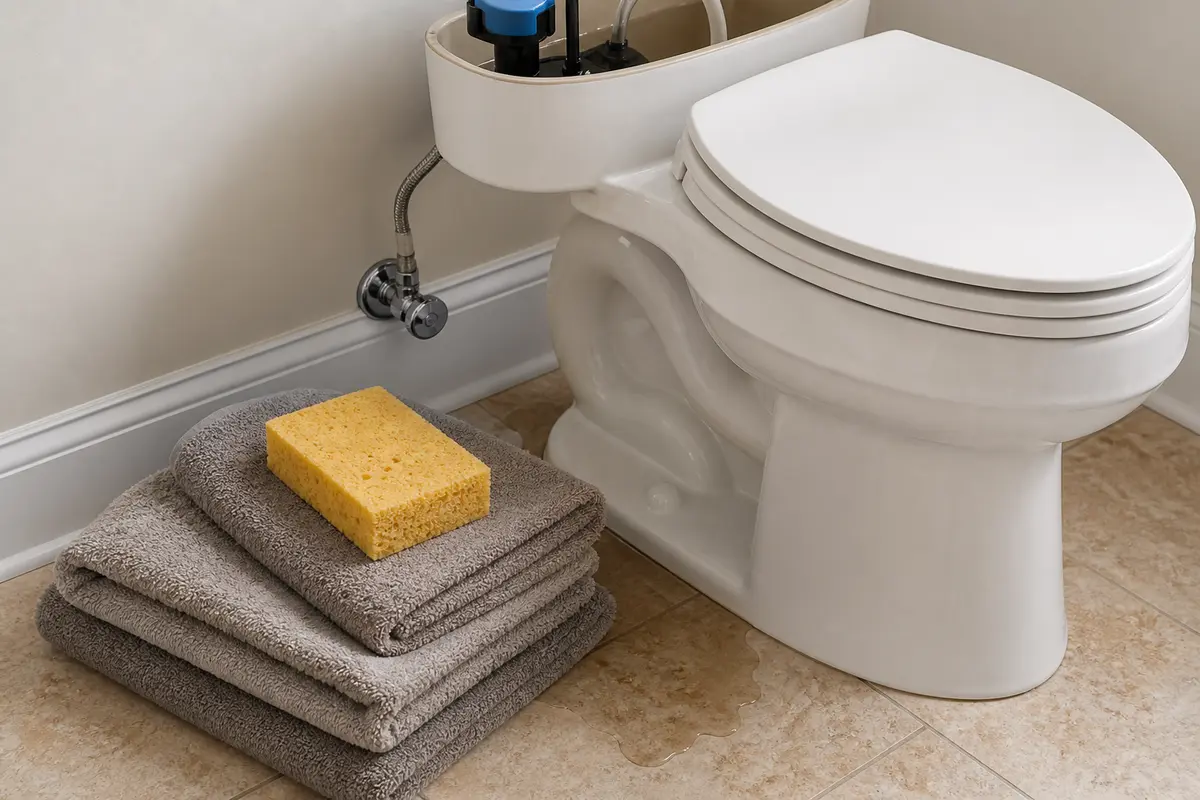
Helps when: Catches tank water and dries the floor or bowl area so a fresh leak or ripple stands out.
Skip it when: Water is actively reaching the floor and the shutoff valve will not control it.
Compare towels and sponges on AmazonParts come after the clue. Match the exact toilet model when you can, and compare the old part before assuming a universal piece will seal correctly.
Paid links. As an Amazon Associate I earn from qualifying purchases. Repair Riot may earn a commission at no extra cost to you.
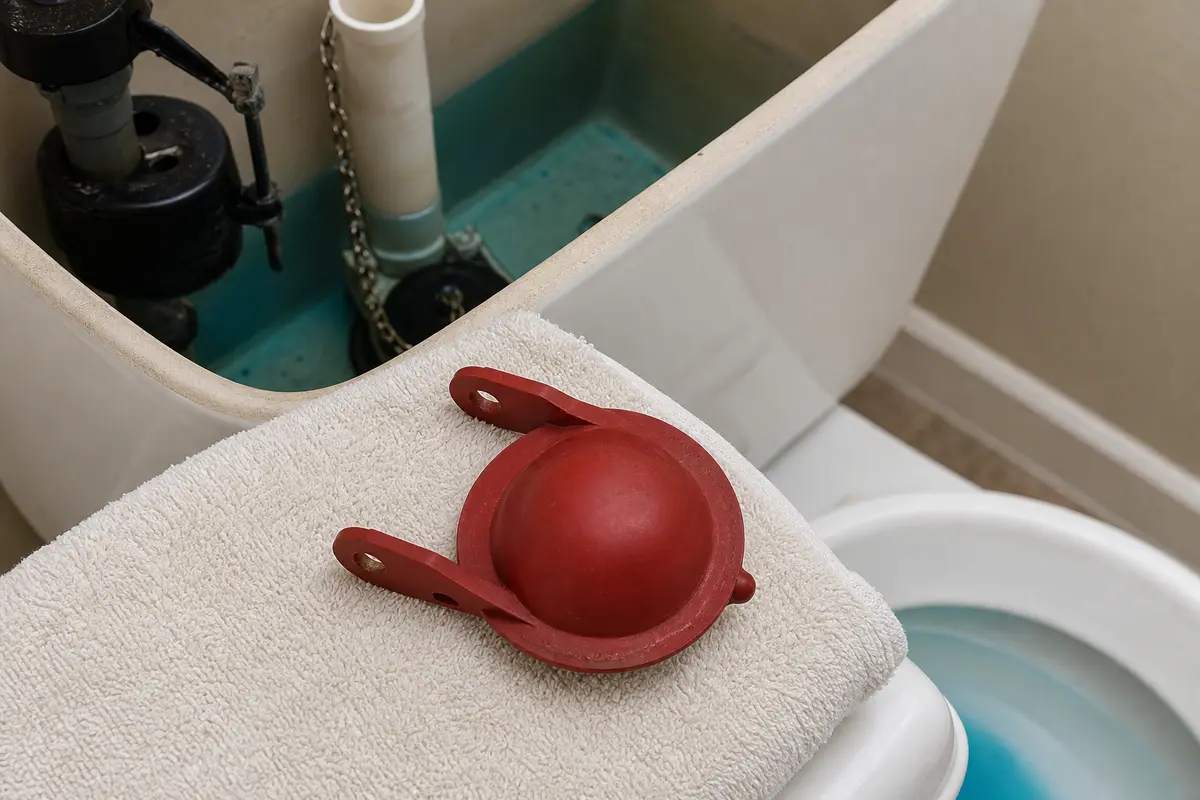
Helps when: The dye test sends color into the bowl, the flapper is warped or stiff, or pressing it down stops the run.
Skip it when: Water is entering the overflow tube or the chain is holding the flapper open.
Compare toilet flappers on Amazon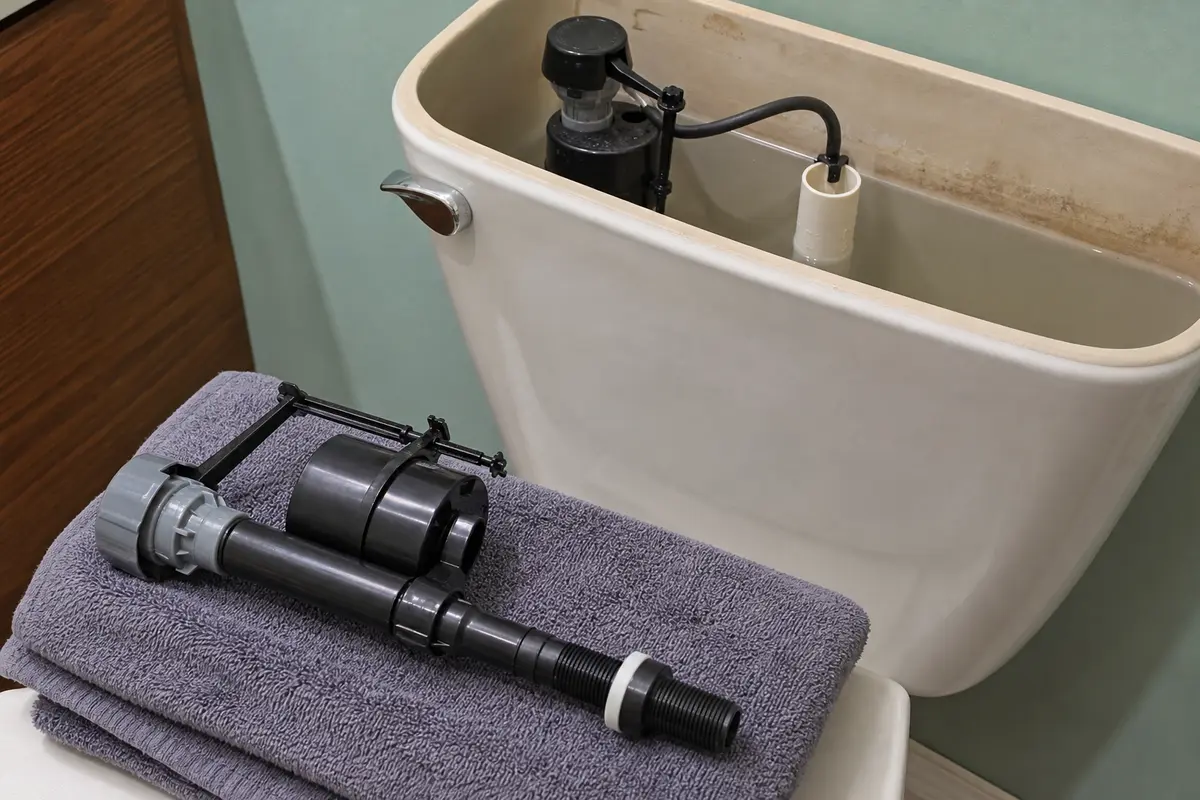
Helps when: The tank overfills into the overflow tube after float adjustment, or the valve keeps hissing and will not shut off.
Skip it when: The overflow tube stays dry and the dye test shows a flapper or flush-seat leak.
Compare toilet fill valves on Amazon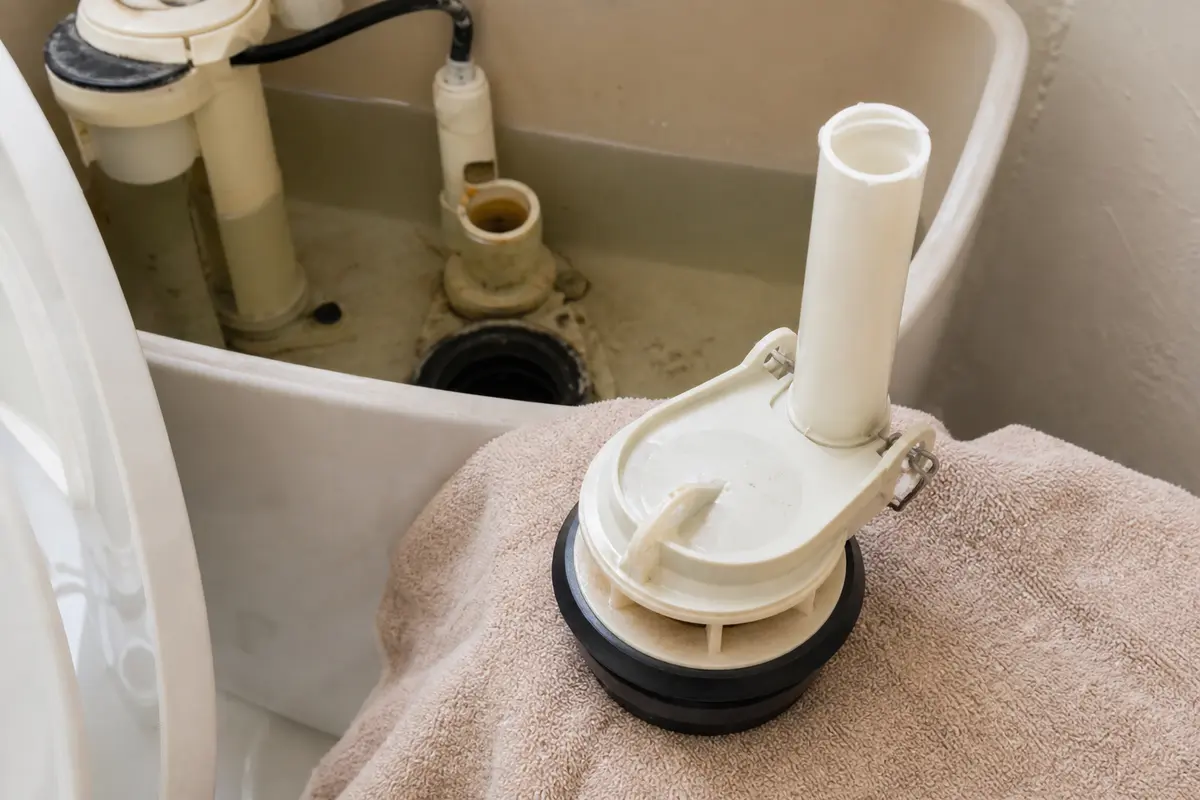
Helps when: A correctly matched new flapper still leaks because the seat below it is rough, damaged, or warped.
Skip it when: The old flapper has not been tested yet, or the tank hardware is too brittle to remove safely.
Compare toilet flush valves on Amazon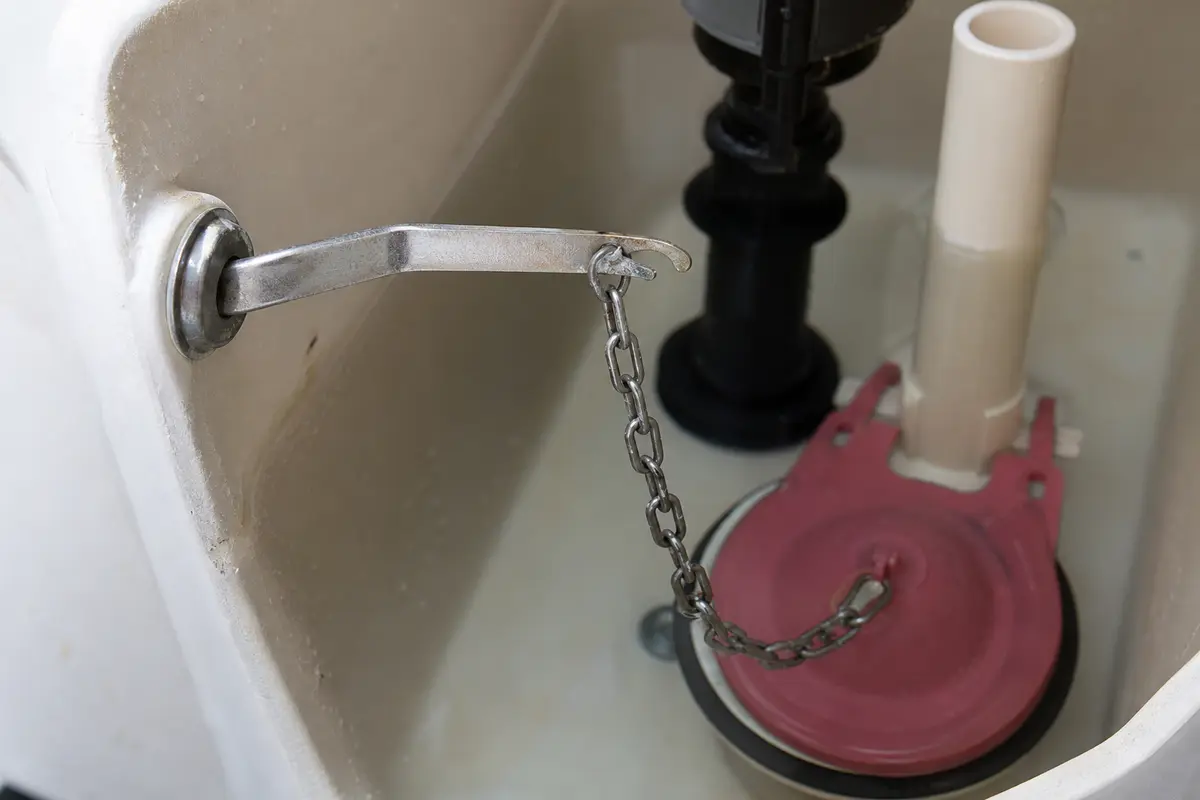
Helps when: The handle arm is bent, loose, corroded, or rubbing so the chain cannot go slack after a flush.
Skip it when: The handle moves freely and the chain already has slight slack when the flapper is closed.
Compare toilet trip levers on AmazonMost often, the toilet flapper is not sealing, the chain is holding it open slightly, or the toilet fill valve is letting water rise into the overflow tube. Watching the tank with the lid off will usually tell you which one it is.
A dye test is the easiest check. Put a few drops of food coloring in the tank and wait 10 to 15 minutes without flushing. If color shows up in the bowl, the toilet flapper is leaking or the flush valve seat is not sealing.
That means the tank water level is too high or the toilet fill valve is not shutting off when it should. Try lowering the float first. If the water still climbs into the overflow tube, replace the toilet fill valve.
Watch the tank while you move the handle. If the chain tightens, the trip lever sticks, or the flapper finally drops flat, adjust that setup instead of using the handle as the repair.
Then look closely at the flush valve seat. If it is rough, scaled, cracked, or warped, a new flapper may never seal well there. That is when a toilet flush valve replacement becomes the better fix.
Usually not in the same way as a burst pipe, but it should not wait long. Open the tank and check whether water is rising toward the overflow tube. If the shutoff valve will not stop the water or the bowl starts overflowing, treat it as urgent and call a plumber.
Let the tank decide. Replace the flapper first only if the dye test sends color into the bowl or the flapper is visibly failing. Replace the fill valve first if water keeps rising into the overflow tube after the float is lowered.
That usually means the tank slowly loses water and the fill valve refills it for a few seconds. Start with the dye test and the chain slack before you blame the fill valve.
Repair Riot built this page around visible tank clues: flapper leakage, chain slack, overflow-tube water, fill valve shutoff, and when a tank repair becomes a plumber call. The source links support leak-detection and toilet water-use context; the repair sequence is original guidance.