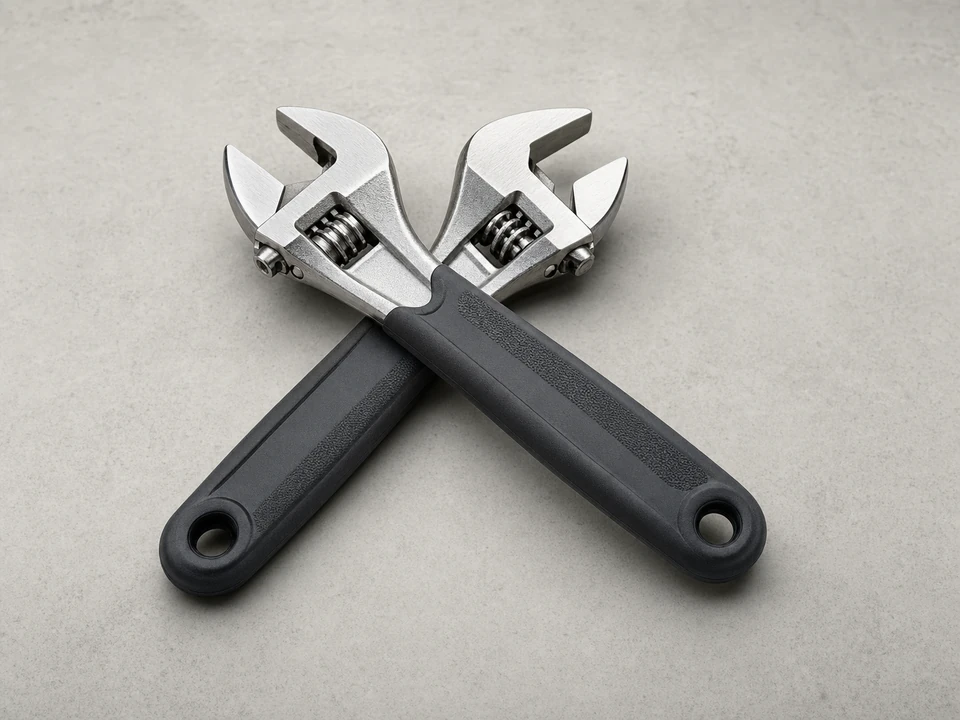
Adjustable wrench
Use it for: To loosen and tighten the supply line nut and the fill valve locknut under the tank.
Shop adjustable wrenchesTo replace a toilet fill valve, shut off the water, drain the tank, remove the supply line and old valve, install the new valve at the right height, reconnect the refill tube and supply line, then adjust the water level and test several flushes.
A worn fill valve can make a toilet run, refill slowly, or make noise after every flush. This is a manageable homeowner repair as long as the shutoff valve works and the tank hardware is not cracked or badly corroded.
Before you start: Match the fill valve shank size, height range, refill setup, and toilet tank compatibility before ordering.
Use it for: To loosen and tighten the supply line nut and the fill valve locknut under the tank.
Shop adjustable wrenches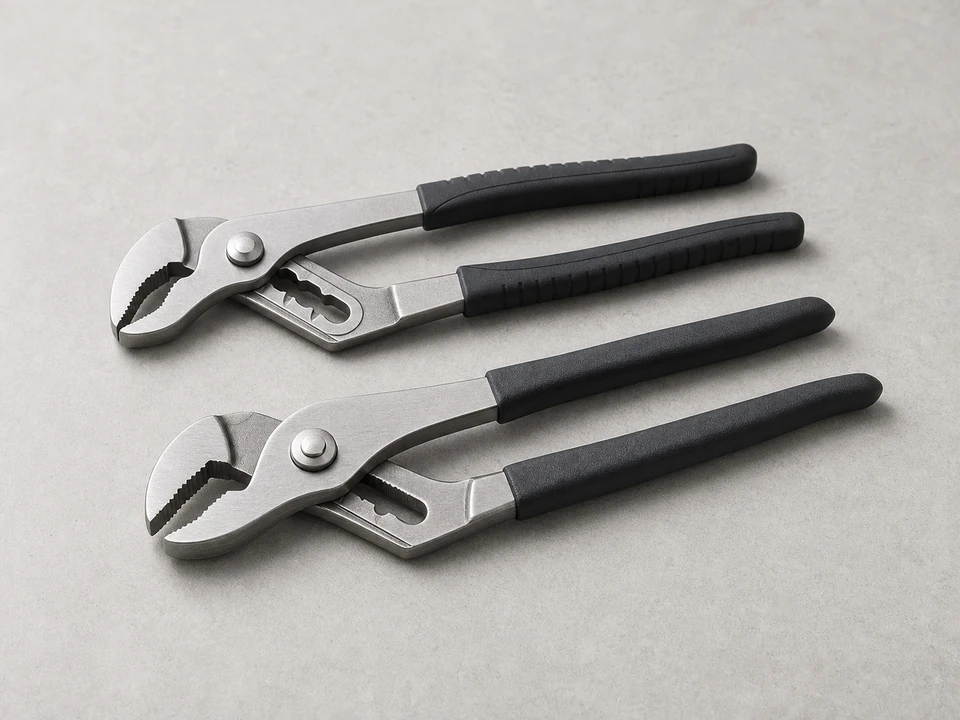
Use it for: Helpful if old plastic nuts are stuck or your hand cannot get enough grip under the tank.
Shop tongue and groove pliers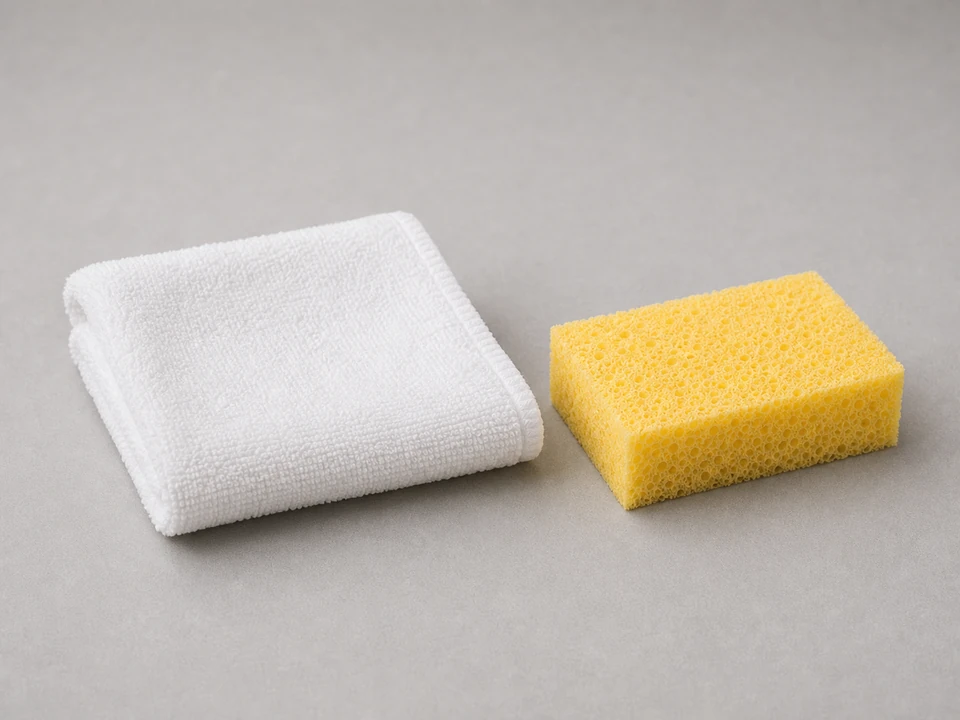
Use it for: To soak up the last bit of water left in the tank before removing the old valve.
Shop absorbent sponges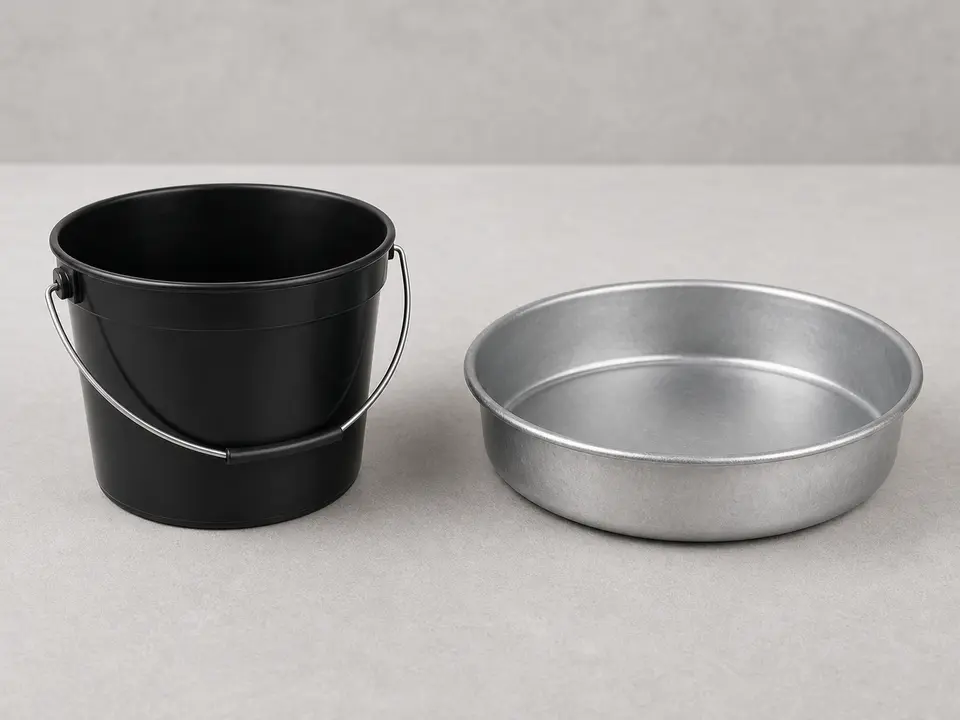
Use it for: To catch water from the supply line and the bottom of the tank.
Shop small utility buckets
Use it for: To trim the refill tube if the new valve kit includes extra tubing.
Shop household scissorsAs an Amazon Associate I earn from qualifying purchases. Repair Riot may earn a commission at no extra cost to you.
If it works: You have refill symptoms that point to the fill valve, and the tank and shutoff area look sound enough for a normal replacement.
If it doesn’t: If the toilet only runs because the flapper leaks or the chain is misadjusted, fix that first. If the shutoff valve will not close fully, plan to replace or repair that before changing the fill valve.
If it doesn’t: If water keeps entering the tank after the shutoff is closed, the shutoff valve is not sealing and needs attention before this repair will stay dry.
If it works: The toilet refills normally, shuts off cleanly, and stays quiet and dry between flushes.
If it doesn’t: If the toilet still runs after the new fill valve is adjusted correctly, inspect the flapper, overflow height, and flush valve seal for the real cause.
Match the fill valve shank size, height range, refill setup, and toilet tank compatibility before ordering.
As an Amazon Associate I earn from qualifying purchases. Repair Riot may earn a commission at no extra cost to you.
If the valve is noisy, slow, or will not shut off at the right water level, the fill valve is a strong suspect. If the tank fills normally but the toilet starts refilling again later, the flapper or flush valve seal may be leaking water into the bowl.
Not always, but it is worth considering if the line is old, stiff, corroded, or starts dripping when reconnected. A fresh supply line can prevent a second repair later.
The refill tube should send water into the overflow tube during refill, but it should not be shoved down inside it. If it sits too deep, it can siphon water and cause incorrect tank levels or running problems.
Snug is enough. Tighten it until the valve is secure and the seal does not leak, but do not crank down hard on plastic threads against porcelain.
First make sure the shutoff valve is fully open and the water pressure is steady. Then confirm the valve height and water level are adjusted correctly. If noise continues, the issue may also involve the shutoff valve or supply conditions rather than the fill valve alone.