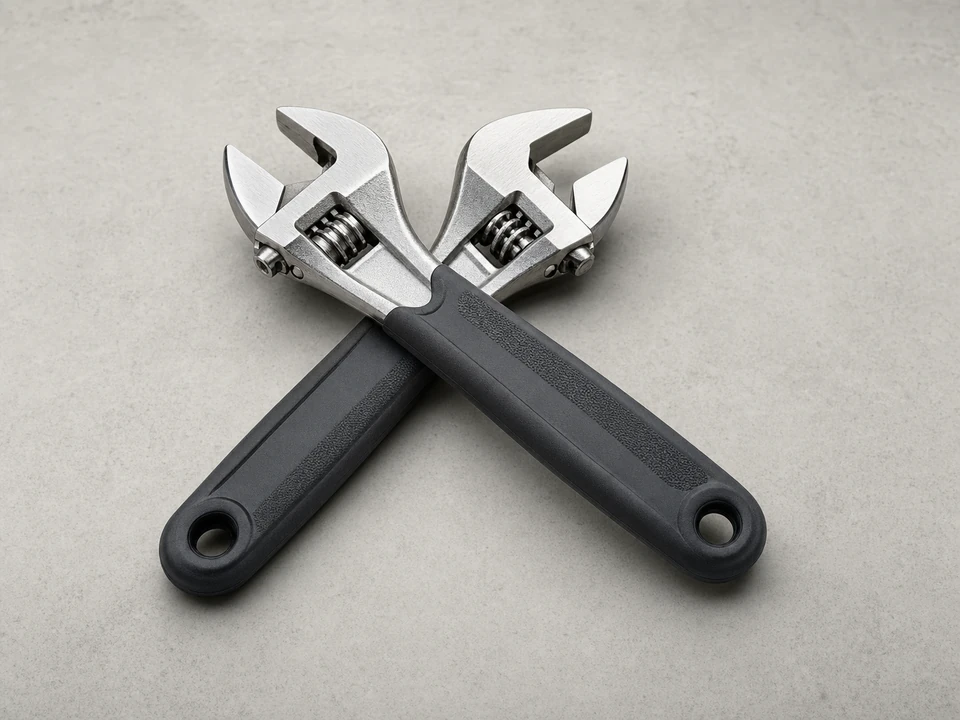
Adjustable wrench
Use it for: To loosen the supply line nut and tank mounting nuts.
Shop adjustable wrenchesTo replace a toilet flush valve assembly, shut off the water, drain and remove the tank, swap the old flush valve for a matching new one, then reassemble and test for leaks and a full flush.
This repair is usually worth doing when the toilet keeps leaking from tank to bowl, ghost flushes, or the old flush valve seat is cracked or too worn for a new flapper to seal. Take your time on the tank removal and gasket seating, because most callbacks come from small leaks after reassembly.
Before you start: Match the flush valve size, overflow height, and toilet tank compatibility before ordering.
Use it for: To loosen the supply line nut and tank mounting nuts.
Shop adjustable wrenches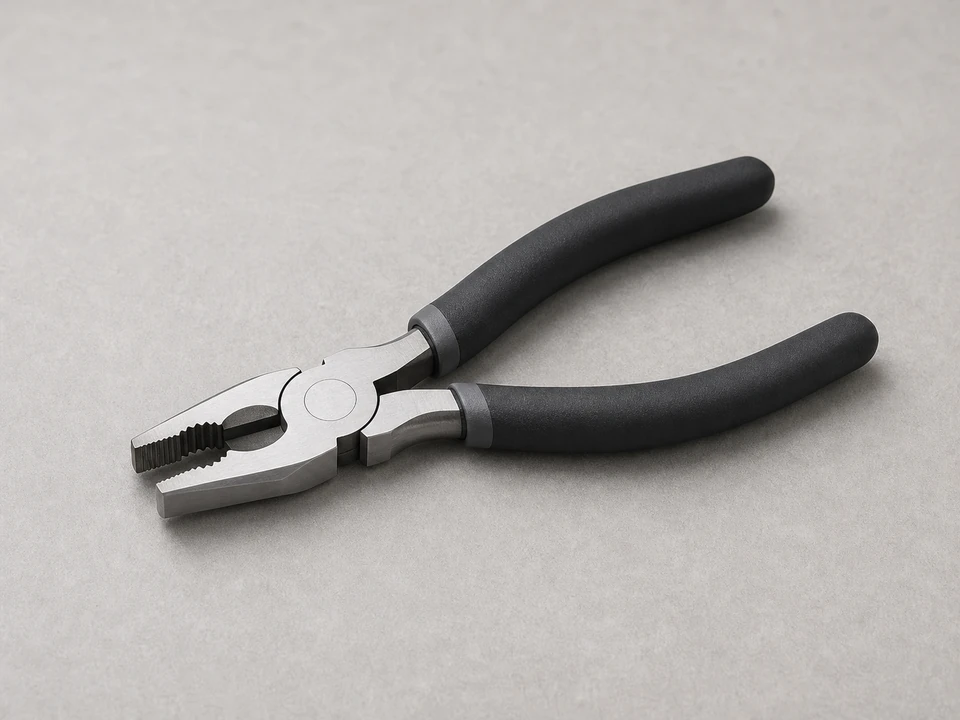
Use it for: To remove the flush valve locknut under the tank.
Shop large slip-joint pliers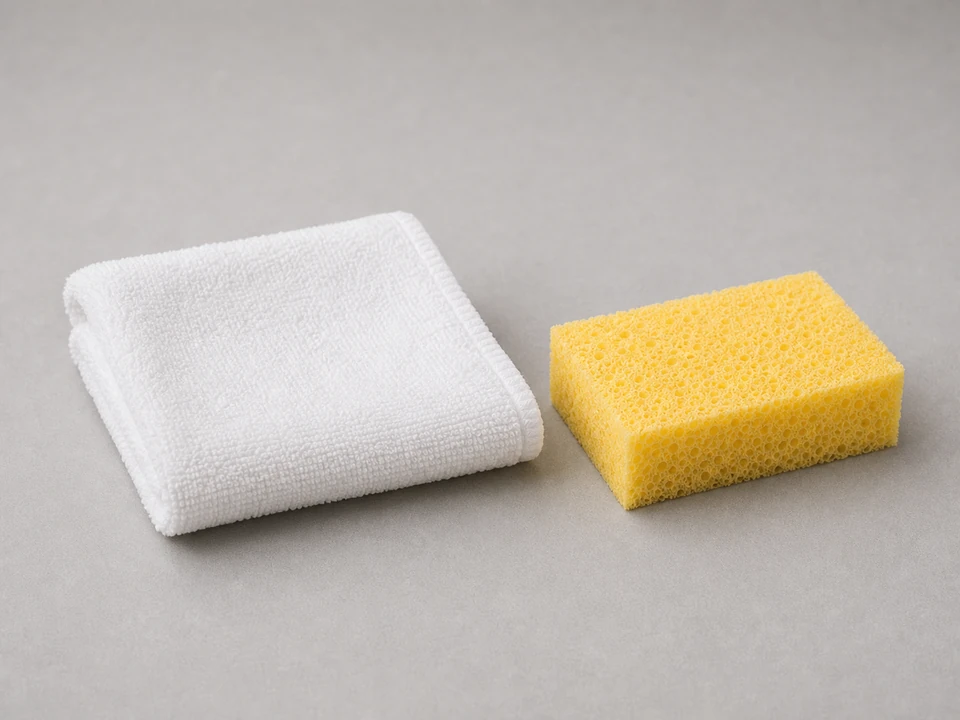
Use it for: To soak up the last water left in the tank before removal.
Shop sponges and absorbent towels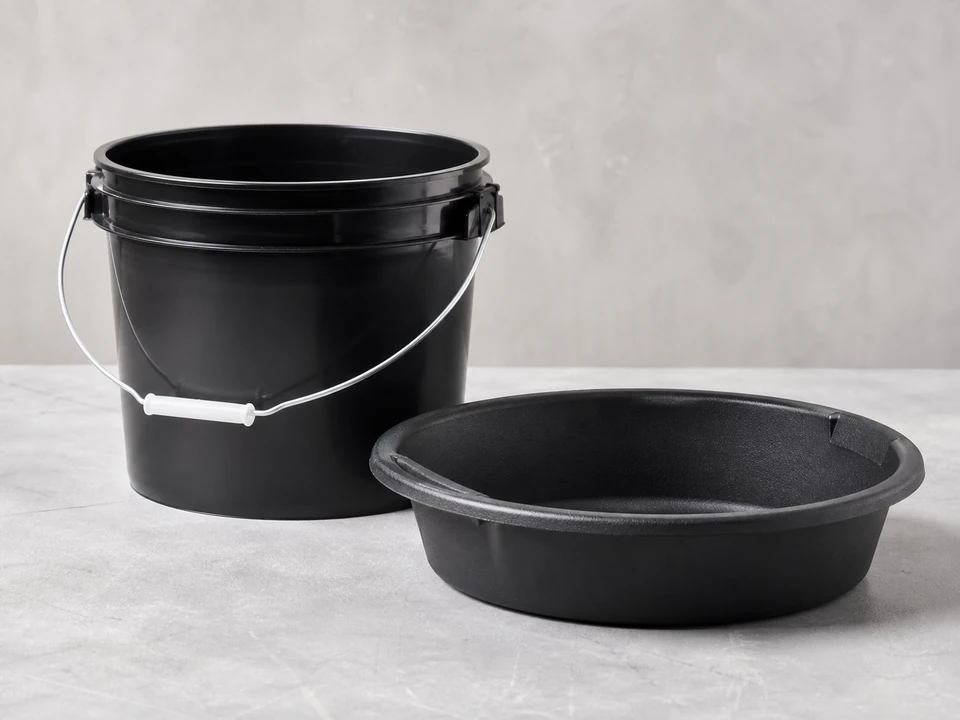
Use it for: To catch leftover water from the tank and supply line.
Shop utility buckets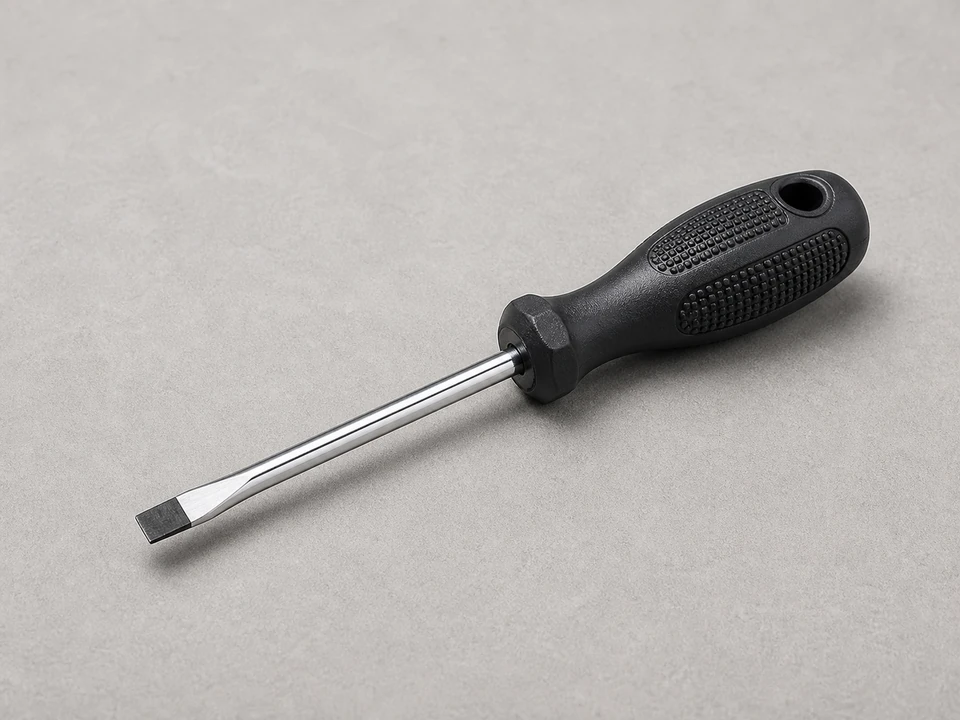
Use it for: To help remove old hardware or hold tank bolt heads if needed.
Shop flat screwdriversAs an Amazon Associate I earn from qualifying purchases. Repair Riot may earn a commission at no extra cost to you.
If it works: You have a good reason to replace the flush valve assembly instead of guessing at other parts.
If it doesn’t: If the tank is leaking outside the toilet, the fill valve is spraying, or the bowl level problem points to a clog, troubleshoot those issues before replacing the flush valve assembly.
If it works: The tank is empty enough to remove without spilling much water.
If it doesn’t: If water keeps entering the tank after the shutoff is closed, stop and address the shutoff valve first or shut off water to the bathroom or house before continuing.
If it works: The old flush valve assembly is out and the tank opening is clean.
If it doesn’t: If the locknut is stuck, apply steady pressure with large pliers and avoid twisting the porcelain. If hardware is too corroded to remove cleanly, replace the tank bolts during reassembly.
If it works: The new flush valve assembly is seated squarely, the gasket is in place, and the flapper moves freely.
If it doesn’t: If the valve rocks, the gasket bunches up, or the chain is too tight, correct that now before putting the tank back on.
If it works: The tank fills without outside leaks and sits level and stable on the bowl.
If it doesn’t: If you see a slow drip, shut the water back off and check for an uneven gasket, loose hardware, or a flush valve locknut that needs slight additional tightening.
If it works: The toilet flushes normally, the tank water level stays steady, and there are no leaks into the bowl or onto the floor.
If it doesn’t: If the toilet still ghost flushes, recheck chain slack, flapper alignment, and whether the replacement flush valve is seated flat. If those look right, the fill valve or another tank component may also need attention.
Match the flush valve size, overflow height, and toilet tank compatibility before ordering.
As an Amazon Associate I earn from qualifying purchases. Repair Riot may earn a commission at no extra cost to you.
If the flapper is the only worn part and the flush valve seat is smooth, a flapper may be enough. If the seat is cracked, rough, warped, or still leaks with a new flapper, replace the flush valve assembly.
Usually yes. The flush valve locknut is under the tank, so the tank normally has to come off the bowl to remove and replace the assembly.
It is often a good idea, especially if the old hardware is rusty or the tank-to-bowl gasket is compressed and worn. Fresh seals help prevent leaks after reassembly.
The chain may be too tight, the flapper may not be centered, the new valve may not be seated flat, or the fill valve may also be faulty. Recheck the tank setup before assuming the new part failed.
No. You need one that matches the flush valve size and fits your tank layout. Check the opening size, overflow tube style, and general tank compatibility before ordering.