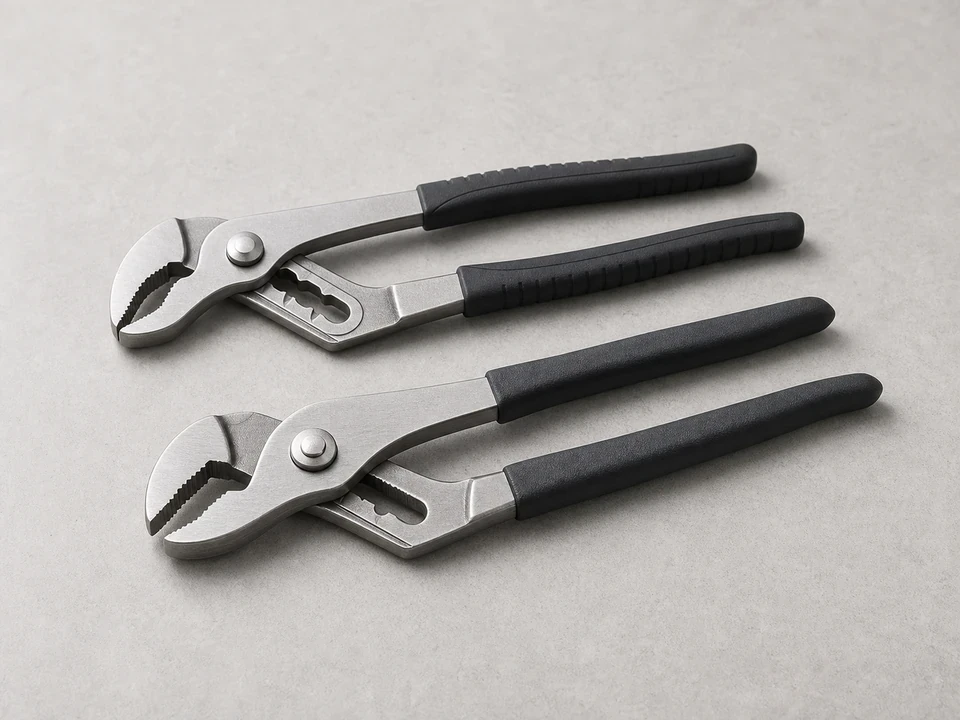
Adjustable pliers
Use it for: To loosen the water supply nut or tank hardware if it is snug.
Shop adjustable pliersIf your toilet tank keeps leaking into the bowl from the flush valve area, replacing the toilet flush valve gasket can restore the seal and stop the slow refill cycle.
This is a manageable homeowner repair if you can shut off the toilet water, drain the tank, and work carefully around older porcelain and bolts. The key is confirming the leak is coming from the flush valve seal area before you swap parts.
Before you start: Match the flush valve size, overflow height, and toilet tank compatibility before ordering.
Use it for: To loosen the water supply nut or tank hardware if it is snug.
Shop adjustable pliers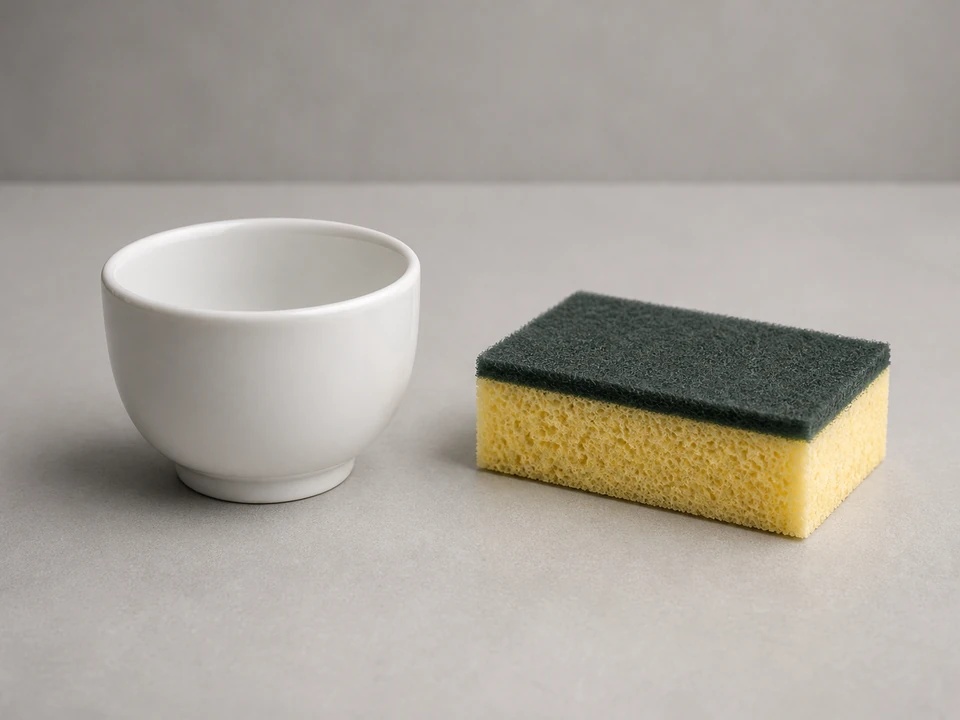
Use it for: To remove the last bit of water from the tank before disassembly.
Shop cleaning sponges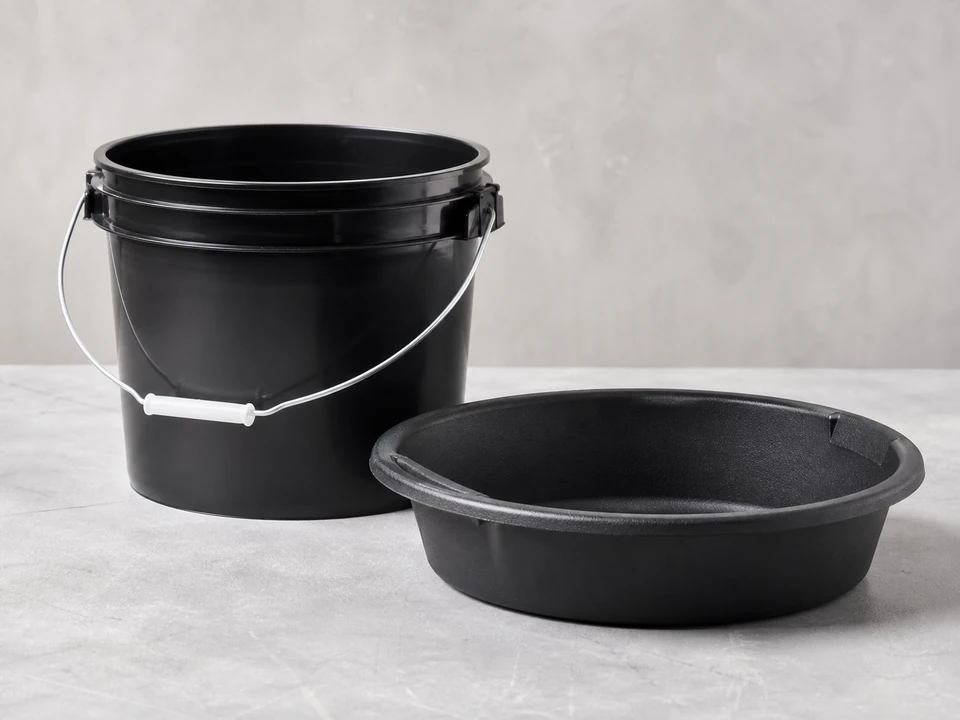
Use it for: To catch any water left in the supply line or tank parts.
Shop utility buckets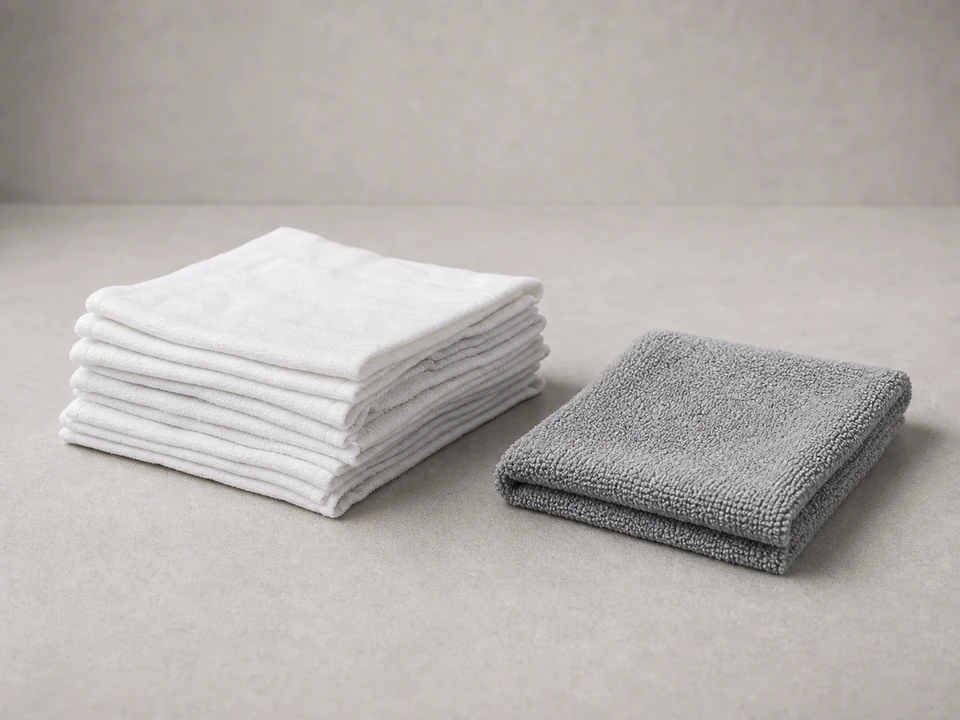
Use it for: To protect the floor and wipe up drips while you work.
Shop shop towels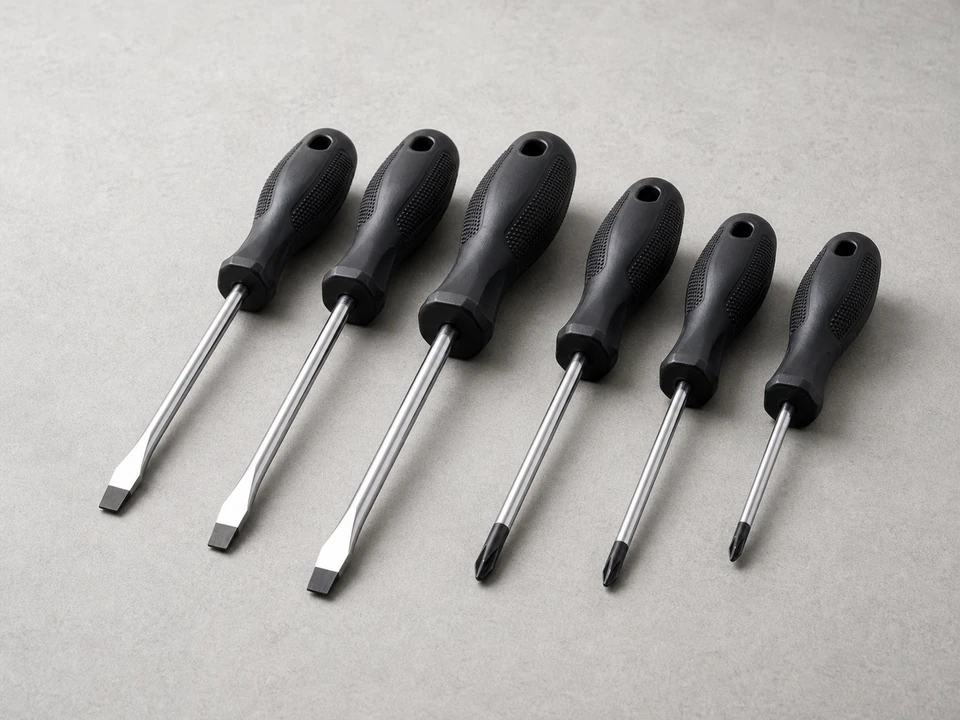
Use it for: To remove tank bolts or related hardware on toilets that require tank removal.
Shop screwdriver setsAs an Amazon Associate I earn from qualifying purchases. Repair Riot may earn a commission at no extra cost to you.
If it works: You have good reason to replace the toilet flush valve gasket because the tank is leaking into the bowl from the flush valve area.
If it doesn’t: If the tank level stays steady, check the fill valve, supply connection, or tank bolts instead of replacing the gasket.
If it works: The tank is empty enough to work on without making a mess.
If it doesn’t: If the shutoff valve does not fully stop the water, close the home's main water supply before continuing.
If it works: The old gasket is off and the flush valve sealing surfaces are visible.
If it doesn’t: If the gasket location or tank hardware does not match your replacement part, pause and compare the old part to the new one before reassembly.
If it works: The new gasket sits flat and even on a clean flush valve surface.
If it doesn’t: If the gasket will not sit flat, remove it and recheck for debris, the wrong size, or a damaged flush valve.
If it works: The tank refills normally and there are no immediate external leaks.
If it doesn’t: If you see a small drip at a connection, shut the water back off and snug that connection carefully without overtightening.
If it works: The toilet flushes normally, the tank holds its water level, and the leak does not return.
If it doesn’t: If the tank still leaks into the bowl, the flush valve body, flapper, or seat may also need repair or replacement.
Match the flush valve size, overflow height, and toilet tank compatibility before ordering.
As an Amazon Associate I earn from qualifying purchases. Repair Riot may earn a commission at no extra cost to you.
If the toilet leaks into the bowl, both parts are worth checking. A worn flapper is common, but some toilets also use a gasket around the flush valve that hardens, flattens, or stops sealing well. If the flapper looks good but the flush valve seal area is deteriorated, the gasket is a likely cause.
No. Some toilets let you reach the sealing part from inside the tank, while others require tank removal to access the gasket around the flush valve body. Compare your toilet's layout before you start.
You can if they are in good shape and not leaking, but older hardware often causes trouble once disturbed. If bolts, washers, or the supply line look corroded or worn, replacing them while the tank is apart can save time later.
The flush valve body may be warped, the flapper may not be sealing, the seat may still have buildup on it, or the replacement gasket may not match the valve correctly. A cracked tank or damaged flush valve assembly can also keep the leak going.
Tight enough to bring the tank down evenly and stop movement, but not so tight that the porcelain is stressed. Alternate side to side and make small adjustments instead of tightening one side all at once.