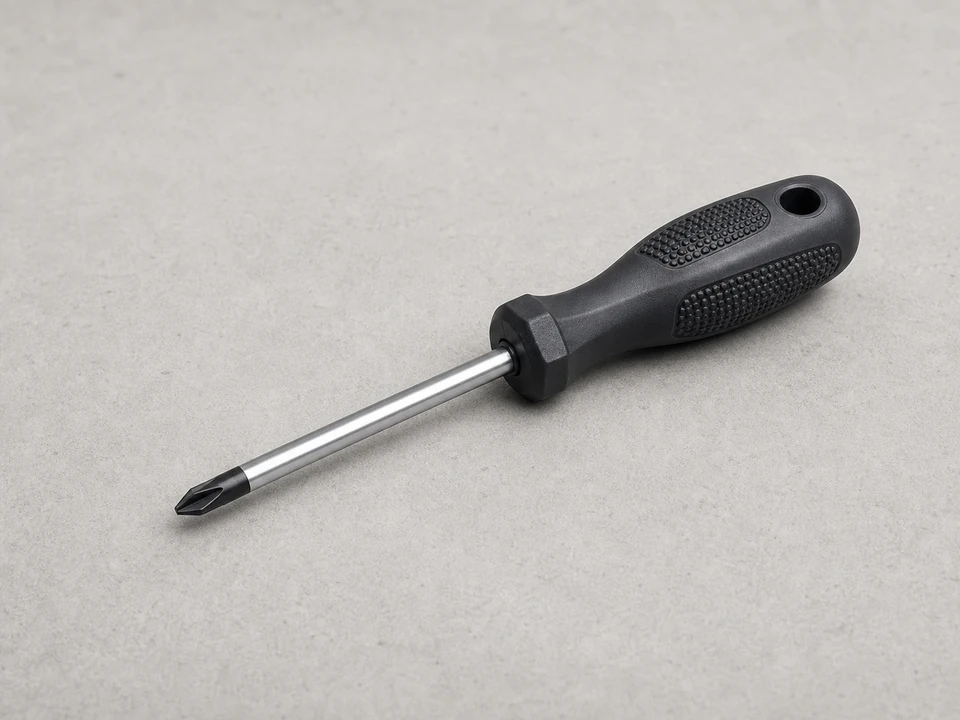
Phillips screwdriver
Use it for: To tighten hinge screws and remove them without stripping the heads.
Find a Phillips screwdriverTo adjust a sagging door, start by confirming the top edge or latch side is rubbing, then tighten all hinge screws, replace any loose short screws with longer screws into solid framing, and make small hinge or shim adjustments until the reveal around the door looks even and the latch catches cleanly.
A sagging door usually means the hinge side has loosened over time, not that the whole door suddenly warped. Work slowly, make one small change at a time, and test the door after each adjustment so you do not over-correct it.
Before you start: Most sagging doors are corrected by tightening hinges, replacing stripped or short hinge screws, or adding a thin shim. Match screw length and hinge size to your existing door and jamb. Stop if the repair becomes unsafe or unclear.
Use it for: To tighten hinge screws and remove them without stripping the heads.
Find a Phillips screwdriver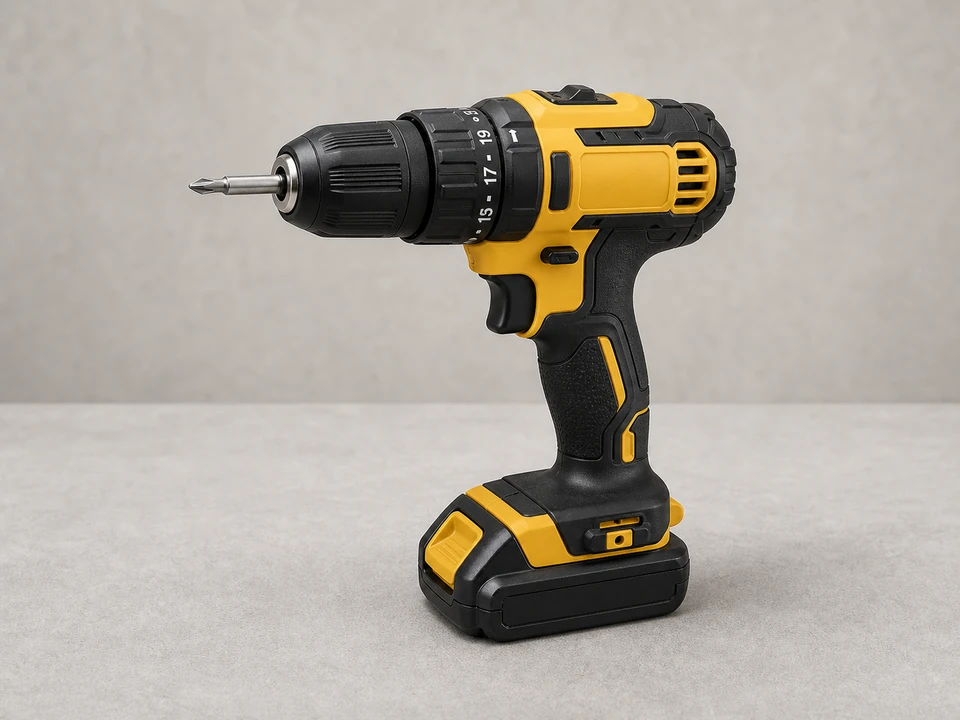
Use it for: To drive longer replacement screws into the jamb and framing.
Shop drill drivers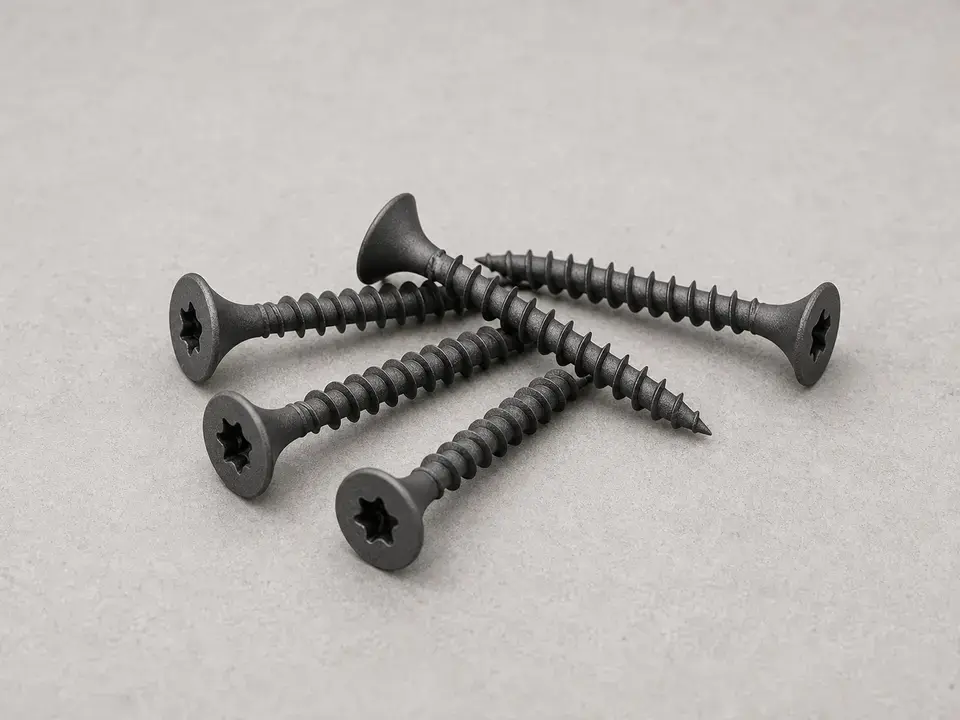
Use it for: To replace loose top hinge screws and pull the jamb back into alignment.
Find 3-inch wood screws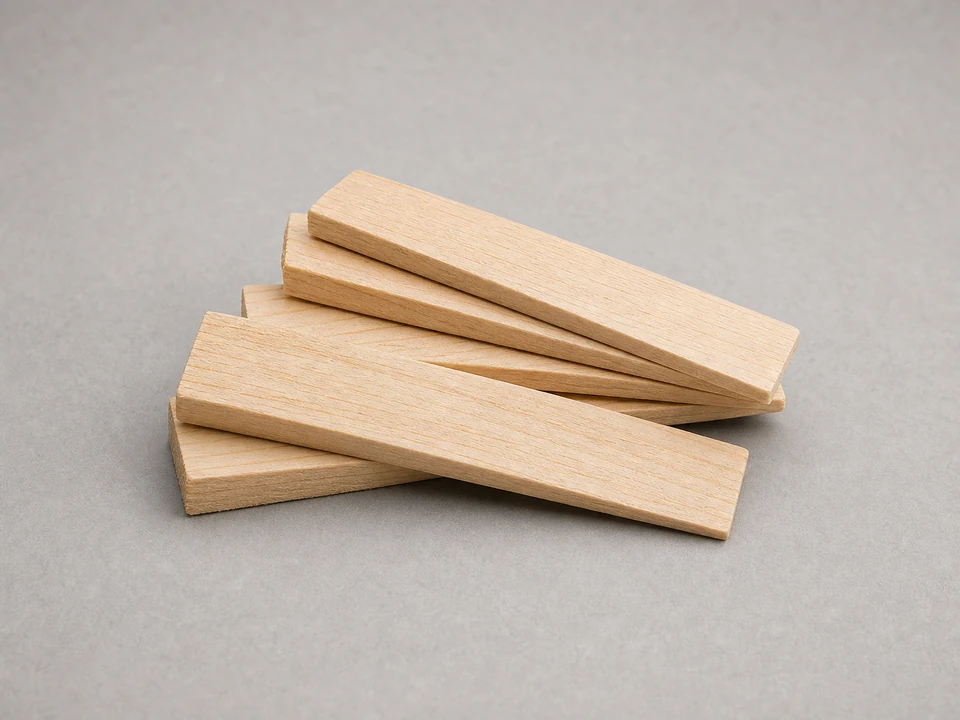
Use it for: To make a small hinge shim if the door still needs fine adjustment.
Shop wood shims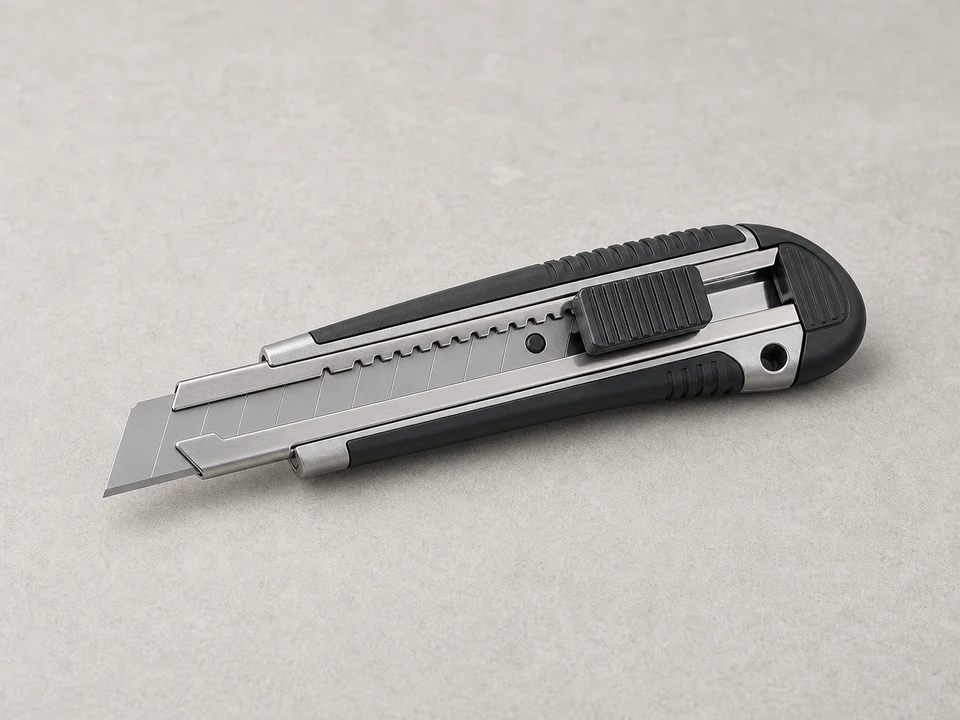
Use it for: To trim a shim neatly so it fits behind the hinge leaf.
Find a utility knife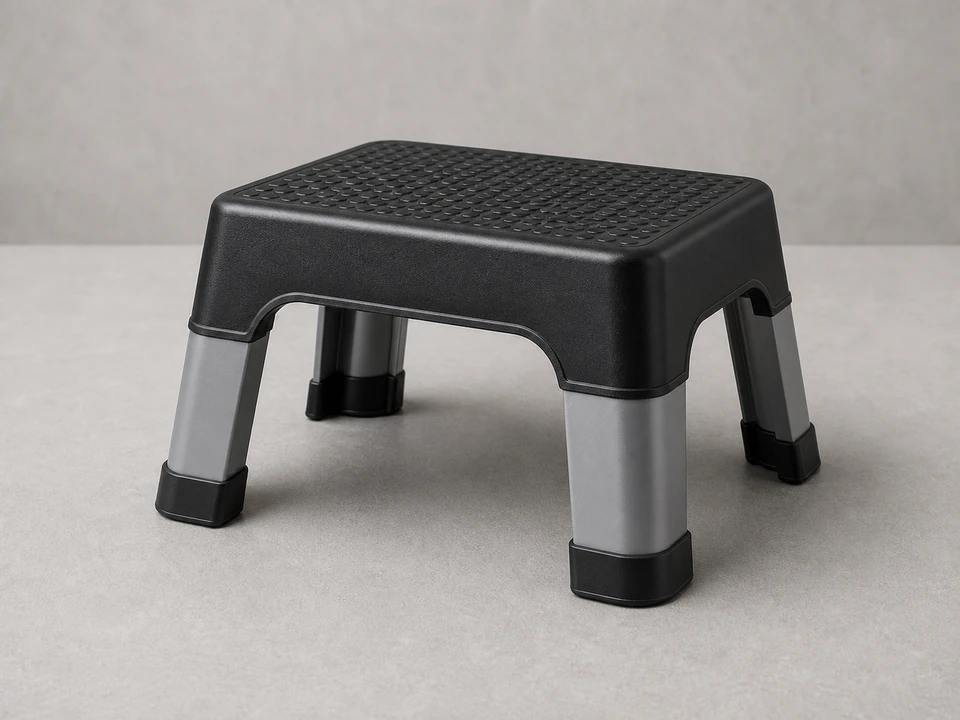
Use it for: To reach the top hinge safely and work square to the screws.
Shop step stoolsAs an Amazon Associate I earn from qualifying purchases. Repair Riot may earn a commission at no extra cost to you.
If it works: You can see or feel that the door is dropping on the latch side or moving at the hinges.
If it doesn’t: If the gaps are even and the door still sticks, the problem may be paint buildup, swelling, or a strike plate issue instead of sagging.
If it works: The door feels firmer at the hinges and may already close better.
If it doesn’t: If one or more screws keep spinning or will not snug up, move on to replacing the loose screws.
If it works: The top of the door pulls back toward the hinge side, and the latch side lifts enough to reduce rubbing.
If it doesn’t: If the door improved but still needs a little correction, fine-tune it with a shim or small hinge adjustment.
If it works: The gaps around the door look more consistent, and the door moves without scraping the frame.
If it doesn’t: If shimming one hinge makes the fit worse, remove that shim and try a thinner one or adjust a different hinge.
If it works: The latch enters the strike plate cleanly and the door closes without pushing or lifting.
If it doesn’t: If the latch is still far off after the door itself is aligned, the strike opening may need repair or the frame may be out of position.
If it works: The door swings smoothly, the gaps stay even, and the latch catches normally in everyday use.
If it doesn’t: If the sag returns quickly, the screw holes or framing behind the jamb likely need a more durable repair than simple adjustment.
Most sagging doors come from loose hinge screws, worn screw holes, or a top hinge that is no longer anchored well into solid wood. Heavy use over time slowly pulls the door out of alignment.
Usually no. Many sagging doors can be corrected by tightening screws, replacing a few hinge screws with longer ones, or adding a thin shim behind one hinge.
The top hinge carries a lot of the door's pulling force. Longer screws can reach solid framing behind the jamb and pull the door back into position better than short factory screws.
Some people do, but it is easy to overdo it or damage the hinge. Tightening screws and using a small shim is usually a cleaner first repair for a homeowner.
That can still be a hinge alignment issue, but it may also point to floor movement, a swollen door, or a frame problem. Check the hinge screws first, then look at the overall gap pattern before trimming anything.