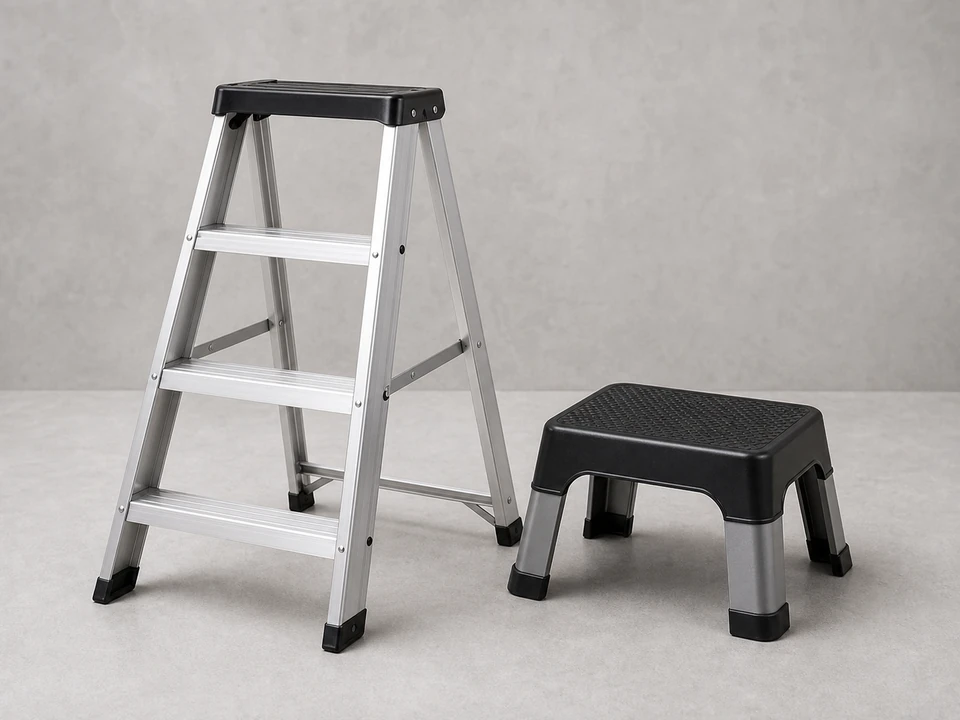
Step ladder
Use it for: Lets you reach the track hardware safely and work at eye level.
Shop step laddersTo replace barn door end stops, confirm the stops are the reason the door is overtraveling or hitting hard, support the door so it cannot roll unexpectedly, remove the old stops from the track, install matching replacements in the same positions, and test the door several times to make sure it stops cleanly at both ends.
End stops keep a sliding barn door from rolling too far and help the door land in the right spot. When they loosen, crack, or go missing, the door can slam, drift past the opening, or hit the wall or floor guide harder than it should.
Before you start: Match the replacement part to your exact door before ordering.
Use it for: Lets you reach the track hardware safely and work at eye level.
Shop step ladders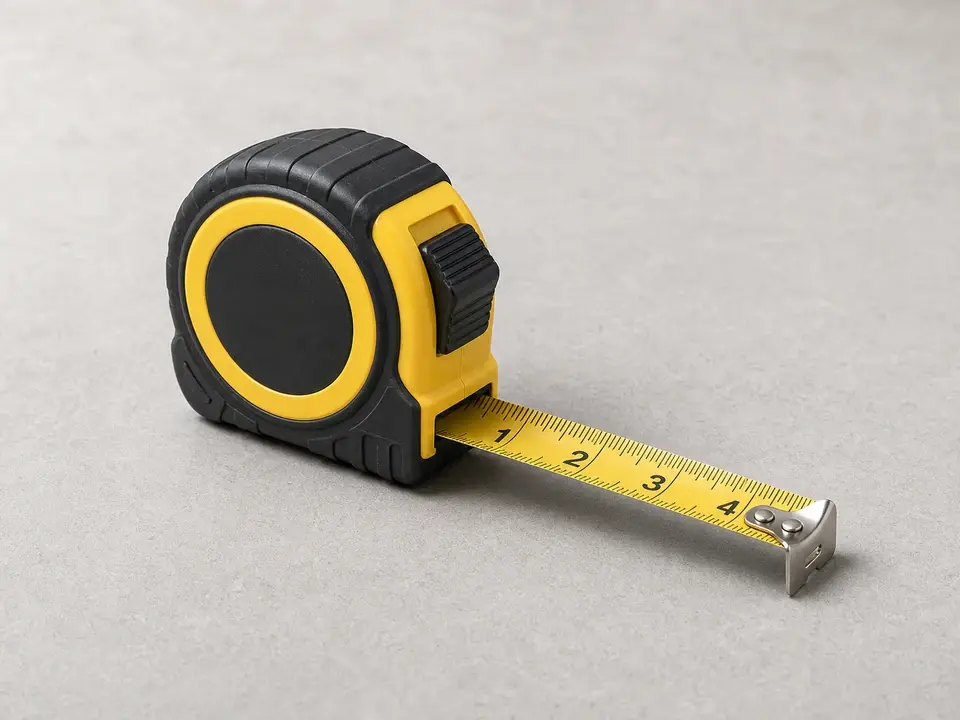
Use it for: Helps you match the new stops and set them back in the right positions.
Shop tape measures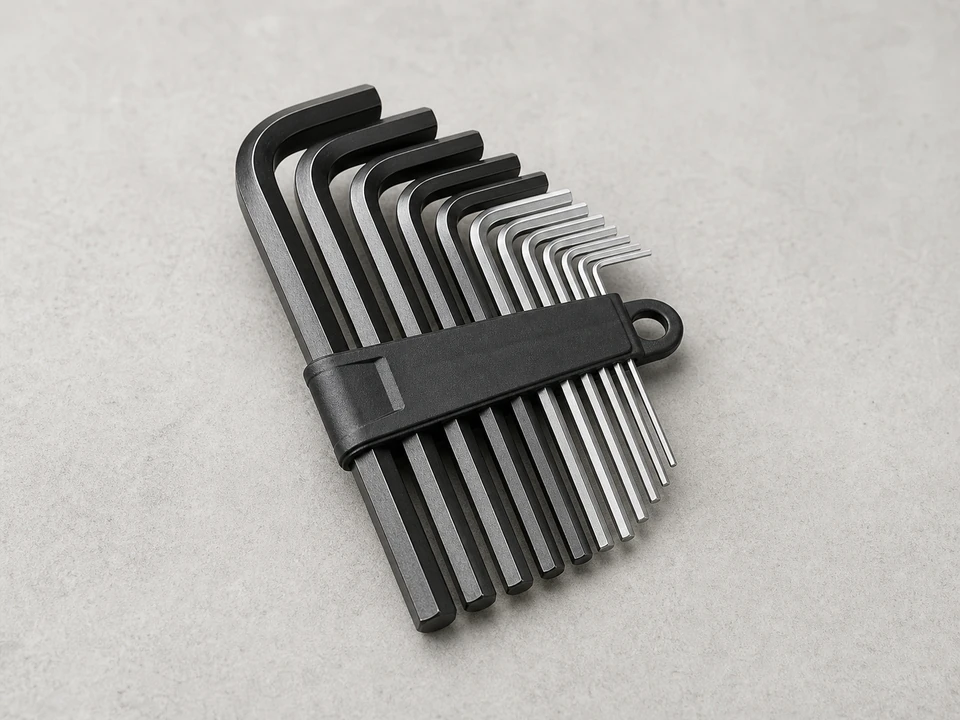
Use it for: Many barn door stops use set screws that tighten with a hex key.
Shop Allen wrench sets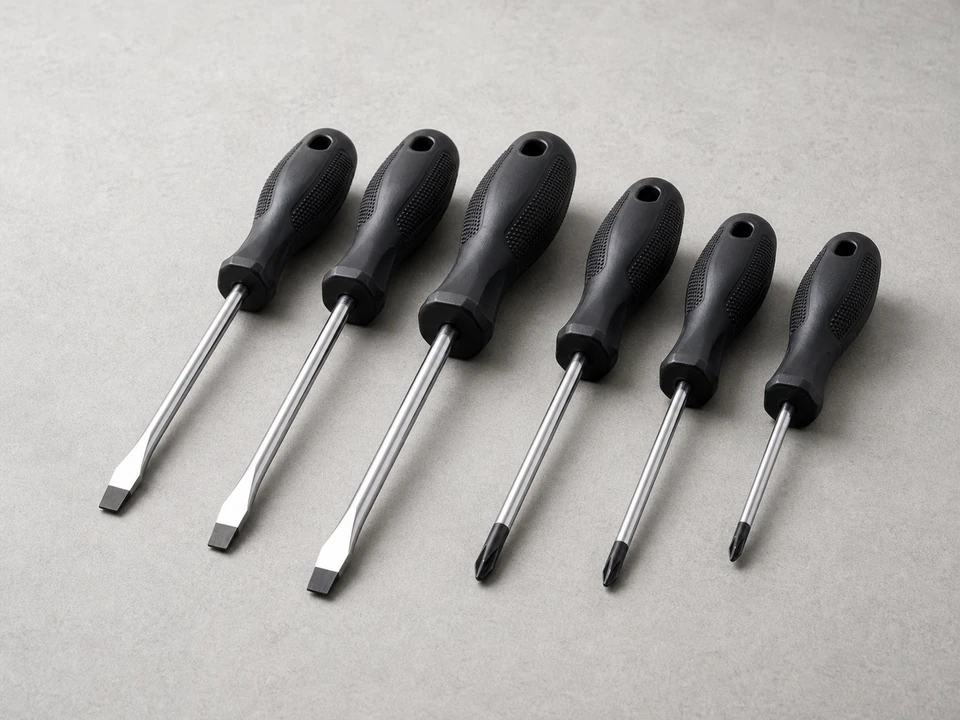
Use it for: Useful if your stop hardware uses screws instead of set screws.
Shop screwdriver sets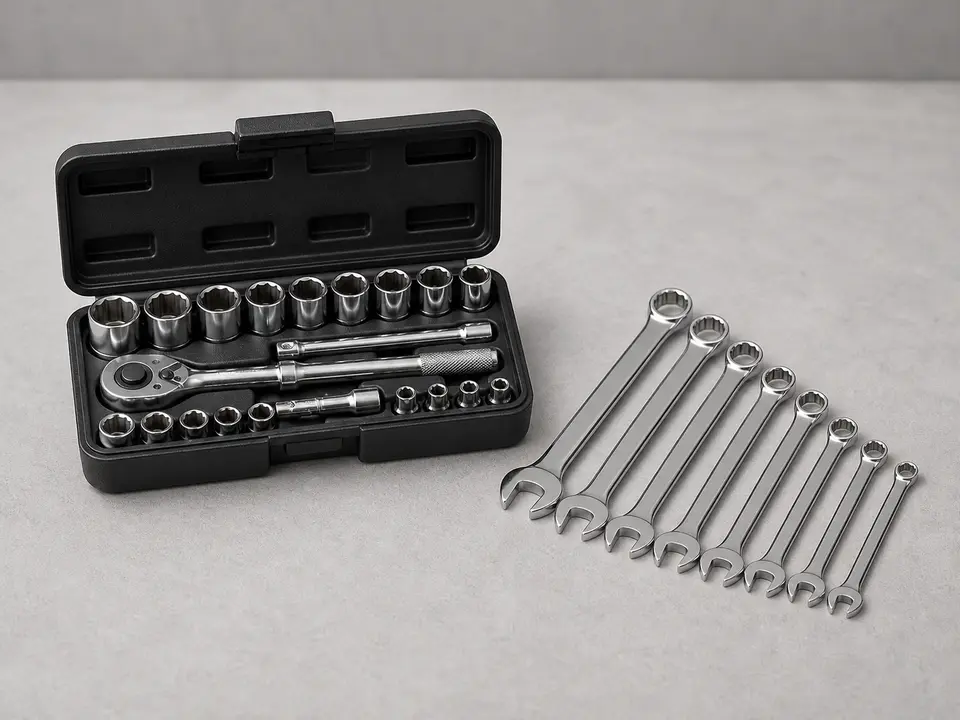
Use it for: Helps loosen or tighten stop hardware that clamps to the rail with nuts or bolts.
Shop wrench sets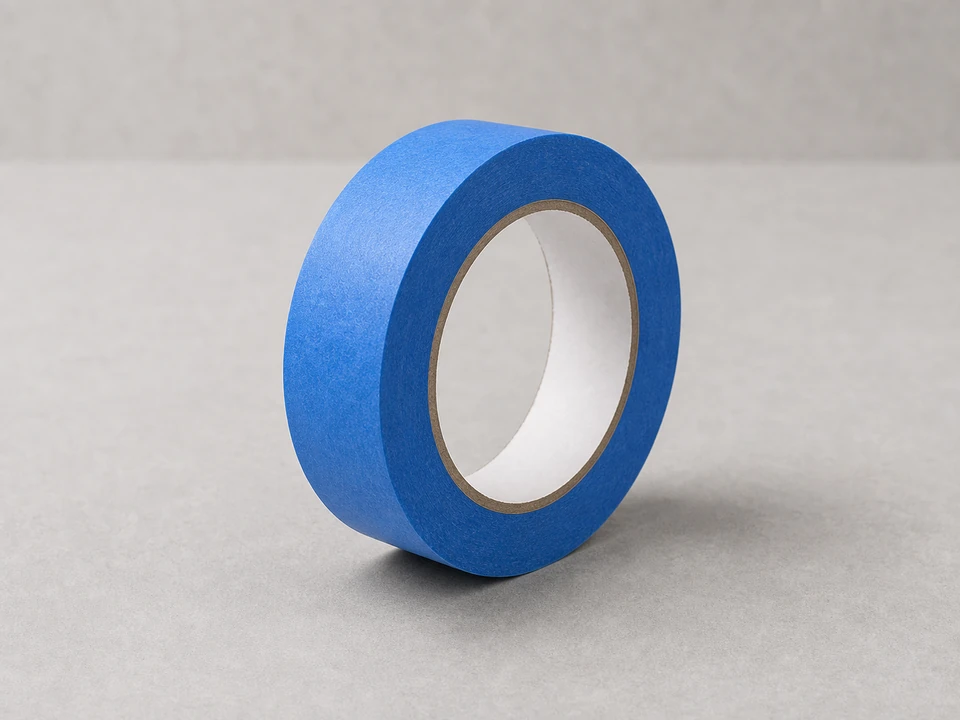
Use it for: Marks the old stop locations before removal so the new stops go back close to the original positions.
Shop painter's tapeAs an Amazon Associate I earn from qualifying purchases. Repair Riot may earn a commission at no extra cost to you.
If it works: You have confirmed that worn, loose, missing, or damaged end stops are causing the poor stopping action.
If it doesn’t: If the stops look fine, inspect the rollers, anti-jump hardware, floor guide, and track alignment before buying parts.
If it works: The door is stable, the old stop positions are marked, and the replacement hardware appears to match.
If it doesn’t: If the new stops do not mount the same way or do not fit the track profile, return them and get a matching set.
If it works: The old stops are off and the track surface is clean where the new stops will mount.
If it doesn’t: If a fastener is stuck, apply steady pressure with the correct tool and avoid rounding it off. If it still will not move, remove the stop hardware only after you are sure the door is stable.
If it works: Both new stops are mounted securely and positioned close to the original stopping points.
If it doesn’t: If a stop will not clamp tightly, remove it and check for the wrong track size, missing hardware, or damage on the rail surface.
If it works: The door now stops in the right place at both ends without slamming or rolling too far.
If it doesn’t: If you run out of adjustment range, recheck that you bought the correct stop style and that the track and floor guide are aligned.
If it works: The repair held in real use and the door stops smoothly and consistently at both ends.
If it doesn’t: If a stop shifts during testing, tighten it again and inspect the track surface and hardware fit before using the door regularly.
Match the replacement part to your exact door before ordering.
As an Amazon Associate I earn from qualifying purchases. Repair Riot may earn a commission at no extra cost to you.
Not always, but it is usually a good idea if both stops are the same age. If one has loosened or the bumper is worn out, the other may not be far behind.
Match the mounting style and the track shape first. Compare the old stop's width, fastening method, and contact surface to the new part before ordering.
It is better not to. Without a working stop, the door can roll too far, hit hard, or stress the rollers, floor guide, or surrounding trim.
The stops may need adjustment, or the real problem may be elsewhere. Check for a misaligned floor guide, worn rollers, a loose track, or a door that is not hanging level.
Yes. They should be tight enough that you cannot slide them by hand during normal use. If they keep moving, the fit may be wrong or the track surface may be damaged.