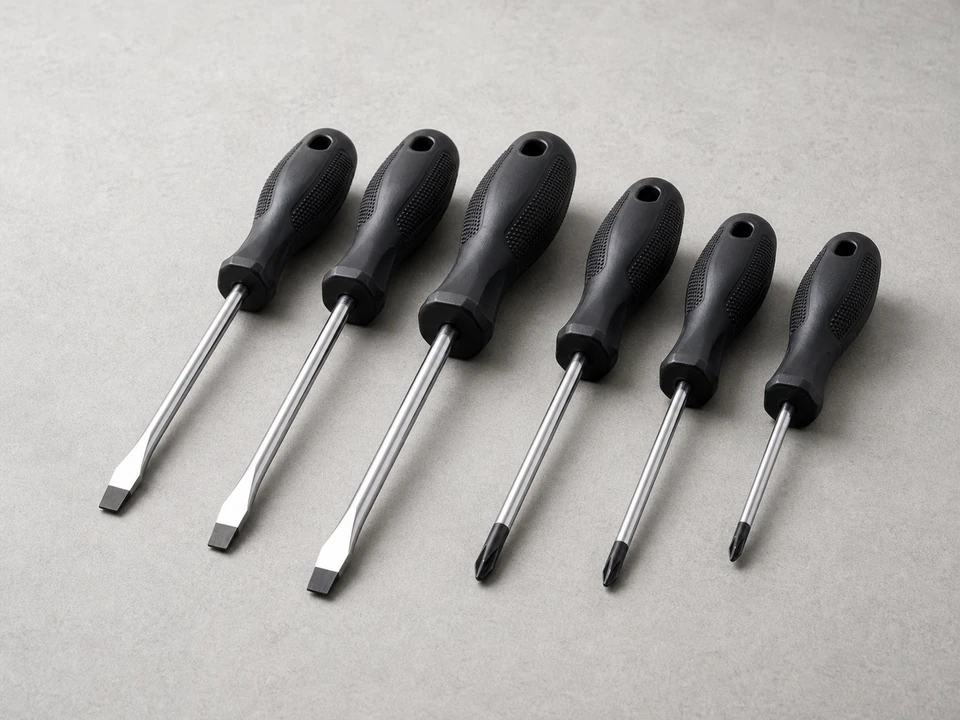
Screwdriver set
Use it for: Removes and installs the screws that hold the anti-jump hardware in place.
Shop screwdriver setsTo replace barn door anti jump hardware, support the door, confirm the old anti-jump piece is bent, loose, missing, or no longer capturing the rail, then remove it and install a matching replacement so the door cannot lift off the track during normal use.
This is a straightforward hardware swap, but the door is heavy and can shift while you work. Take a minute to stabilize the door first, then replace the anti-jump hardware with a part that matches your rail and door thickness.
Before you start: Match the replacement part to your exact door before ordering.
Use it for: Removes and installs the screws that hold the anti-jump hardware in place.
Shop screwdriver sets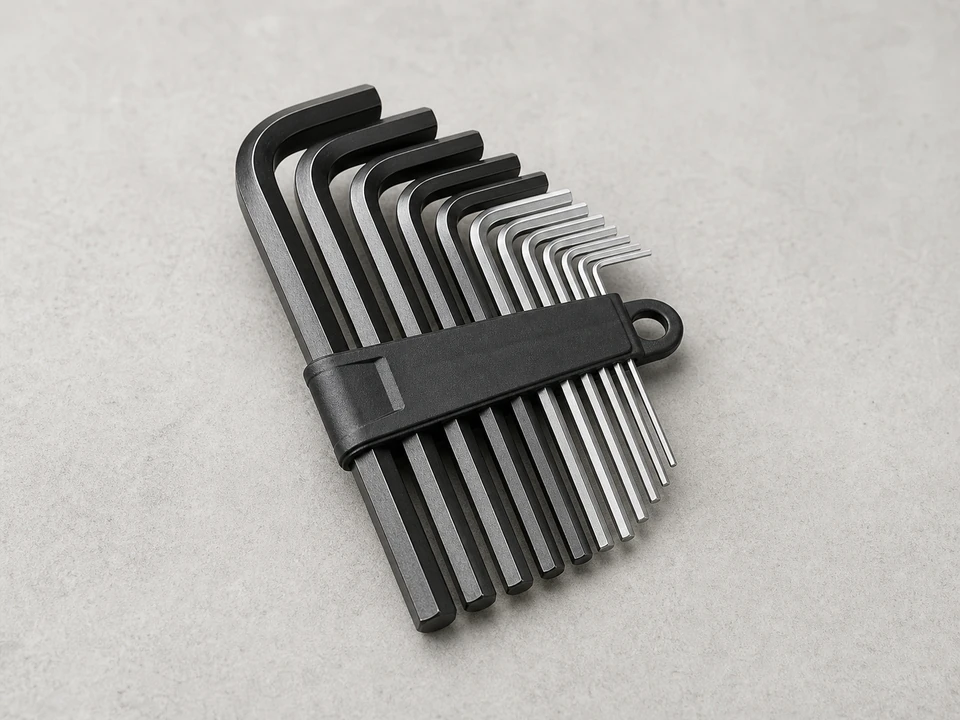
Use it for: Some barn door hardware uses Allen screws instead of standard screw heads.
Shop hex key sets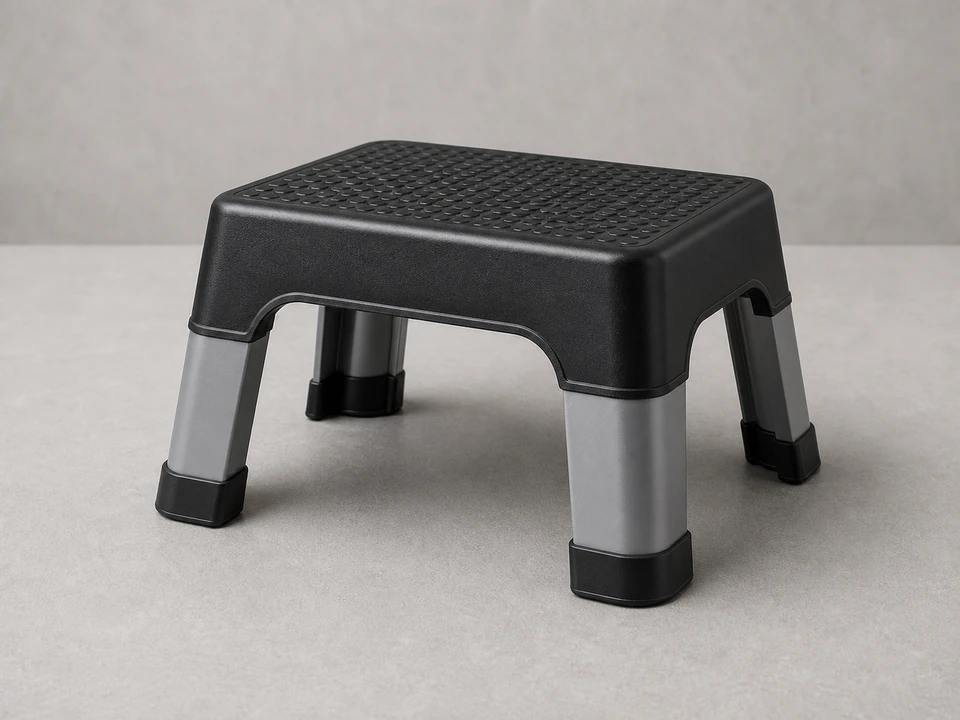
Use it for: Helps you reach the top edge of the door and rail area safely.
Shop step stools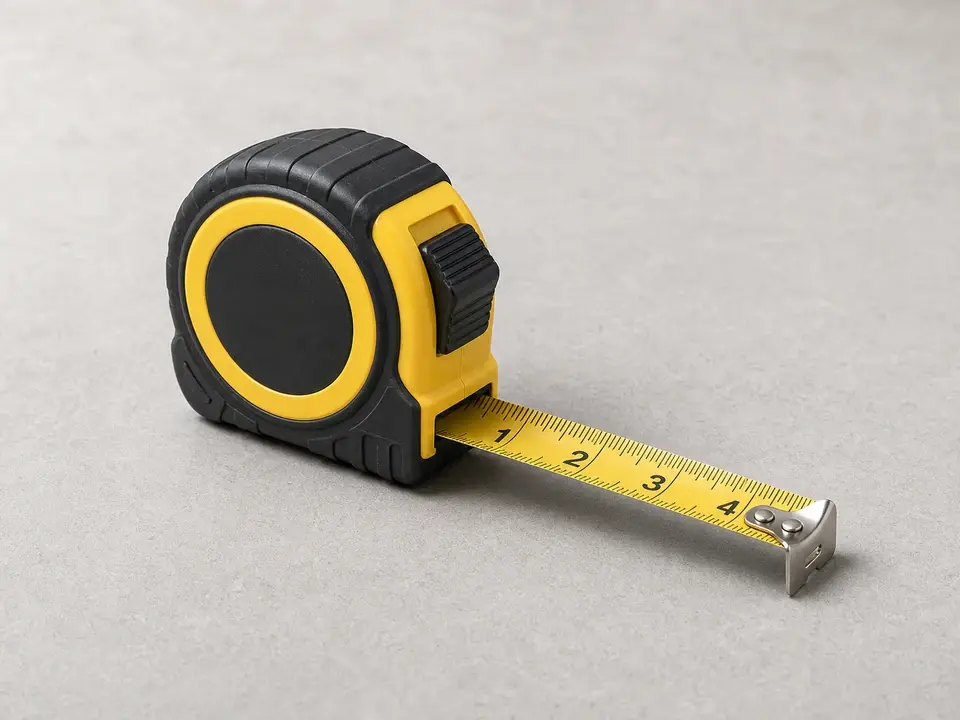
Use it for: Checks spacing, door thickness, and replacement fit before installation.
Shop tape measures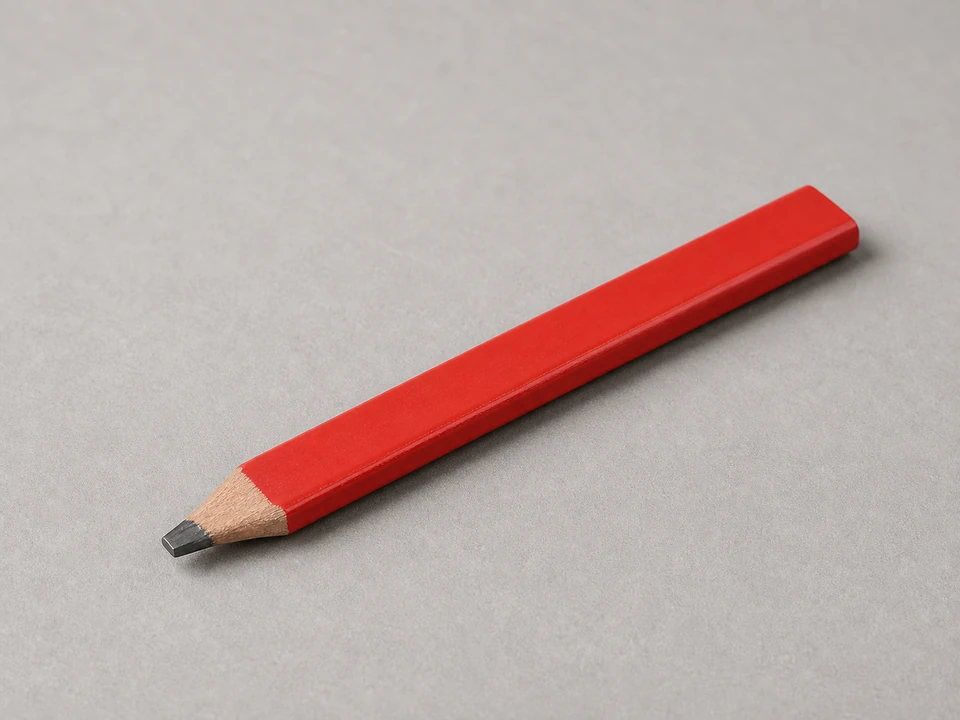
Use it for: Marks the old hardware position so the new piece goes back in the right spot.
Shop carpenter pencils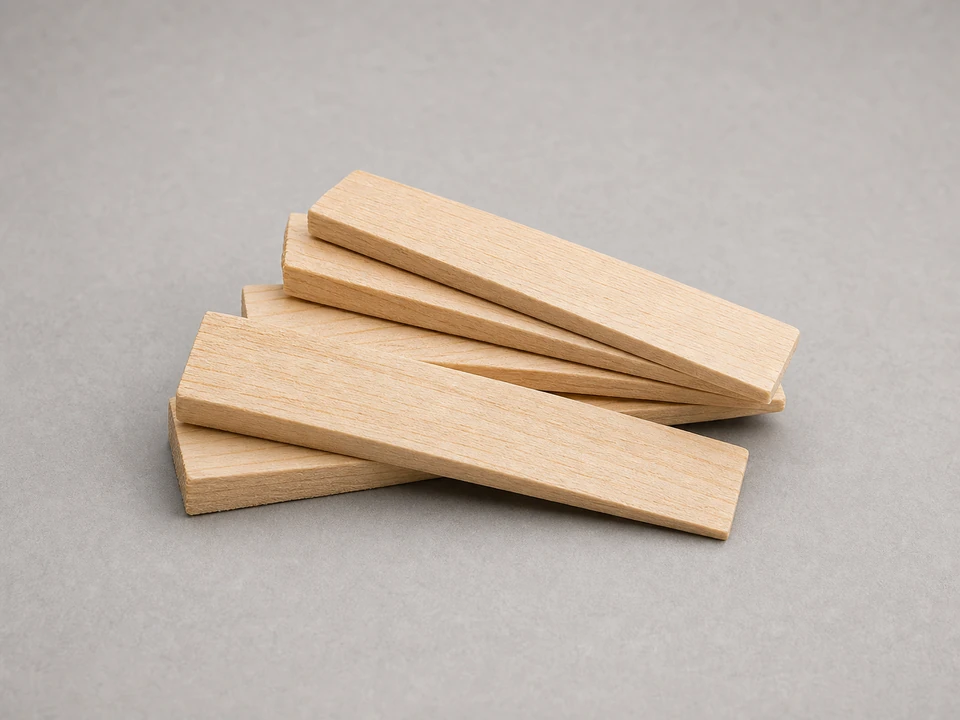
Use it for: Keeps the door steady so it does not tip or lift while hardware is removed.
Find door support blocksAs an Amazon Associate I earn from qualifying purchases. Repair Riot may earn a commission at no extra cost to you.
If it works: You have confirmed the anti-jump hardware is damaged, missing, or not holding the door properly.
If it doesn’t: If the anti-jump hardware looks fine, inspect the rollers, rail stops, floor guide, and rail mounting instead before buying parts.
If it works: The door is supported, steady, and safe to work on.
If it doesn’t: If you cannot keep the door stable, wait and do the repair with a helper rather than trying to hold the door and remove hardware at the same time.
If it works: You know the replacement matches the old hardware closely enough to install in the same location.
If it doesn’t: If the new part does not match the old one, pause and get the correct replacement so you do not leave the door unsecured.
If it works: The old anti-jump hardware is off and the mounting surface is clean.
If it doesn’t: If a screw is stripped or stuck, stop forcing it and switch to the correct bit or hand tool so you do not damage the door further.
If it works: The new anti-jump hardware is secure and properly positioned to keep the door captured on the rail.
If it doesn’t: If the door binds after tightening, loosen the hardware slightly and realign it so it clears the rail while still limiting upward movement.
If it works: The door slides smoothly, stays on the rail, and no longer has unsafe upward play.
If it doesn’t: If the door still lifts too much or drags, recheck the hardware position and then inspect the rail, rollers, and floor guide for a second issue.
Match the replacement part to your exact door before ordering.
As an Amazon Associate I earn from qualifying purchases. Repair Riot may earn a commission at no extra cost to you.
It keeps the door from lifting off the rail during normal use. It usually sits near the top of the door and limits upward movement while still letting the door slide.
Yes, if they are straight, not stripped, and still hold tightly. If the new hardware includes matching screws or the old screws are worn, use the new ones instead.
Anti-jump hardware only controls lift-off. Side-to-side wobble can also come from a loose floor guide, worn rollers, or a rail that is not mounted firmly.
Usually no. Many anti-jump pieces can be replaced with the door still hanging, as long as the door is supported and you can reach the hardware safely.
Match the mounting style, hole spacing, rail relationship, and door thickness. A quick comparison with the old part before removal can save a lot of trouble.