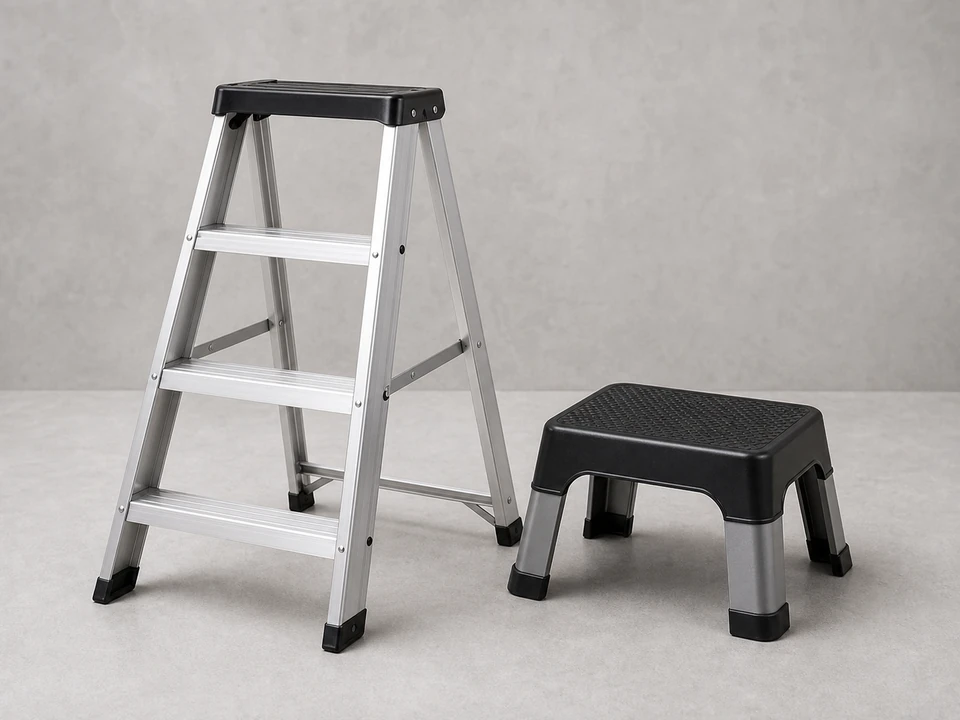
Stepladder
Use it for: Helps you safely reach the top of the door and track hardware.
Shop stepladdersTo replace barn door roller hardware, first confirm the roller is the part causing the drag, wobble, or jumping. Then support the door, remove the old roller hardware, install a matching replacement, and test the door through its full travel.
This repair is usually straightforward, but the door can be heavy and awkward. Work slowly, support the door before loosening hardware, and stop if the track, wall mounting, or door slab itself looks damaged.
Before you start: Match the roller diameter, stem or shaft style, and equipment compatibility before ordering.
Use it for: Helps you safely reach the top of the door and track hardware.
Shop stepladders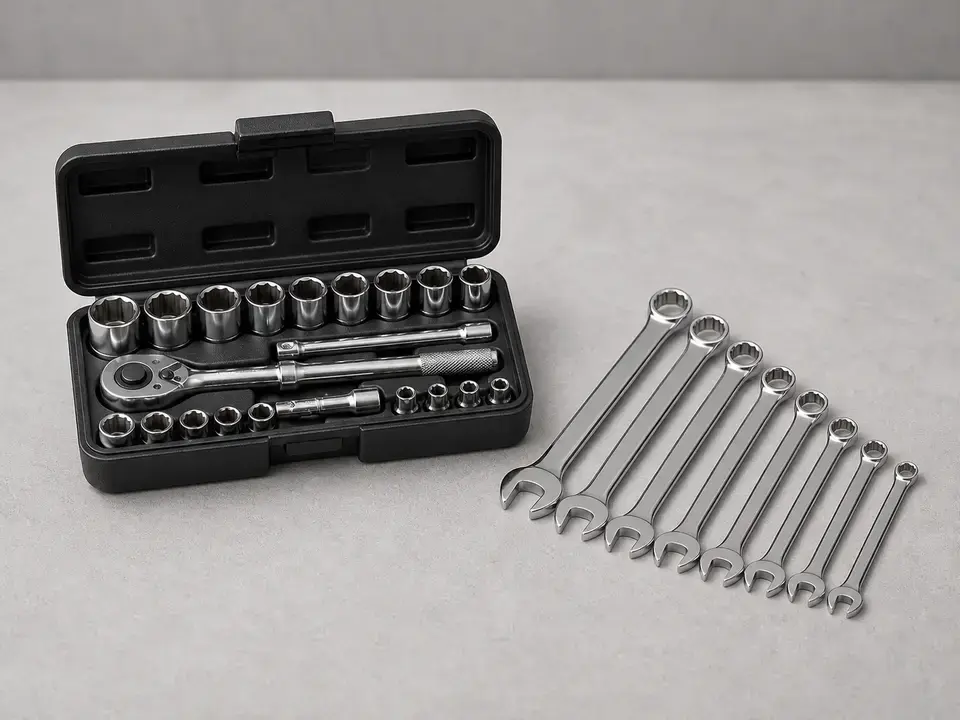
Use it for: Removes and tightens the roller mounting nuts or bolts.
Shop socket and wrench sets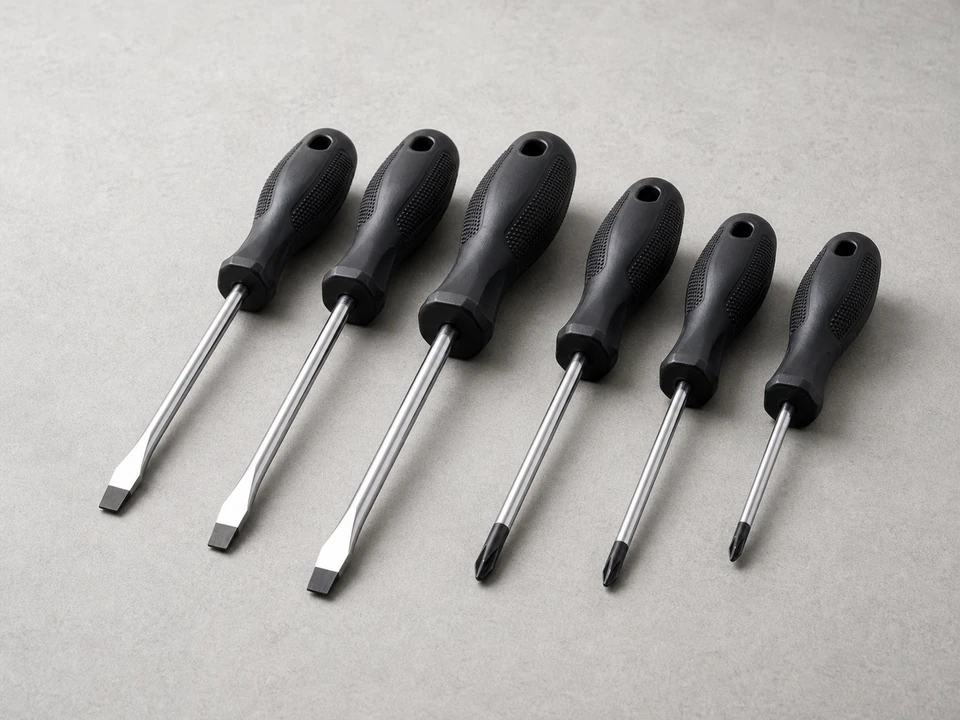
Use it for: Removes guides, anti-jump blocks, or trim pieces if needed for access.
Shop screwdriver sets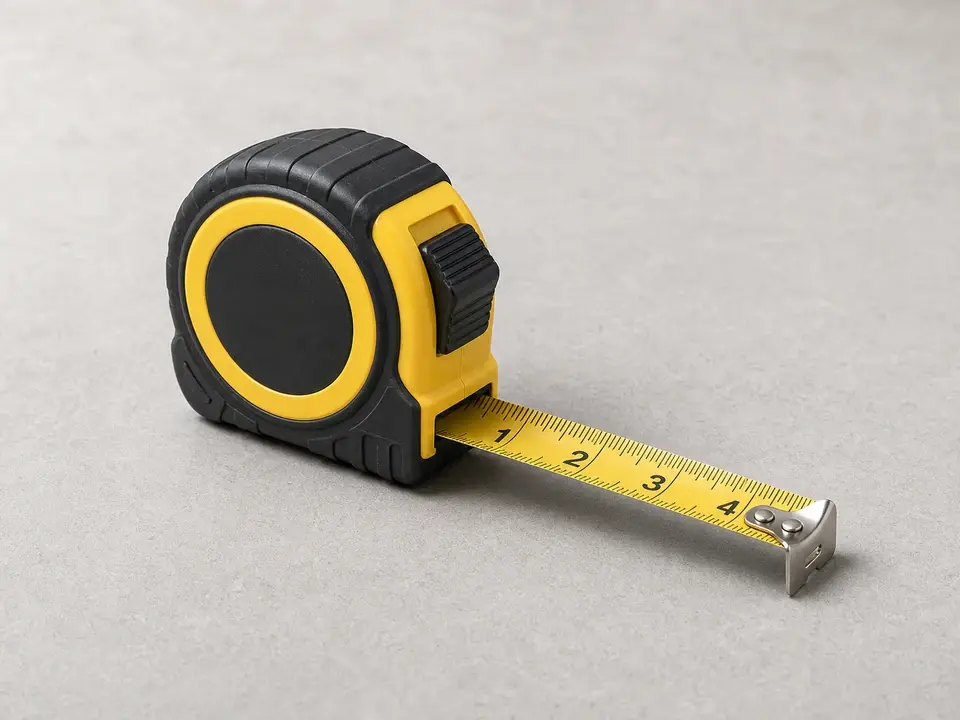
Use it for: Checks roller spacing, offset, and replacement size before installation.
Shop tape measures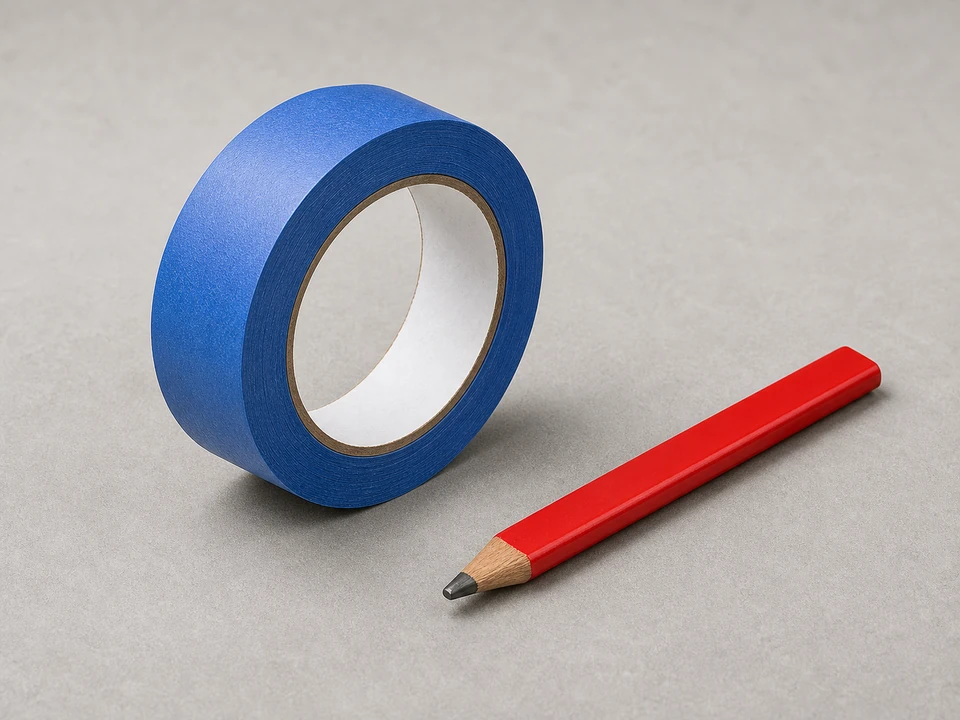
Use it for: Marks the old hardware position so the new roller goes back in the same place.
Shop painter's tape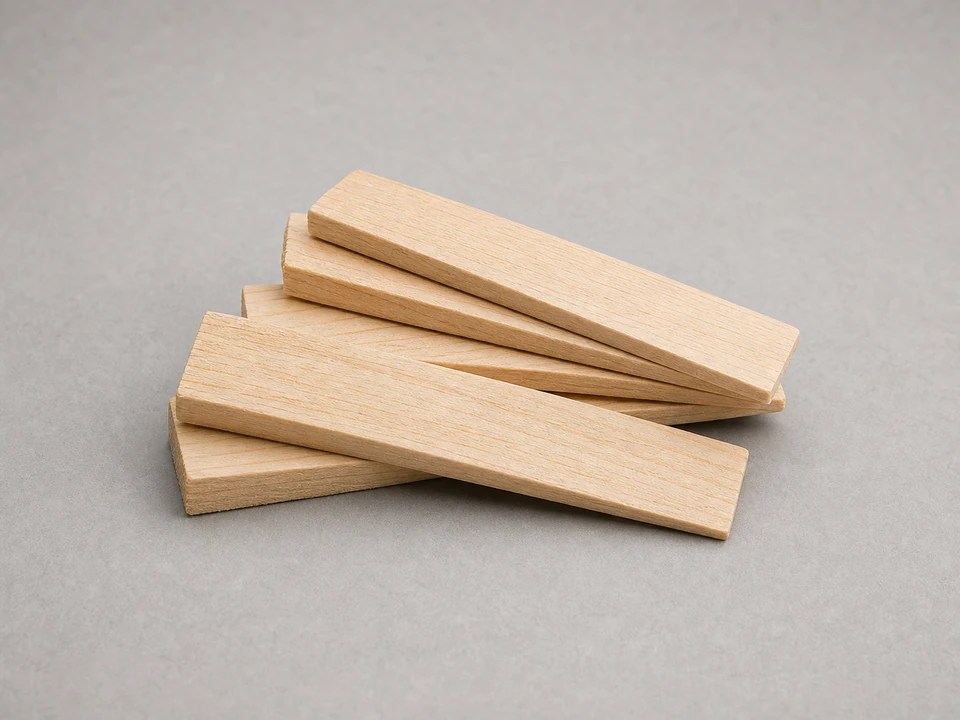
Use it for: Supports the door while the roller hardware is removed.
Find door support blocksAs an Amazon Associate I earn from qualifying purchases. Repair Riot may earn a commission at no extra cost to you.
If it works: You have clear signs that the roller hardware is worn, bent, cracked, or no longer tracking correctly.
If it doesn’t: If the rollers look sound, check the floor guide alignment and the track mounting first. Replacing the roller hardware may not fix the problem if the track or guide is causing the drag.
If it works: The door is supported and the old roller position is marked for easier alignment.
If it doesn’t: Add more support until the door no longer shifts when you touch the roller bracket.
If it works: The old roller hardware is off the door and you can clearly see how it was assembled.
If it doesn’t: Take a photo of the remaining side or the old hardware stack-up before going further so you can match the new installation.
If it works: The new roller hardware is mounted securely and sits in the same general position as the original.
If it doesn’t: If the new hardware does not line up cleanly with the existing holes or track position, recheck fit before forcing anything. A mismatched roller can create worse tracking problems.
If it works: The door rolls smoothly in short test passes and stays seated in the track.
If it doesn’t: Fine-tune the bracket position and check that the floor guide is centered on the door before testing again.
If it works: The door moves smoothly, stays aligned, and the new roller hardware holds under normal use.
If it doesn’t: If the door still binds or jumps, inspect the track, stops, and floor guide for a second issue that the roller replacement did not address.
Match the roller diameter, stem or shaft style, and equipment compatibility before ordering.
As an Amazon Associate I earn from qualifying purchases. Repair Riot may earn a commission at no extra cost to you.
A bad roller usually wobbles, grinds, binds in one spot, or shows visible wear or bending. If the track is bent, loose, or out of level, the door often misbehaves across a wider section instead of at one roller.
Yes, if only one roller is damaged and the matching replacement fits correctly. If the other roller is worn the same way, replacing both at the same time can help the door track more evenly.
Not always. Many setups let you support the door in place, remove the old roller hardware, and install the new one without fully removing the door from the opening. The key is keeping the door supported the entire time.
Check the wheel diameter, bracket shape, offset from the door face, mounting hole spacing, and the way the roller fits the track. Those details matter more than a rough visual match.
The floor guide may be misaligned, the track may be loose or bent, or the new bracket may need a small adjustment so the door hangs plumb. A roller replacement fixes only the roller-related part of the problem.