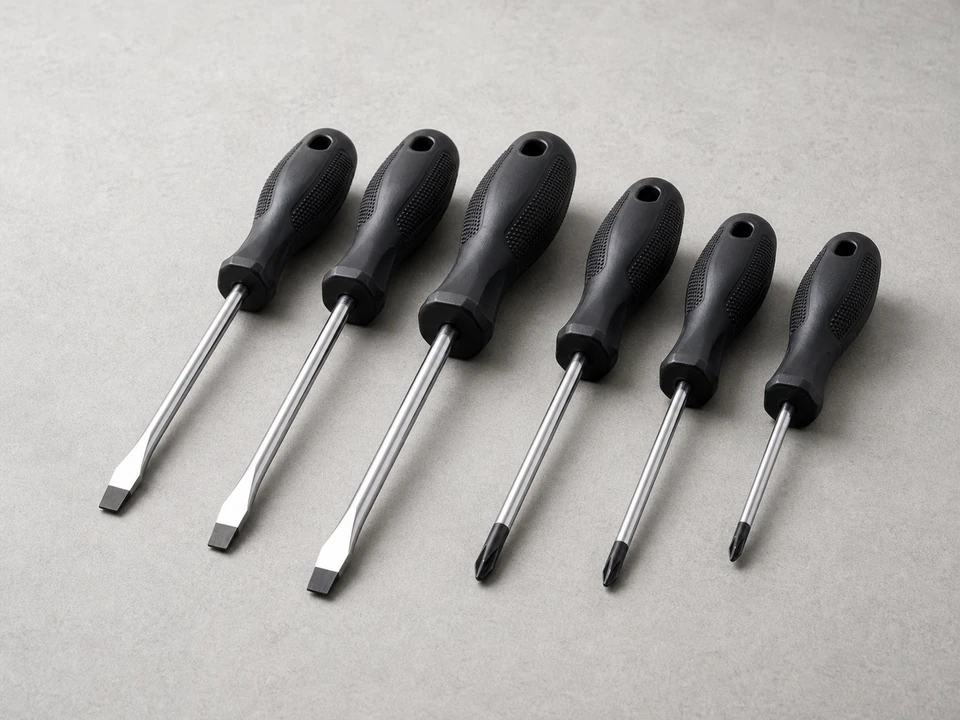
Screwdriver set
Use it for: To remove the old guide and fasten the new one.
Shop screwdriver setsTo replace a barn door bottom guide, confirm the guide is the part causing the door to wobble or rub, remove the old guide, install a matching replacement in the same position, and test the door through its full travel.
The bottom guide keeps a sliding barn door from swinging away from the wall and helps it stay centered as it moves. When it cracks, loosens, or wears down, the door can scrape, bind, or feel unstable. This is usually a straightforward repair if the door and track are still solid.
Before you start: Match the replacement part to your exact door before ordering.
Use it for: To remove the old guide and fasten the new one.
Shop screwdriver sets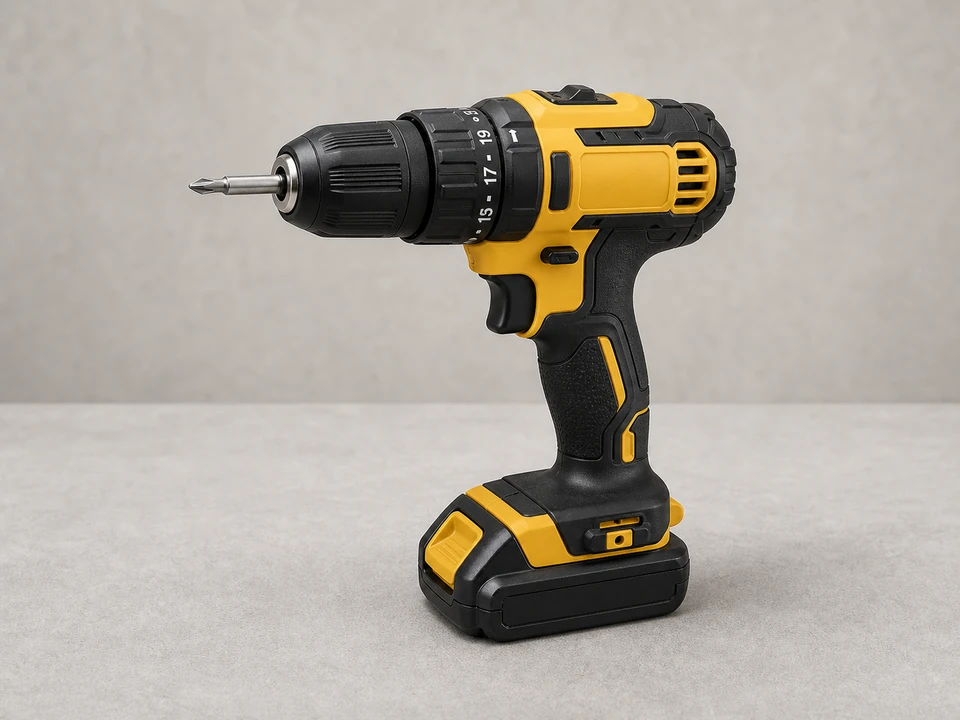
Use it for: To drive mounting screws and make pilot holes if needed.
Shop drill/drivers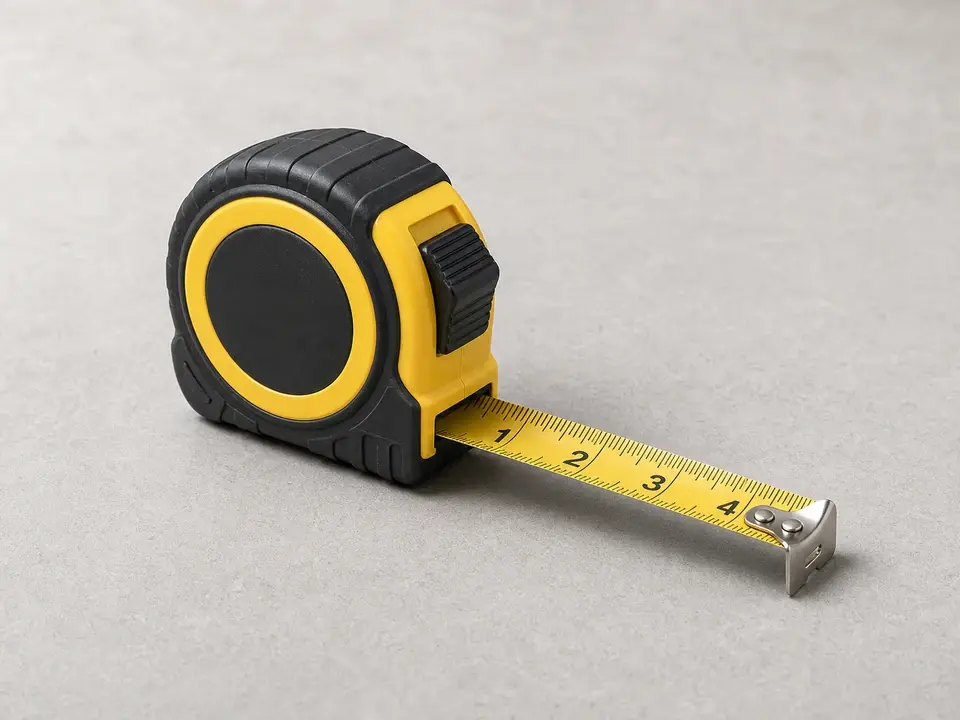
Use it for: To match the guide position and check door clearance.
Shop tape measures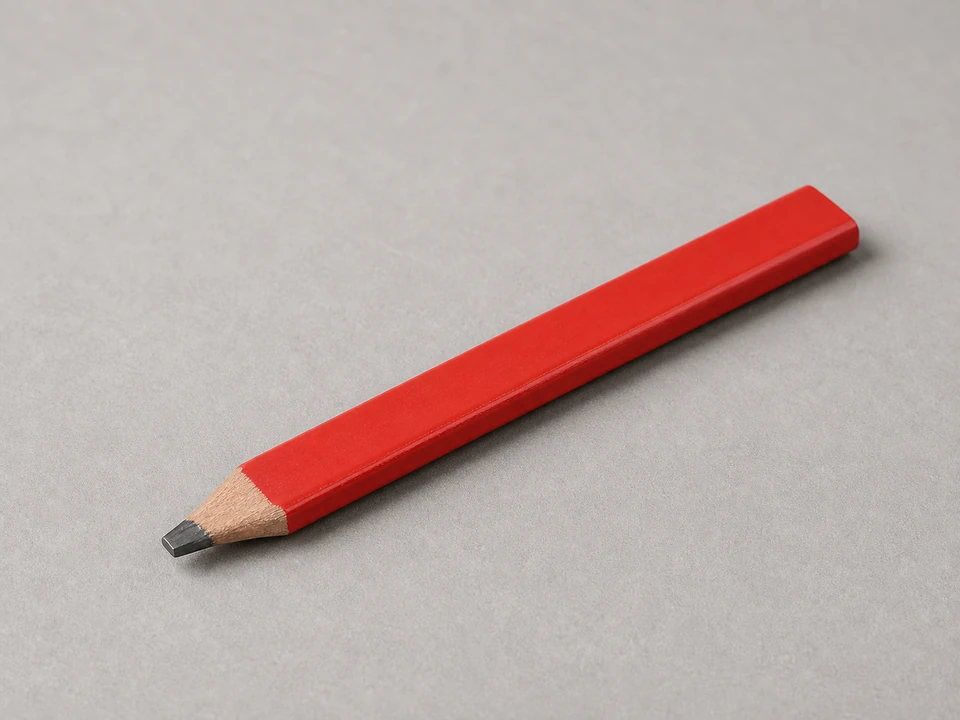
Use it for: To mark the old guide location and new screw holes.
Shop carpenter pencils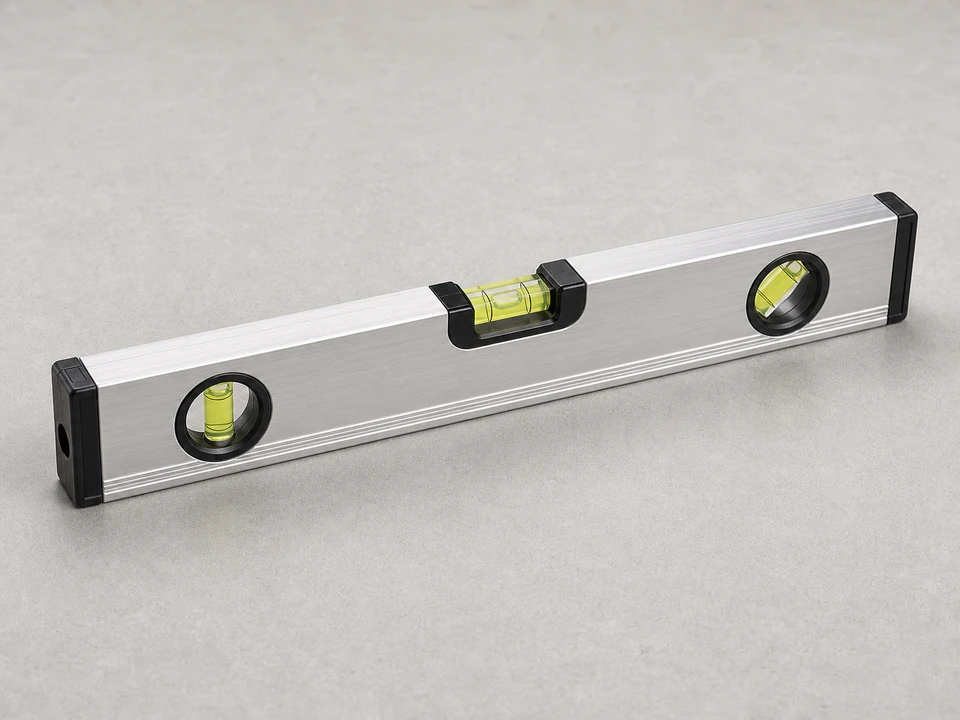
Use it for: To help keep the guide aligned with the door path.
Shop small levels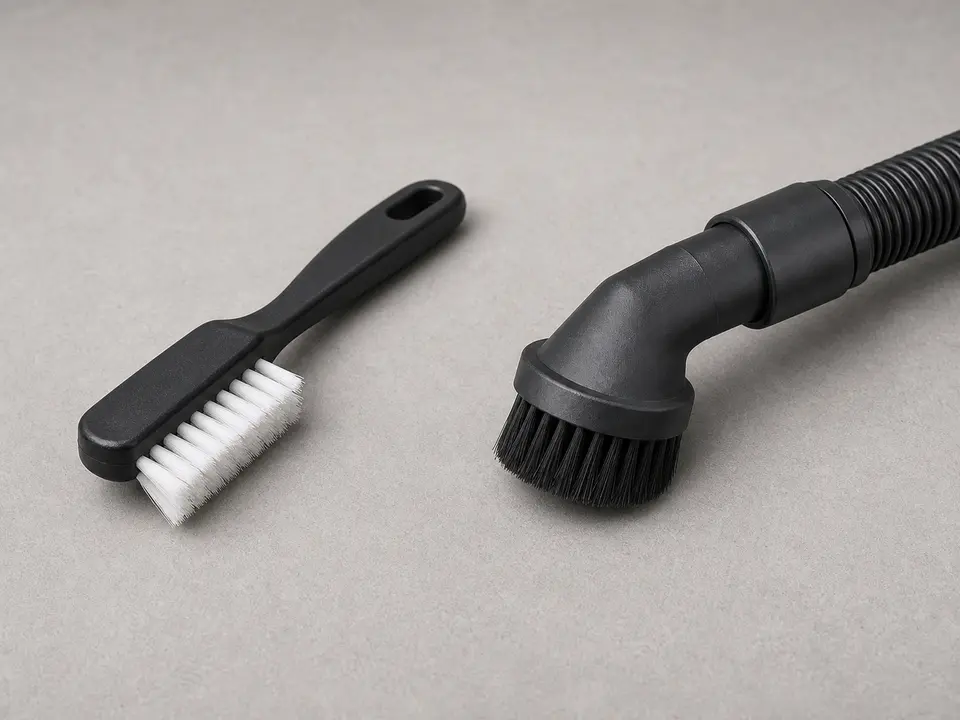
Use it for: To clear dust and debris from the floor and guide area before installation.
Shop small shop vacsAs an Amazon Associate I earn from qualifying purchases. Repair Riot may earn a commission at no extra cost to you.
If it works: You have clear signs that the bottom guide is worn, broken, loose, or missing and the rest of the door hardware appears serviceable.
If it doesn’t: If the door is binding at the top, sagging, or the track and rollers are loose, fix that issue first because a new guide alone will not solve it.
If it works: The door is steady and you have reference marks showing where the guide should sit.
If it doesn’t: If the old guide is missing, use the door's natural path under the top track to find the centered guide position before drilling any holes.
If it works: The old guide is off and the mounting surface is clean enough for the new guide to sit flat.
If it doesn’t: If the old holes are blown out, shift the new guide slightly if the design allows, or use fresh pilot holes in solid material nearby while keeping the guide aligned with the door path.
If it works: The new guide is aligned with the door path and the screw locations are marked accurately.
If it doesn’t: If the replacement cannot line up with the door without rubbing or leaving too much play, stop and get a guide style that matches your door thickness and bottom edge design.
If it works: The guide is secure and the door moves through the guide area with light, even clearance.
If it doesn’t: If the door still rubs, loosen the guide slightly and re-center it before tightening again.
If it works: The door slides smoothly, stays aligned, and the new bottom guide remains tight in real use.
If it doesn’t: If the door still wobbles or binds after the guide is aligned and secure, inspect the top track, roller spacing, and door straightness for the real cause.
Match the replacement part to your exact door before ordering.
As an Amazon Associate I earn from qualifying purchases. Repair Riot may earn a commission at no extra cost to you.
Replace it if it is cracked, badly worn, missing, or will not stay tight. If it is intact and only slightly out of position, a careful realignment may be enough.
Usually yes. Many bottom guides mount to the floor and can be removed and replaced with the door still hanging, as long as you can steady the door safely.
The replacement does not have to look identical, but it does need to fit your door thickness, bottom edge style, and mounting location. If it cannot guide the door cleanly, use a better-matched part.
A new guide only controls the bottom of the door. If the top track, rollers, fasteners, or the door slab itself are loose or damaged, the wobble can continue.
Yes, if the holes are still solid and the screws tighten securely. If the holes are stripped or the floor material is damaged, move to fresh solid material if the guide design allows.