
Work gloves
Use it for: Protects your hands from sharp edges, wet debris, and hidden grit inside the extension.
Shop work glovesTo clean a downspout extension, disconnect it if needed, remove packed leaves and mud by hand, flush it with a garden hose, and reconnect it so water runs freely away from the house.
A downspout extension usually clogs where leaves, roof grit, and mud settle in a low spot or at the connection to the downspout. The job is straightforward if you start with a safe setup and confirm the extension itself is the problem.
Before you start: Match the shape and size of your current extension before ordering a replacement. Flexible and rigid styles connect differently. Stop if the repair becomes unsafe or unclear.
Use it for: Protects your hands from sharp edges, wet debris, and hidden grit inside the extension.
Shop work gloves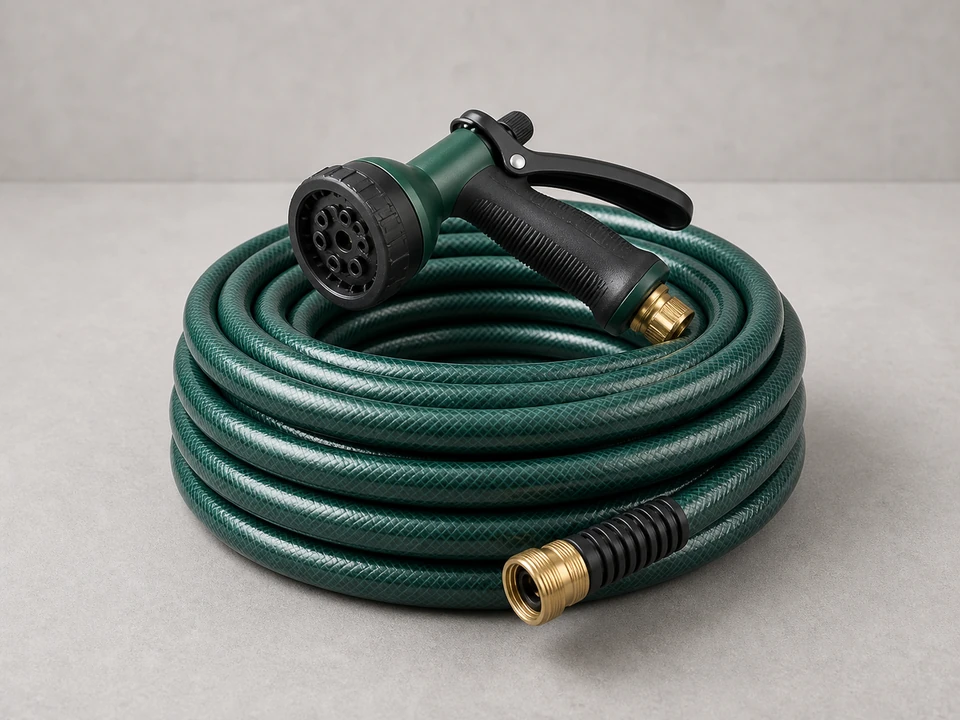
Use it for: Flushes out loose debris and helps confirm the clog is gone.
Shop garden hose nozzles
Use it for: Gives you a place to collect mud, leaves, and sludge instead of washing it back onto the walkway.
Shop yard waste bags
Use it for: Helps pull out packed mud and leaf buildup from the extension opening.
Shop hand trowels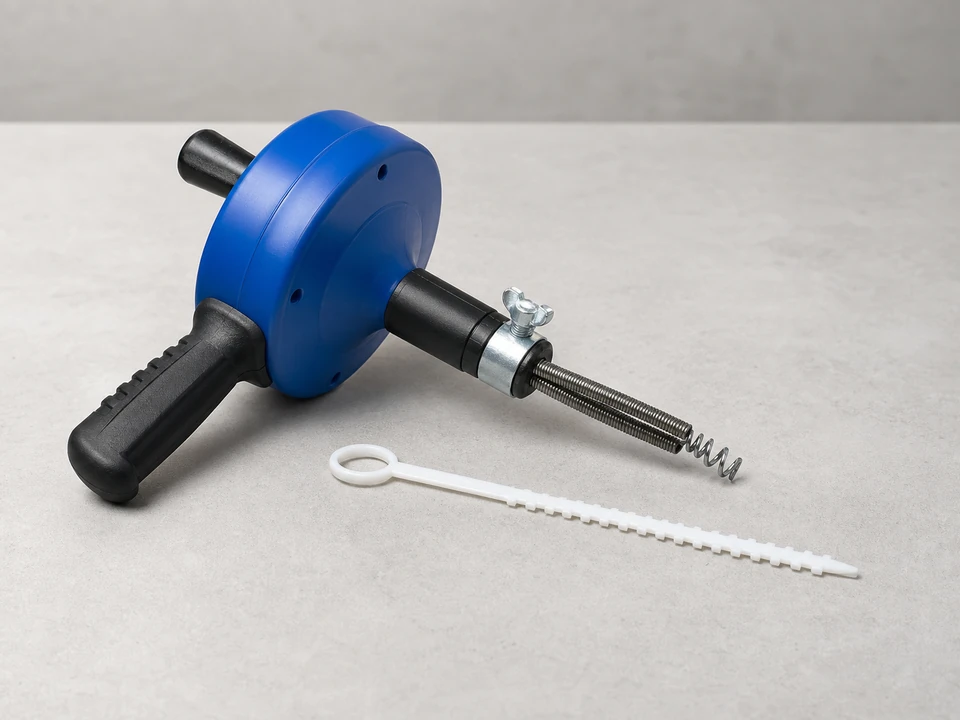
Use it for: Breaks through a stubborn clog deeper inside a long or corrugated extension.
Shop drain augers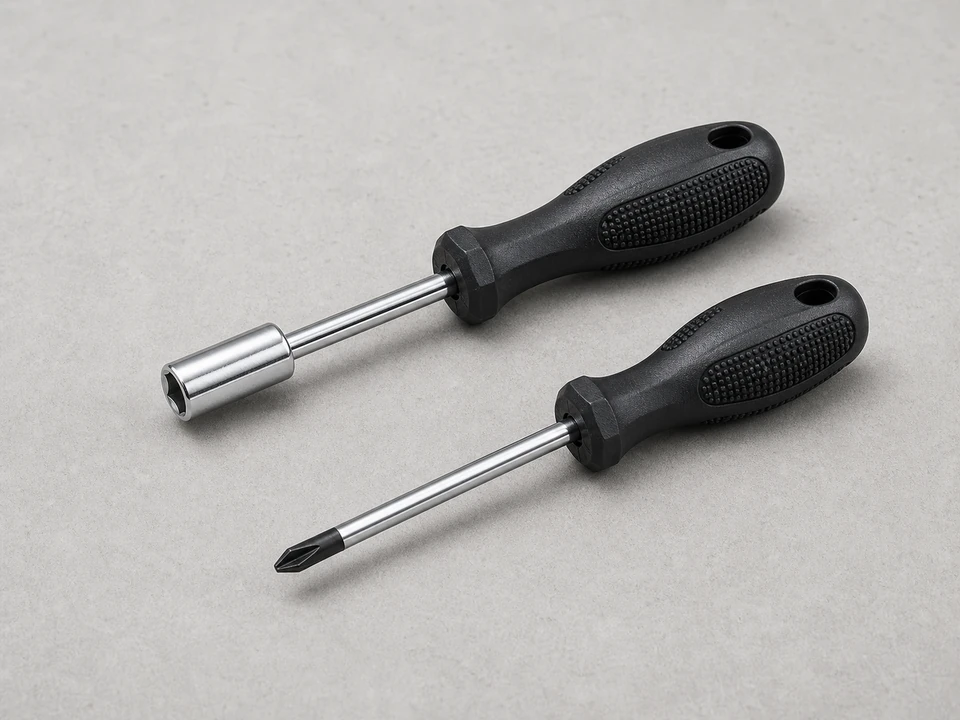
Use it for: Loosens a clamp or fastener if the extension is secured to the downspout.
Shop screwdrivers and nut driversAs an Amazon Associate I earn from qualifying purchases. Repair Riot may earn a commission at no extra cost to you.
If it works: You have signs that the downspout extension is clogged or restricted, not just splashing from heavy rain.
If it doesn’t: If water is already flowing freely through the extension, the issue may be a gutter or upper downspout clog instead.
If it works: The extension is accessible, disconnected if needed, and ready to be cleaned without making a bigger mess near the foundation.
If it doesn’t: If you cannot separate the extension, clean from the outlet end first and flush it in place with the hose.
If it works: Most of the solid blockage is out, and you can see a clearer path through the extension.
If it doesn’t: If the clog is too deep to reach, move to a hose flush and then use a small auger if needed.
If it works: Water moves through the full length of the extension without backing up, and the discharge is mostly clear.
If it doesn’t: If water still will not pass, the extension may be crushed internally or the blockage may be in connected underground piping.
If it works: The extension is secure, supported, and positioned to carry water away without trapping debris right at the outlet.
If it doesn’t: If the extension will not stay aligned or keeps collapsing, replace the damaged section with one that matches your current connection style and size.
If it works: The repair held: water moves through the downspout extension cleanly and drains away from the house without overflow or pooling.
If it doesn’t: If backup returns during the test, recheck for a missed clog, a crushed section, or a blockage farther downstream.
As an Amazon Associate I earn from qualifying purchases. Repair Riot may earn a commission at no extra cost to you.
Common signs are water spilling out where the extension meets the downspout, slow drainage during rain, or water pooling near the house even though the gutter above looks full. A heavy section of extension can also mean it is packed with wet debris.
Yes, sometimes. If the extension will not come off easily, start from the outlet end by removing debris you can reach and flushing it with a hose. Disconnecting it usually makes the job faster and lets you confirm the clog is fully cleared.
Leaves, shingle grit, twigs, seed pods, and mud are the usual causes. The clog often forms where the extension sags, at a corrugated low spot, or where the outlet gets buried in mulch or soil.
Replace it if it is crushed, split, badly kinked, or keeps holding water because it will not stay aligned. Cleaning is usually enough when the extension is intact and the problem is just packed debris.
Check it at least seasonally and after heavy leaf drop or major storms. Homes with lots of nearby trees may need more frequent checks, especially in fall and early spring.