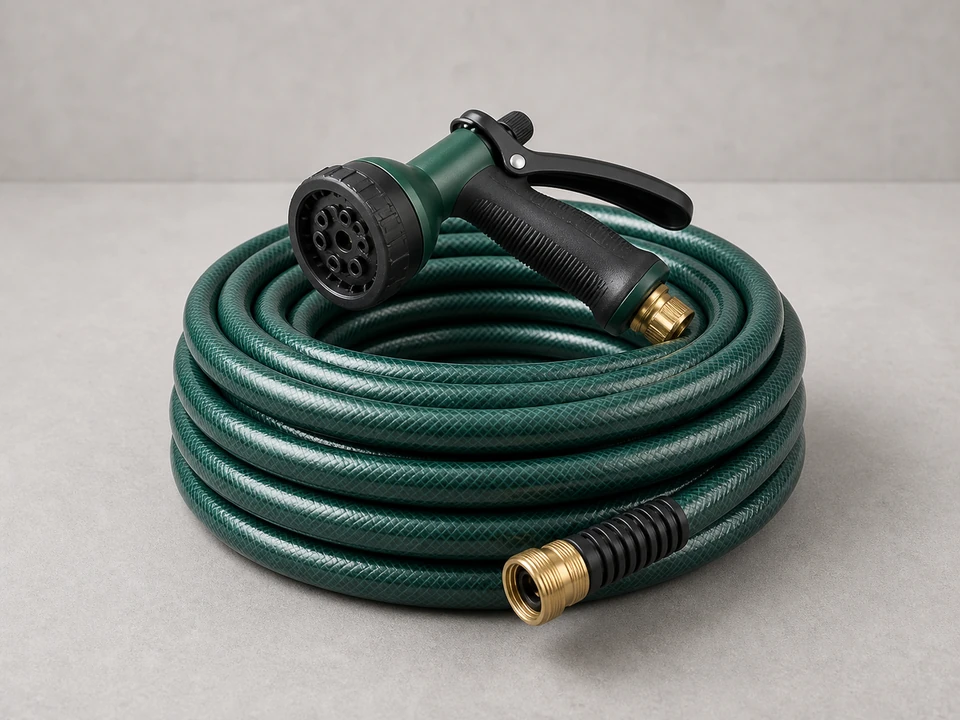
Garden hose with spray nozzle
Use it for: To flush loose debris out and test water flow after cleaning.
Shop garden hose nozzlesTo clear a downspout extension blockage, first confirm the clog is in the extension and not higher up in the gutter or downspout. Then disconnect the extension if possible, pull out packed debris, flush it with a hose, reconnect it, and test that water runs freely away from the house.
Most extension clogs come from leaves, roof grit, seed pods, or mud collecting at a low spot or elbow. The job is usually straightforward if you work from the outlet end first and avoid forcing water back toward the house.
Before you start: Choose tools that fit the extension shape and size. Flexible corrugated extensions need gentler cleaning than rigid rectangular or round sections. Stop if the repair becomes unsafe or unclear.
Use it for: To flush loose debris out and test water flow after cleaning.
Shop garden hose nozzles
Use it for: To protect your hands from sharp edges, dirty water, and packed debris.
Shop work gloves
Use it for: To catch and dispose of leaves, mud, and sludge removed from the extension.
Shop yard waste bags
Use it for: To push out stubborn clogs in longer extensions after loose debris is removed.
Shop hose drain bladders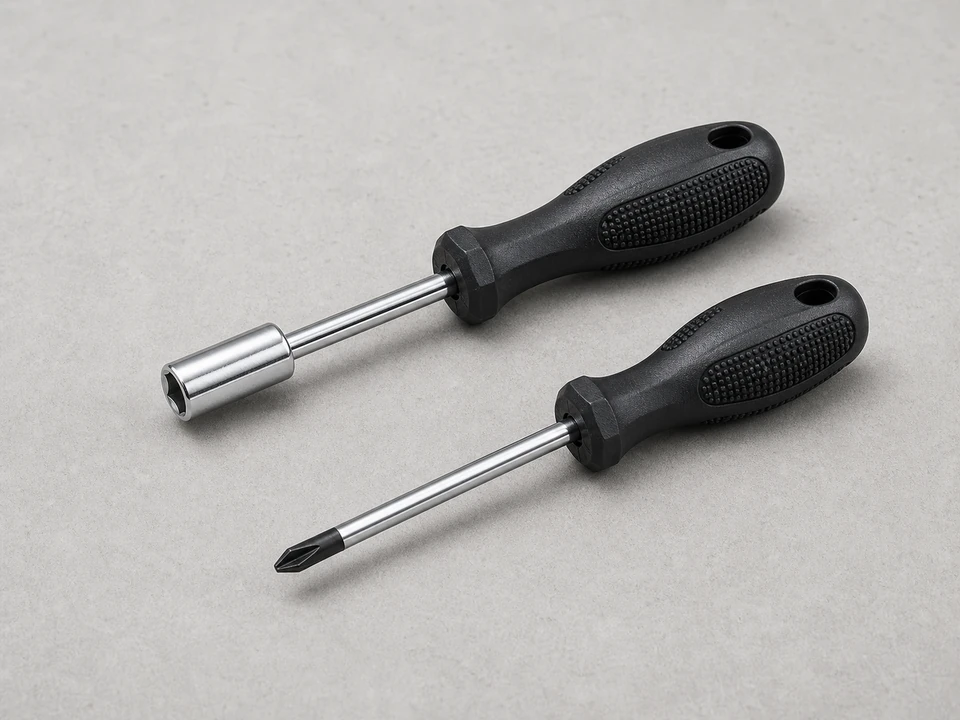
Use it for: To loosen clamps or screws if the extension is fastened to the downspout.
Shop nut drivers and screwdrivers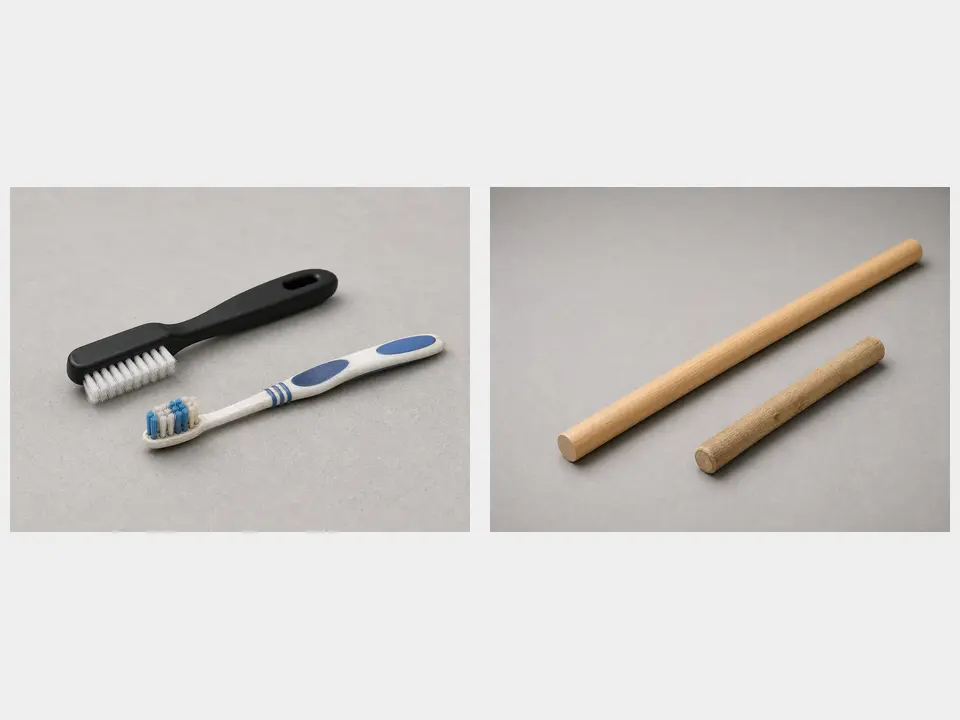
Use it for: To break up compacted debris in a long or corrugated extension without crushing it.
Shop flexible drain brushesAs an Amazon Associate I earn from qualifying purchases. Repair Riot may earn a commission at no extra cost to you.
If it works: You have a strong reason to focus on the extension instead of guessing at the whole drainage path.
If it doesn’t: If water never reaches the extension, the clog is likely in the gutter or main downspout above it.
If it works: The extension is accessible and ready to be cleaned from one or both ends.
If it doesn’t: If the extension will not disconnect easily, leave it in place and clean from the outlet end first.
If it works: You have opened at least part of the blockage and created a path for flushing.
If it doesn’t: If the brush or snake stops solidly at the same point, move to flushing from the outlet end to push the clog out.
If it works: Water moves through the full extension without backing up or spilling at the connection.
If it doesn’t: If water still backs up, run the brush or snake through again and repeat the flush until the path is fully open.
If it works: The extension is back in place with a smoother path that is less likely to clog again soon.
If it doesn’t: If the extension keeps sagging or collapsing, it may need support, repositioning, or replacement rather than more cleaning.
If it works: Water now travels through the extension and discharges away from the foundation without backup or leaks.
If it doesn’t: If backup returns during the test or next rain, the clog is farther upstream or downstream, or the extension is damaged and should be replaced.
As an Amazon Associate I earn from qualifying purchases. Repair Riot may earn a commission at no extra cost to you.
Leaves, pine needles, roof grit, seed pods, and mud are the most common causes. Flexible extensions also clog where they sag and hold wet debris.
Start at the outlet end when you can. That usually lets you pull debris out instead of packing it tighter farther inside the extension.
A regular hose is safer for most homeowners. High pressure can split seams, blow apart loose connections, or force dirty water back toward the house.
If water leaks from the middle, the walls are crushed, or the extension keeps backing up even after debris is removed, damage is likely part of the problem.
Keep gutters and the upper downspout cleaner, remove leaves around the outlet, and make sure the extension does not sag or sit in mud. A smoother downhill path clogs less often.