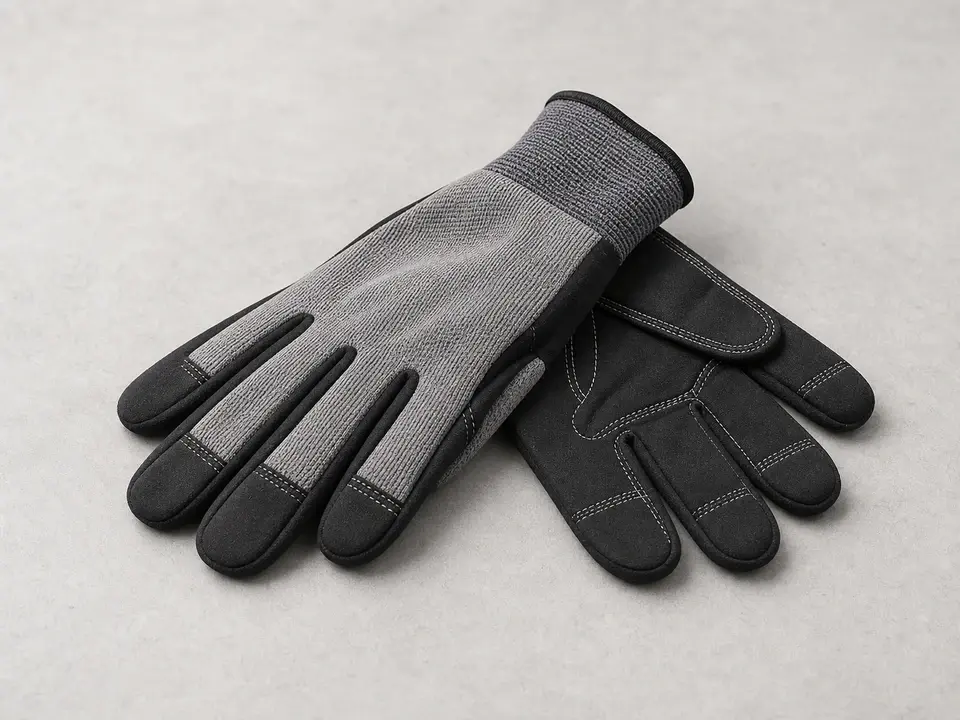
Work gloves
Use it for: Protects your hands while digging, handling pipe, and pulling out old fittings.
Shop work glovesTo replace a buried downspout extension, first confirm the underground line is crushed, split, or too clogged to save, then dig it up, remove the failed section, install a matching replacement with secure connections and proper slope, and test it with water before backfilling.
This is a manageable homeowner repair if the run is accessible and the damage is limited to the buried extension itself. The goal is simple: move roof water away from the house again without leaks, low spots, or loose connections underground.
Before you start: Match the replacement part to your exact downspouts extension before ordering.
Use it for: Protects your hands while digging, handling pipe, and pulling out old fittings.
Shop work gloves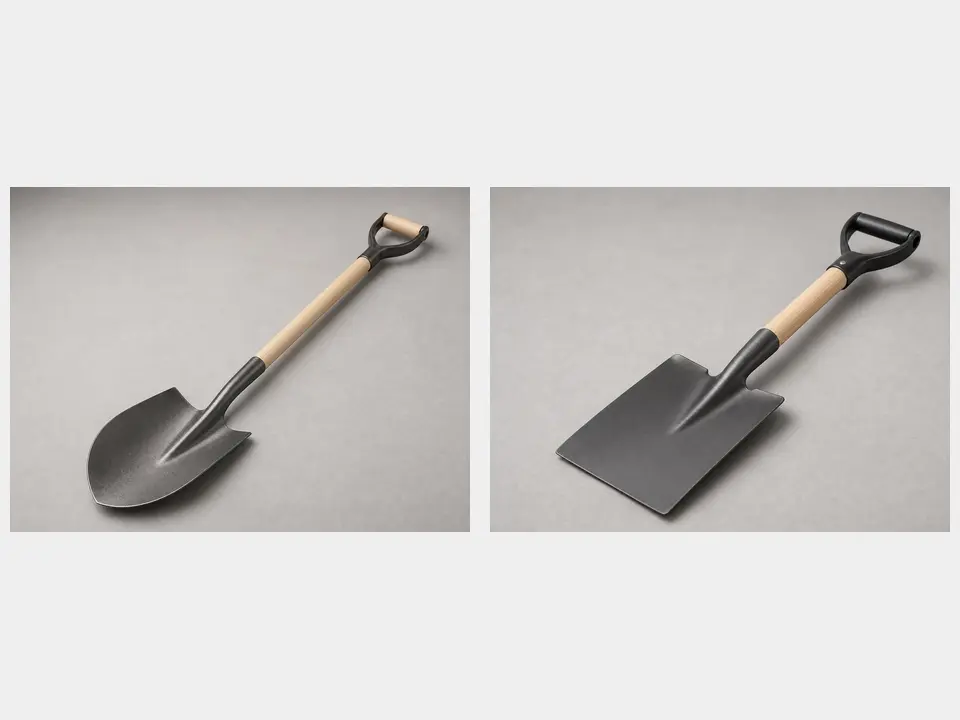
Use it for: Lets you expose the buried extension without tearing up more yard than necessary.
Shop trenching shovels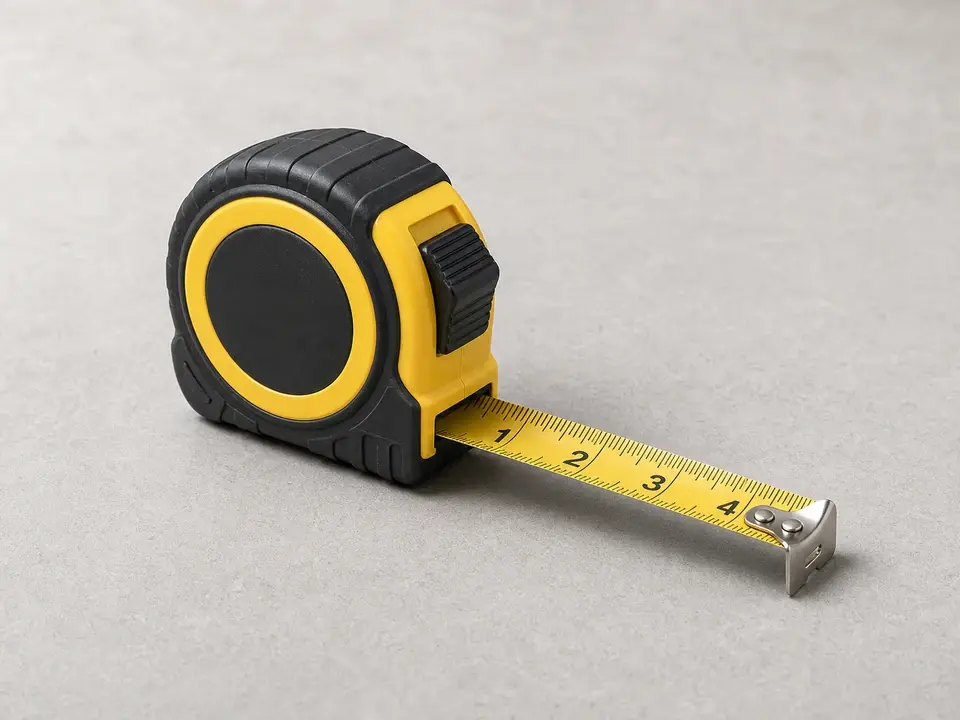
Use it for: Helps you match the replacement length and check the trench slope.
Shop tape measures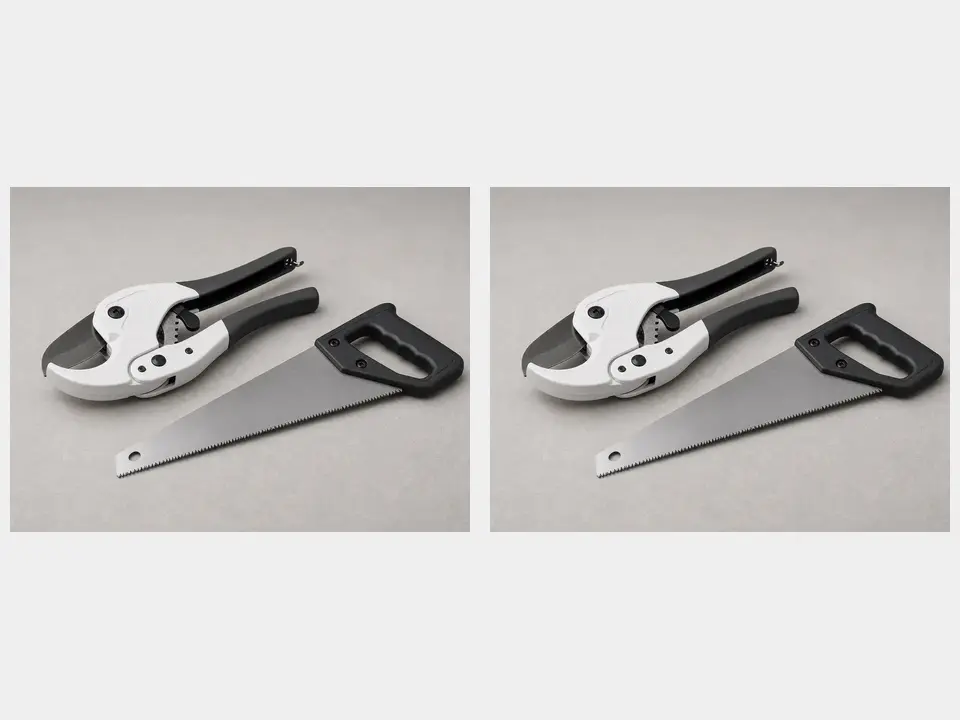
Use it for: Cuts replacement pipe or fittings cleanly if the new section needs trimming.
Shop PVC saws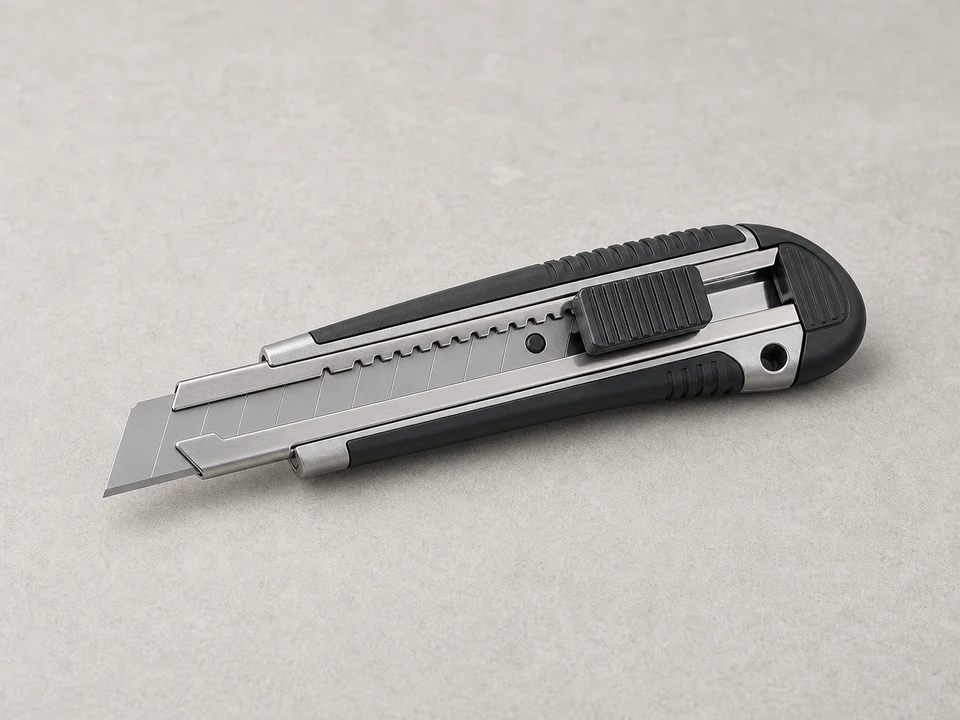
Use it for: Useful for trimming corrugated drain pipe and cleaning rough edges.
Shop utility knives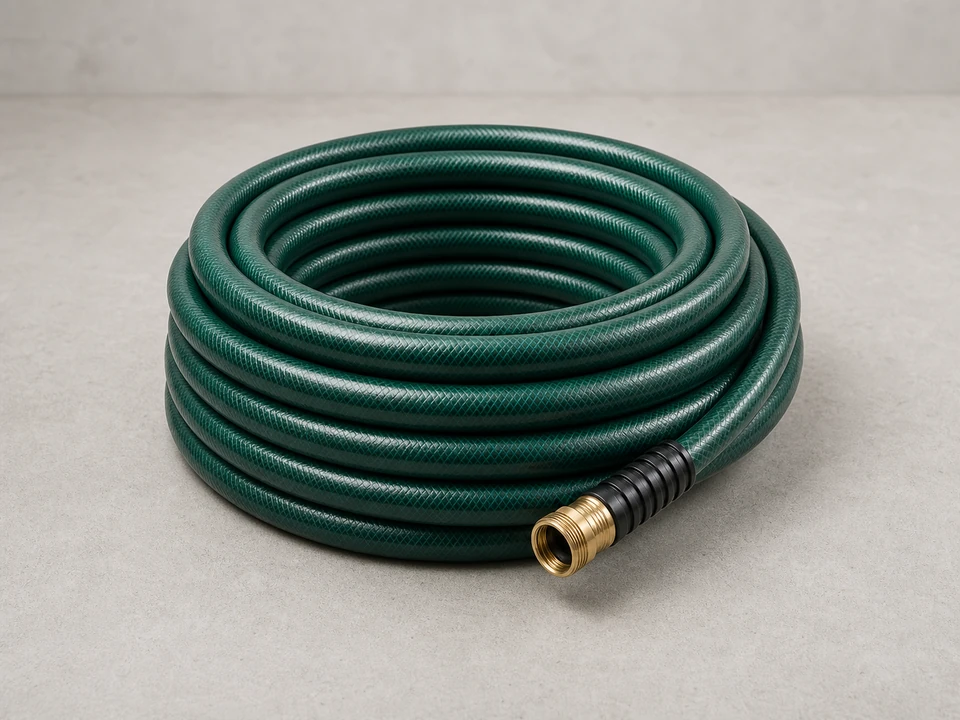
Use it for: Used to flush and test the new buried extension before you bury it again.
Shop garden hosesAs an Amazon Associate I earn from qualifying purchases. Repair Riot may earn a commission at no extra cost to you.
If it works: You have good reason to believe the buried downspout extension is split, crushed, disconnected, or too blocked to restore reliably.
If it doesn’t: If water flows freely through the buried line and exits well away from the house, the problem is likely elsewhere, such as gutter overflow, grading, or a clog in the upper downspout.
If it works: The old buried extension is exposed far enough to remove and replace without forcing joints or guessing at the route.
If it doesn’t: If you cannot find the line where expected, uncover the outlet end and work backward until you locate the buried section.
If it works: The old section is out, and the new buried downspout extension matches the size and connection style of the existing drain path.
If it doesn’t: If the replacement does not match the existing pipe or fittings, pause and get the correct size or the proper adapters before installing it.
If it works: The new buried extension sits securely, lines up with the existing run, and slopes away from the house without obvious dips.
If it doesn’t: If the pipe rocks, sags, or pulls apart at a joint, reset the trench bottom and refit the section before moving on.
If it works: Water moves through the new buried extension cleanly, with no visible leaks or backup, and exits away from the house.
If it doesn’t: If flow is still slow, inspect the downstream section or outlet for another blockage before burying the new pipe.
If it works: The trench is restored, the buried extension stays connected under soil, and the system handles real runoff without backup or soggy ground near the house.
If it doesn’t: If the area still stays wet after rain, look for a downstream blockage, poor yard grading, or an outlet that is too close to the house.
Match the replacement part to your exact downspouts extension before ordering.
As an Amazon Associate I earn from qualifying purchases. Repair Riot may earn a commission at no extra cost to you.
If the line is crushed, split, disconnected, or repeatedly clogs because it has sagged or collapsed, replacement is the better fix. If it is intact and just blocked with debris, cleaning may be enough.
Yes, if the rest of the buried run is still solid and the connections can be made securely. If multiple sections are brittle, crushed, or poorly sloped, replacing more of the run is usually smarter.
It should keep a steady downhill path away from the house. The main goal is to avoid flat spots or dips where water can sit and collect debris.
Common causes are crushing from traffic or settling soil, separated joints, root intrusion, and long-term clogging that leaves water sitting in the pipe.
Yes. A hose test before backfilling is the easiest way to catch leaks, bad joints, or a downstream blockage while the pipe is still easy to reach.