
Work gloves
Use it for: Protects your hands while digging, handling metal edges, and pulling apart old fittings.
Shop work glovesTo replace a buried downspout extension connector, uncover the connection, remove the cracked or loose fitting, install a matching connector, and test it with water to make sure runoff moves underground without leaking back at the house.
This is usually the right repair when the connector at the base of the downspout is split, disconnected, crushed, or leaking where the above-ground downspout meets the buried drain line. The job is straightforward if the surrounding pipe is still sound and the area can be dug up safely.
Before you start: Match the gutter or downspout size, profile, and connection style before ordering.
Use it for: Protects your hands while digging, handling metal edges, and pulling apart old fittings.
Shop work gloves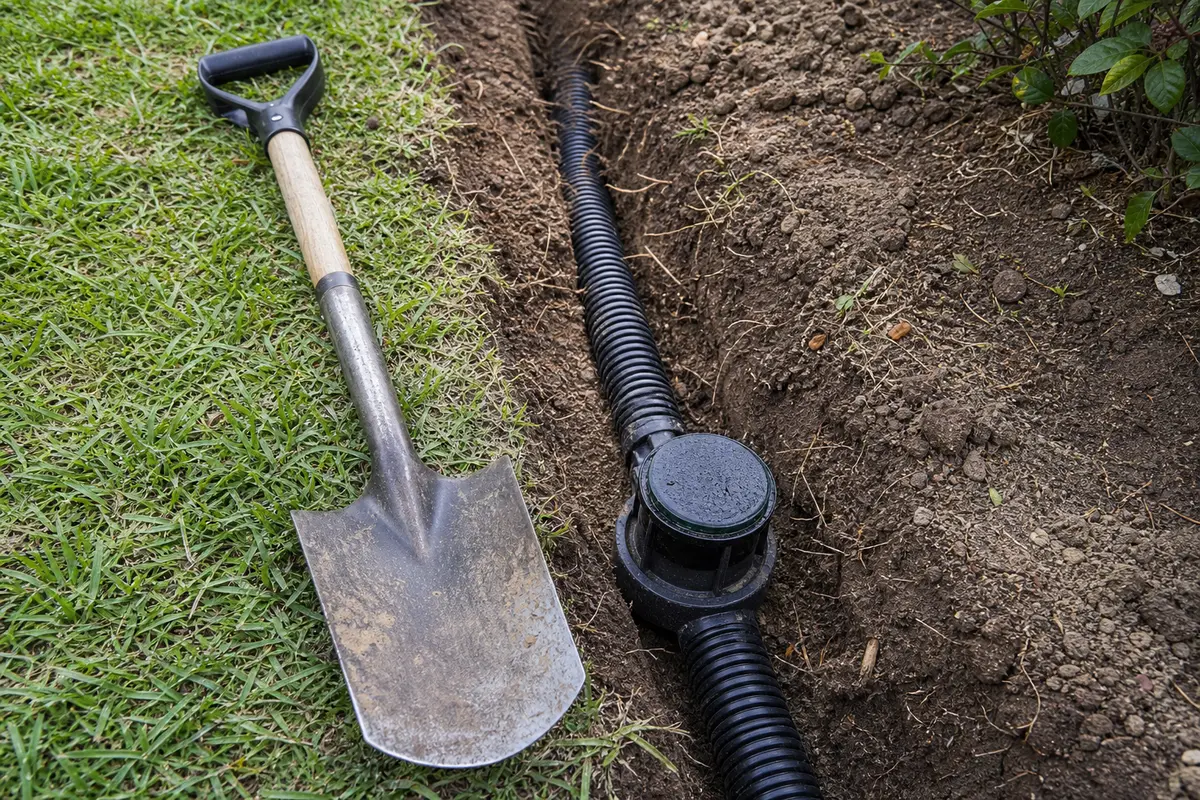
Use it for: Lets you expose the buried connector without damaging nearby pipe more than necessary.
Shop trenching shovels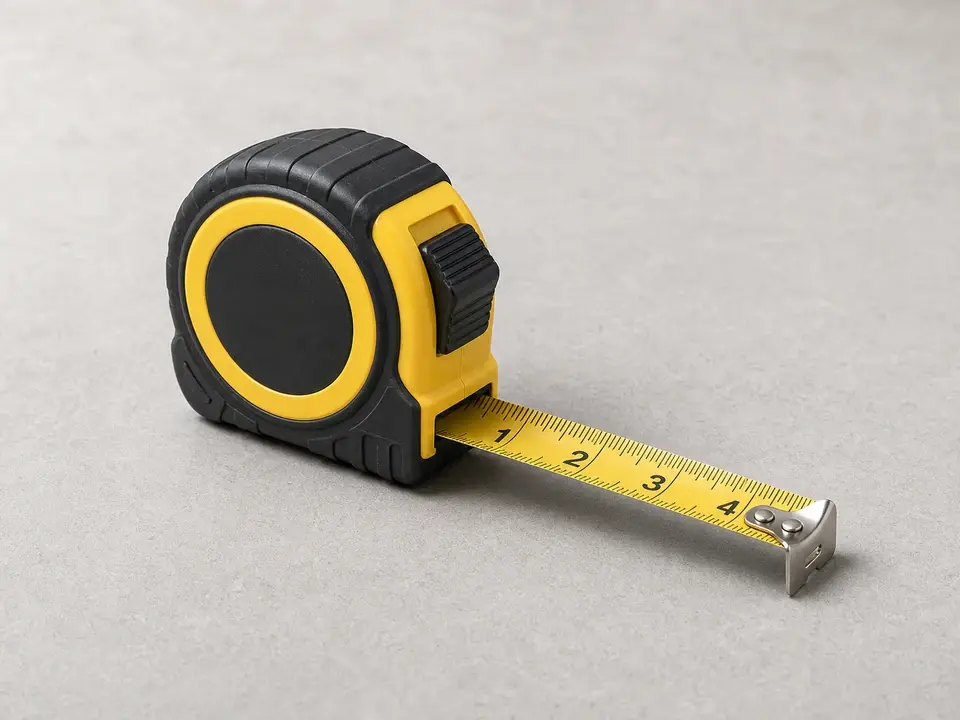
Use it for: Helps you match the connector size and check insertion depth before reassembly.
Shop tape measures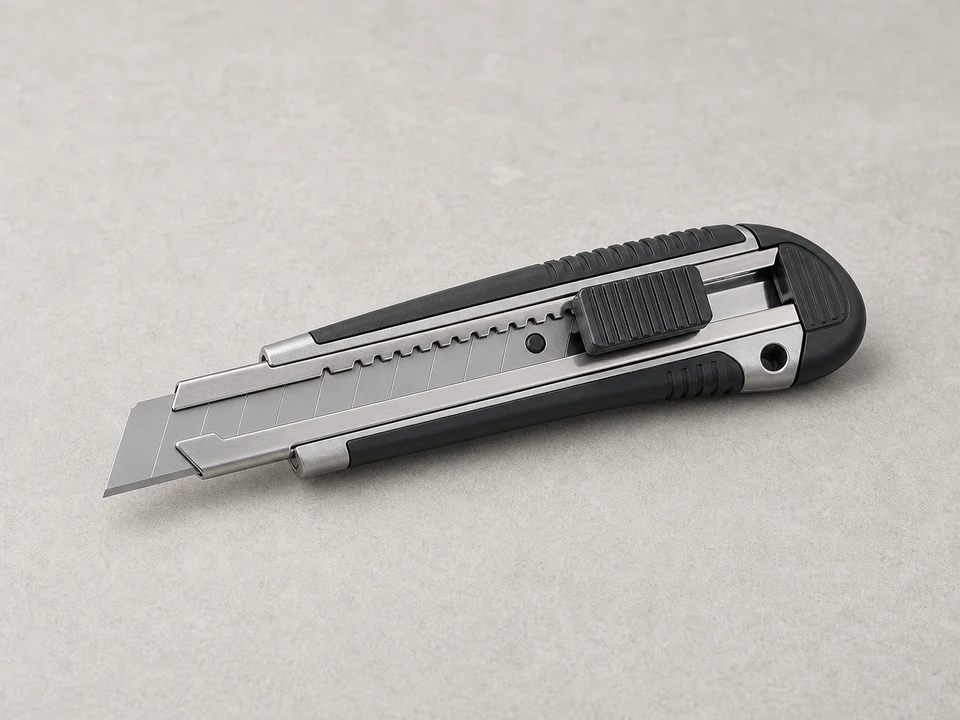
Use it for: Useful for trimming old sealant, cutting flexible pipe, or cleaning rough edges on plastic parts.
Shop utility knives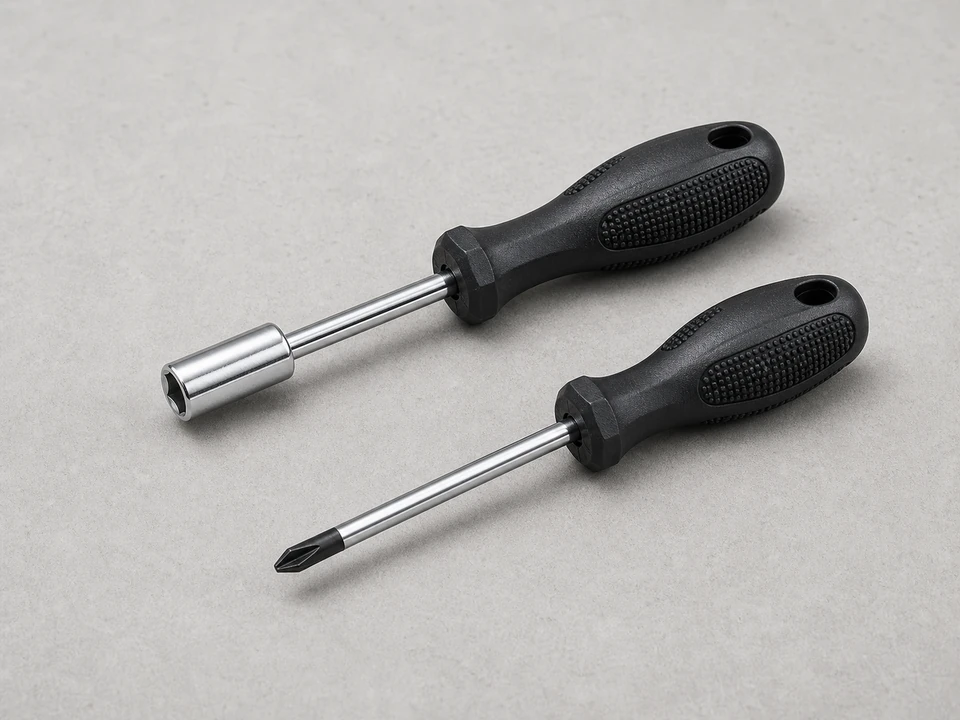
Use it for: Tightens clamps or fasteners if your connector uses them.
Shop nut drivers and screwdrivers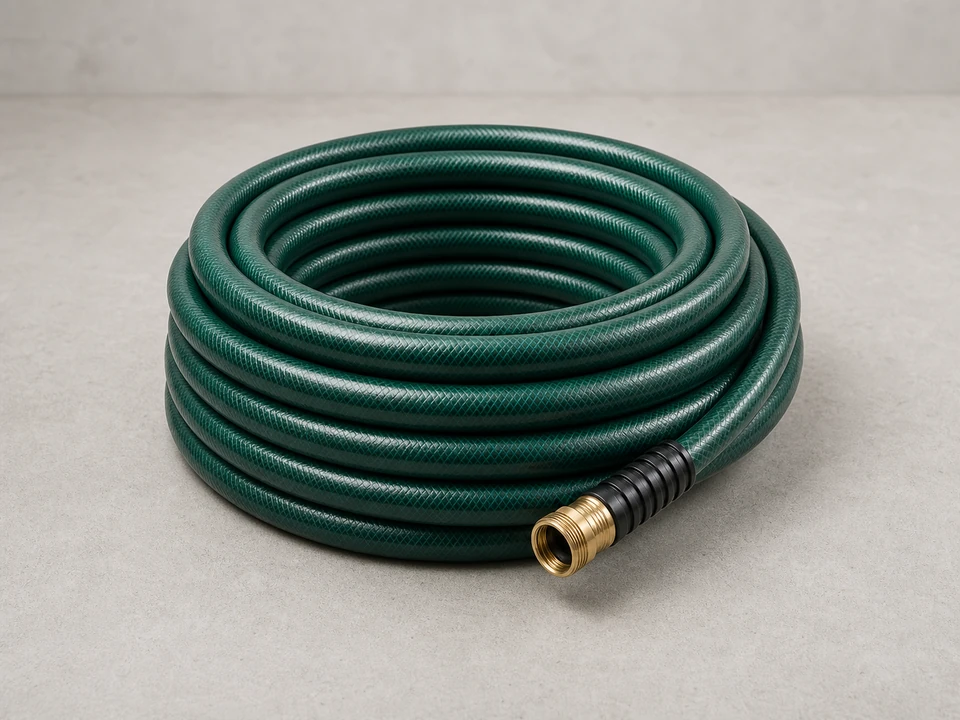
Use it for: Used to flush and test the repaired connection under real water flow.
Shop garden hosesAs an Amazon Associate I earn from qualifying purchases. Repair Riot may earn a commission at no extra cost to you.
If it works: You have confirmed the leak or separation is at the buried downspout extension connector itself.
If it doesn’t: If water backs up but you do not see damage at the connector, the buried line may be clogged or broken farther downstream and this replacement may not solve it.
If it works: The connector and both mating ends are exposed, clean enough to inspect, and accessible for removal.
If it doesn’t: If the connector is still trapped by concrete, hardscape, or tightly packed pipe runs, widen the dig area before trying to pry anything apart.
If it works: The failed connector is out and the pipe ends are ready for the new part.
If it doesn’t: If the old fitting will not come free, remove a little more soil and keep working the joint evenly so you do not crack the buried pipe.
If it works: The new connector is installed, aligned, and supported well enough for a water test.
If it doesn’t: If the parts do not stay seated, recheck the size match and clean the pipe ends again so the connector can fit squarely.
If it works: Water flows through the connector without leaking at the joint or backing up at the downspout base.
If it doesn’t: If the connector stays dry but water still backs up, the buried extension likely has a clog or failure downstream that needs separate repair.
If it works: The connector remains connected, the area drains away from the house, and the repair holds during actual water flow.
If it doesn’t: If the area settles, leaks again, or stays soggy after rain, reopen the joint and inspect for a poor fit or a downstream drainage problem.
Match the gutter or downspout size, profile, and connection style before ordering.
As an Amazon Associate I earn from qualifying purchases. Repair Riot may earn a commission at no extra cost to you.
A bad connector usually shows a visible split, loose joint, or leak right where the downspout meets the buried line. A clog farther down the line often causes backup without an obvious crack at the connector.
Some connectors are designed to fit mechanically without extra sealant, while others may use clamps or a sealing method that matches the pipe style. The main goal is a secure, aligned connection with no leak during testing.
Only if it is not cracked, warped, or worn loose. If it has already failed once or no longer fits tightly, replacement is the better fix.
A small mismatch can sometimes be corrected by exposing a little more pipe and realigning the run. If the pipe has settled badly or cannot line up without strain, the repair is bigger than just the connector.
Yes. Leaving the joint exposed for a hose test is the easiest way to catch leaks, poor fit, or downstream blockage before you refill the hole.