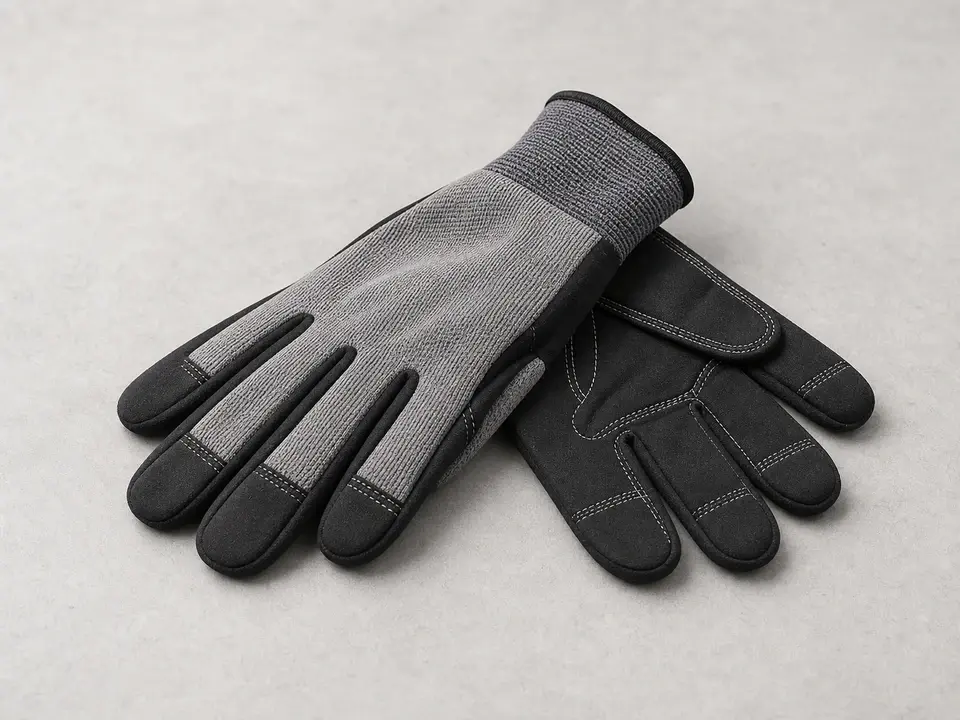
Work gloves
Use it for: Protects your hands while digging and handling sharp metal or plastic edges.
Shop work glovesTo replace a buried downspout extension outlet elbow, uncover the elbow, confirm it is cracked, crushed, loose, or badly clogged, then install a matching replacement and test it with a steady flow of water.
This is usually a manageable yard repair if the damage is right at the outlet connection and the buried drain line itself is still sound. The main job is exposing the elbow without damaging the pipe, then matching the new part so water leaves the downspout cleanly.
Before you start: Match the elbow angle, downspout size, and the drain pipe connection style before ordering. Compare rectangular to round transitions and corrugated versus smooth pipe ends.
Use it for: Protects your hands while digging and handling sharp metal or plastic edges.
Shop work gloves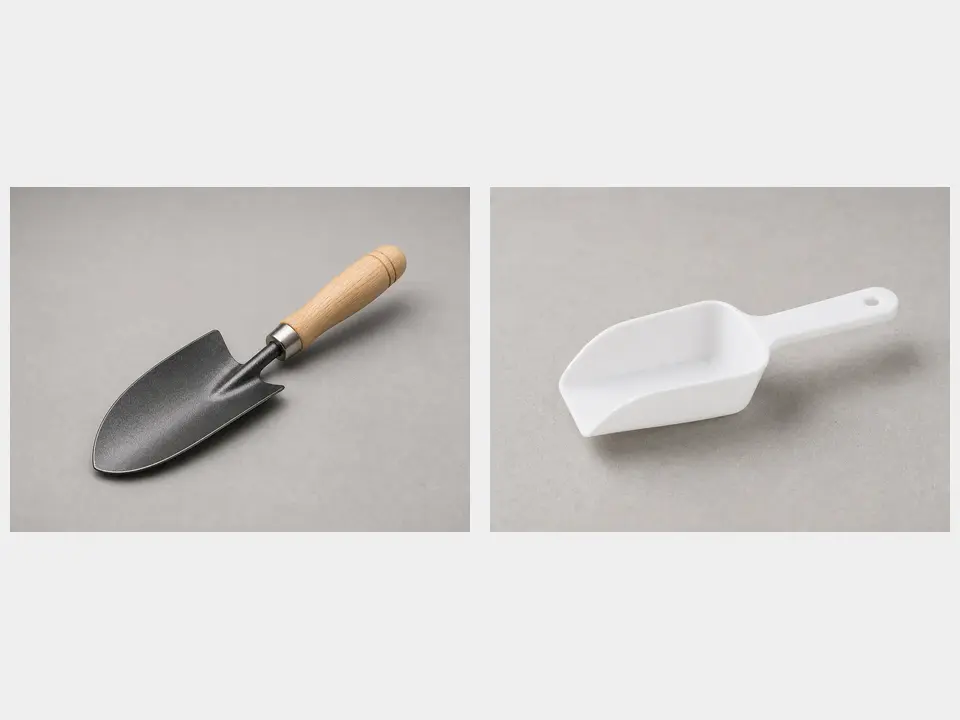
Use it for: Lets you uncover the elbow carefully without gouging the drain pipe.
Shop a hand trowel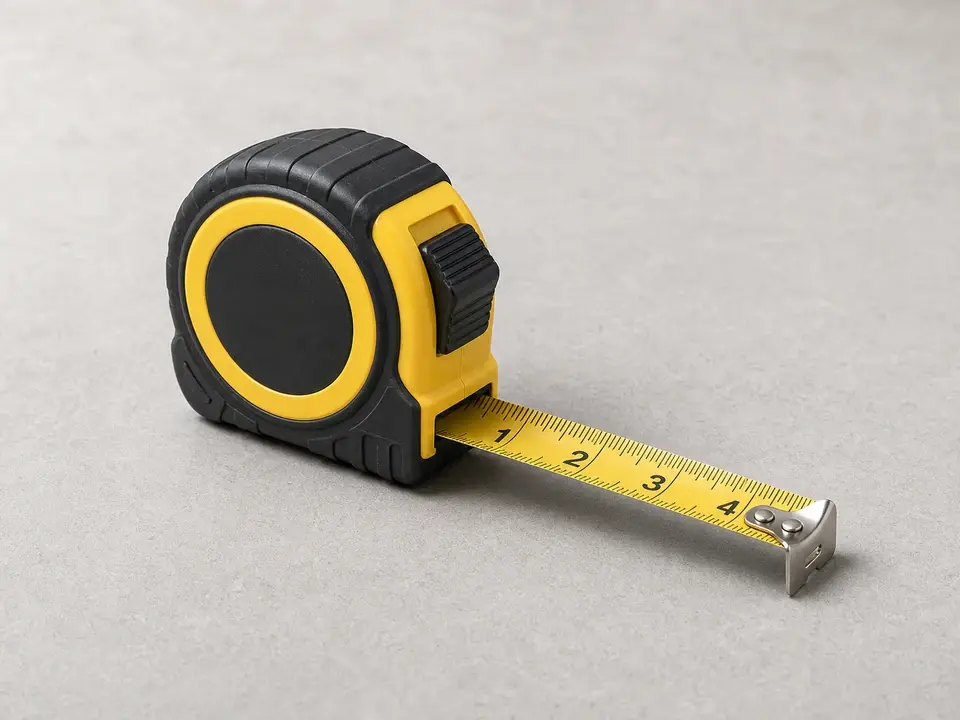
Use it for: Helps you match the elbow size and pipe connection before buying or installing the replacement.
Shop a tape measure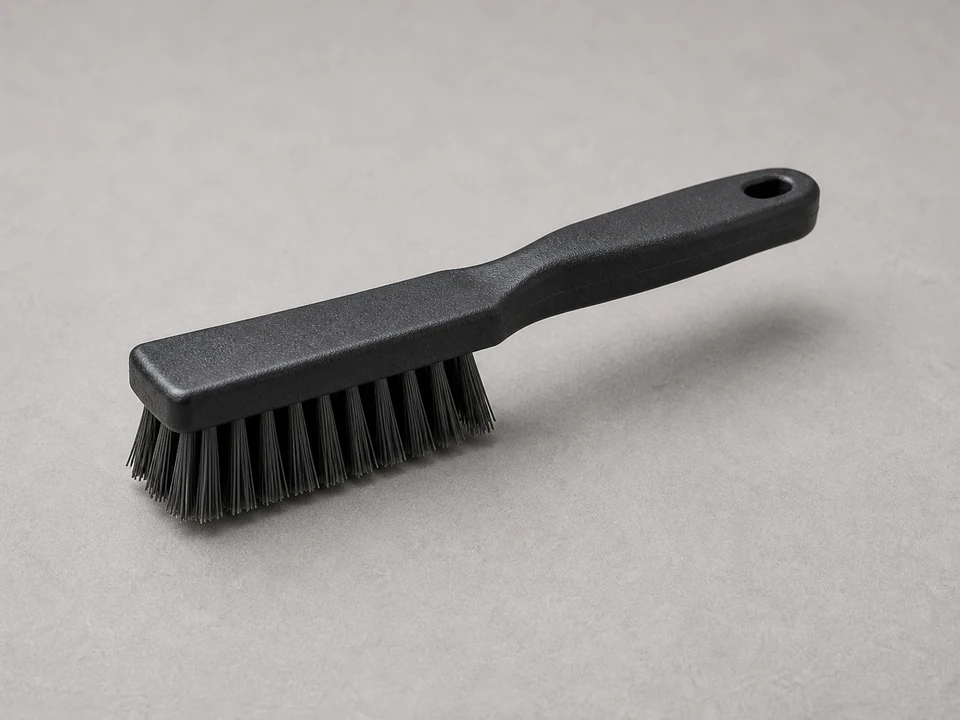
Use it for: Useful for cleaning dirt and debris off the pipe ends before fitting the new elbow.
Shop a utility brush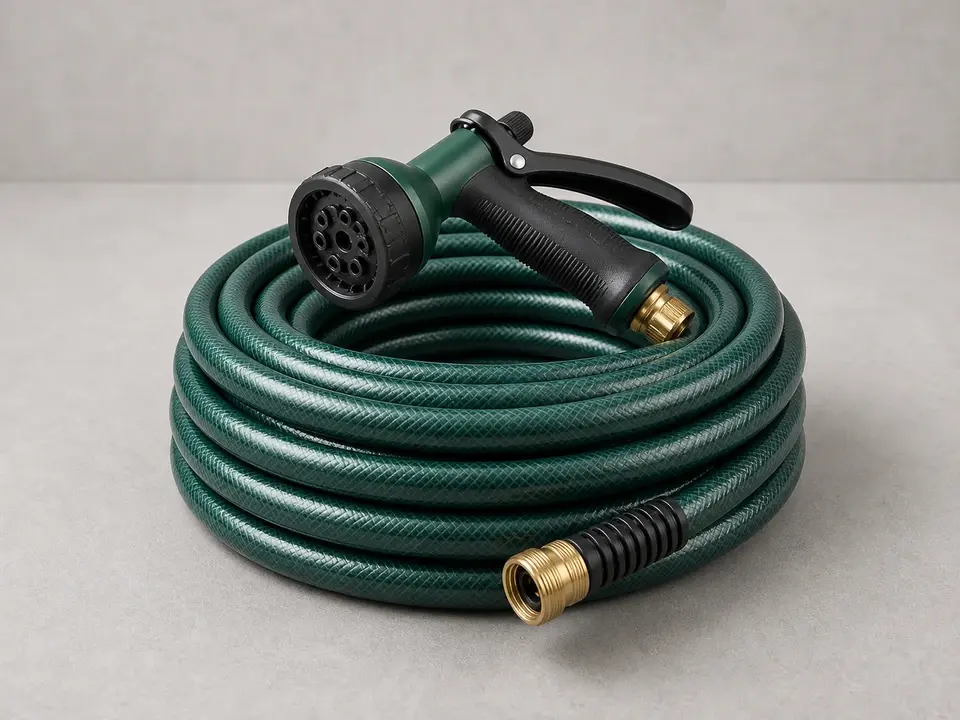
Use it for: Lets you flush the line and test the new elbow under real water flow.
Shop a hose nozzle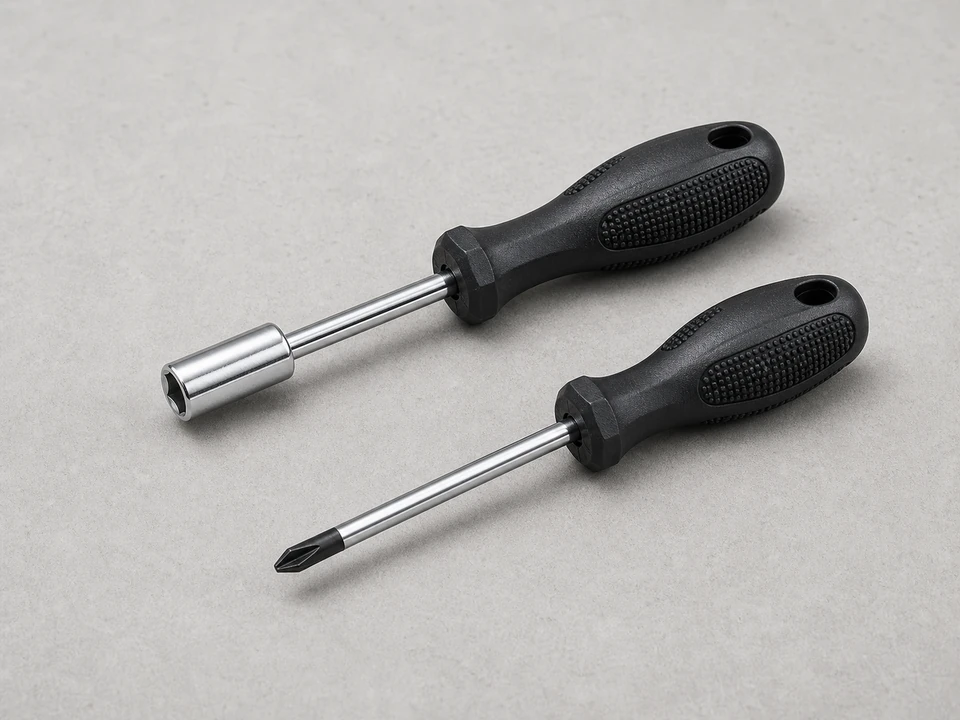
Use it for: Needed if your elbow uses screws or clamps at the downspout connection.
Shop a screwdriver setAs an Amazon Associate I earn from qualifying purchases. Repair Riot may earn a commission at no extra cost to you.
If it works: You have confirmed the buried downspout extension outlet elbow is damaged or worn out and is the likely cause of the drainage problem.
If it doesn’t: If the elbow looks sound but water still backs up, the buried drain line farther downstream may be clogged or collapsed and should be cleared or inspected before replacing parts.
If it works: The elbow and both connection points are exposed enough to remove and replace the part cleanly.
If it doesn’t: If you still cannot see where the elbow joins the buried pipe, keep widening the hole rather than prying on the fitting blindly.
If it works: The old elbow is out and you have a replacement that matches the size, angle, and connection style.
If it doesn’t: If the new elbow does not slide onto both ends properly, recheck the pipe size and whether the buried line uses corrugated or smooth-wall fittings.
If it works: The new elbow is installed squarely and feels secure at both ends.
If it doesn’t: If the elbow keeps popping loose or sitting crooked, adjust the downspout alignment and remove more soil around the pipe so the connection can sit naturally.
If it works: The elbow is supported by the surrounding soil and the area is ready for a water test.
If it doesn’t: If the elbow shifts while backfilling, uncover it again and reset the fitting before adding more soil.
If it works: Water moves through the new elbow without leaking or backing up, and the repair holds under steady flow.
If it doesn’t: If water still backs up, the buried line downstream likely needs cleaning, flushing, or inspection for a blockage or collapse.
Match the elbow angle, downspout size, and the drain pipe connection style before ordering. Compare rectangular to round transitions and corrugated versus smooth pipe ends.
As an Amazon Associate I earn from qualifying purchases. Repair Riot may earn a commission at no extra cost to you.
Replace it if it is cracked, crushed, split, badly warped, or too clogged to clear fully. If the elbow is intact and only packed with debris, cleaning may be enough.
Usually no. If the problem is limited to the outlet elbow at the base of the downspout, you only need enough access to remove and reconnect that fitting. If water still backs up after replacement, the buried line may need more work.
You can if they are not rusted, stripped, or bent. If they no longer hold the connection snugly, replace them so the elbow stays secure.
Match the downspout size, bend angle, and the buried pipe connection style as closely as possible. The replacement needs to fit both ends without forcing either side out of line.
The most common causes are a poor size match, a crooked connection, debris left on the pipe ends, or damage to the downspout or buried pipe beyond the elbow itself.