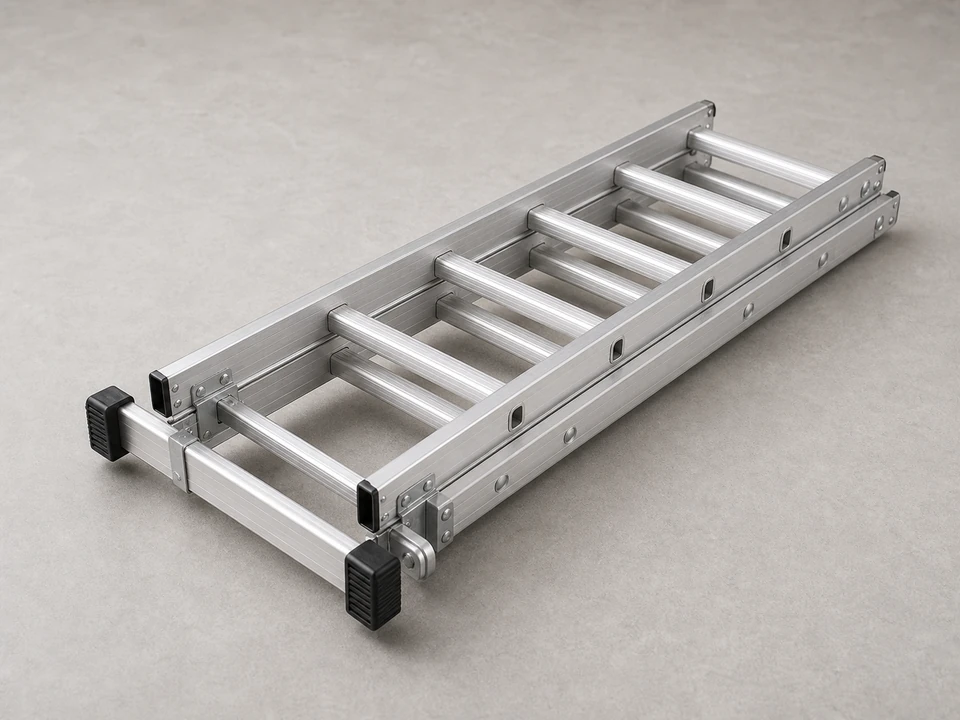
Extension ladder
Use it for: To reach the gutters safely from the ground.
Shop extension laddersTo clean gutters, remove loose debris by hand or with a scoop, clear the downspouts, then flush the gutters with water to confirm they drain without overflowing.
This is a straightforward maintenance job, but it only makes sense if the gutters are clogged with leaves, grit, or roof debris. Work from a stable ladder, clean one section at a time, and stop if the gutters are loose or the fascia looks rotten.
Before you start: Choose tools that match your gutter style and your ladder setup. If you plan to flush downspouts, make sure your hose attachment can reach and fit inside the outlet area. Stop if the repair becomes unsafe or unclear.
Use it for: To reach the gutters safely from the ground.
Shop extension ladders
Use it for: To protect your hands from sharp metal edges, screws, and wet debris.
Shop work gloves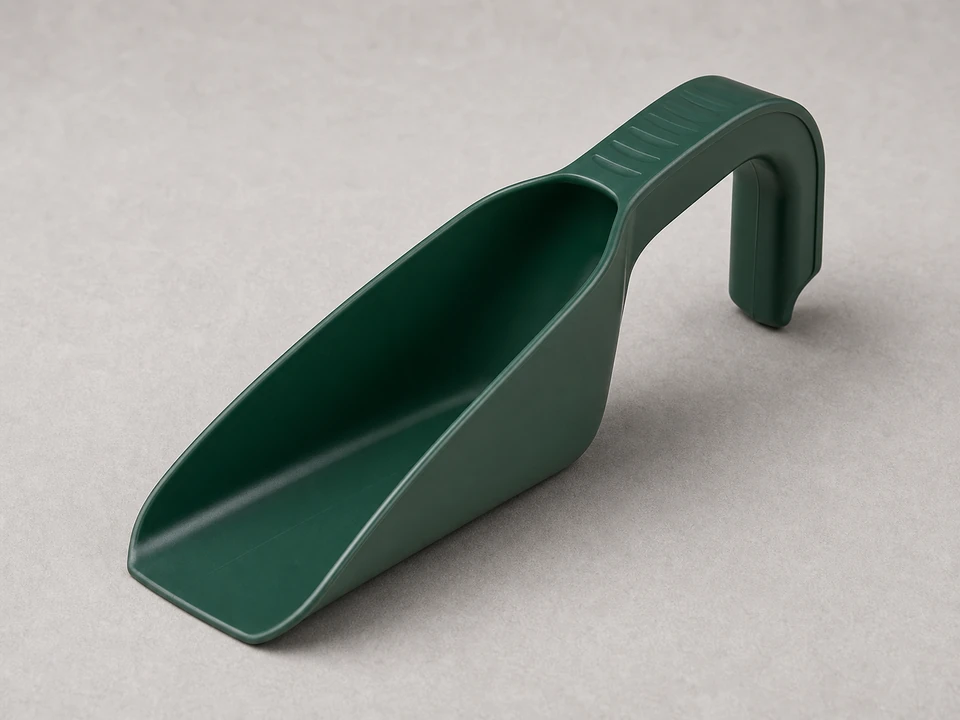
Use it for: To pull out packed leaves and sludge without damaging the gutter.
Shop gutter scoops
Use it for: To collect debris instead of dropping it around the foundation.
Shop buckets and debris bags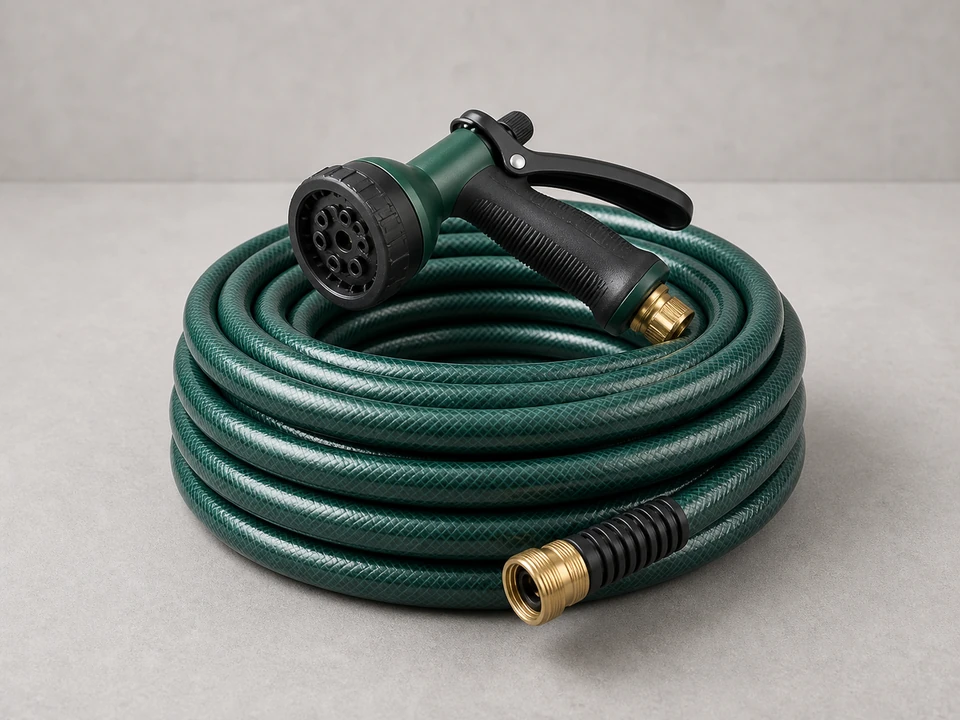
Use it for: To flush remaining grit and test whether the downspouts are clear.
Shop garden hose nozzles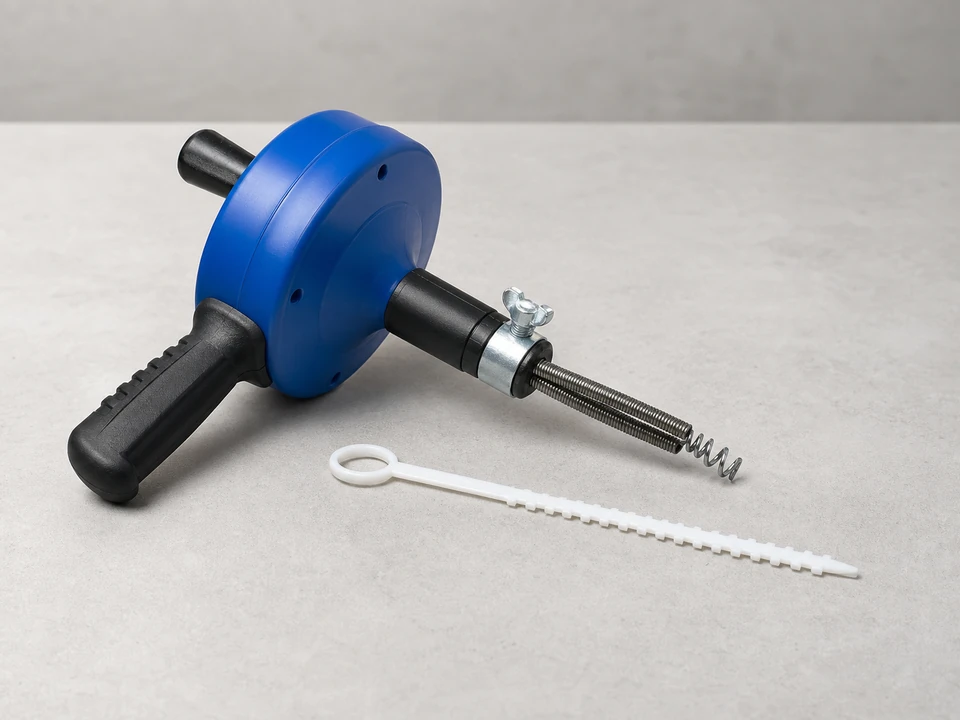
Use it for: To break up a clog lodged inside a downspout.
Shop drain snakesAs an Amazon Associate I earn from qualifying purchases. Repair Riot may earn a commission at no extra cost to you.
If it works: You have confirmed the gutters are clogged or dirty enough to clean and you have a safe setup to start.
If it doesn’t: If the gutters look mostly clear and the real problem is water spilling behind them or leaking at seams, you may need a gutter repair or reattachment instead of basic cleaning.
If it works: Most of the bulky debris is out of the gutters and the trough is open enough to rinse.
If it doesn’t: If the debris is packed hard like compost, loosen it gently with the scoop and remove it in smaller handfuls before rinsing.
If it works: Water enters each downspout and drains without backing up at the outlet.
If it doesn’t: If the clog will not clear from the top, check the bottom elbow or extension for packed debris and clear that section before flushing again.
If it works: The gutters are rinsed clean and water flows toward the downspouts with no obvious standing puddles.
If it doesn’t: If water sits in one area after rinsing, the gutter may be pitched poorly or sagging and may need adjustment rather than more cleaning.
If it works: The work area is cleaned up and roof runoff has a clear path away from the house.
If it doesn’t: If water still drains too close to the foundation, add or reposition a downspout extension or splash block.
If it works: The gutters carry water cleanly to the downspouts and discharge away from the house without overflow.
If it doesn’t: If the gutters are clean but still overflow, leak, or hold standing water, the next step is repair, resealing, rehanging, or pitch correction rather than more cleaning.
Most homes need gutter cleaning at least once or twice a year. If you have a lot of nearby trees, especially pines or oaks, you may need to check them more often.
When you flush the gutter with a hose, water will rise and sit near the outlet instead of draining quickly. You may also see overflow at the top of the downspout area during rain.
Yes. You can remove the bulk of the debris with gloves and a scoop. A hose is still helpful because it clears fine grit and confirms the downspouts are actually open.
Only if they are still securely attached and safe to work around. If they are loose, badly bent, or pulling away from the house, stop and repair the support problem first.
If they are clean but still overflow, the usual causes are a clogged downspout, poor pitch, a sagging section, leaks at seams, or water getting behind the gutter from roof-edge issues.