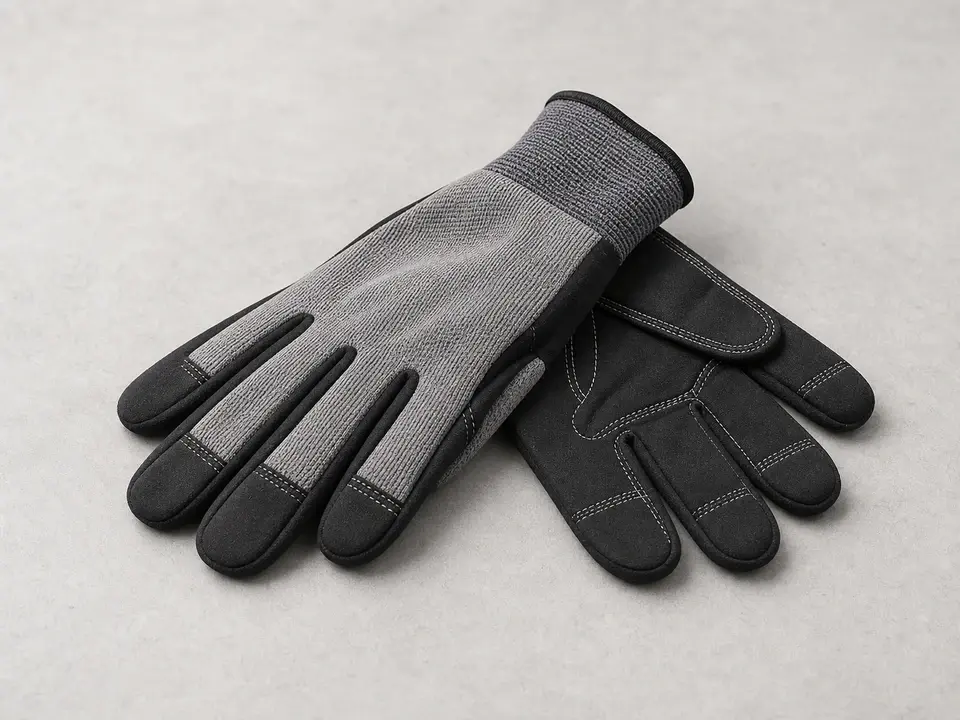
Work gloves
Use it for: Protect your hands from sharp granules, rough shingles, and cold wet surfaces.
Shop work glovesTo replace roof ice melt socks, remove the spent or damaged socks, clear a path at the roof edge and gutter area if you can do it safely, then lay new socks where they can open a drainage channel through the ice.
This is a simple replacement, but it matters where you place them. Ice melt socks help create a narrow path for water to drain instead of backing up behind ice at the eave. Work from the ground when possible, avoid icy ladders and steep roofs, and stop if the roof edge feels unsafe or the ice load looks severe.
Before you start: Match the replacement part to your exact roof before ordering.
Use it for: Protect your hands from sharp granules, rough shingles, and cold wet surfaces.
Shop work gloves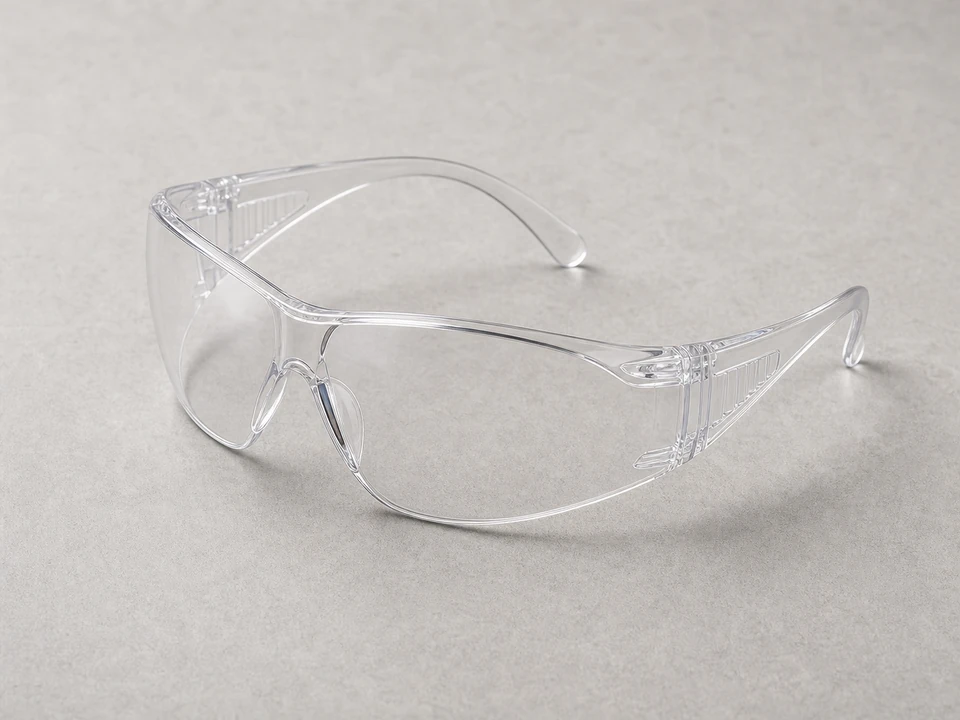
Use it for: Keep salt dust and loose debris out of your eyes while handling old socks.
Shop safety glasses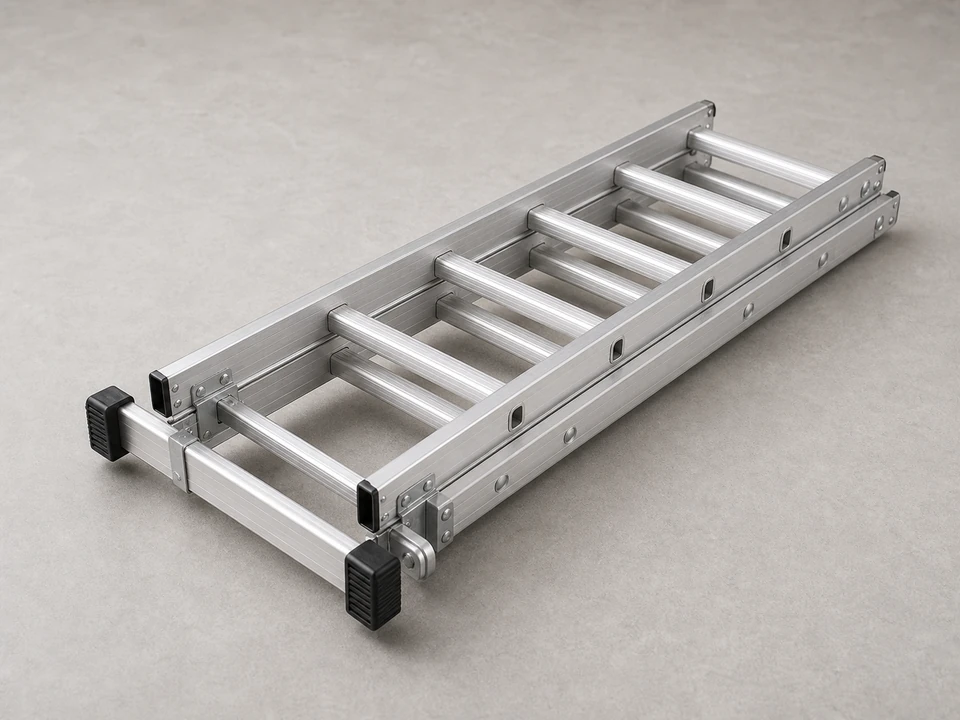
Use it for: Reach the roof edge or gutter from a stable position if ground placement is not possible.
Shop extension ladders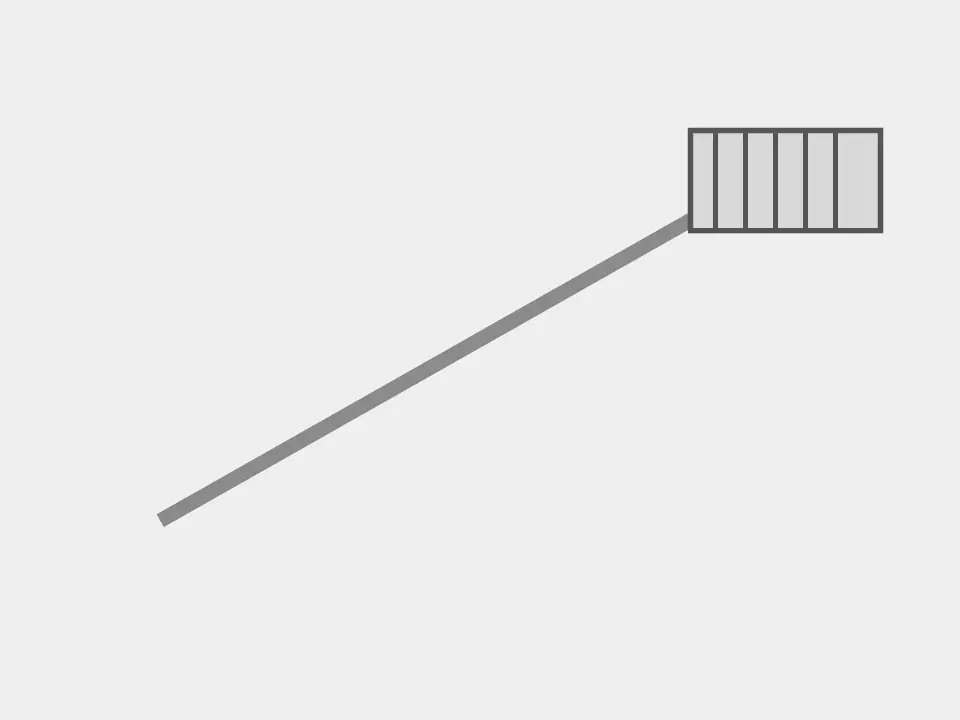
Use it for: Pull loose snow back from the eave so the new socks can contact the ice where they need to work.
Shop roof rakes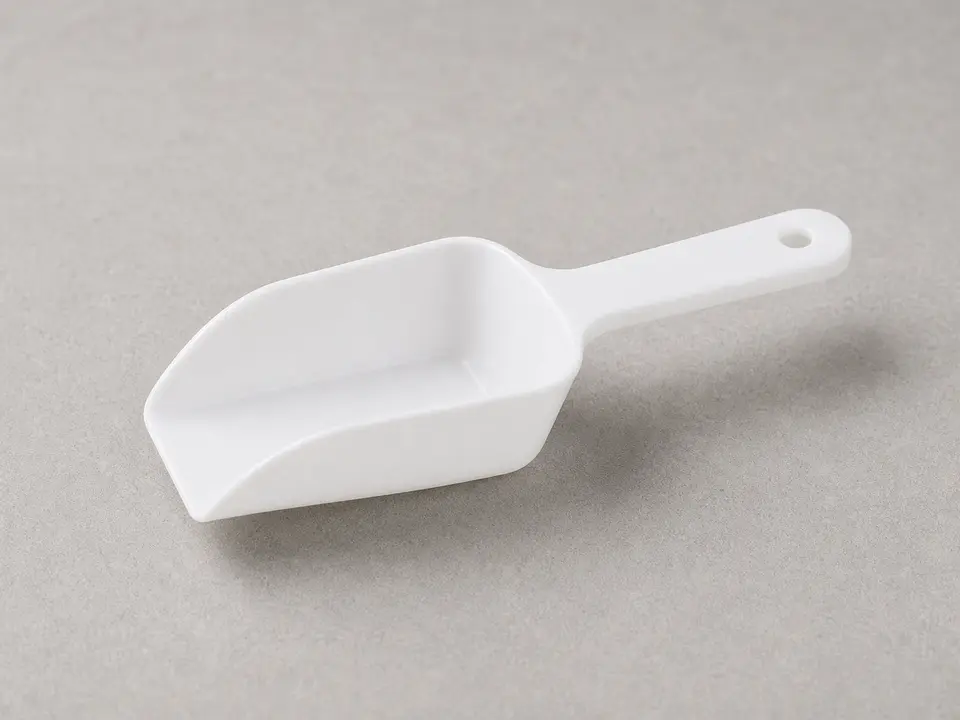
Use it for: Move loose snow without tearing shingles or puncturing the socks.
Shop plastic hand shovelsAs an Amazon Associate I earn from qualifying purchases. Repair Riot may earn a commission at no extra cost to you.
If it works: You have confirmed the existing socks are spent, damaged, missing, or badly placed and replacement makes sense.
If it doesn’t: If there are no socks to replace but ice is still forming, you can still install new ones in the trouble spots as a first step.
If it works: You have a visible, reachable placement area and a safer work zone below.
If it doesn’t: If you cannot expose the roof edge enough to place the new socks safely, wait for better conditions or call a roofer or ice dam service.
If it works: The old socks are removed and the placement area is clear enough for the new set.
If it doesn’t: If an old sock is frozen solid into a large ice mass, leave it in place until conditions loosen or get professional help rather than prying hard at the roof edge.
If it works: The new roof ice melt socks are lying flat in the right areas and positioned to create channels for draining water.
If it doesn’t: If the socks slide out of place right away, clear a little more loose snow so they can sit directly on the roof surface and ice.
If it works: A visible melt path is forming and water has a route to drain instead of backing up behind the ice.
If it doesn’t: If nothing changes after a reasonable amount of time, the ice buildup may be too thick for socks alone and you may need professional ice dam removal.
If it works: The new socks stayed in place and helped water drain without fresh backup at the eave.
If it doesn’t: If ice keeps rebuilding in the same area, the socks may be helping only temporarily and the roof may need a broader fix such as better attic air sealing, insulation, or ventilation review.
Match the replacement part to your exact roof before ordering.
As an Amazon Associate I earn from qualifying purchases. Repair Riot may earn a commission at no extra cost to you.
Replace them when they are empty, torn, hardened, washed out of place, or no longer opening a drainage channel through the ice.
Place them in the trouble spots where water backs up, usually starting a bit above the ice line and extending down over the eave toward the gutter edge or drainage path.
No. They should rest on top of the roof surface. Forcing them under shingles or flashing can damage the roof and send water where it should not go.
Usually no. They are meant to create narrow drainage channels so meltwater can escape. Severe ice dams may need professional removal and a longer-term fix for heat loss and roof conditions.
It depends on weather, how much material is left in them, and whether they stay intact. Check them during winter events and replace them when they stop doing the job.