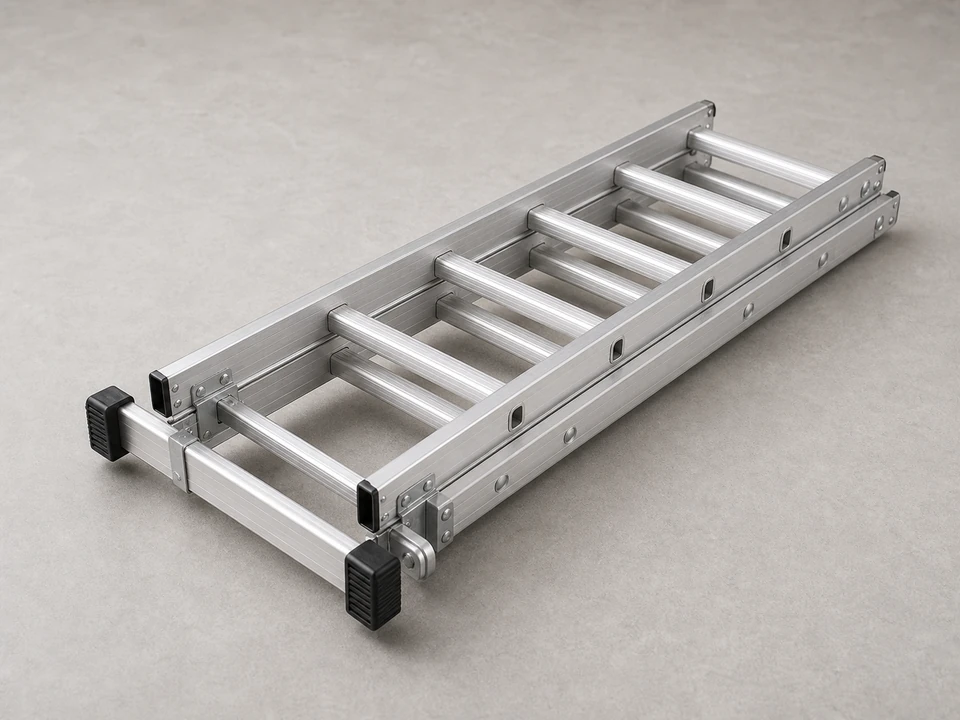
Extension ladder
Use it for: To reach the roof edge safely and carry materials up in a controlled way.
Shop extension laddersTo replace a roof ice and water shield membrane, lift the roofing at the affected edge or valley, remove the failed membrane and damaged underlayment, apply new self-adhering membrane to a clean dry deck, then reinstall the roofing so water sheds over the new layer.
This repair makes sense when leaks or ice-dam damage trace back to torn, wrinkled, poorly lapped, or missing membrane near eaves, valleys, or other vulnerable roof areas. If the roof deck is rotten or the damaged area is large, this moves beyond a simple homeowner repair.
Before you start: Match the replacement part to your exact roof before ordering.
Use it for: To reach the roof edge safely and carry materials up in a controlled way.
Shop extension ladders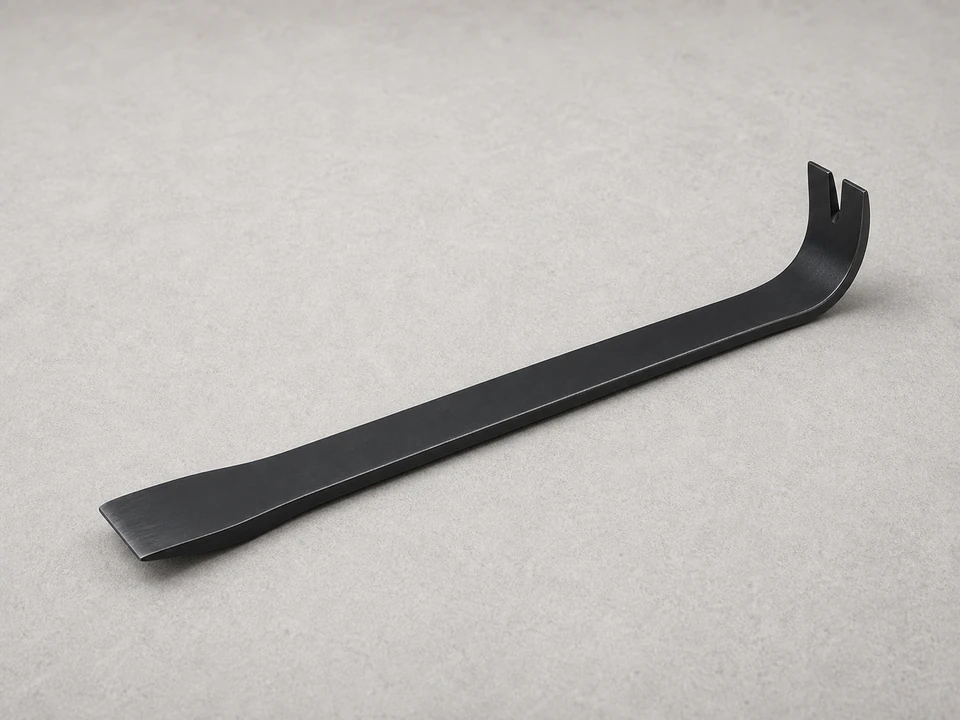
Use it for: To lift shingles, loosen nails, and separate old roofing layers without tearing more than necessary.
Shop flat pry bars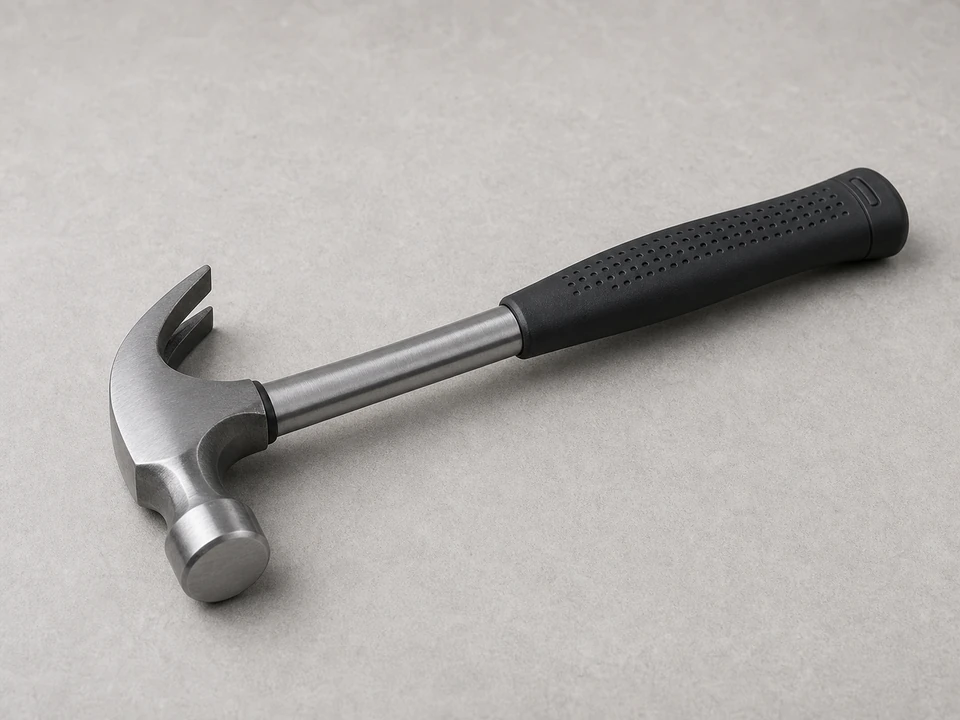
Use it for: To remove old fasteners and secure shingles or roofing components during reassembly.
Shop roofing hammers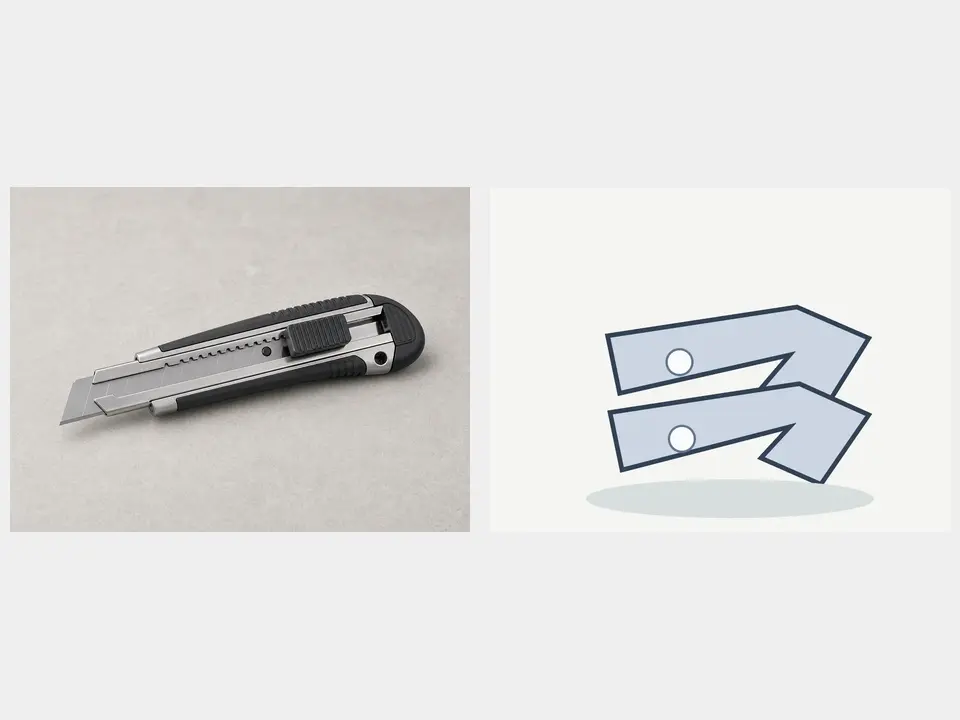
Use it for: To cut membrane and shingles cleanly without dragging or bunching the material.
Shop utility knives and hook blades
Use it for: To press the new membrane firmly to the roof deck and reduce trapped air.
Shop laminate rollers
Use it for: To seal exposed nail heads or small edge details where needed during reassembly.
Shop roofing sealantAs an Amazon Associate I earn from qualifying purchases. Repair Riot may earn a commission at no extra cost to you.
If it works: You have a specific roof section where the membrane is damaged, missing, or clearly not sealing water out.
If it doesn’t: If you only find a few damaged shingles or exposed fasteners and the membrane below looks intact, repair the roofing surface first instead of replacing the membrane.
If it works: The damaged section is fully exposed, and you can see the old membrane, roof deck, and surrounding roofing layers clearly.
If it doesn’t: If shingles break apart as you lift them, plan to replace those pieces during reassembly so the new membrane is not covered by damaged roofing.
If it works: You have a clean, dry, solid roof deck with the failed membrane removed and the repair area measured.
If it doesn’t: If the deck is still damp, let it dry fully before installing the new membrane. Self-adhering material will not bond well to a wet surface.
If it works: The new membrane is fully adhered, flat, and lapped so water will flow over it instead of under it.
If it doesn’t: If the membrane wrinkles badly or sticks in the wrong position, cut out the misapplied section and patch with a properly overlapped new piece rather than leaving a channel for water.
If it works: The roof surface is back in place, lies flat, and covers the new membrane without obvious gaps or lifted edges.
If it doesn’t: If the old roofing no longer sits flat or has become too brittle to reuse, replace those pieces before calling the repair complete.
If it works: The repaired area stays dry during testing and after normal weather, with no new interior moisture or visible roof-edge leakage.
If it doesn’t: If water still gets in, reopen the area and check for missed overlap, damaged flashing, or a leak source higher up the roof.
Match the replacement part to your exact roof before ordering.
As an Amazon Associate I earn from qualifying purchases. Repair Riot may earn a commission at no extra cost to you.
Yes, a small damaged section can often be cut out and patched if the surrounding membrane is still well bonded and the roof deck is sound. The patch needs proper overlap onto solid material so water cannot track under it.
Usually yes. The membrane sits under the roofing, so you need to lift or remove the roofing above the damaged area to reach it and reinstall everything in the right order.
That is common. Remove as much failed material as you can without destroying sound sheathing, then clean and smooth the surface so the new membrane can lie flat and bond well.
No. The roof deck should be dry and solid. Wet or dirty wood can keep the membrane from adhering and can trap moisture under the repair.
Use enough overlap to extend onto sound surrounding membrane or underlayment and maintain a clear downhill water path. Follow the overlap guidance printed for the membrane you buy.