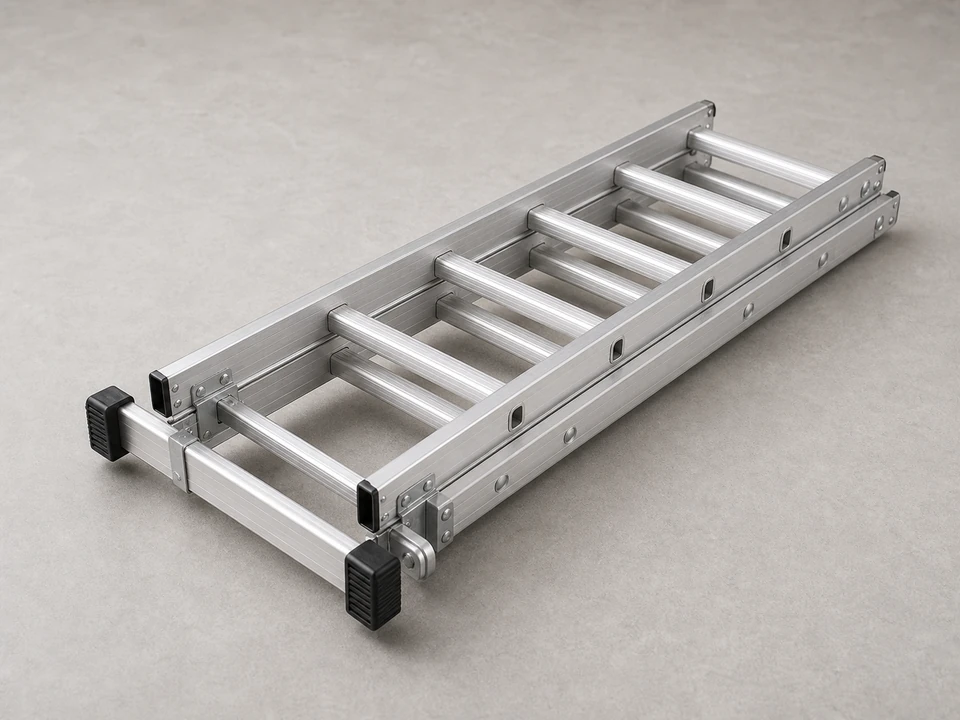
Extension ladder
Use it for: Lets you reach the gutters safely from the ground.
Shop extension laddersTo clean gutters and downspouts, remove loose debris by hand or scoop, flush the gutters with a hose, then clear any downspout clog until water runs freely away from the house.
This is a good maintenance job when gutters overflow, water spills near the foundation, or you can see leaves packed in the troughs. Work from a stable ladder, keep the area below clear, and stop if the gutter system is loose or badly damaged.
Before you start: Match any guards, strainers, elbows, or extensions to your gutter size and downspout shape before ordering. Stop if the repair becomes unsafe or unclear.
Use it for: Lets you reach the gutters safely from the ground.
Shop extension ladders
Use it for: Protects your hands from sharp metal edges, grit, and wet debris.
Shop work gloves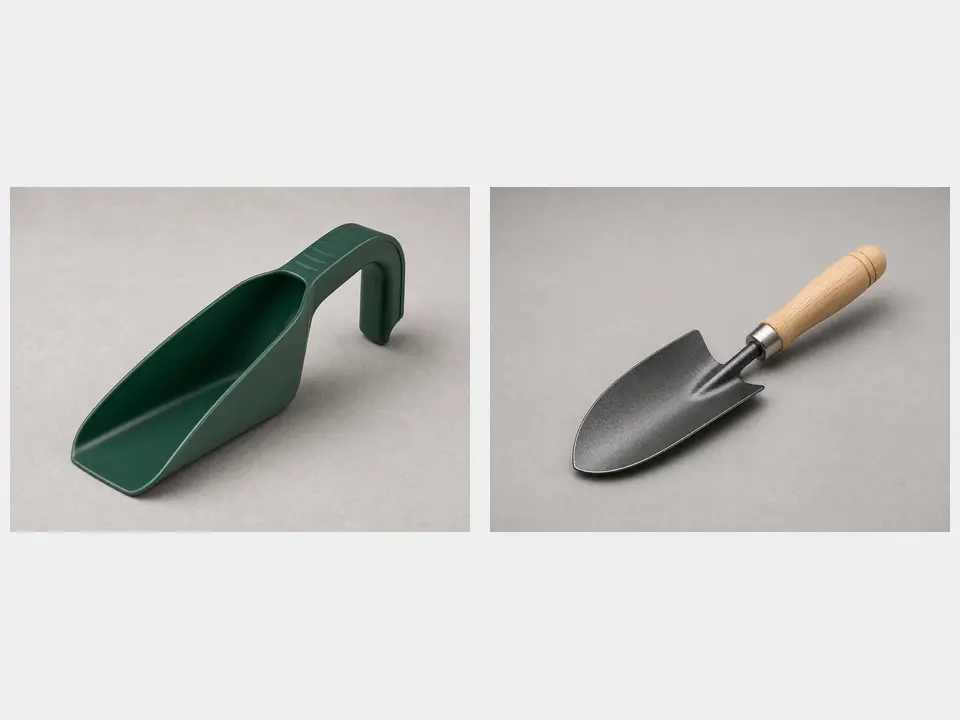
Use it for: Helps lift out packed leaves and sludge without damaging the gutter.
Shop gutter scoops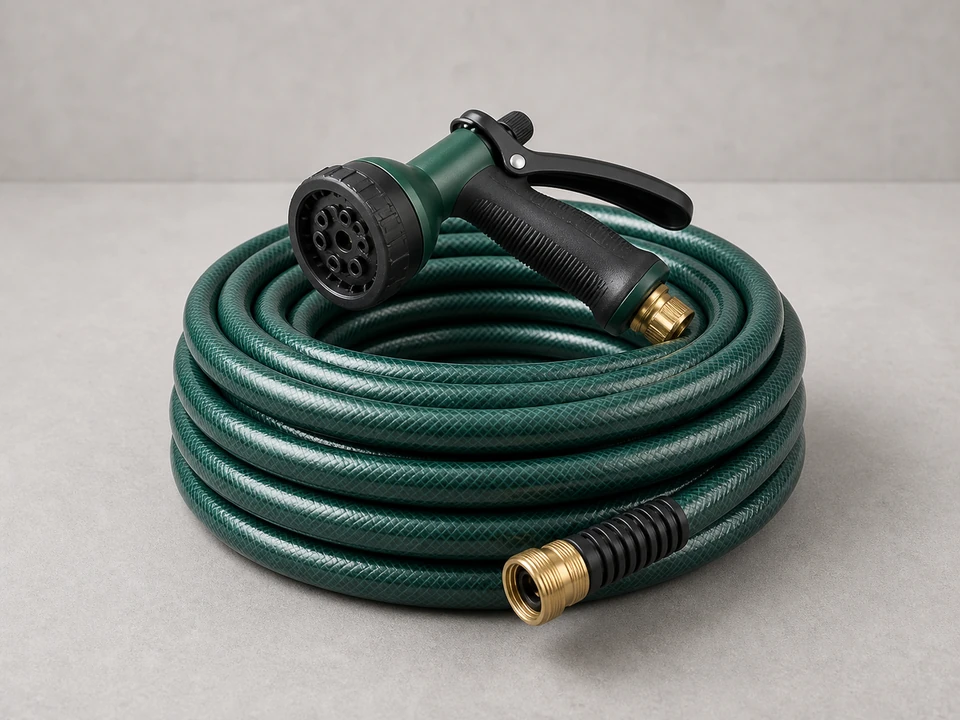
Use it for: Flushes remaining debris and helps you find slow spots or clogs.
Shop hose nozzles
Use it for: Gives you a place to collect debris instead of dropping it around the house.
Shop contractor bags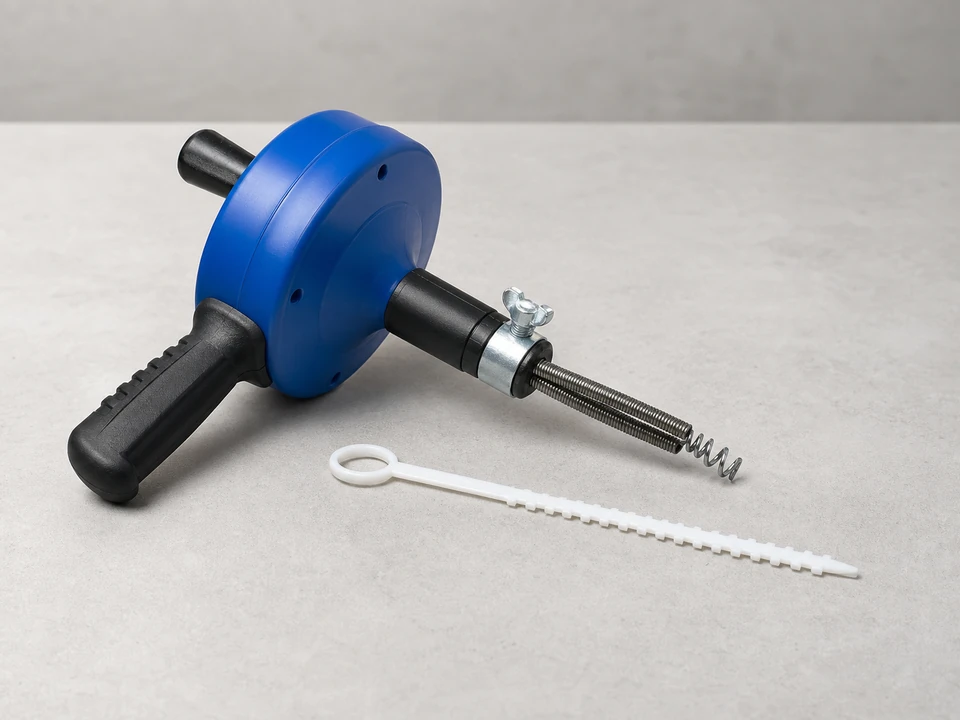
Use it for: Helps break up a stubborn downspout clog that will not flush out with water.
Shop drain augersAs an Amazon Associate I earn from qualifying purchases. Repair Riot may earn a commission at no extra cost to you.
If it works: You have signs of debris buildup rather than a major gutter failure, and you can reach the work area safely.
If it doesn’t: If the gutters are already clean but water still pours behind them or pools at the house, the issue may be slope, loose gutters, missing flashing, or poor grading rather than a cleaning problem.
If it works: The gutter trough is mostly free of loose debris and you can see the bottom along the section you cleaned.
If it doesn’t: If the debris is packed like wet soil, keep scooping in smaller passes until the trough opens up enough to flush.
If it works: Water flows along the gutter and reaches the downspout opening without backing up over the front edge.
If it doesn’t: If water stands in one area after the debris is gone, the gutter may be pitched poorly or sagging and may need adjustment after cleaning.
If it works: Water comes out of the downspout in a steady, strong flow and discharges away from the house.
If it doesn’t: If the downspout still drains slowly, disconnecting an accessible elbow or lower section may be the next move so you can remove the clog directly.
If it works: The whole drainage path is open, from the roof edge to the discharge point on the ground.
If it doesn’t: If guards keep trapping debris on top or underneath, they may need adjustment or replacement rather than repeated cleaning alone.
If it works: The gutters and downspouts carry water without overflowing, backing up, or dumping water next to the foundation.
If it doesn’t: If overflow or pooling continues after cleaning, the next repair is likely re-pitching, re-securing, extending discharge farther from the house, or repairing damaged sections.
As an Amazon Associate I earn from qualifying purchases. Repair Riot may earn a commission at no extra cost to you.
Most homes need cleaning at least once or twice a year. Homes with lots of nearby trees may need it more often, especially after leaf drop or heavy storms.
During a hose test or rain, water backs up at the gutter outlet instead of rushing out the bottom. You may also hear the downspout gurgling without seeing much discharge.
Not usually. A hose works best after you remove the heavy leaves and sludge. If you skip that step, you can pack debris tighter into the downspout and make the clog worse.
If they are clean but still overflow, the system may be sagging, pitched wrong, undersized for the roof area, or pulling away from the house. The discharge point may also be too close to the foundation.
No. Guards can reduce large debris, but they still need inspection and occasional cleaning. Small seeds, grit, and roof granules can still build up and slow drainage.